

HPMC Construction Additives and Cellulose Market Price Guide
Selecting high-performance additives for construction materials requires a deep understanding of how chemical properties translate into on-site performance. Hydroxy propyl methyl cellulose (HPMC) serves as a critical multifunctional agent in modern building chemistry, offering essential thickening, adhesion, and moisture retention capabilities. For procurement managers and engineers, the value of HPMC lies not just in the cellulose market price, but in the technical consistency of the white powder's water solubility and its ability to prevent shrinkage in cementitious mixtures.
Whether applied in wall putty, tile adhesives, or specialized joint fillers, HPMC functions as a protective colloid and surface-active agent. This ensures that mortar remains workable for longer periods while enhancing the overall structural integrity of the finish. By integrating HPMC into dry-mix mortars and gypsum plasters, contractors can achieve superior suspension and adsorption, effectively reducing cracks and improving the ease of application across diverse climatic conditions.

Technical Mechanism of Hydroxy Propyl Methyl Cellulose in Building Materials
HPMC is a non-toxic, odorless, and tasteless cellulose ether derived from natural high-molecular cellulose through a series of precise chemical processing steps. Its primary value in the construction industry stems from its unique ability to form a stable gel and provide high water-binding capacity. When mixed with water, the polymer chains expand, creating a network that traps water molecules, which significantly slows down the evaporation process in cement-based products.
This moisture-maintaining function is vital for the hydration of cement. In applications like skim coats and wall plaster, insufficient water retention leads to rapid drying and subsequent shrinkage cracks. HPMC mitigates this by ensuring a steady supply of moisture, allowing the chemical reaction of the cement to complete fully. Furthermore, its dispersing and emulsifying properties ensure that other additives and pigments are uniformly distributed throughout the mortar, preventing clumps and ensuring a smooth, homogeneous finish.
- Thickening: Increases the viscosity of the liquid phase to prevent sedimentation.
- Adhesion: Enhances the bond between the mortar and the substrate.
- Film Formation: Creates a protective layer that improves surface durability.
- Suspension: Keeps heavy particles suspended in the mix for better consistency.

Practical Application Scenarios for Dry-Mix Mortars and Putties
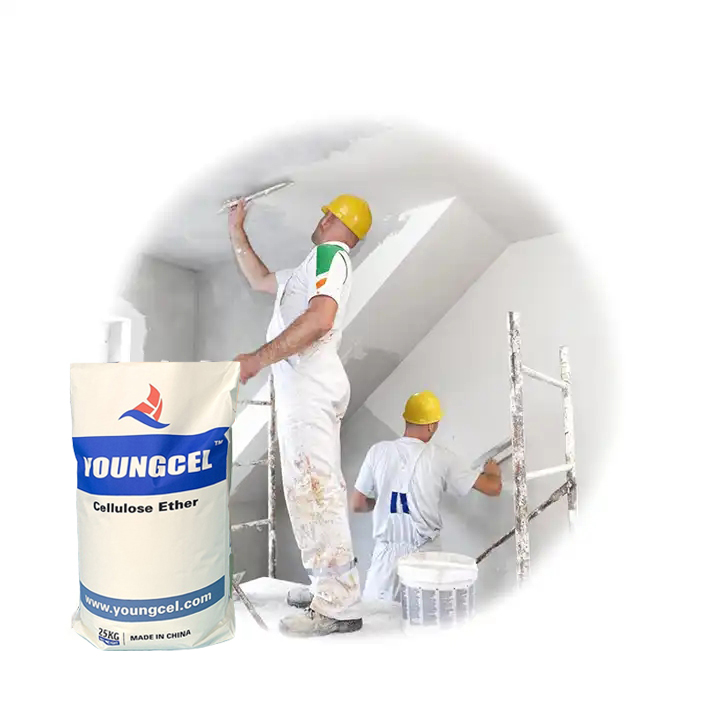
The versatility of HPMC allows it to be integrated into a wide array of construction products. In tile adhesives, HPMC provides the necessary "open time," giving installers the flexibility to adjust tiles without the adhesive setting too quickly. For wall putty and skim coats, the product ensures high slip resistance, meaning the material stays on the vertical wall during application rather than sliding down, which reduces waste and labor time.
In more specialized use cases, such as crack fillers and joint fillers, the adsorption and gel properties of HPMC are paramount. It creates a dense, cohesive structure that fills voids effectively while resisting the stresses of thermal expansion and contraction. Additionally, in concrete admixtures, the use of cellulose ethers improves the flowability of the concrete without requiring excessive water, thereby maintaining the final compressive strength of the structure.
The efficacy of these applications depends heavily on the purity and solubility of the HPMC powder. A high-quality, water-soluble grade ensures that no lumps are formed during the mixing process, which is essential for achieving a professional, mirror-smooth finish in high-end interior wall treatments.
Procurement Logistics and Quality Assurance Standards
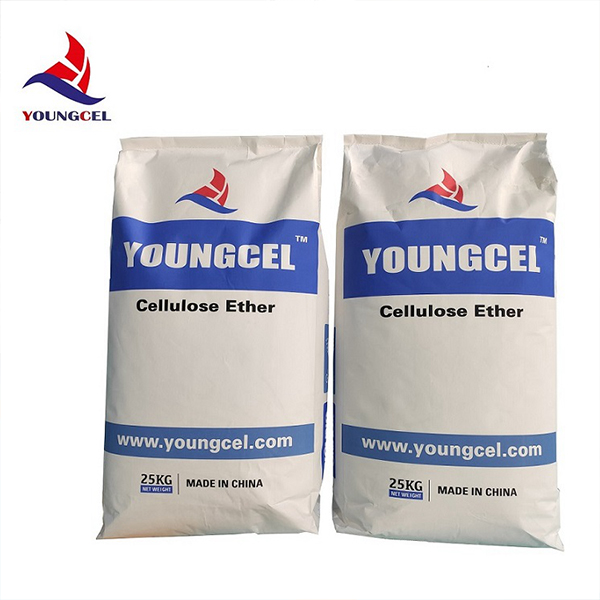
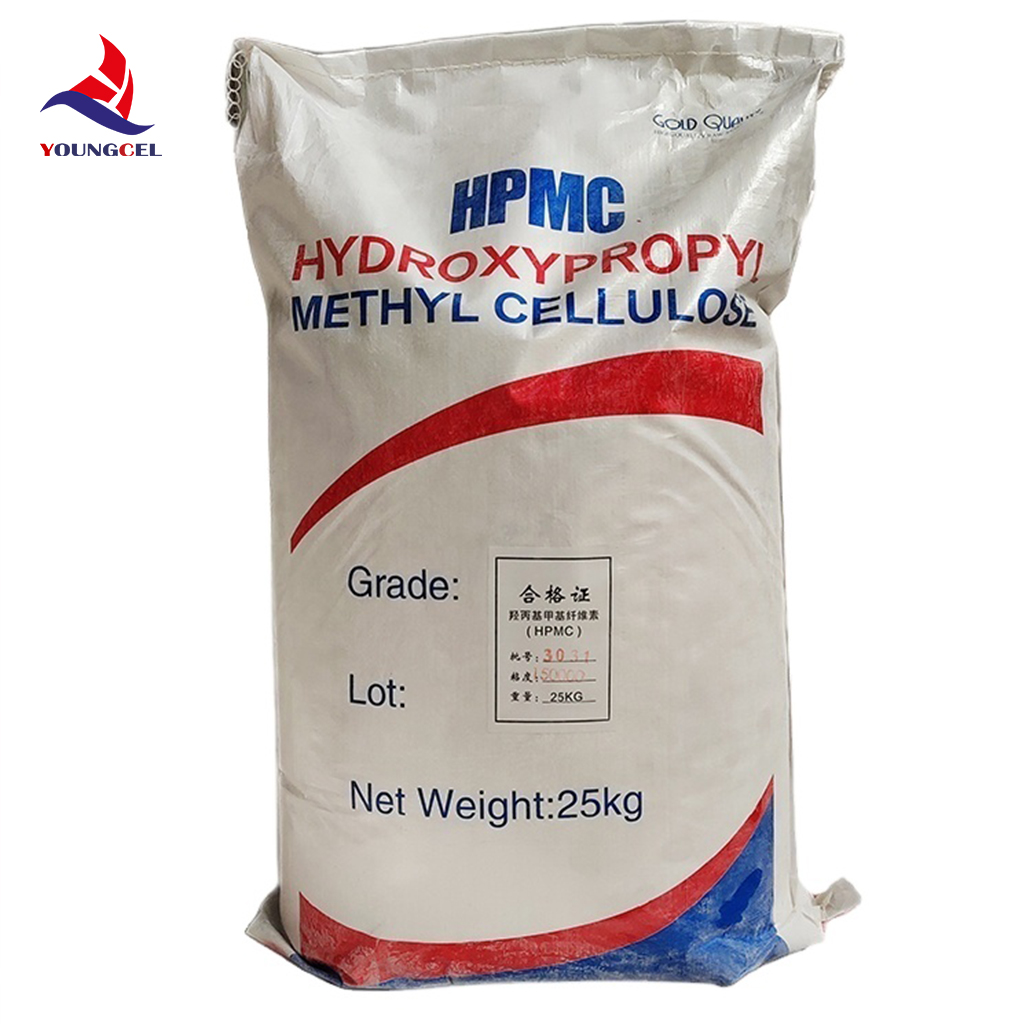
For B2B buyers, the reliability of the supply chain is as important as the chemical specification. Standard packaging typically consists of 20kg or 25kg paper bags with internal PE linings to protect the powder from humidity. Logistical efficiency is optimized through various loading options; for instance, 12 tons per 20FCL with pallets for easier handling, or 14 tons without pallets to maximize shipping volume and reduce freight costs.
Quality control is a multi-stage process. Leading manufacturers implement strict batch testing to ensure consistency in viscosity and purity. Before delivery, samples from each batch are retained in stock to trace any variations in quality over time. This traceability is crucial for large-scale projects where consistency across thousands of square meters of wall coating is required.
Furthermore, the ability to provide OEM services allows companies to customize HPMC specifications according to specific project requirements or regional standards. Whether the project demands a higher degree of water retention or a specific viscosity grade, customized production ensures the product matches the exact environmental conditions of the construction site.
HPMC Performance Matrix by Application
| Application Type | Primary Function | Viscosity Requirement | Key Benefit |
|---|---|---|---|
| Tile Adhesive | Open Time Extension | Medium to High | Improved Bond Strength |
| Wall Putty | Water Retention | High | Smooth Surface Finish |
| Cement Mortar | Workability | Medium | Reduced Shrinkage |
| Joint Filler | Cohesion | High | Crack Prevention |
| Gypsum Plaster | Suspension | Medium | Enhanced Flowability |
Evaluating Supplier Capabilities for Large-Scale Projects
When vetting a supplier for HPMC, buyers should look beyond the initial quote. A true manufacturer provides more than just a product; they provide technical support and quality guarantees. The ability to provide free samples for laboratory testing is a hallmark of a confident supplier, allowing the buyer to verify the water solubility and thickening effect in their own specific mortar formulations.
Payment flexibility and shipping transparency are also key indicators of a professional operation. Standard terms such as L/C at sight or T/T deposits indicate a structured financial workflow. Moreover, clear lead times—ranging from 5 days for small orders to negotiated timelines for bulk shipments over 20 tons—allow project managers to synchronize material arrival with construction schedules, preventing costly on-site delays.
Finally, consider the storage and handling recommendations. HPMC must be stored in cool, dry places, away from direct sunlight and humidity. A supplier that provides detailed storage guidelines and supports customized packaging requests demonstrates a commitment to the product's long-term stability from the factory to the final job site.
Future Trends in Cellulose Ether Applications
The construction industry is moving toward "green building" and sustainable materials. HPMC, being derived from natural cellulose, aligns with these trends by providing a non-toxic alternative to synthetic polymers. We are seeing an increase in demand for HPMC grades that can perform under extreme temperature fluctuations, as global infrastructure projects expand into more diverse climates.
Innovation is also focusing on the synergy between HPMC and other admixtures. By combining HPMC with specific redispersible polymer powders (RDP), manufacturers are creating "super-mortars" that offer unprecedented adhesion and flexibility. This evolution allows for thinner coating layers without sacrificing strength, leading to a reduction in total material consumption and a lower carbon footprint for the construction process.
For the procurement professional, staying updated on these technical shifts is essential. The transition from generic powders to application-specific grades means that the choice of HPMC can now directly impact the energy efficiency and lifespan of a building's interior and exterior finishes.
Frequently Asked Questions about HPMC
What is the primary difference between HPMC and standard cellulose?
HPMC is a chemically modified version of natural cellulose. Through hydroxypropylation and methylation, it gains superior water solubility and the ability to act as a thickener and stabilizer, making it suitable for industrial construction use where raw cellulose would not be effective.
How does HPMC prevent cracks in wall plaster?
HPMC improves water retention. By holding onto moisture longer, it ensures that the cement hydrates slowly and completely, which prevents the rapid drying and shrinkage that typically cause surface cracks.
Can HPMC be customized for specific mortar types?
Yes, manufacturers can adjust the viscosity and substitution levels to create OEM products tailored to specific requirements, such as higher slip resistance for vertical wall applications or enhanced open time for tile adhesives.
What is the recommended storage condition for HPMC powder?
It should be stored in a cool, dry, and well-ventilated area. It is critical to avoid humidity and direct sunlight to prevent the powder from clumping and to maintain its chemical stability.
Is HPMC non-toxic for indoor residential use?
Yes, HPMC is odorless, tasteless, and non-toxic, making it safe for use in interior wall putties, skim coats, and other residential construction materials.
How do I verify the quality of an HPMC shipment?
Quality can be verified by testing the water solubility (it should dissolve without lumps) and checking the viscosity of the resulting solution against the provided technical data sheet.
Technical Resources and Industry Standards
- Research on Cellulose Ethers in Construction
- ASTM Standards for Building Materials
- ISO Quality Management for Chemical Products
- Chemical Properties of Hydroxypropyl Methylcellulose
Finding the right balance between technical performance and cost is key to successful construction procurement. By focusing on viscosity, water retention, and supplier reliability, you can ensure a high-quality finish for any project.
Related Industry Insights