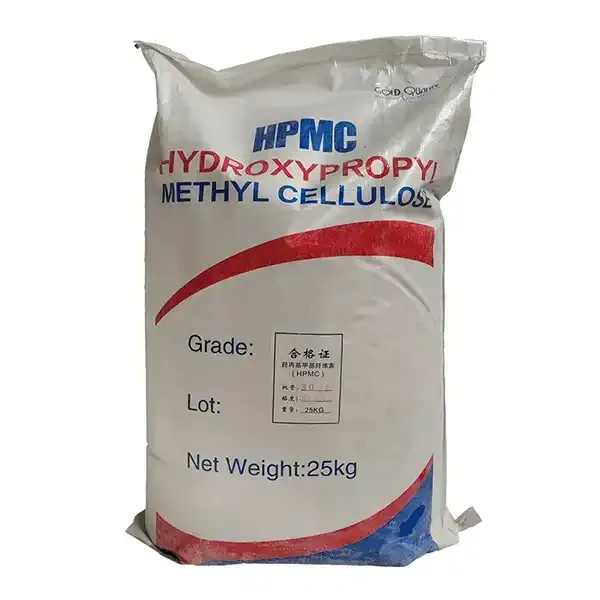
Advanced hpmc industry grade Solutions for Paraguay's Chemical Sector

High-performance rheology modifiers and water-retaining agents tailored for the subtropical climate and industrial demands of Paraguay.

Industrial Landscape of Specialty Chemicals in Paraguay

Analyzing the impact of environmental factors on cellulose powder performance.

Paraguay's manufacturing sector, particularly in fine chemicals, faces unique challenges due to its subtropical climate. High humidity and temperature fluctuations in regions like Asunción demand additives with exceptional thermal stability to prevent premature gelation or separation in industrial mixtures.

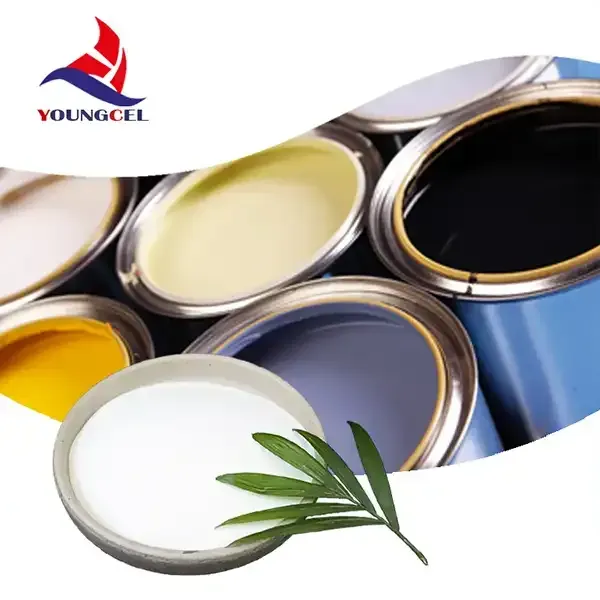
The local industry relies heavily on additive powder to optimize the viscosity of construction mortars and paints. With the growth of infrastructure projects, there is an increasing demand for chemical agents that can withstand the specific alkalinity of local raw materials.

Currently, the market is shifting from generic imports to specialized, high-purity grades. The integration of methyl cellulose has become pivotal for local producers seeking to improve the water-retention properties of their products in arid seasonal transitions.
Evolution and Technical Trajectory of Cellulose Applications

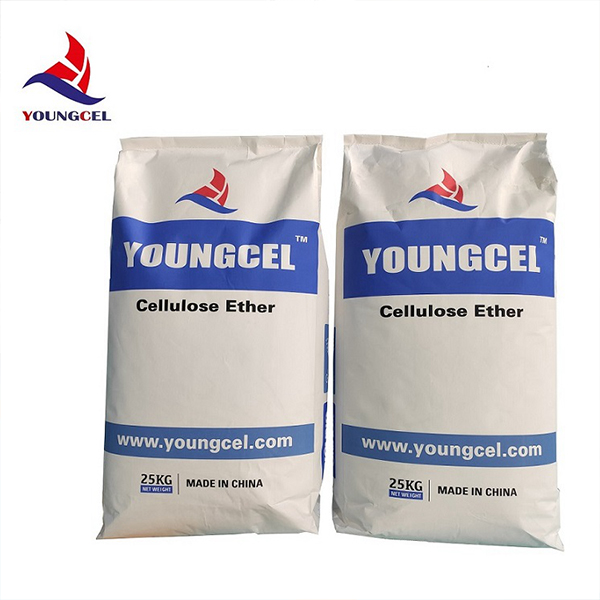
From traditional thickeners to precision-engineered hpmc cellulose.

Market Development History

In the early 2000s, the Paraguayan chemical market primarily used basic starch-based thickeners. These lacked the consistency and stability required for industrial-scale precision, leading to high waste rates in the fine chemical manufacturing process.

Between 2010 and 2020, the industry witnessed a transition toward first-generation cellulose ethers. This era marked the introduction of standard cellulose powders, which significantly improved the open time of construction materials and the stability of cosmetic emulsions.

From 2021 to the present, the focus has shifted toward "Industry Grade" specifications. The adoption of high-molecular-weight HPMC has allowed manufacturers to achieve precise rheological control, reducing raw material costs while increasing product longevity.

Future Development Trends

Bio-based Integration

A shift toward sustainable, plant-derived cellulose sources to meet tightening environmental regulations in South America.

Smart Viscosity Control

Development of temperature-sensitive grades that adapt to Paraguay's extreme seasonal heat variations automatically.

Hybrid Additive Systems

Combining cellulose ethers with nano-silica to create ultra-high performance additive powder for specialized industrial coatings.

Industry Trends and Future Outlook

Strategic forecasting for the specialty chemical additives market.

Green Chemistry Transition
Increasing demand for biodegradable cellulose derivatives to reduce the carbon footprint of Paraguayan industrial plants.
High-Precision Rheology
Implementation of tailored viscosity grades to meet the rigorous standards of pharmaceutical and fine chemical production.
Digital Supply Integration
Optimization of the supply chain for additive powders to ensure just-in-time delivery for Paraguayan factories.
Enhanced Thermal Stability
Focusing on high-temperature resistant cellulose ethers to maintain stability in tropical manufacturing environments.

Industry Outlook

Based on Google search trends and regional economic data, the demand for high-performance cellulose ethers in Paraguay is expected to grow by 4.5% annually. This is driven by the modernization of the construction sector and the expansion of local chemical synthesis capabilities.

The future will be dominated by "application-specific" grades rather than "all-purpose" powders. Manufacturers who adopt specialized hpmc cellulose will gain a competitive edge in product quality and cost-efficiency.

Localized Application Scenarios in Paraguay

Practical implementations of cellulose technology in the local market.

1. High-Temperature Dry-Mix Mortars

Utilizing high-viscosity HPMC to prevent rapid water evaporation in the intense heat of the Chaco region, ensuring proper curing and reducing shrinkage cracks.

2. Industrial Detergent Thickening

Applying specialized cellulose ethers to create stable, high-clarity liquid detergents for the domestic cleaning product industry in Asunción.

3. Agricultural Chemical Emulsions

Using cellulose powder as a stabilizer for pesticide suspensions, ensuring uniform distribution during spraying in large-scale soybean and maize plantations.

4. Specialized Ceramic Glazes

Integrating methyl cellulose into ceramic production to improve the suspension of particles and the smoothness of the finish in local pottery and tile factories.

5. Pharmaceutical Tablet Binding

Implementing pharma-grade HPMC as a binder for controlled-release tablets produced by Paraguay's growing generic medicine sector.

Brand Story

Global Development Journey of Shijiazhuang Gaocheng Yongfeng Cellulose Co., Ltd.

Founding Vision

Established with a commitment to solving the instability of industrial thickeners, focusing on high-purity cellulose ether synthesis.

Technological Breakthrough

Developed a proprietary purification process that eliminated impurities, significantly improving the clarity and stability of HPMC.

Global Market Expansion

Expanded footprint into South America, tailoring product viscosity and gel temperatures to suit the tropical climates of countries like Paraguay.

Sustainability Integration

Invested in green manufacturing lines to ensure that all cellulose powders meet the strictest international environmental standards.

Industry Leadership

Today, we stand as a leading global supplier, solving the critical pain points of rheology and water retention for fine chemical manufacturers worldwide.

Paraguay Industrial Cellulose FAQ

Expert answers to common technical challenges in the local chemical sector.

How does hpmc industry grade perform in high-humidity environments?

Our industry grade HPMC is engineered with specific substitution patterns that maintain consistent viscosity even in high-humidity settings, preventing clumping in powder form and ensuring stability in aqueous solutions.

What is the best way to store cellulose powder in tropical climates?

It should be stored in a cool, dry, well-ventilated warehouse away from direct sunlight. Using moisture-proof packaging is critical to prevent the powder from absorbing ambient humidity.

Can methyl cellulose be replaced by HPMC in construction adhesives?

Yes, HPMC often provides better water retention and workability. However, the choice depends on the required gel temperature; HPMC generally offers a more stable performance across a wider temperature range.

How do I choose the right viscosity for my additive powder?

Selection depends on the final application. High viscosity is ideal for thickeners and binders, while low viscosity is preferred for applications requiring high flowability or specific penetration levels.

Is hpmc cellulose compatible with other chemical additives?

Our HPMC is compatible with most common surfactants, pigments, and fillers. We recommend a compatibility test with your specific formula to optimize the synergy between components.

What are the lead times for bulk shipping to Paraguay?

Lead times vary based on order volume and shipping method, but we maintain an optimized logistics network to ensure timely delivery to major ports and industrial hubs in Paraguay.

Get Expert Technical Support

Contact our engineers today to optimize your formulas with the best cellulose solutions available in Paraguay.

Contact Us Now

If you are interested in our products, you can choose to leave your information here, and we will be in touch with you shortly.