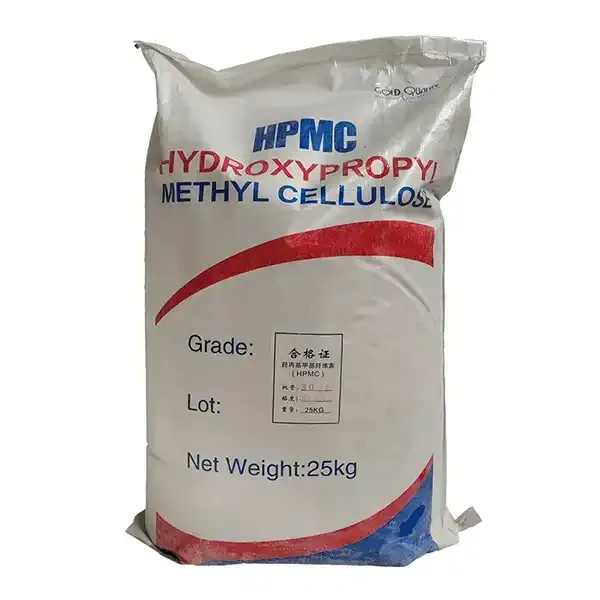
Advanced hpmc industry grade Solutions for Peru's Industrial Sector

Optimizing rheology and stability for specialized chemical manufacturing across the Peruvian market with high-performance cellulose derivatives.

Current State of Specialty Chemicals in Peru

Analyzing the demand for high-performance additives in South America's western coast.

The industrial landscape in Peru is characterized by a diverse geography, ranging from coastal deserts to Andean highlands. This volatility requires hpmc cellulose that can maintain stability across extreme temperature gradients, ensuring that industrial formulations do not separate during transport from Lima to the interior regions.

Currently, the Peruvian market is seeing a surge in the adoption of methyl cellulose due to the growth in urban infrastructure and the demand for specialized construction adhesives that can withstand high humidity levels in the jungle regions.

Furthermore, the local chemical sector is shifting away from generic fillers toward precision additive powder solutions. This transition is driven by the need for stricter quality control in the production of pharmaceutical and food-grade chemicals within the region.
Evolution and Trajectory of Cellulose Technology

From basic thickening to smart molecular engineering in the Peruvian market.

Market Development History

In the early 2000s, the Peruvian industry relied heavily on basic starch-based thickeners. However, by 2010, the introduction of refined cellulose powder allowed manufacturers to achieve superior water retention and open-time in their formulations.

Between 2015 and 2020, the market evolved toward specific viscosity grades. The adoption of HPMC provided a breakthrough in thermal gelation properties, allowing for better control in chemical reactions and application processes.

Today, the focus has shifted toward "Green Chemistry." The modern era is defined by the integration of eco-friendly, biodegradable cellulose ethers that comply with both local Peruvian environmental laws and international ISO standards.

Future Development Trends

Nano-Cellulose Integration

Over the next 3-5 years, we expect a shift toward nano-crystalline structures to enhance the mechanical strength of industrial coatings.

Customized Viscosity Profiles

Search trends indicate a rising demand for tailored rheology, leading to the development of "smart" polymers that react to specific pH levels.

Sustainable Sourcing

The trend is moving toward 100% bio-based raw materials to reduce the carbon footprint of chemical manufacturing in South America.

Industry Outlook and Future Projections

Strategic forecasting for the specialized chemical additives market.

Digitalized Formulation
Implementation of AI-driven dosing systems for cellulose powders to optimize material cost.
Climate-Adaptive Grades
Developing additives specifically designed for the high-altitude humidity of the Andes.
Regulatory Alignment
Stricter compliance with Latin American health and safety standards for additives.
Bio-Polymer Synergy
Combining HPMC with other bio-polymers for hybrid performance in specialty paints.

Industry Outlook

Based on Google search trends in the region, there is a significant increase in queries regarding "sustainable chemical additives" and "high-viscosity cellulose." This indicates that Peruvian manufacturers are no longer prioritizing low cost over performance.

We anticipate that the integration of high-purity additive powders will become the standard for the pharmaceutical and cosmetics industries in Peru, driving a 15% annual growth in the specialty cellulose sector.

Localized Application Scenarios in Peru

Real-world implementations of cellulose technology in the Peruvian industrial context.

1. Coastal Infrastructure Adhesives

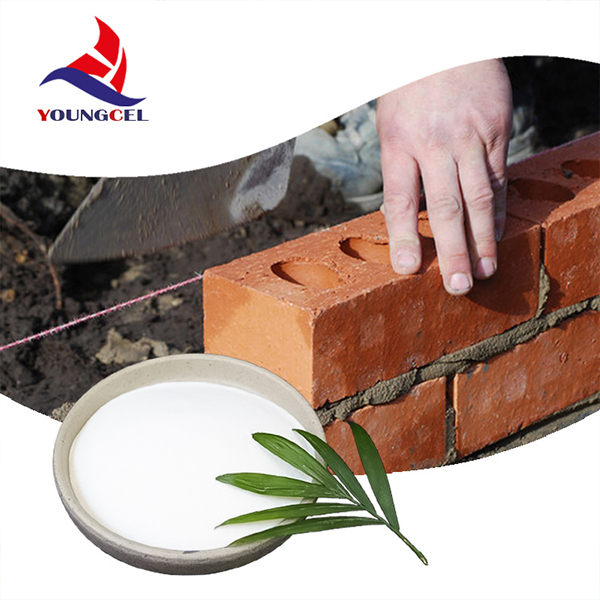
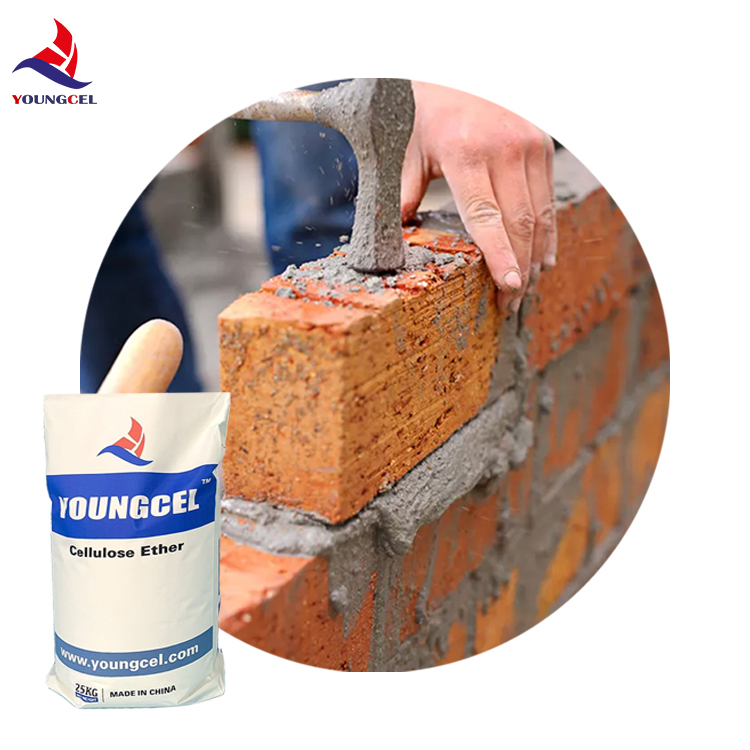
In Lima's coastal construction, methyl cellulose is used to prevent rapid water evaporation in cement-based mortars, combating the salty, arid air.

2. Andean Mining Chemical Agents

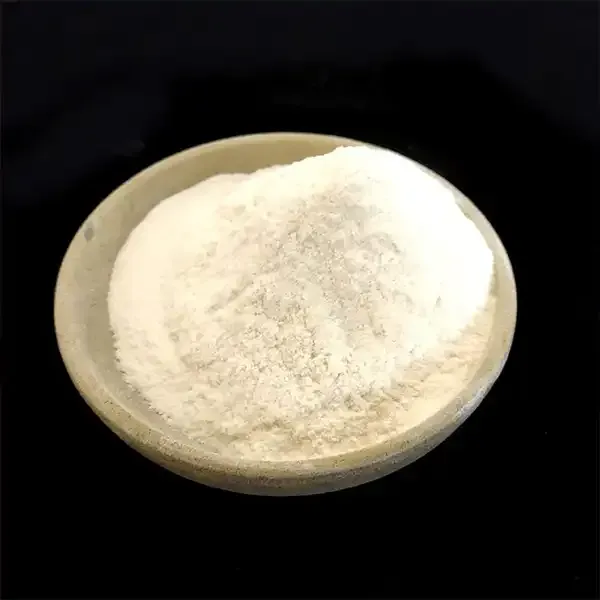
Utilizing specialized cellulose powder in mining flotation reagents to ensure the suspension of mineral particles in cold, high-altitude water sources.

3. Amazonian Bio-Coatings

Applying HPMC in the production of eco-friendly coatings for sustainable timber exports from the jungle regions, providing essential moisture barriers.

4. Peruvian Pharma-Grade Excipients

Implementing high-purity additive powders as binders in tablet manufacturing for the growing local generic medicine industry in Callao.

5. Agricultural Soil Conditioners

Using cellulose-based hydrogels in the arid south of Peru to maximize water retention for high-value export crops like asparagus.

Brand Story

Global Development Journey of Shijiazhuang Gaocheng Yongfeng Cellulose Co., Ltd.

Foundational Excellence

Established with a mission to master the chemistry of cellulose, focusing on purity and molecular consistency.

Technological Breakthrough

Developed a proprietary synthesis process that significantly reduced impurities in industrial-grade cellulose.

Global Expansion

Expanded footprints into South America, establishing a robust supply chain to serve the Peruvian market.

Quality Certification

Achieved international quality certifications, ensuring our products meet the most stringent global safety standards.

Sustainable Future

Leading the transition toward green chemistry by optimizing the biodegradability of our specialty additives.

Peruvian Market FAQ

Solving common technical challenges for local manufacturers.

How does hpmc cellulose perform in high-humidity coastal regions of Peru?

Our HPMC is engineered for superior water retention, preventing premature drying and cracking in the humid coastal climates of cities like Lima.

What is the best hpmc industry grade for Andean construction mortars?

For high-altitude regions, we recommend a medium-to-high viscosity grade that maintains stability despite the lower atmospheric pressure and temperature fluctuations.

Can methyl cellulose be used as a stabilizer in Peruvian food-grade chemicals?

Yes, our pharmaceutical and food-grade cellulose ethers provide excellent emulsification and thickening properties without altering the taste profile.

How to ensure the purity of cellulose powder in pharmaceutical applications?

We employ a multi-stage purification process and provide COA (Certificate of Analysis) for every batch to ensure zero contamination.

What additive powder is best for water-based paints in the Amazon jungle?

We suggest a specialized HPMC blend that offers high anti-sagging properties and excellent mildew resistance for tropical environments.

Do you provide technical support for formulation optimization in Peru?

Yes, we offer comprehensive technical guidance to help local manufacturers optimize their dosage and achieve the desired rheological properties.

Partner with Cellulose Experts

Ready to optimize your industrial formulations in Peru? Contact our technical team for customized solutions.

Contact Us Now

If you are interested in our products, you can choose to leave your information here, and we will be in touch with you shortly.