




Choosing the Right Additive for Putty: A Comprehensive Guide
Selecting the appropriate additive for putty is crucial for achieving desired properties like flexibility, adhesion, and workability. Different additives cater to specific applications and putty formulations. This guide explores various types of putty additives, their benefits, and how to choose the best one for your needs. Understanding the role of each additive allows you to optimize your putty for enhanced performance and long-lasting results. We’ll cover everything from plasticizers to fillers, providing valuable insights for both professionals and DIY enthusiasts.
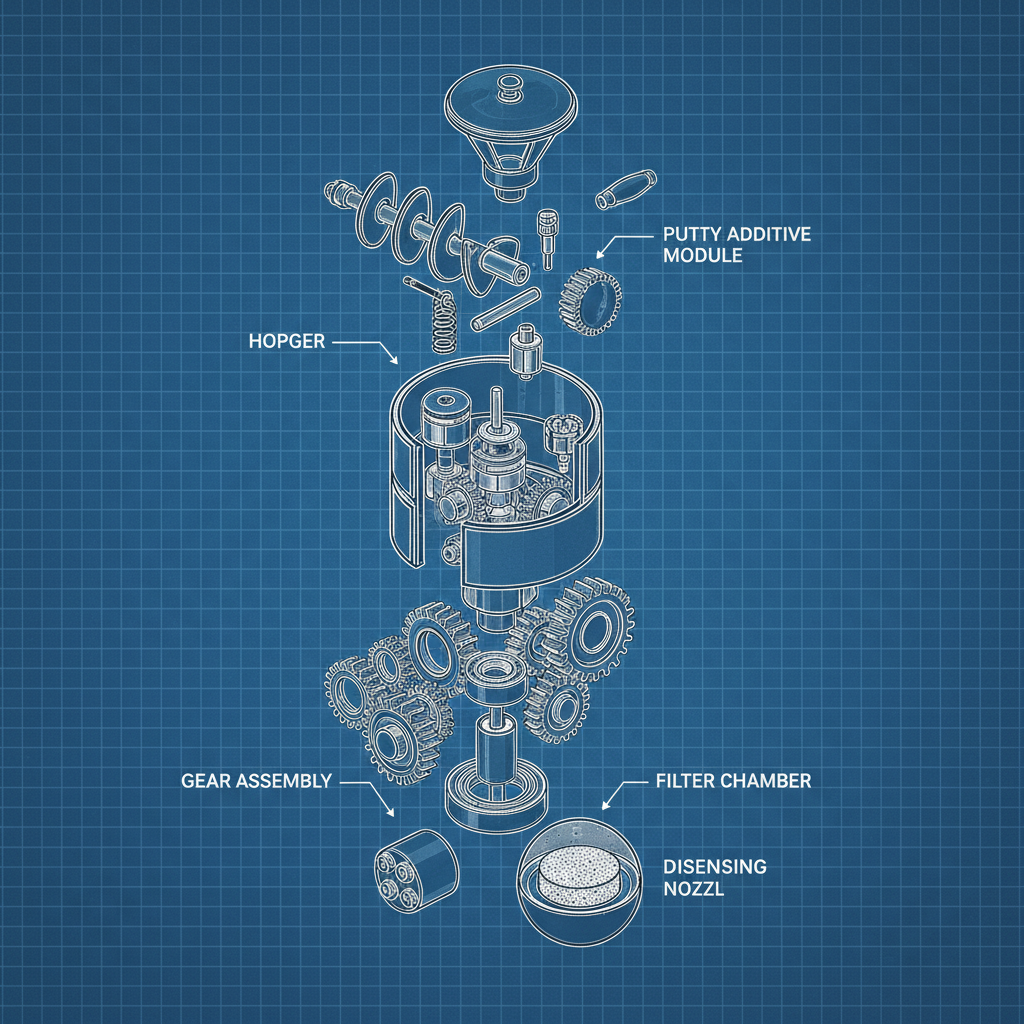
Understanding the Role of Additives in Putty Formulation
Putty, in its base form, often lacks the ideal characteristics for various applications. That’s where additives come in. They're incorporated to modify the putty's properties, enhancing its performance. For example, plasticizers increase flexibility, making the putty easier to apply and less prone to cracking. Fillers contribute to bulk and reduce cost, while adhesion promoters ensure the putty sticks firmly to the target surface. Rheology modifiers control the putty's flow characteristics, preventing sagging or dripping. Choosing the right putty additive is key to achieving the desired end result.
Key Benefits of Using Additives: Improved flexibility, enhanced adhesion, cost reduction, controlled workability, and extended product lifespan.
Common Types of Additives for Putty
A wide variety of additives are available, each with a specific function. Plasticizers, like phthalates and adipates, impart flexibility and reduce brittleness. Fillers, such as calcium carbonate or talc, add bulk and lower costs. Thixotropic agents, like clays and silicas, control viscosity, preventing settling and improving application. Adhesion promoters enhance bonding to various substrates. Defoamers eliminate air bubbles, ensuring a smooth finish. And biocides prevent microbial growth, extending the shelf life of the putty. Youngcel offers a comprehensive range of these additives.
Popular Additive Categories:
• Plasticizers: Increase flexibility and reduce brittleness.
• Fillers: Add bulk and reduce cost.
• Thixotropic Agents: Control viscosity and prevent settling.
• Adhesion Promoters: Enhance bonding to substrates.
Choosing the Best Additive for Your Application
The ideal additive for putty depends heavily on the intended application. For example, putty used for filling cracks in wood requires high adhesion and flexibility, suggesting a plasticized acrylic putty with an appropriate adhesion promoter. Putty used for automotive body repair needs excellent sanding properties and durability, calling for a different formulation. Consider the substrate, the desired finish, and the environmental conditions. Always consult the additive’s technical data sheet and conduct small-scale testing to ensure compatibility and optimal performance.
Safety Considerations When Working with Putty Additives
Always prioritize safety when handling putty additives. Wear appropriate personal protective equipment (PPE), including gloves, eye protection, and a respirator if necessary. Work in a well-ventilated area to avoid inhaling fumes. Read and follow the manufacturer’s safety data sheet (SDS) for each additive. Store additives in a cool, dry place away from incompatible materials. Dispose of waste materials responsibly, following local regulations. Youngcel provides detailed safety information with all its products.

Conclusion: Optimizing Putty Performance with the Right Additives
Investing in Quality Additives for Superior Results
Choosing the right additive for putty is an investment in the quality and longevity of your projects. By understanding the different types of additives and their specific functions, you can tailor your putty formulations to achieve optimal performance. Youngcel is your trusted partner for high-quality putty additives and expert technical support. Don’t compromise on results – choose the right additive for your needs!
Frequently Asked Questions (FAQs)
What is the typical dosage rate for putty additives?
Dosage rates vary significantly depending on the type of additive and the putty formulation. Typically, plasticizers are used at 5-15% by weight, fillers at 20-60%, and thixotropic agents at 1-5%. Adhesion promoters are often used at lower concentrations, around 0.5-2%. It is crucial to consult the additive’s technical data sheet for specific recommendations and to perform small-scale testing to optimize the dosage for your specific application. Overuse of additives can negatively impact the putty's properties, while insufficient amounts may not provide the desired effect.
How do I ensure compatibility between different additives?
Compatibility is a key concern when using multiple additives. Some additives may interact negatively, leading to unwanted side effects like gelling, separation, or reduced performance. It's best to start with a small-scale trial batch, carefully mixing the additives in the intended proportions. Observe the mixture for any signs of incompatibility, such as unusual viscosity changes, precipitation, or heat generation. Always refer to the additive suppliers’ recommendations and compatibility charts, if available. If unsure, consult with a technical expert from Youngcel.
Can I use additives to improve the shelf life of putty?
Yes, biocides are specifically designed to prevent microbial growth in putty, thereby extending its shelf life. Other additives, like antioxidants, can also help prevent degradation over time. Proper storage conditions are equally important. Store putty in a cool, dry place, away from direct sunlight and moisture. Ensure the container is tightly sealed to prevent contamination. Following these precautions will significantly improve the putty’s stability and maintain its usability for a longer period.
What are the benefits of using a thixotropic agent in putty?
Thixotropic agents improve the flow properties of putty, making it easier to apply and preventing sagging or dripping on vertical surfaces. They create a gel-like consistency at rest, but become more fluid when stirred or applied pressure. This is particularly beneficial for gap-filling applications where the putty needs to stay in place until it cures. They also help to prevent settling of fillers and other components during storage, ensuring a uniform composition.
-
Industrial Guide to High Performance Ceramic Adhesives UseNewsApr.16,2026
-
Ultimate Guide to Choosing the Right Cement Wall PaintNewsApr.09,2026
-
Comprehensive Guide to Cement Thickeners for Construction and Oil DrillingNewsApr.07,2026
-
Optimizing Construction with Advanced Cement Mortar Additive SolutionsNewsApr.04,2026
-
Understanding Cement Glue for Construction and DIY ProjectsNewsMar.31,2026
-
Effective Cement Dissolver Chemical Solutions for Construction and IndustryNewsMar.28,2026