



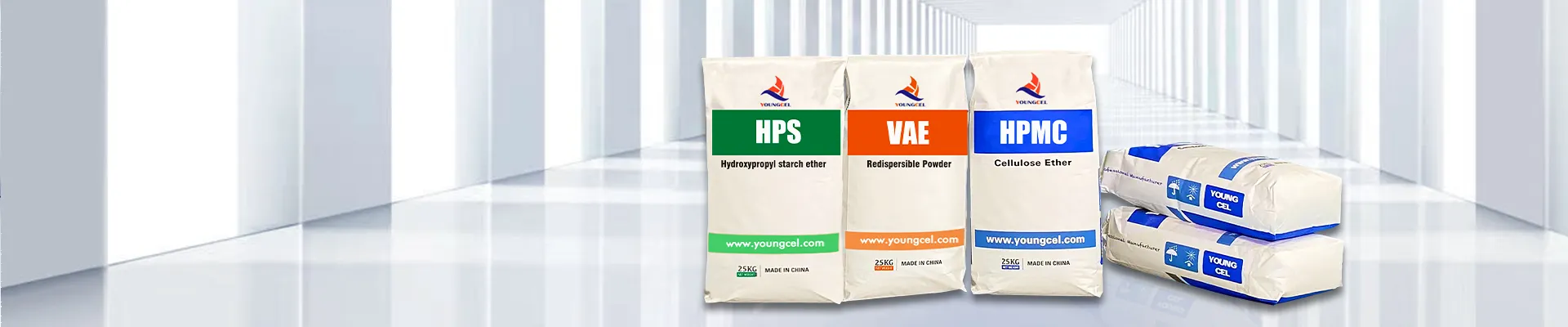
Understanding Redispersible Powder Uses: Why It Matters Globally
If you’ve ever dealt with construction materials or looked into how modern industrial additives enhance building techniques, you might’ve bumped into redispersible powder uses. Though it sounds highly technical, it's actually a fascinating topic with broad applications — from improving construction durability worldwide to playing a subtle but critical role in humanitarian aid efforts. In a nutshell, grasping the benefits and versatility of redispersible powders means better materials, smarter resource use, and more resilient infrastructure, especially in vulnerable parts of the globe.
Globally, with urbanization accelerating and climate concerns rising, industries demand materials that combine adaptability, efficiency, and sustainability. Redispersible powders fulfill these needs in ways that traditional binders and additives often can’t. This is why exploring their uses isn’t just engineering jargon but tied to practical challenges like affordable housing, disaster relief, and sustainable building.
Global Context: The Growing Demand for Enhanced Building Materials
According to recent reports by the United Nations and ISO standards committees, the construction sector is responsible for nearly 40% of global material resource use and about 38% of energy-related carbon emissions. Tackling these challenges means optimizing materials at every step — and this is where redispersible powders come into play.[1] Roughly, industries worldwide seek additives that improve product quality without heavy environmental footprints or costs.
However, existing binders and additives often face limitations — they might impair flexibility, suffer from poor shelf life, or require complex application processes. By understanding redispersible powder uses, manufacturers and engineers can overcome these hurdles, leading to better performance in everything from tile adhesives to insulation mortars.
What Exactly Are Redispersible Powders?
Simply put, redispersible powders are dry polymer powders that, upon mixing with water, revert smoothly to a polymer dispersion. Imagine something that’s stable and dry on the shelf but turns back into a binding, elastic agent when you need it. This dual-state capacity makes these powders fantastic additives in various cementitious and mortar products.
Their role? To enhance adhesion, flexibility, and water retention in modern construction compounds. This means walls that resist cracking, tiles that hold better, and repair mortars that last longer. Literally, they transform “dry” into “wet” bonding agents that suit diverse climates and technical needs.
Core Components That Define Redispersible Powder Uses
1. Durability
One of the standout traits of redispersible powders is their ability to improve the longevity of building materials. Adding them to dry mixes improves flexibility, reducing the chance of cracks caused by environmental changes like temperature swings or ground shifts — a must-have for infrastructure in both cold zones and tropical climates.
2. Water Retention
For materials like tile adhesives, maintaining moisture during curing is crucial. Redispersible powders excel by improving water retention, allowing cementitious compounds to cure evenly and fully. This prevents premature drying and weak bonding, leading to longer-lasting results.
3. Adhesion
They provide stronger adhesion to substrates like concrete, ceramics, or natural stone. This means better tile or panel fixing without the need for excessive mechanical supports. In places where manual labor is costlier, such efficiency can be a game-changer.
4. Flexibility & Elasticity
Redispersible powders add an elastic quality that accommodates slight movements or stresses in buildings without cracking — critical in areas prone to earthquakes or soil subsidence. This makes constructions safer and extends maintenance cycles.
5. Compatibility & Versatility
Their compatibility with various dry mixes — sealants, plasters, screeds — means they can be employed across many product lines. This versatility streamlines inventory and accelerates manufacturing.
Real-World Applications & Use Cases: From Industrial to Humanitarian
The uses of redispersible powders are truly global and varied. In Europe and Asia, they’re widely adopted in tile adhesive production for both residential and commercial construction, pushing for higher performance standards.
Oddly enough, in humanitarian crises, these powders indirectly enable faster, better-quality building repairs in post-disaster zones — think re-plastering damaged walls or fixing flooring with minimal material waste. Organizations like the UN use materials enhanced with these additives to rebuild quickly while maintaining safety and structural integrity.[2]
Even in mining or remote industrial setups, redispersible powders mean fewer failures in maintenance mortars exposed to rough conditions, cutting downtime and expense.
Mini Takeaway
Their ability to make construction materials tougher, more flexible, and water-retentive places redispersible powders at the core of 21st-century building solutions around the world.
Why Use Redispersible Powders? Advantages & Long-Term Value
- Cost Savings: Lower repair frequency and faster application times reduce overall project costs.
- Sustainability: Limits raw material consumption and reduces energy use during mixing and curing.
- Performance Boost: Enhanced bonding and elasticity translate into longer-lasting structures.
- Social Impact: Improves safety and quality of life through durable housing and infrastructure.
On an emotional note, anyone who’s experienced the frustration of cracked plaster or loose tiles will appreciate what these powders deliver in terms of trust and peace of mind. It feels like the building “breathes” a little easier.
Product Specification at a Glance
| Characteristic | Typical Range | Unit |
|---|---|---|
| Polymer Type | Vinyl Acetate Ethylene (VAE) | |
| Particle Size | 50–100 | μm |
| Redispersion Rate | > 95% | % |
| Moisture Content | % | |
| Storage Stability | 12 | months |
Comparing Leading Redispersible Powder Vendors
| Vendor | Product Range | Typical MOQ | Origin | Key Selling Point |
|---|---|---|---|---|
| VinylChem | VAE, EVA-based powders | 500 kg | Germany | High redispersion rates |
| PolyMerit | VAE blends | 1000 kg | China | Competitive pricing |
| EcoBind | Bio-based redispersible powders | 300 kg | USA | Sustainability focus |
Emerging Trends in Redispersible Powder Uses
Looking ahead, the industry is shifting toward bio-based polymers and formulations that reduce environmental impact further. Automation in mixing and digital quality control are enabling more consistent product performance. Some innovators are even exploring hybrid powders that combine polymers with nanomaterials — aiming to push durability and water resistance higher while cutting costs.
As climate policies tighten worldwide, manufacturers that integrate green chemistry and circular economy principles by reusing production waste in powder manufacturing will have a competitive edge.redispersible powder uses are evolving alongside these broader industrial trends.
Challenges and Solutions in Current Practice
Despite many advantages, redispersible powders face hurdles like:
- Storage sensitivity — exposure to humidity can degrade performance.
- Cost issues — some formulations remain expensive compared to traditional additives.
- Technical know-how — improper dispersion during mixing can reduce effectiveness.
Solutions include improved packaging technologies, development of more affordable polymer blends, and better guidelines for end-users on storage and handling. Many firms now invest in on-site technical support during product rollout, which frankly can make all the difference.
FAQ: Top Questions About Redispersible Powder Uses
- Q: How does redispersible powder improve the performance of tile adhesives?
- A: When added to tile adhesives, redispersible powders enhance flexibility and adhesion, preventing cracks and ensuring tiles stay fixed despite temperature changes or wall movement. This improves durability significantly compared to adhesives without these powders.
- Q: Can redispersible powders be stored long-term without losing quality?
- A: Typically, they can last about 12 months if stored in dry, temperature-controlled environments. Exposure to humidity or extreme heat reduces shelf life, so proper packaging and storage are vital.
- Q: Are these powders suitable for use in extreme climates?
- A: Yes, their elasticity and water retention properties make them ideal for both freezing and hot environments, helping materials withstand weather-related stresses better than many traditional additives.
- Q: Is it possible to use redispersible powders in small-scale or DIY projects?
- A: Absolutely! While mostly industrial, small quantities are available from suppliers for home renovations, offering enhanced bonding and flexibility for user-friendly, quality results.
Wrapping Up: Why You Should Care About Redispersible Powder Uses
To sum it up, redispersible powders quietly transform the building materials we rely on, making structures stronger, longer-lasting, and greener. Whether you're an engineer, manufacturer, or just curious about material science, the future holds exciting opportunities as these powders evolve with global demands and sustainability goals.
For a deeper dive into product details or supplier connections, visit our official website. There’s always more to explore with redispersible powders!
References
-
Industrial Guide to High Performance Ceramic Adhesives UseNewsApr.16,2026
-
Ultimate Guide to Choosing the Right Cement Wall PaintNewsApr.09,2026
-
Comprehensive Guide to Cement Thickeners for Construction and Oil DrillingNewsApr.07,2026
-
Optimizing Construction with Advanced Cement Mortar Additive SolutionsNewsApr.04,2026
-
Understanding Cement Glue for Construction and DIY ProjectsNewsMar.31,2026
-
Effective Cement Dissolver Chemical Solutions for Construction and IndustryNewsMar.28,2026