High-Performance methyl cellulose Solutions for Bolivia's Industrial Sector

Empowering Bolivian construction and chemical manufacturing with advanced rheology modifiers and water-retention additives tailored for Andean environments.

High-Performance methyl cellulose Solutions for Bolivia's Industrial Sector

Providing the Bolivian market with precision-engineered cellulose ethers to enhance the stability, workability, and longevity of specialty chemical formulations.

Analyzing the Chemical Additive Landscape in Bolivia

Challenges and opportunities for specialty chemicals in the heart of South America.

Bolivia's industrial sector faces unique challenges due to its extreme geographic diversity, ranging from the high-altitude Altiplano to the humid tropical lowlands. In these regions, the demand for a high-quality additive powder is critical to ensure that construction materials and chemical products can withstand drastic temperature fluctuations and varied humidity levels.

Currently, many local manufacturers rely on generic imports that often fail to meet the specific viscosity requirements of Andean climates. The integration of hpmc industry grade materials is becoming essential for those seeking to improve the open time of mortars and the stability of adhesives in high-altitude urban centers like La Paz and El Alto.

As the Bolivian government pushes for infrastructure modernization, there is a visible shift toward sustainable and high-efficiency additives. The adoption of refined cellulose powder allows local producers to reduce raw material waste while significantly improving the mechanical properties of their end products.
Evolution of Cellulose Technology in the Bolivian Market

From traditional thickeners to precision-engineered molecular polymers.

Market Development History

Prior to 2010, the Bolivian market primarily utilized basic starch-based thickeners and low-grade organic polymers. These materials suffered from poor thermal stability and inconsistent water retention, leading to frequent cracking in masonry and instability in paint formulations.

Between 2010 and 2020, the introduction of standard hpmc cellulose marked a turning point. Local engineers began recognizing the superiority of hydroxypropyl methylcellulose in controlling rheology, leading to a gradual replacement of traditional binders with more stable cellulose ethers.

From 2020 to the present, the focus has shifted toward "Application-Specific" grades. Instead of using a one-size-fits-all approach, the industry now demands specialized viscosity grades tailored to the specific atmospheric pressure and UV intensity found in the Bolivian highlands.

Future Development Trends

Eco-Friendly Bio-Polymer Integration

Increasing regulatory pressure in South America is driving the shift toward biodegradable additives that maintain high performance without environmental toxicity.

Nanoscale Viscosity Control

Future iterations of cellulose ethers will focus on modified molecular weights to provide "smart" thickening properties that react to temperature changes in real-time.

Digital Formulation Optimization

The use of AI-driven mixing ratios will allow Bolivian factories to optimize the dosage of cellulose powders based on real-time weather data from the region.

Industry Trends and Future Outlook for Bolivia

Strategic forecasting for the specialty chemical additive sector.

Climate-Adaptive Formulations
Developing additives that adjust water retention based on Bolivia's varying altitude and humidity.
High-Efficiency Rheology
Reducing the required dosage of polymers while increasing the stability of industrial coatings.
Sustainable Sourcing
Transitioning to cellulose derived from responsibly managed forest resources to meet global ESG standards.
Rapid-Hydration Tech
Implementing instant-dissolve powders to reduce mixing time in large-scale manufacturing.

Industry Outlook

Based on Google Search trends in the South American region, there is a significant increase in queries regarding "green chemistry" and "high-performance binders." This suggests that the Bolivian market is moving away from bulk commodities toward high-value, specialized chemical agents.

We anticipate that within the next 3-5 years, the integration of smart cellulose ethers will become the industry standard in Bolivia, enabling the construction of more durable housing in seismic zones and more efficient industrial paint applications.

Localized Application Scenarios in Bolivia

Practical implementations of cellulose technology across diverse Bolivian industries.

1. High-Altitude Mortar Stability

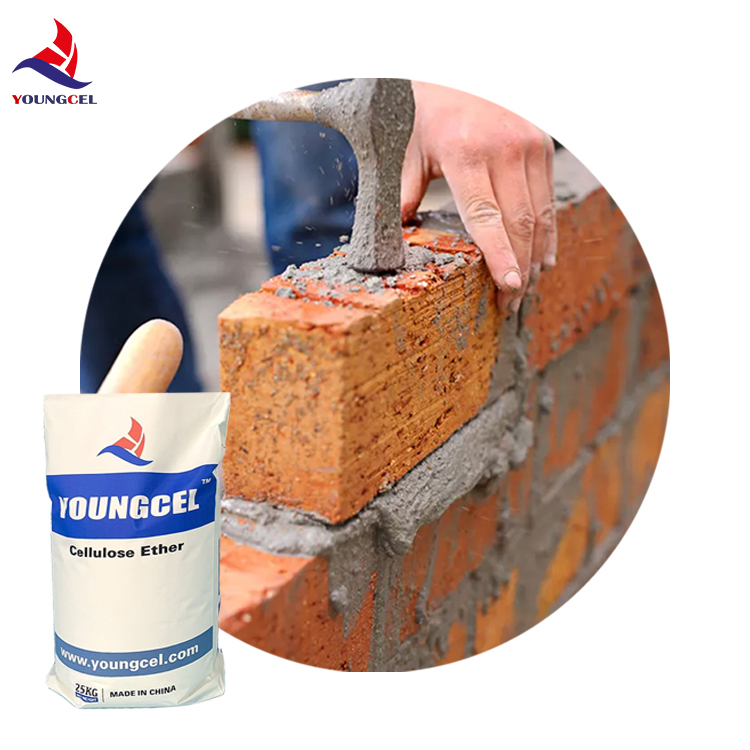
Utilizing HPMC in La Paz's construction projects to prevent rapid evaporation and shrinkage cracks caused by low atmospheric pressure and high UV exposure.

2. Santa Cruz Industrial Coatings

Applying modified cellulose in the humid lowlands of Santa Cruz to enhance the sag resistance and leveling of architectural paints.

3. Mining Chemical Processing

Implementing specialized thickeners in mineral processing plants to stabilize suspension fluids used in Bolivia's extensive mining operations.

4. Andean Pharmaceutical Excipients

Using high-purity cellulose ethers as binding agents for tablet compression in the growing local pharmaceutical manufacturing sector.

5. Sustainable Ceramic Glazes

Integrating cellulose powders into the production of traditional and modern Bolivian ceramics to improve the suspension of pigments and reduce waste.

Brand Story

Global Development Journey of Shijiazhuang Gaocheng Yongfeng Cellulose Co., Ltd.

Foundation and Focus

Established with a vision to bridge the gap between raw chemical production and precision application, focusing on high-quality cellulose ethers from the start.

Technological Breakthrough

Developed proprietary etherification processes that significantly improved the purity and consistency of our cellulose powders.

Global Expansion

Expanded our reach into South American markets, providing customized solutions for the unique climatic challenges of the Andes.

Quality Standardization

Achieved international certifications to ensure that every batch of our additive powder meets strict global industrial standards.

Future Sustainability

Committing to green chemistry initiatives to reduce the carbon footprint of cellulose production for a sustainable future.

Bolivia Industrial Cellulose FAQ

Expert answers to common technical questions from the Bolivian manufacturing sector.

How does hpmc cellulose affect water retention in high-altitude construction?

In high-altitude regions like Bolivia, air is drier. HPMC prevents the rapid evaporation of water from mortars, ensuring proper hydration of cement and reducing structural cracks.

What is the difference between hpmc industry grade and food grade?

Industry grade is optimized for rheology and stability in construction and paints, whereas food grade meets strict dietary and purity standards for ingestion.

Can methyl cellulose be used in both oil-based and water-based systems?

Methyl cellulose is primarily used as a thickener and stabilizer in water-based systems, providing excellent emulsification and viscosity control.

How to properly store cellulose powder in humid tropical climates like Santa Cruz?

Store in a cool, dry, well-ventilated area. Ensure bags are hermetically sealed to prevent moisture absorption, which can cause clumping and degrade performance.

Which additive powder is best for improving the open time of tile adhesives?

HPMC is the ideal choice as it significantly extends the open time, allowing workers more flexibility during application in varied Bolivian weather conditions.

Does the viscosity of cellulose ethers change with altitude?

While the intrinsic viscosity remains the same, the rate of evaporation and mixing dynamics change at high altitudes, requiring adjusted dosage for optimal results.

Connect With Our Technical Experts

Looking for optimized cellulose solutions for your business in Bolivia? Our engineers are ready to provide tailored formulations for your specific industrial needs.

Contact Us Now

If you are interested in our products, you can choose to leave your information here, and we will be in touch with you shortly.