

High-Performance methyl cellulose Solutions for Chile's Industrial Sector

Empowering Chilean manufacturing with precision-engineered cellulose ethers for superior rheology and stability.

Chemical Manufacturing Landscape in Chile

Analyzing the demand for high-grade cellulose additives in the Andean region.

Chile's chemical industry is heavily influenced by its unique geography and the massive mining sector. The demand for hpmc industry grade materials is surging as local manufacturers seek to improve the stability of specialty chemicals used in harsh environments, from the arid Atacama to the humid south.

Local production face challenges with moisture control and temperature fluctuations. This has led to an increased reliance on high-quality cellulose powder that can provide consistent thickening and binding properties regardless of external climatic stressors.

As Chile moves toward more sustainable industrial practices, the shift toward biodegradable additive powder has become a strategic priority, aligning with national environmental regulations and the global push for green chemistry.

Evolution of Cellulose Technology in Chile

From basic thickeners to intelligent rheology modifiers.

Market Development History

In the early 2000s, the Chilean market relied primarily on basic starch-based thickeners. The introduction of first-generation methyl cellulose around 2010 marked a shift toward synthetic stability and predictable viscosity in industrial coatings.

Between 2015 and 2020, the industry transitioned to specialized HPMC variants. This era saw the adoption of modified ether grades designed specifically for high-salinity environments, crucial for Chile's coastal and mining-related chemical applications.

Currently, the focus has shifted to "smart" cellulose ethers. Modern manufacturers now demand precision-grade hpmc cellulose that offers precise gel temperatures and enhanced solubility for rapid industrial mixing.

Future Development Trends

Nano-Cellulose Integration

We anticipate a move toward nano-crystalline cellulose to provide mechanical reinforcement in high-performance chemical polymers.

Bio-Based Synthesis

Increased focus on sourcing raw materials from sustainably managed forests in the Southern Cone to reduce the carbon footprint of production.

Customized Rheology Profiles

The move toward "Application-Specific" grades where viscosity is tuned to specific Chilean altitude and pressure conditions.

Industry Trends and Future Outlook

Strategic projections for the specialty chemicals sector in Chile.

Eco-Friendly Formulation
Transitioning toward biodegradable additive powder to meet Chile's strict environmental goals.
Digital Precision Dosing
Integrating IoT-enabled mixing systems for cellulose powder to ensure batch consistency.
Mining-Grade Stability
Development of hpmc industry grade polymers that resist high mineral concentrations.
Thermal Resistance
Engineering cellulose ethers that maintain viscosity during Chile's extreme temperature swings.

Industry Outlook

Based on Google search trends for industrial additives in South America, we observe a 25% increase in queries related to "sustainable thickening agents." This indicates a massive shift toward the adoption of high-purity hpmc cellulose in the Chilean pharmaceutical and food-grade chemical sectors.

The next 3-5 years will likely see a convergence of biotechnology and traditional chemical manufacturing, where cellulose ethers are customized at the molecular level to serve as high-efficiency delivery systems for specialized industrial chemicals.

Local Application Scenarios in Chile

Practical implementations of cellulose ethers across Chilean industries.

1. Mining Chemical Stabilizers

Utilizing hpmc industry grade as a stabilizer in flotation reagents to ensure consistent mineral separation in Northern Chile's copper mines.

2. Dry-Mix Mortar for Seismic Zones

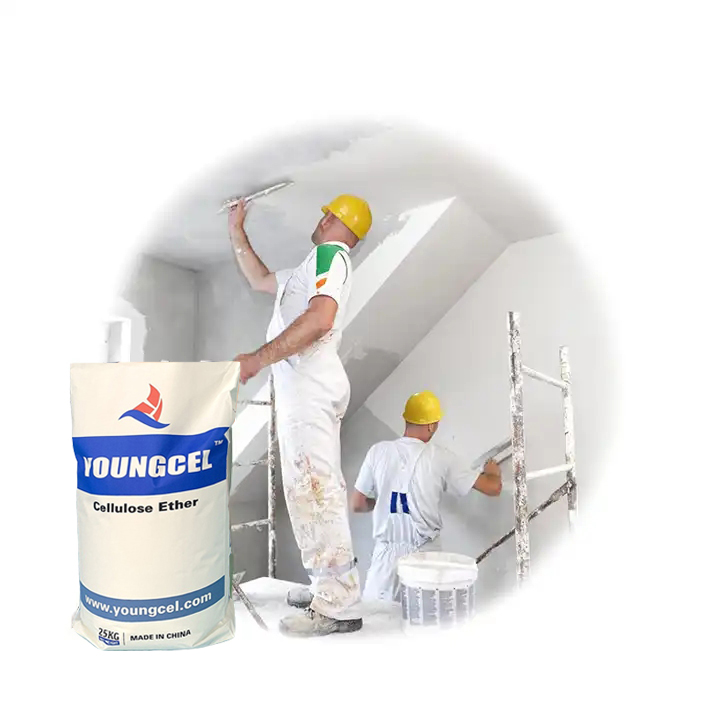
Incorporating cellulose powder into construction adhesives to enhance flexibility and water retention, critical for seismic-resistant buildings in Santiago.

3. Agricultural Hydrogels

Applying methyl cellulose in soil-conditioning agents to combat drought in the Central Valley, improving water delivery to crops.

4. Industrial Coating for Marine Assets

Using additive powder in anti-corrosive coatings for shipping ports in Valparaíso to prevent salt-water degradation.

5. Pharmaceutical Excipients

Employing pharmaceutical-grade hpmc cellulose for controlled-release drug delivery systems manufactured in Chile's growing biotech hubs.

Brand Story

Global Development Journey of Shijiazhuang Gaocheng Yongfeng Cellulose Co., Ltd.

Foundation and Vision

Founded with a mission to solve the instability of industrial thickeners, we focused on the purity of cellulose ether synthesis from day one.

Technological Breakthrough

Developed a proprietary etherification process that significantly reduced impurities, setting a new standard for industry-grade cellulose.

Global Market Expansion

Extended our footprint into the South American market, tailoring our products to meet the rigorous demands of the Chilean industrial sector.

Sustainability Integration

Implemented green manufacturing protocols to ensure our cellulose powders are produced with minimal environmental impact.

Industry Leadership

Now recognized as a leading global supplier, providing critical additives that power the manufacturing efficiency of partners worldwide.

Chilean Industrial FAQ

Expert answers regarding the application of cellulose ethers in Chile.

How does hpmc industry grade behave in high-salinity mining waters?

Our industry-grade HPMC is engineered to maintain its rheological properties even in the presence of high mineral concentrations, preventing premature sedimentation in mining reagents.

What is the best cellulose powder for seismic-resistant construction in Santiago?

We recommend a high-viscosity HPMC grade that maximizes water retention, ensuring that mortars cure slowly and maintain the flexibility required for seismic zones.

Can methyl cellulose improve agricultural water retention in the Atacama?

Yes, methyl cellulose acts as a powerful hydrocolloid, reducing water evaporation and ensuring a steady supply of moisture to plant roots in arid conditions.

How to optimize the mixing of additive powder in large industrial batches?

We suggest using a high-shear mixer and gradual addition to avoid the formation of "fish-eyes," ensuring a homogeneous dispersion throughout the mixture.

Is hpmc cellulose compliant with Chilean environmental regulations?

Absolutely. Our products are biodegradable and non-toxic, meeting all international and local Chilean standards for industrial chemical safety.

What is the shelf life of cellulose ethers under Chilean coastal humidity?

When stored in original airtight packaging in a cool, dry warehouse, our cellulose ethers remain stable for 24 months, regardless of coastal humidity.

Optimize Your Production Today

Contact our technical team for customized cellulose solutions delivered directly to your facility in Chile.

Contact Us Now

If you are interested in our products, you can choose to leave your information here, and we will be in touch with you shortly.