High-Performance methyl cellulose Solutions for Colombia's Industrial Sector

Providing advanced rheology control and stability for the Colombian chemical manufacturing and construction markets.

Industrial Cellulose Landscape in Colombia

Analyzing the synergy between chemical additives and Colombia's unique environmental challenges.

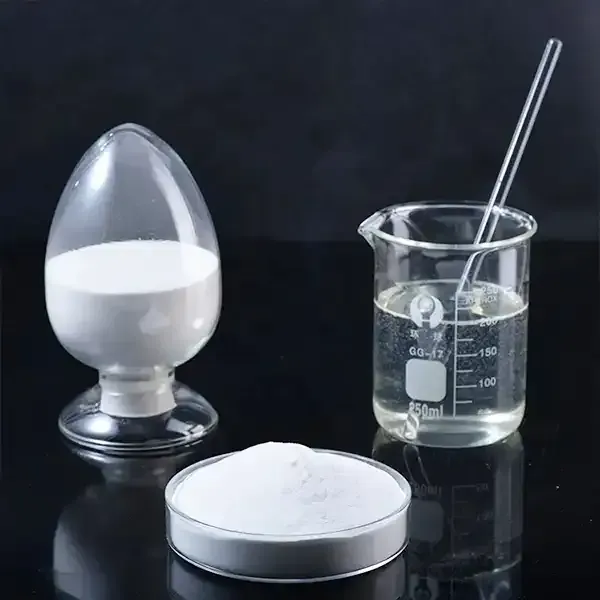
In Colombia, the manufacturing of specialty chemicals is heavily influenced by the country's varied topography and tropical climate. The demand for hpmc cellulose has surged as local industries seek materials that can withstand high humidity and temperature fluctuations common in regions like Bogotá and Medellín.

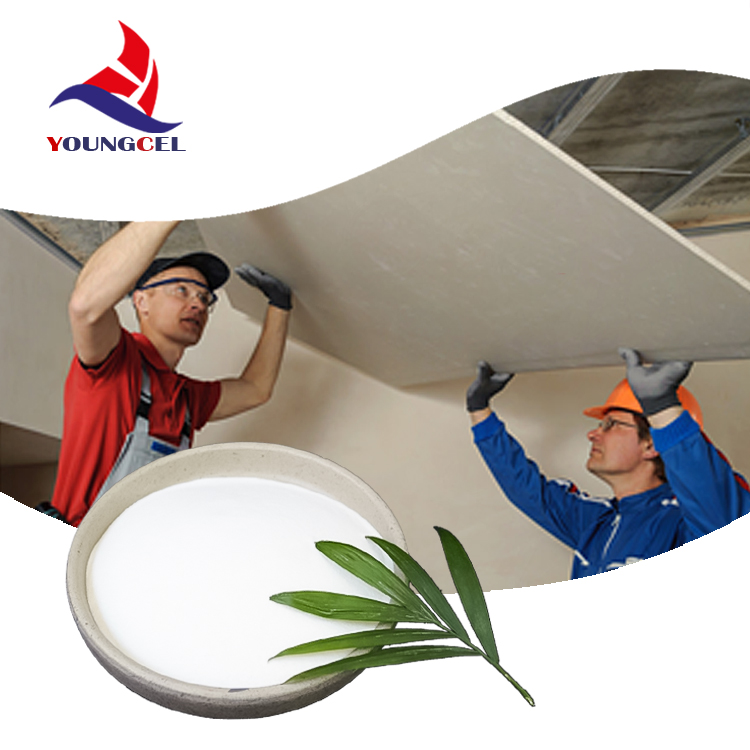
The local construction and adhesive industries rely heavily on cellulose powder to improve the workability of mortars and plasters. Due to the seismic activity in the Andean region, there is a critical need for additives that ensure structural bonding and prevent premature drying of cementitious materials.

Furthermore, the Colombian chemical sector is transitioning toward more sustainable, bio-based additive powder solutions. This shift is driven by stricter environmental regulations and a growing industrial preference for non-toxic, biodegradable thickeners in personal care and pharmaceutical applications.
Evolution of Cellulose Technology in Colombia

From basic thickening agents to high-precision industrial grade polymers.

Market Development History

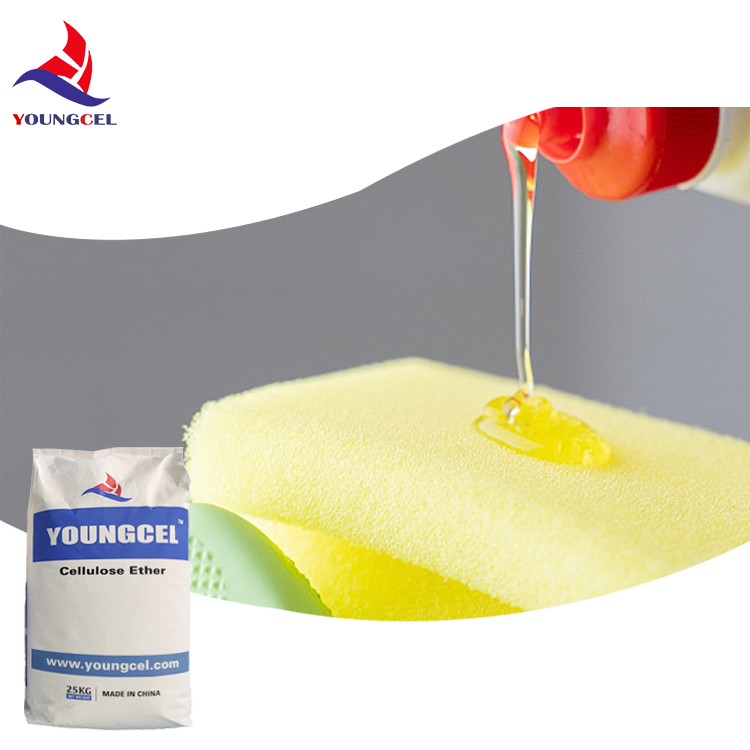
During the 1990s, the Colombian market primarily utilized basic starches and simple gums for viscosity control. The introduction of hpmc industry grade products in the early 2000s marked a pivotal shift, allowing manufacturers to achieve consistent quality regardless of raw material variability.

By 2010, the adoption of modified cellulose ethers accelerated. This era saw the integration of tailored viscosity grades that specifically addressed the "open time" requirements of the Colombian construction boom, reducing waste and improving application efficiency.

In the last five years, the market has evolved toward "smart" additives. The focus has shifted from simple thickening to multi-functional properties, including improved salt tolerance and precise thermal gelation points for specialized chemical coatings.

Future Development Trends

Eco-Friendly Synthesis

A move toward solvent-free production and sustainable sourcing of raw cellulose to align with Colombia's Green Growth policy.

Nanocellulose Integration

Integrating nano-scale cellulose fibers with traditional ethers to create ultra-high-strength composites for the aerospace and automotive parts industry.

Digitalized Grade Customization

The use of AI-driven formulation to create bespoke viscosity profiles tailored to specific Colombian micro-climates.

Strategic Outlook for Fine Chemical Additives

Predicting the trajectory of high-performance polymers in South America.

Sustainable Sourcing
Increasing demand for certified sustainable cellulose sources to meet global ESG standards.
Precision Viscosity
Development of ultra-narrow molecular weight distributions for high-end pharmaceutical grades.
Climate Adaptation
Optimizing thermal stability to prevent degradation in Colombia's coastal heat zones.
Smart Delivery
Implementing JIT logistics to reduce warehouse moisture exposure for powder products.

Industry Outlook

Google Search trends indicate a rising interest in "bio-based polymers" and "sustainable thickeners" within the Andean region. This suggests that the next 3-5 years will be dominated by the shift toward green chemistry, where efficiency must be balanced with ecological footprint.

We anticipate a consolidation of the supply chain, where manufacturers in Colombia will prefer integrated suppliers who can provide not just the raw powder, but the technical formulation support to optimize water retention in tropical environments.

Localized Application Scenarios in Colombia

Real-world implementations of cellulose ethers in the Colombian industrial sector.

1. High-Rise Construction in Bogotá

Utilizing high-viscosity cellulose to ensure the stability of vertical mortars in high-altitude, low-pressure environments, preventing sagging and shrinkage.

2. Coastal Adhesive Formulations in Cartagena

Applying specialized grades that resist salt-air degradation and maintain strong adhesion despite extreme humidity and saline exposure.

3. Pharmaceutical Gel Production in Medellín

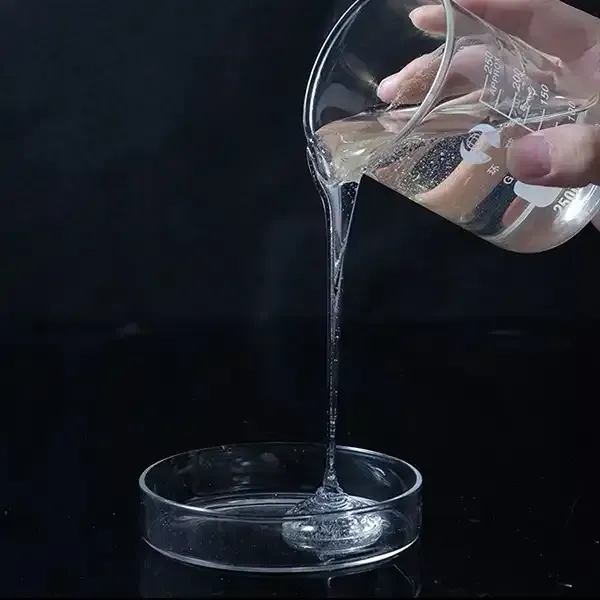
Using pharmaceutical-grade ethers to create stable, clear gels for the growing local dermaceutical industry, ensuring precise drug release profiles.

4. Agro-Chemical Thickening for Coffee Plantations

Developing suspension agents for liquid fertilizers that ensure uniform coating on leaves, reducing runoff during heavy tropical rains.

5. Industrial Paint Coatings for Andean Infrastructure

Implementing rheology modifiers that prevent pigment settlement and ensure smooth application on concrete bridges across the mountain ranges.

Brand Story

Global Development Journey of Shijiazhuang Gaocheng Yongfeng Cellulose Co., Ltd.

Foundational Excellence

Established with a mission to solve the instability of industrial thickeners, focusing on the purity of cellulose derivatives.

Technical Breakthroughs

Developed proprietary etherification processes to ensure consistent viscosity across large-scale industrial batches.

Global Expansion

Expanded reach into South American markets, tailoring product grades to meet the unique climatic needs of Colombia.

Quality Standardization

Achieved international certifications, ensuring that every bag of powder meets global pharmaceutical and industrial standards.

Future Vision

Leading the transition toward bio-degradable chemistry to empower a greener industrial future worldwide.

Common Questions on Industrial Cellulose in Colombia

Expert answers to the most frequent technical queries from the local market.

How does high humidity in Colombia affect the storage of hpmc cellulose?

High humidity can lead to caking. We recommend moisture-proof packaging and climate-controlled warehousing to maintain the free-flowing nature of the powder.

Which methyl cellulose grade is best for Colombian coastal construction?

We recommend grades with higher thermal stability and enhanced water retention to compensate for the rapid evaporation rates in coastal heat.

What is the difference between cellulose powder and industry grade HPMC?

Cellulose powder is a general term, while hpmc industry grade refers to a specific chemical modification designed for high-stress industrial applications like detergents or construction.

Can additive powder be customized for specific Colombian salt-water environments?

Yes, we can adjust the substitution degree of the cellulose ether to increase its tolerance to electrolytes and salts common in maritime regions.

How do I optimize the mixing process for cellulose in tropical temperatures?

Using a gradual addition method with high-shear mixing prevents the formation of lumps, which is more common when mixing in warmer climates.

Is your HPMC compatible with local Colombian cement types?

Absolutely. Our products are tested against various Portland cement variations to ensure optimal rheology and bonding strength.

Connect With Our Technical Experts

Get a custom formulation for your industrial needs in Colombia. Our team is ready to help you optimize your production.

Contact Us Now

If you are interested in our products, you can choose to leave your information here, and we will be in touch with you shortly.