
High-Performance methyl cellulose Solutions for Ecuador's Industrial Growth

Providing precision-engineered cellulose ethers to optimize rheology and stability in Ecuador's diverse manufacturing sectors.

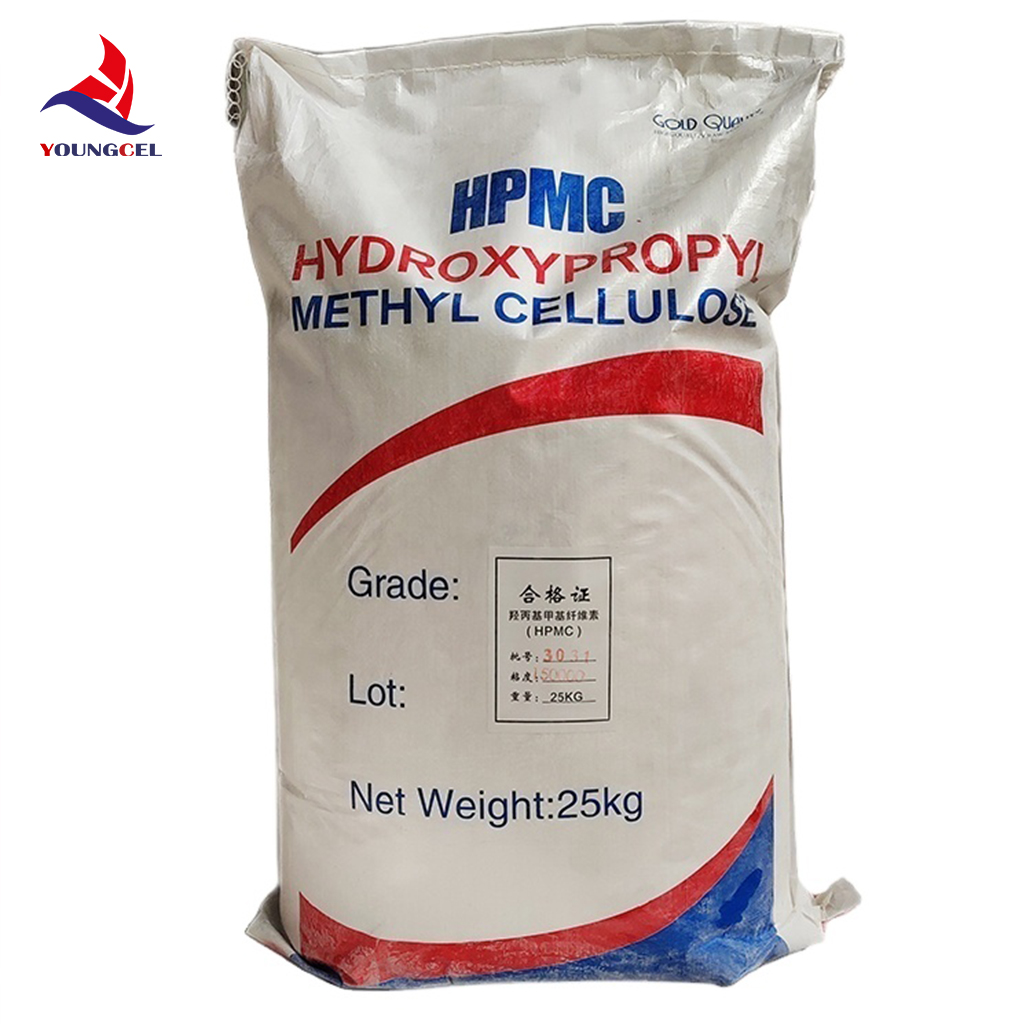
Analyzing the hpmc industry grade Landscape in Ecuador

Addressing the challenges of humidity and temperature in Andean and Coastal manufacturing.

In Ecuador, the specialty chemical sector faces unique challenges due to the extreme climatic diversity between the humid coastal regions and the high-altitude Andean plateau. The demand for high-stability additive powder has surged as local manufacturers seek to maintain product consistency across these varied environmental conditions.

Currently, the Ecuadorian market is transitioning from generic imports to high-specification chemicals. Industries ranging from construction to pharmaceuticals are increasingly requiring hpmc cellulose with specific viscosity grades to prevent sagging in high-humidity environments and ensure precise delivery in dry climates.

Economic shifts towards sustainable infrastructure in Quito and Guayaquil have pushed local producers to optimize their formulations. This has created a critical need for high-purity cellulose powder that can integrate seamlessly with local raw materials while reducing overall production costs.
Evolution and Trajectory of Cellulose Technology in Ecuador

From basic thickening agents to intelligent molecular design.

Market Development History

During the early 2000s, the Ecuadorian market relied heavily on basic starch-based thickeners. However, by 2010, the introduction of industrial-grade methyl cellulose marked a pivot toward synthetic modification, providing better stability and microbial resistance for the region's industrial applications.

Between 2015 and 2020, there was a significant shift toward HPMC. Manufacturers realized that the hydroxypropyl modification offered superior solubility and thermal gelation properties, which were essential for the high-performance mortars and paints used in Ecuador's booming urban expansion.

Today, the focus has shifted toward "precision grading." The industry no longer seeks a one-size-fits-all powder but requires customized viscosity and substitution levels to meet the specific rheological needs of South American industrial standards.

Future Development Trends

Sustainable Bio-Polymer Integration

Predicting a shift toward carbon-neutral cellulose sourcing, aligning with Ecuador's national environmental goals and global green chemistry trends.

Smart Viscosity Response

Development of additives that automatically adjust rheology based on the ambient temperature fluctuations common in the Andean regions.

Nano-Cellulose Hybridization

Integration of nano-cellulose with traditional HPMC to enhance mechanical strength in lightweight construction materials.

Industry Outlook and Future Prospects for Ecuador

Strategic forecasts based on Google search trends and regional economic data.

Eco-Friendly Certification
Rapid increase in demand for biodegradable and non-toxic additive powders to comply with EU and US export standards.
Digital Formulation Optimization
Using AI-driven tools to calculate the exact HPMC dosage for different Ecuadorian soil and climate types.
High-Viscosity Specialization
Growth in demand for ultra-high viscosity grades for specialized industrial coatings and heavy-duty adhesives.
Regional Logistics Hubs
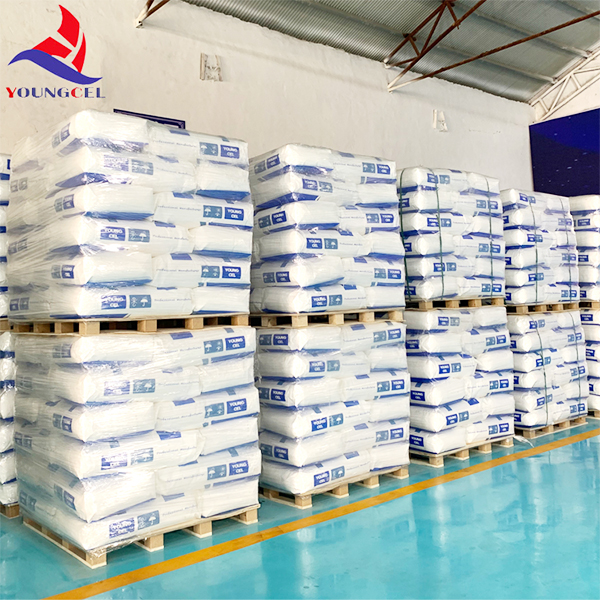
Establishing localized distribution centers in Guayaquil to reduce lead times for critical cellulose shipments.

Industry Outlook

Based on Google search trend data for the South American region, there is a marked increase in queries regarding "sustainable additives" and "industrial grade cellulose." This indicates that Ecuadorian manufacturers are moving away from low-cost, low-quality fillers toward high-performance functional polymers.

The next 3-5 years will likely see the integration of cellulose ethers with other synergistic polymers to create "hybrid" additive systems. This will allow Ecuadorian industries to achieve higher efficiency in water retention and open-time for construction materials, significantly reducing waste in tropical climates.

Localized Applications in Ecuador

Tailored cellulose solutions for regional industrial challenges.

01. Coastal Humidity-Resistant Mortars

Using high-grade HPMC to enhance water retention in cement-based mortars used in Guayaquil, preventing rapid dehydration caused by coastal heat and salt air.

02. Andean High-Altitude Adhesives

Specialized methyl cellulose formulations that maintain consistent viscosity at the lower atmospheric pressures and cooler temperatures of the Quito highlands.

03. Tropical Agriculture Chemical Carriers

Application of cellulose powder as a stabilizing agent for liquid fertilizers and pesticides, ensuring uniform spray distribution across Ecuadorian plantations.

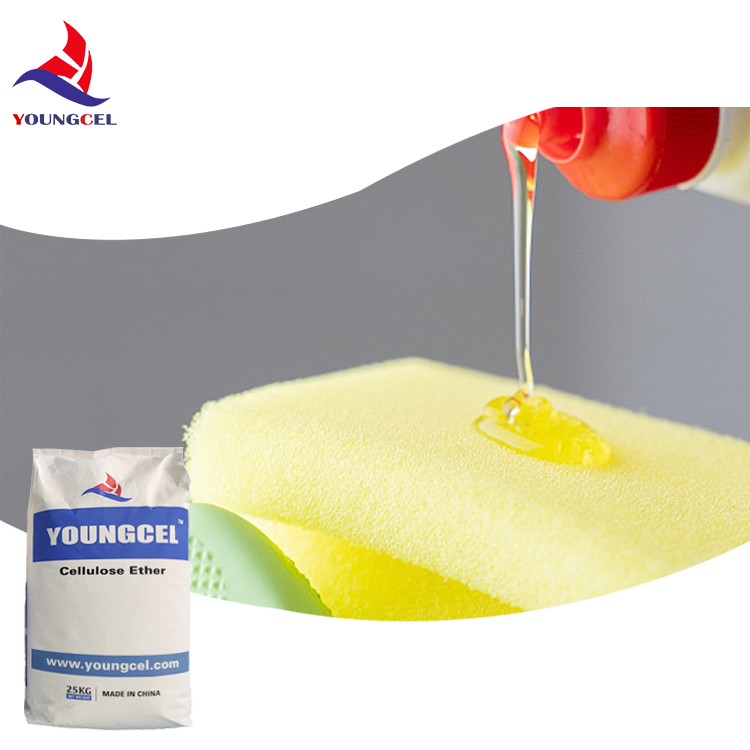
04. Industrial Detergent Thickening

Utilizing industry-grade additive powder to create high-stability surfactants and cleaners for the growing industrial parks in the region.

05. Pharmaceutical Grade Excipients

Providing high-purity HPMC for the local pharmaceutical manufacturing sector to improve tablet binding and controlled-release mechanisms.

Brand Story

Global Development Journey of Shijiazhuang Gaocheng Yongfeng Cellulose Co., Ltd.

Foundational Excellence

Established with a focus on pure cellulose chemistry, we began by solving basic thickening problems for regional manufacturers through rigorous R&D.

Technological Breakthrough

We mastered the etherification process, allowing us to produce HPMC and MHEC with precise substitution levels, meeting international industry standards.

Global Market Expansion

Expanding our footprint into South America, we adapted our products to meet the specific environmental challenges of markets like Ecuador.

Quality Certification Era

Achieving global quality certifications, ensuring that every batch of our additive powder provides consistent performance for industrial clients.

Future-Ready Innovation

Today, we lead in creating sustainable, high-performance cellulose solutions that empower the global manufacturing industry to be more efficient.

Industrial FAQ for Ecuador

Technical answers for professional cellulose application.

How does hpmc cellulose perform in high-humidity coastal areas of Ecuador?

Our HPMC is designed to maximize water retention, which prevents the premature drying of mortars and adhesives in humid coastal climates, ensuring better adhesion and structural integrity.

What is the difference between hpmc industry grade and pharmaceutical grade?

Industry grade is optimized for rheology and stability in construction and paints, while pharmaceutical grade meets strict purity and biocompatibility standards for drug delivery.

Can methyl cellulose be used as a replacement for starch in industrial thickeners?

Yes, it offers superior thermal stability and microbial resistance compared to starch, making it ideal for products stored in varying Ecuadorian temperatures.

How should cellulose powder be stored to avoid clumping in humid climates?

It should be stored in a cool, dry, well-ventilated warehouse in airtight packaging to prevent moisture absorption and ensure easy dispersion during mixing.

What additive powder is best for improving the open time of tile adhesives?

High-viscosity HPMC is the best choice, as it creates a stable gel network that retains water, extending the workable time for installers in warm climates.

Are your cellulose products compatible with local Ecuadorian minerals?

Yes, our products are chemically neutral and designed to be compatible with a wide range of regional minerals and aggregates used in South American manufacturing.

Optimize Your Industrial Formulation

Contact our technical team for customized cellulose solutions tailored specifically for the manufacturing environment in Ecuador.

Contact Us Now

If you are interested in our products, you can choose to leave your information here, and we will be in touch with you shortly.