




HPMC Used in Construction: A Comprehensive Guide
Hydroxypropyl Methylcellulose (HPMC) is a versatile cellulose ether increasingly vital in modern construction. Its unique properties enhance workability, water retention, and adhesion in various building materials. This article explores the diverse applications of HPMC in construction, detailing its benefits and best practices. From tile adhesives to self-leveling compounds, understanding HPMC's role is crucial for achieving high-quality construction results. We’ll cover its chemical properties and how they translate to real-world performance improvements.

What is HPMC and Why is it Important?
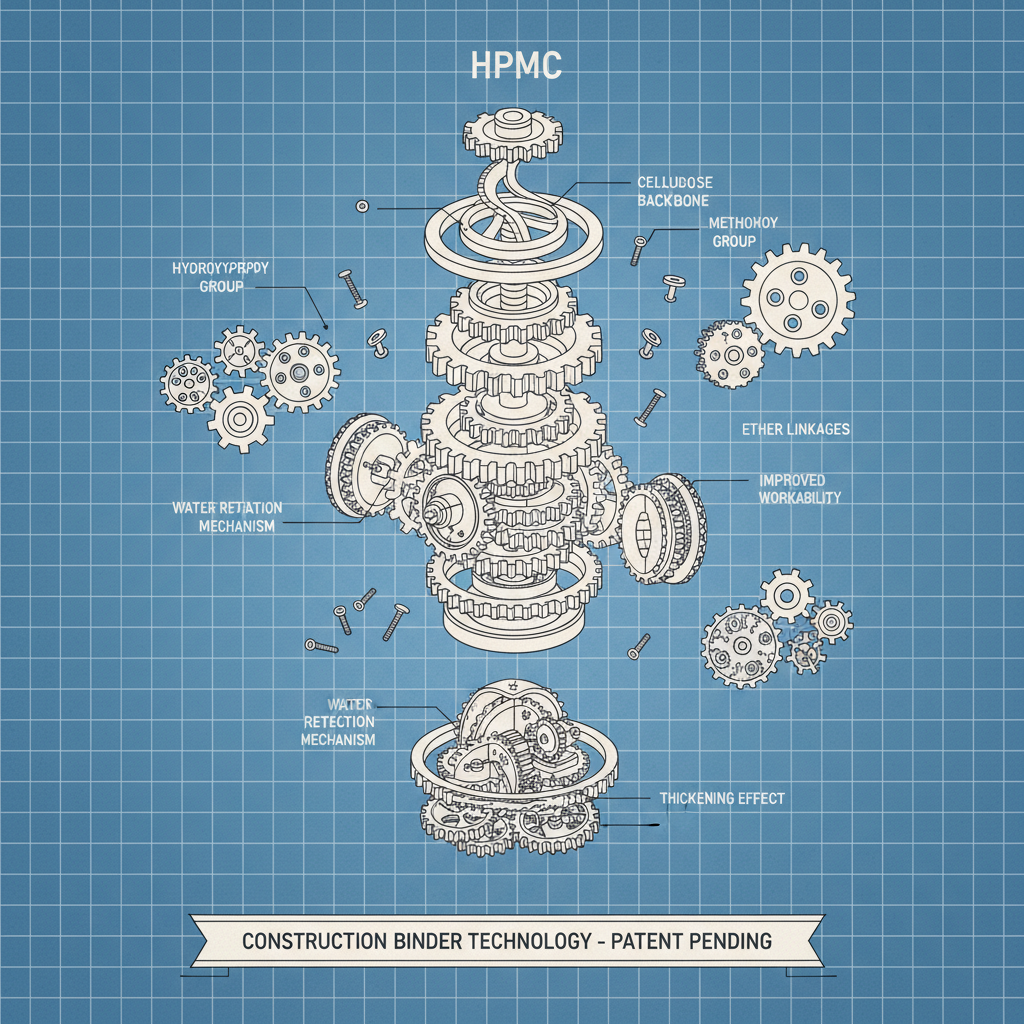
HPMC is a non-ionic cellulose ether derived from cellulose. It’s produced by chemically modifying cellulose with methyl and hydroxypropyl groups. This modification imparts water solubility and unique rheological properties. In construction, HPMC acts as a thickener, binder, film-former, and protective colloid. Its ability to retain water prevents premature drying of cementitious materials, enhancing hydration and strength development. Furthermore, it improves adhesion between components, leading to more durable structures. Youngcel’s HPMC is specifically designed to meet the demanding requirements of the construction industry.
Key Benefits: Improved water retention, enhanced workability, increased adhesion, prevention of cracking, and improved consistency in construction materials.
Applications of HPMC in Construction
HPMC finds diverse applications throughout the construction process. It's a critical ingredient in tile adhesives, providing excellent bond strength and preventing slippage. In cement-based plasters, it improves workability and reduces cracking. Self-leveling compounds benefit from HPMC’s ability to control viscosity and prevent segregation. Furthermore, it’s used in joint fillers, repair mortars, and external wall insulation systems (EWIS). The versatility of HPMC makes it an indispensable additive for a wide range of construction applications.
Common Applications:
• Tile Adhesives
• Cement-based Plasters
• Self-Leveling Compounds
• Joint Fillers
• Repair Mortars
HPMC in Tile Adhesives: Enhancing Bond Strength
Tile adhesives require excellent adhesion and workability. HPMC plays a crucial role in achieving these properties. It improves the open time of the adhesive, allowing for adjustments during tile installation. The increased water retention prevents the adhesive from drying out too quickly, ensuring proper hydration and bond formation. Additionally, HPMC enhances the sag resistance of the adhesive, preventing tiles from slipping. Using a high-quality HPMC, like those offered by Youngcel, leads to more reliable and long-lasting tile installations.
Choosing the Right HPMC Grade: Considerations and Specifications
Selecting the appropriate HPMC grade is essential for optimal performance. Different grades vary in viscosity, molecular weight, and degree of substitution. Viscosity affects the thickening ability, while molecular weight influences water retention and film formation. The degree of substitution dictates the solubility and compatibility with other construction materials. Youngcel offers a range of HPMC grades specifically formulated for various construction applications. Consult with our technical team to determine the best grade for your specific needs.
Conclusion: HPMC – A Cornerstone of Modern Construction
HPMC is an invaluable additive that significantly enhances the performance of various construction materials. From improving workability and water retention to increasing adhesion and preventing cracking, its benefits are numerous. By choosing high-quality HPMC from a reliable supplier like Youngcel, you can ensure consistent, durable, and high-quality construction results.
Frequently Asked Questions (FAQs)
What is the typical dosage of HPMC in tile adhesives?
The typical dosage of HPMC in tile adhesives ranges from 0.5% to 2% by weight of the dry mix. The optimal dosage depends on the type of cement, aggregate, and desired performance characteristics. Higher dosages generally result in increased water retention and workability, but can also affect setting time. It's always recommended to conduct trial mixes to determine the ideal dosage for your specific formulation.
Is HPMC environmentally friendly?
Yes, HPMC is considered environmentally friendly. It is derived from cellulose, a renewable resource, and is biodegradable. It doesn't release harmful volatile organic compounds (VOCs) during application and is generally regarded as safe for both workers and the environment.
How should HPMC be stored?
HPMC should be stored in a cool, dry, and well-ventilated area, away from direct sunlight and moisture. Proper storage is crucial to maintain its quality and prevent clumping. Keep the packaging tightly sealed when not in use.
-
Industrial Guide to High Performance Ceramic Adhesives UseNewsApr.16,2026
-
Ultimate Guide to Choosing the Right Cement Wall PaintNewsApr.09,2026
-
Comprehensive Guide to Cement Thickeners for Construction and Oil DrillingNewsApr.07,2026
-
Optimizing Construction with Advanced Cement Mortar Additive SolutionsNewsApr.04,2026
-
Understanding Cement Glue for Construction and DIY ProjectsNewsMar.31,2026
-
Effective Cement Dissolver Chemical Solutions for Construction and IndustryNewsMar.28,2026