




Understanding Cement Mortar Additive: A Comprehensive Guide
Cement mortar is a fundamental building material, but its performance can be significantly enhanced with the right additives. These additives modify the properties of the mortar, improving workability, strength, durability, and other key characteristics. This article will explore the world of cement mortar additives, covering their types, benefits, and applications. Choosing the appropriate additive is crucial for achieving optimal results in construction projects, leading to longer-lasting and more robust structures. We’ll also discuss how Youngcel provides solutions for optimizing your mortar mixes.
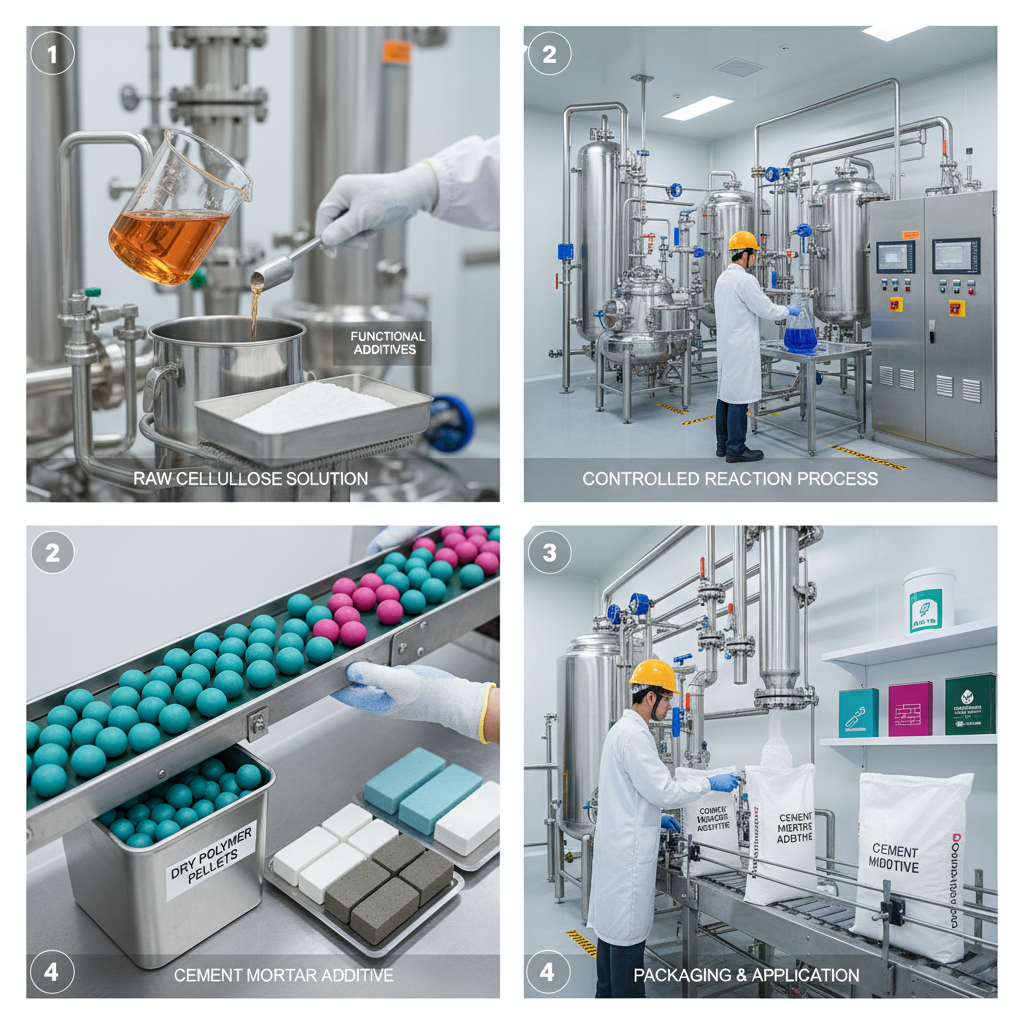
What are Cement Mortar Additives?
Cement mortar additives are materials added to the cement-sand-water mixture to alter its properties. They are typically used in small quantities, but their impact can be substantial. Additives are categorized based on their function – some improve workability, others enhance strength, and still others provide specific characteristics like water resistance. These additions are essential for addressing specific project requirements and environmental conditions. Without the right additives, achieving desired performance characteristics can be challenging, especially in demanding construction scenarios.
Key Benefit: Optimizing mortar performance with specific additives can dramatically improve project efficiency and the longevity of the structure.
Types of Cement Mortar Additives
There's a wide array of cement mortar additives available, each serving a different purpose. Here's a breakdown of some common types:
- Water Reducers: Increase workability without adding extra water, leading to higher strength.
- Air-Entraining Agents: Create tiny air bubbles, improving freeze-thaw resistance.
- Accelerators: Speed up the setting and hardening process, useful in cold weather.
- Retarders: Slow down the setting process, useful in hot weather or for large pours.
- Waterproofing Agents: Reduce water permeability, improving resistance to moisture damage.
- Bonding Agents: Enhance the adhesion between mortar and the substrate.
The Benefits of Using Cement Mortar Additives
Using the right cement mortar additives offers numerous benefits:
- Improved Workability: Easier to mix, place, and finish.
- Increased Strength: Higher compressive and flexural strength.
- Enhanced Durability: Greater resistance to weathering, chemicals, and abrasion.
- Reduced Permeability: Better protection against water and other harmful substances.
- Cost Savings: Optimized material usage and reduced repair needs.
Key Advantages of Additives:
• Optimize performance and lifespan of mortar.
• Address specific environmental conditions and project needs.
• Reduce long-term maintenance costs.
Comparing Common Cement Mortar Additives
Choosing the right additive depends on the specific needs of your project. Here’s a comparison of a few key types:
Youngcel: Your Partner for High-Performance Mortar Solutions
At Youngcel, we specialize in providing innovative cement mortar additives designed to optimize performance and durability. Our range of products includes water reducers, bonding agents, and specialized additives for various applications. We work closely with our clients to understand their unique needs and deliver tailored solutions that meet their specific requirements. We are committed to quality and continuous improvement, ensuring that our additives consistently deliver exceptional results.

Conclusion: Enhance Your Mortar, Enhance Your Structures
Selecting the right cement mortar additive is a critical step in any construction project. By understanding the different types of additives and their benefits, you can achieve optimal mortar performance, resulting in stronger, more durable, and longer-lasting structures. Youngcel is dedicated to providing high-quality additives and expert support to help you achieve your construction goals.
Frequently Asked Questions (FAQs)
What is the correct dosage for cement mortar additives?
The correct dosage of a cement mortar additive varies depending on the type of additive, the cement type, and the desired properties of the mortar. It’s crucial to follow the manufacturer's recommendations provided on the product packaging or technical data sheet. Overdosing or underdosing can negatively impact the mortar's performance. For example, using too much water reducer can lead to segregation, while too little might not achieve the desired workability. At Youngcel, we provide detailed guidance on optimal dosages for all our products.
Can cement mortar additives be mixed with other admixtures?
Mixing cement mortar additives with other admixtures is possible, but it requires careful consideration. Compatibility issues can arise, potentially leading to undesirable reactions or reduced effectiveness. Always check the compatibility information provided by the manufacturers of both admixtures before mixing them. It’s best to conduct a small-scale trial mix to assess compatibility and ensure the desired properties are achieved. Consulting with a material expert is recommended when combining multiple admixtures.
How do I store cement mortar additives?
Proper storage is essential to maintain the quality and effectiveness of cement mortar additives. Store additives in a cool, dry, and well-ventilated area, away from direct sunlight, heat sources, and moisture. Keep containers tightly sealed to prevent contamination and absorption of moisture. Follow the manufacturer’s storage recommendations, as some additives may have specific temperature or humidity requirements. Ensure the storage area is protected from freezing temperatures, as freezing can damage some additives.
What are the environmental considerations when using cement mortar additives?
Environmental considerations are increasingly important in construction. When choosing cement mortar additives, look for products that are low in volatile organic compounds (VOCs) and environmentally friendly. Consider additives that contribute to sustainable construction practices, such as reducing cement content or improving durability, thereby extending the lifespan of structures. Always follow local regulations regarding the handling and disposal of additives. Youngcel is committed to developing environmentally responsible additives.
-
Industrial Guide to High Performance Ceramic Adhesives UseNewsApr.16,2026
-
Ultimate Guide to Choosing the Right Cement Wall PaintNewsApr.09,2026
-
Comprehensive Guide to Cement Thickeners for Construction and Oil DrillingNewsApr.07,2026
-
Optimizing Construction with Advanced Cement Mortar Additive SolutionsNewsApr.04,2026
-
Understanding Cement Glue for Construction and DIY ProjectsNewsMar.31,2026
-
Effective Cement Dissolver Chemical Solutions for Construction and IndustryNewsMar.28,2026