



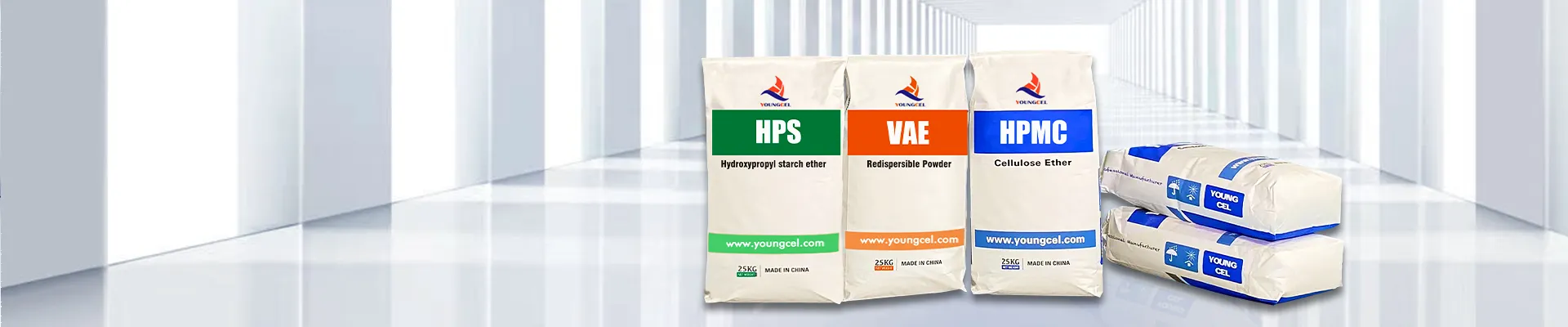
Understanding VAE Powder: A Quiet Revolution in Industry and Beyond
VAE powder might sound like a niche chemical product, but its impact stretches from advanced coatings to humanitarian supply chains. What is it exactly, and why should anyone outside the chemistry labs or procurement offices care? Well, this little powder packs versatile power—helping create better adhesives, paints, and even aiding in resilient construction materials. Grasping the properties and applications of vae powder offers a glimpse into how modern industry solves age-old problems: durability, cost efficiency, and sustainability.
The Global Context: Why Does VAE Powder Matter Today?
Globally, the demand for flexible, high-performance polymers is exploding. According to the International Organization for Standardization (ISO), industries are pushing toward materials that are more sustainable yet versatile. VAE powder, or Vinyl Acetate Ethylene powder, fits this bill perfectly. It’s a copolymer often used in adhesives, paints, and coatings worldwide.
In regions facing rapid urbanization or recurrent natural disasters — like Southeast Asia or parts of Africa — the ability to quickly deploy materials that can withstand harsh environments is vital. Here, vae powder enters the scene acting as a key ingredient in solutions that are lightweight, durable, and adaptable, which is why UN development agencies and contractors often source materials based on these polymer powders.
Mini takeaway: VAE powder is not just a material; it represents a response to global industrial demands for smarter, more sustainable products.
What Is VAE Powder? Breaking It Down
Simply put, vae powder is the powdered form of vinyl acetate-ethylene, a copolymer that combines vinyl acetate and ethylene monomers. Its polymeric structure lends itself to diverse industrial uses, mainly in adhesives and coatings where flexibility and water resistance are a must.
In practical terms, transforming VAE into a powder allows better handling, storage, and blending into formulations—crucial for industries from construction to packaging. It’s also part of a broader push toward dry polymer forms that cut down shipping weight and increase shelf life.
Core Features Defining VAE Powder
Durability
Many engineers swear by VAE powder’s ability to enhance the durability of adhesives and paints under wet, cold, or hot conditions. Its copolymer nature provides elasticity that prevents cracking – a real boon in both building materials and flexible packaging.
Scalability
Because it’s a powder, it can be integrated into production lines at scale, ensuring consistent quality without the logistical headaches of handling bulk liquids. This adds up to smoother manufacturing processes and cost savings.
Cost Efficiency
Compared to liquid emulsions, powdered versions reduce transportation weight significantly. This leads to lower freight costs and smaller carbon footprints — factors industries increasingly factor into procurement decisions.
Eco-friendliness
Oddly enough, powders avoid many water-borne emissions linked with liquid polymers. Combined with emerging green synthesis techniques, VAE powder supports a greener materials economy.
Compatibility
The powder interacts well with other polymers and additives, making it wildly versatile as a component in complex formulations across adhesives, sealants, paints, and even textile finishes.
Mini takeaway: Durability and sustainability don’t have to oppose each other; vae powder strikes a practical balance.
Global Applications and Use Cases of VAE Powder
- Post-Disaster Relief: In areas hit by floods or earthquakes, rapid deployment of resilient shelter and sealants often depends on VAE-enhanced products that withstand weather extremes.
- Construction and Renovation: European and North American builders use VAE powder-based adhesives to improve bonding strength without sacrificing flexibility.
- Packaging Industry: From food to medical supplies, VAE formulations protect contents with moisture barriers and adhesion stability.
- Industrial Coatings: In industrial zones of China and India, VAE powders help create paints that resist chemical and environmental wear.
Mini takeaway: Whether in fragile ecosystems or booming urban centers, vae powder quietly supports vital infrastructure.
Advantages & Long-Term Value of Using VAE Powder
The tangible benefits include reduced costs, improved product longevity, and less environmental impact. On an emotional level, it fosters trust — knowing that products and shelters made with VAE powder stand firm under pressure. It’s reassuring, really, to think that something as simple as a polymer powder contributes to safety and dignity, especially in crisis situations.
Long term, it's the innovation factor too — manufacturers can continuously tweak VAE formulations to optimize for ever-evolving challenges, staying ahead of the curve.
What’s Next? Future Trends in VAE Powder Technology
Looking ahead, there’s a buzz about bio-based monomers and greener production processes that will make VAE powders even more sustainable. Automation in polymer blending, along with digital supply chains, is also shaping faster product rollouts globally.
And then, there’s the push towards multifunctional powders that don’t just glue or coat but also add UV protection or self-healing properties—no small feat, but the polymer chemists say it’s on the radar.
Challenges & Innovative Solutions
Despite its strengths, VAE powder faces challenges like formulation stability in humid environments or compatibility with emerging bio-polymers. Researchers are actively experimenting with additives that enhance moisture resistance or blending techniques that preserve powder flowability — things that sound obscure but make a world of difference in real production plants.
FAQ: Frequently Asked Questions About VAE Powder
- Q: What makes VAE powder better than liquid emulsions?
- A: VAE powder reduces transportation weight and storage needs significantly. Plus, it's easier to blend during manufacturing, reducing contamination risks.
- Q: How long can products containing VAE powder last in harsh conditions?
- A: With proper formulation, these products often last several years, maintaining adhesion and flexibility even under temperature or moisture stress.
- Q: Is VAE powder environmentally friendly compared to alternatives?
- A: Generally yes, especially as green synthesis improves. Powders emit fewer volatile organic compounds (VOCs) and reduce water usage during processing.
- Q: Can VAE powder be customized for specialized industrial applications?
- A: Absolutely. Manufacturers can tweak monomer ratios and additives to tailor properties like tackiness, drying time, and flexibility.
- Q: How can organizations source high-quality VAE powder internationally?
- A: Reliable vendors offer quality certifications and compliance documentation. Partnering with experienced distributors helps navigate import regulations efficiently.
VAE Powder Product Specification Table
| Parameter | Typical Value | Units |
|---|---|---|
| Vinyl Acetate Content | 70 ± 2 | % |
| Particle Size | 10 - 40 | microns |
| Bulk Density | 400 - 500 | kg/m³ |
| Glass Transition Temp (Tg) | -15 to -5 | °C |
| Molecular Weight (Mw) | 350,000 - 450,000 | g/mol |
Comparison of Leading VAE Powder Suppliers
| Supplier | Quality Certifications | Global Reach | Bulk Packaging Options | Sustainability Initiatives |
|---|---|---|---|---|
| PolyChem Global | ISO 9001, REACH | Asia, Europe, Americas | 25kg Bags, Big Bags | Green polymer R&D |
| VinylTech Supplies | ISO 14001, GMP | Worldwide | 20kg Bags, Bulk Tanks | Sustainable sourcing |
| EcoPolymer Inc. | ISO 50001, OEKO-TEX | Europe, North America | 15kg Bags, Recyclable | Bio-based polymer research |
The Final Takeaway
What stands out about vae powder is its unassuming presence behind some of the most resilient and innovative products around. From construction sites to disaster zones, it’s helping industries tackle complexity with a solution that’s straightforward yet adaptable.
If you’re curious about integrating vae powder into your next project or simply want to understand its potential better, I recommend visiting vae powder specialists at Youngcel. They’re an excellent resource with deep technical knowledge and global supply capabilities.
References
-
Industrial Guide to High Performance Ceramic Adhesives UseNewsApr.16,2026
-
Ultimate Guide to Choosing the Right Cement Wall PaintNewsApr.09,2026
-
Comprehensive Guide to Cement Thickeners for Construction and Oil DrillingNewsApr.07,2026
-
Optimizing Construction with Advanced Cement Mortar Additive SolutionsNewsApr.04,2026
-
Understanding Cement Glue for Construction and DIY ProjectsNewsMar.31,2026
-
Effective Cement Dissolver Chemical Solutions for Construction and IndustryNewsMar.28,2026