



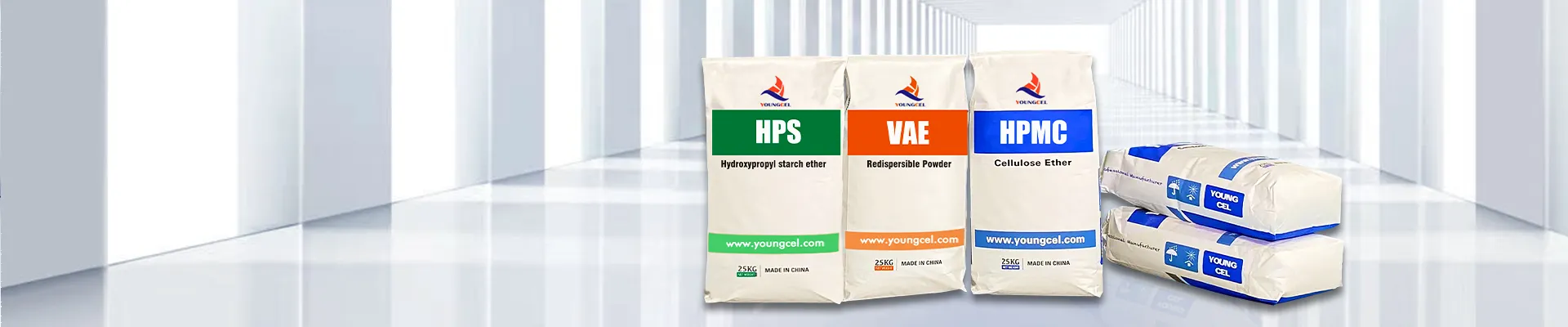
Understanding VAE RDP Powder: A Modern Material with Global Impact
VAE RDP powder might sound like one of those quirky industrial jargon phrases, but in fact, it’s a key ingredient for a lot of modern manufacturing and humanitarian efforts worldwide. This powder plays a surprising role in everything from construction materials to disaster relief supplies, and understanding it can unlock deeper insights into industries struggling to be more efficient and sustainable. Oddly enough, it’s not just some obscure chemical — it sits at the crossroads of innovation, resource management, and global development.
The Global Importance of VAE RDP Powder in Industry and Relief
If you’ve ever read reports from the UN about sustainable infrastructure or looked into how the World Bank funds resilient housing projects, you’ll often find references to advanced polymers and powders like vae rdp powder. For example, the global construction sector accounts for about 38% of CO2 emissions, according to the International Energy Agency (IEA). Materials like VAE RDP powder help lower the environmental footprint of construction and improve performance.
More so, in humanitarian crisis zones — where the challenge isn’t only shelter, but rapid deployment, durability, and safety — advanced materials are critical. VAE RDP powders contribute to making fast-drying binders and coatings that are resilient yet lightweight. This means organizations can deliver safer shelters that stand up to extreme weather without a major environmental cost.
Mini Takeaway: The role of VAE RDP powder spans sectors globally, responding to urgent climate and social challenges by optimizing material science in construction and relief efforts.
What Exactly Is VAE RDP Powder?
In simple terms, VAE RDP powder stands for Vinyl Acetate Ethylene Redispersible Polymer powder. It’s a fine powder made by drying a latex polymer that redisperse in water to form a film-like network when rehydrated. This quality makes it perfect as a binder or additive in cement, mortar, adhesives, and coatings.
Think of it as an ingredient that improves how mixtures stick together, resist cracking, or stay flexible. Its water-redispersible property means powder form is versatile for transport and storage but quickly becomes active when mixed into wet formulations.
How it relates to industry and humanitarian use:
- Construction materials: Enhances strength and flexibility of plasters, mortars, and tile adhesives.
- Fast deployment structures: Used in coatings to protect modular or temporary shelters.
- Packaging and paper industries: Improves binding and film formation.
Mini Takeaway: VAE RDP powder is essentially a molecular glue, enabling materials to bond and behave better in real-world, often demanding conditions.
Core Characteristics of VAE RDP Powder That Matter
1. Durability
Thanks to its polymer structure, VAE RDP powder contributes significantly to the longevity of construction composites. It helps reduce cracking and increases resistance to water and weather, important for both permanent and temporary structures.
2. Flexibility and Adhesion
Unlike conventional powders, it adds elasticity to otherwise brittle materials, preventing damage from temperature fluctuations or ground movements.
3. Cost Efficiency
By enhancing mixture performance, less cement or raw material can be used for the same strength, effectively reducing costs — especially critical for large-scale projects or disaster relief operations.
4. Ease of Storage and Transport
Being a powder, it stores easily without special handling and can be shipped worldwide without the logistics problems of liquid polymers.
5. Environmental Benefits
Because it reduces the volume of other more carbon-heavy materials needed, it has an indirect environmental advantage aligned with ISO-certified sustainable construction standards.
Mini Takeaway: The unique physical and chemical properties of VAE RDP powder create tangible benefits from cost to sustainability — no wonder it’s a preferred additive.
How VAE RDP Powder Is Used Across the Globe
If you zoom into different sectors, you’ll find VAE RDP powder underpinning innovations worldwide:
- Asia Pacific Manufacturing: Leading producers in China and India utilize it in tile adhesives and wall plasters, supporting booming urban construction markets.
- European Infrastructure: Countries like Germany and France incorporate it in high-performance cement formulations for eco-friendly buildings.
- Humanitarian Agencies: NGOs working in Africa and Southeast Asia rely on it to produce robust, cost-effective materials for shelters after floods or earthquakes.
- Industrial Zones: Remote mining or manufacturing sites in South America use ready-mix mortars with VAE RDP powder for quick repairs and protective coatings.
Here’s a quick real-world example: After a cyclone hit Bangladesh in 2022, relief teams used polymer-modified mortars containing VAE RDP powder to quickly repair critical infrastructure with superior water resistance.
Mini Takeaway: The powder’s ability to tailor material performance makes it a global “quiet hero” in various sectors, from industry to humanitarian aid.
Basic Specifications of a Typical VAE RDP Powder Product
| Property | Typical Value | Unit |
|---|---|---|
| Polymer Type | Vinyl Acetate Ethylene | |
| Particle Size | ~100 | microns |
| Redispersibility | >95% | (in water) |
| Glass Transition Temperature (Tg) | ~25 | °C |
| Binder Content | ~55 | % |
Comparing Top Suppliers of VAE RDP Powder
| Supplier | Price Range (USD/kg) | Typical Applications | Global Reach |
|---|---|---|---|
| PolyVinyl Corp. | 1.8 - 2.3 | Construction, adhesives | North America, Europe, Asia |
| Asia Polymer Ltd. | 1.4 - 1.9 | Mortars, coatings, packaging | Asia, Middle East |
| EcoBind Solutions | 2.0 - 2.5 | Sustainable construction, green flooring | Global, focused on EU & USA |
What Makes VAE RDP Powder Worth Considering?
- Cost Savings: Better performance means less material waste and fewer repairs.
- Sustainability: Reduces reliance on cement-heavy materials, lowering carbon footprint.
- Social Impact: More durable shelters and infrastructure improve safety and dignity.
- Reliability: Consistent quality ensures predictable results for engineers and builders.
On a more emotional note, when you know that a tiny powder can help families sleep safer through storms or keep roads from washing away, it suddenly feels like science has a heart. I suppose that's why many NGOs are so keen on these materials.
Emerging Trends Shaping the Future of VAE RDP Powder
Materials science never stands still, and VAE RDP powders are evolving. Current trends include:
- Green chemistry formulations: Using bio-based monomers to replace petrochemical sources.
- Nanotechnology-enhanced powders: Improving mechanical strength and barrier properties.
- Smart additives: Polymers that respond dynamically to temperature or humidity.
- Digital formulation optimization: AI algorithms tweaking powder properties for bespoke client needs.
Considering global pushes for sustainability and resilience, I wouldn’t be surprised if VAE RDP powders, or their successors, become a staple in circular economy models soon.
Challenges and How Experts Are Overcoming Them
As promising as VAE RDP powders are, they’re not without caveats. Some typical challenges include:
- Cost fluctuations: Raw material prices can be volatile due to global supply chains.
- Redispersion issues: Ensuring powders fully dissolve in different water qualities.
- Environmental footprint: Production sometimes uses energy-intensive processes.
Industry experts recommend smart sourcing, technological innovation in drying techniques, and blending with sustainable fillers to mitigate these problems.
Frequently Asked Questions About VAE RDP Powder
- What makes VAE RDP powder better than liquid binders?
- VAE RDP powder is easier to transport and store without spoilage risks, and it offers flexible dosing options for different applications, making it more versatile than liquids.
- How long can materials with VAE RDP powder last in harsh environments?
- When properly formulated, polymer-modified mortars using this powder can last decades, resisting cracking, water ingress, and UV damage effectively.
- Is VAE RDP powder environmentally friendly?
- While it improves sustainability by reducing cement and waste, the polymer itself is synthetic. However, new bio-based and recyclable options are being developed to minimize environmental impact.
- Can international NGOs import VAE RDP powder easily?
- Yes, many suppliers offer global shipping and certifications required for customs, making it feasible for NGOs to source the powder for relief projects worldwide.
- Are there customization options for different industries?
- Absolutely. Suppliers often tailor particle size, binder content, and redispersion properties to fit specific needs, whether for construction, packaging, or industrial coatings.
Conclusion: Building a Better Future with VAE RDP Powder
In the end, VAE RDP powder isn’t just a technical ingredient — it’s part of a bigger story about building resilience, advancing technology, and tackling some of the world’s toughest challenges sustainably. Its blend of practicality and innovation shines in everything from urban infrastructure to post-disaster recovery. If you’re working in construction, humanitarian relief, or materials science, keeping tabs on advances in vae rdp powder could mean smarter, safer projects ahead.
Curious to learn more or source quality powders? Visit our website: https://www.youngcel.com.
References
-
Industrial Guide to High Performance Ceramic Adhesives UseNewsApr.16,2026
-
Ultimate Guide to Choosing the Right Cement Wall PaintNewsApr.09,2026
-
Comprehensive Guide to Cement Thickeners for Construction and Oil DrillingNewsApr.07,2026
-
Optimizing Construction with Advanced Cement Mortar Additive SolutionsNewsApr.04,2026
-
Understanding Cement Glue for Construction and DIY ProjectsNewsMar.31,2026
-
Effective Cement Dissolver Chemical Solutions for Construction and IndustryNewsMar.28,2026