In the ever-evolving world of coatings and paints, achieving the ideal balance of performance, cost-effectiveness, and environmental responsibility is paramount. Cellulose ethers, derived from sustainable wood sources, are increasingly recognized as vital additives for modern paint formulations. This article explores the diverse benefits of using cellulose for paints, covering its functionalities, applications, and the latest advancements in this field. Understanding these benefits can lead to better paint products and more sustainable practices within the industry. Cellulose ethers act as multi-functional additives in paints, significantly influencing their properties. Primarily, they function as thickeners, controlling the viscosity of the paint and preventing pigment settling. They also act as water retention agents, slowing down the evaporation of water during application, leading to improved leveling and open time. Furthermore, they contribute to film formation, enhancing the durability and adhesion of the paint film. Different types of cellulose ethers, such as Hydroxyethyl Cellulose (HEC), Hydroxypropyl Methylcellulose (HPMC), and Carboxymethyl Cellulose (CMC), are selected based on the specific paint type and desired performance characteristics.
Cellulose ethers are a diverse group of water-soluble polymers derived from cellulose – a naturally abundant component of plant cell walls. These versatile compounds find widespread use across numerous industries, including construction, pharmaceuticals, food, and personal care, due to their unique thickening, binding, film-forming, and water-retention properties. Understanding the different types of cellulose ethers and their specific applications is crucial for achieving optimal performance in various formulations. This article will explore the key characteristics, types, and benefits of cellulose ethers, helping you navigate their diverse applications. Cellulose ethers are produced by chemically modifying cellulose, typically sourced from wood pulp or cotton linters. This modification involves reacting cellulose with various reagents, such as methyl chloride, ethyl chloride, or benzyl chloride, to introduce ether groups along the cellulose chain. The type and degree of substitution determine the specific properties of the resulting cellulose ether. These polymers are characterized by their ability to dissolve in water, forming clear, viscous solutions that impart desirable functionalities. They're valued for their biocompatibility, biodegradability, and non-toxicity, making them ideal for a wide array of applications.
Navigating the world of cellulose ethers can be complex, especially when trying to determine a fair cellulose ether price. Factors like grade, viscosity, application, and quantity significantly influence cost. This article provides a detailed overview of the pricing landscape, key considerations, and where to find competitive quotes. Understanding these elements empowers you to make informed purchasing decisions and secure the best value for your needs. We'll cover everything from HEC to HEMC, and how supply and demand affect pricing. Several key factors drive the pricing of cellulose ethers. The most significant is the specific type of cellulose ether. Hydroxyethyl Cellulose (HEC), Hydroxypropyl Methylcellulose (HPMC), Carboxymethyl Cellulose (CMC), and Methyl Cellulose (MC) all have different production costs and, therefore, varying prices. Viscosity is another crucial factor; higher viscosity grades typically command higher prices due to increased manufacturing complexity. Quantity purchased plays a substantial role; bulk orders almost always benefit from discounted rates.
Cellulose ethers, especially Hydroxypropyl Methylcellulose (HPMC), are versatile polymers widely used across numerous industries, including construction, pharmaceuticals, food, and personal care. Choosing a high quality HPMC is crucial for achieving optimal performance in your applications. This article delves into the properties, grades, applications, and key considerations when selecting HPMC. We'll explore why Youngcel offers consistently reliable and superior HPMC products. Cellulose ethers are derived from natural cellulose, a primary component of plant cell walls. HPMC, specifically, is created by chemically modifying cellulose with methyl and hydroxypropyl groups. This modification imparts unique properties, including water solubility, thickening, binding, film-forming capabilities, and thermal gelation. These characteristics make HPMC an invaluable ingredient in a diverse range of formulations. The degree of substitution (DS) of methyl and hydroxypropyl groups directly impacts HPMC’s properties like viscosity and gelation temperature. Youngcel’s HPMC products are meticulously manufactured to ensure consistent DS levels and superior performance.
Wall putty is a crucial component in achieving a smooth and flawless finish for interior and exterior walls. A key ingredient in modern wall putty formulations is cellulose ether. This article will delve into the benefits of using cellulose ether in wall putty, its different types, how it impacts performance, and why Youngcel provides high-quality solutions. Understanding the role of cellulose ether is essential for manufacturers and applicators alike to ensure superior wall finishing results. Cellulose ether acts as a vital additive in wall putty, significantly improving its workability, adhesion, and overall performance. It primarily functions as a thickener, water retention agent, and binder. By increasing viscosity, cellulose ether prevents the putty from sagging during application, especially on vertical surfaces. Its excellent water retention properties slow down the drying process, allowing for better hydration of the cement and improved bond strength. Furthermore, it enhances the putty's consistency and spreadability, making it easier to apply evenly and efficiently. Without cellulose ether, wall putty would be prone to cracking, poor adhesion, and a less-than-ideal finish.
Cellulose ether chemical adhesives are a versatile class of materials utilized across numerous industries, known for their excellent thickening, binding, and film-forming properties. These adhesives, derived from natural cellulose, offer a sustainable and effective solution for a wide array of applications. From construction materials to pharmaceutical formulations, understanding their characteristics is vital for optimizing performance. Youngcel specializes in the production of high-quality cellulose ethers tailored to meet specific adhesive needs. This article will delve into the properties, applications, and advantages of cellulose ether chemical adhesives, providing a comprehensive overview for professionals and researchers alike. Cellulose ethers are produced by chemically modifying cellulose, a natural polymer found in plant cell walls. The modification process involves reacting cellulose with various reagents to introduce ether groups, altering its solubility and properties. These modified celluloses exhibit excellent water retention, thickening capabilities, and adhesive strength.
Selecting the appropriate adhesive for wall applications is crucial for achieving a durable and aesthetically pleasing result. Different wall materials and project requirements demand specific adhesive properties. This article provides a comprehensive guide to navigating the world of wall adhesives, covering types, applications, and considerations for optimal performance. Understanding the nuances of adhesives will ensure a successful and long-lasting bond, avoiding costly repairs and ensuring the safety of your project. From light-duty mounting to heavy-duty construction, we'll cover the key factors to consider. The market offers a wide array of adhesives tailored for wall applications. Common types include construction adhesives, wallpaper pastes, mounting adhesives, and specialty adhesives for specific materials like tile or paneling. Construction adhesives, often solvent-based or water-based, provide strong bonds for heavier materials. Wallpaper pastes are designed for paper and vinyl coverings. Mounting adhesives are ideal for lighter objects like pictures and mirrors.
Selecting the appropriate adhesive for tile is crucial for a long-lasting and aesthetically pleasing installation. With countless options available, understanding the different types, their applications, and key considerations can seem daunting. This article will provide a detailed overview of tile adhesives, guiding you through the selection process and ensuring a successful tiling project. Whether you’re a DIY enthusiast or a professional installer, this guide will equip you with the knowledge to choose the best adhesive for your specific needs. Tile adhesives aren’t one-size-fits-all. They vary significantly based on their composition, strength, and intended use. Some common types include cement-based adhesives, epoxy-based adhesives, and pre-mixed adhesives. Cement-based adhesives are the most widely used, cost-effective, and suitable for most common tile types like ceramic and porcelain. Epoxy adhesives offer superior strength, water resistance, and chemical resistance, making them ideal for demanding environments like showers, kitchens, and industrial applications.
Hydroxypropyl methylcellulose (HPMC) is a versatile cellulose ether polymer widely used across numerous industries, including construction, pharmaceuticals, food, cosmetics, and more. Its unique properties, such as thickening, binding, film-forming, and water retention, make it an invaluable ingredient in a diverse range of applications. This article provides an in-depth look at chemic HPMC, its benefits, applications, and what to consider when selecting the right grade for your specific needs. Understanding the nuances of HPMC will allow you to optimize its performance and achieve superior results in your products. chemic HPMC is a non-ionic cellulose ether produced by modifying cellulose through a series of chemical processes. Cellulose, derived from plant sources like wood pulp or cotton linters, undergoes etherification with methyl chloride and propylene oxide. This process introduces methoxyl and hydroxypropyl groups onto the cellulose backbone, altering its properties to create HPMC. The degree of substitution (DS) – the average number of substituent groups attached to each cellulose unit – significantly impacts the HPMC’s characteristics, influencing its solubility, viscosity, and gelation behavior.
Hydroxypropyl Methylcellulose (HPMC) is a versatile cellulose ether widely utilized across various industries, including construction, pharmaceuticals, food, and cosmetics. Its unique properties – thickening, binding, film-forming, and water retention – make it an invaluable ingredient in numerous applications. This article provides an in-depth look at HPMC cellulose, exploring its properties, manufacturing, applications, and benefits. We’ll also explore why choosing a reliable supplier like Youngcel is crucial for consistent quality and performance. HPMC is derived from cellulose, a natural polymer found in plant cell walls. Through a chemical modification process, cellulose is reacted with methyl chloride and propylene oxide to create HPMC. The degree of substitution (DS) determines the specific properties of the resulting HPMC grade. Key properties include water solubility, thermal gelation (forming a gel when heated), and compatibility with a wide range of polymers and resins. It's available in various viscosity grades, impacting its thickening capabilities.
Hydroxypropyl methyl cellulose (HPMC) is a versatile cellulose ether widely used across various industries, including construction, pharmaceuticals, food, and cosmetics. This article provides a comprehensive overview of HPMC, covering its properties, manufacturing process, key applications, and the benefits it offers. We will explore why Youngcel’s HPMC products are a trusted choice for consistent quality and performance. Understanding HPMC is crucial for formulators and manufacturers looking for a reliable thickening, binding, and film-forming agent. HPMC is a non-ionic, water-soluble polymer derived from cellulose. It’s produced by chemically modifying cellulose through a series of processes, including etherification with methyl and hydroxypropyl groups. This modification imparts unique properties, making HPMC suitable for a diverse range of applications. It’s valued for its thickening, binding, film-forming, suspending, and protective colloid properties. Furthermore, HPMC is known for its thermal gelation properties – meaning it forms a gel when heated and reverts to a liquid upon cooling, making it valuable in specific formulations.


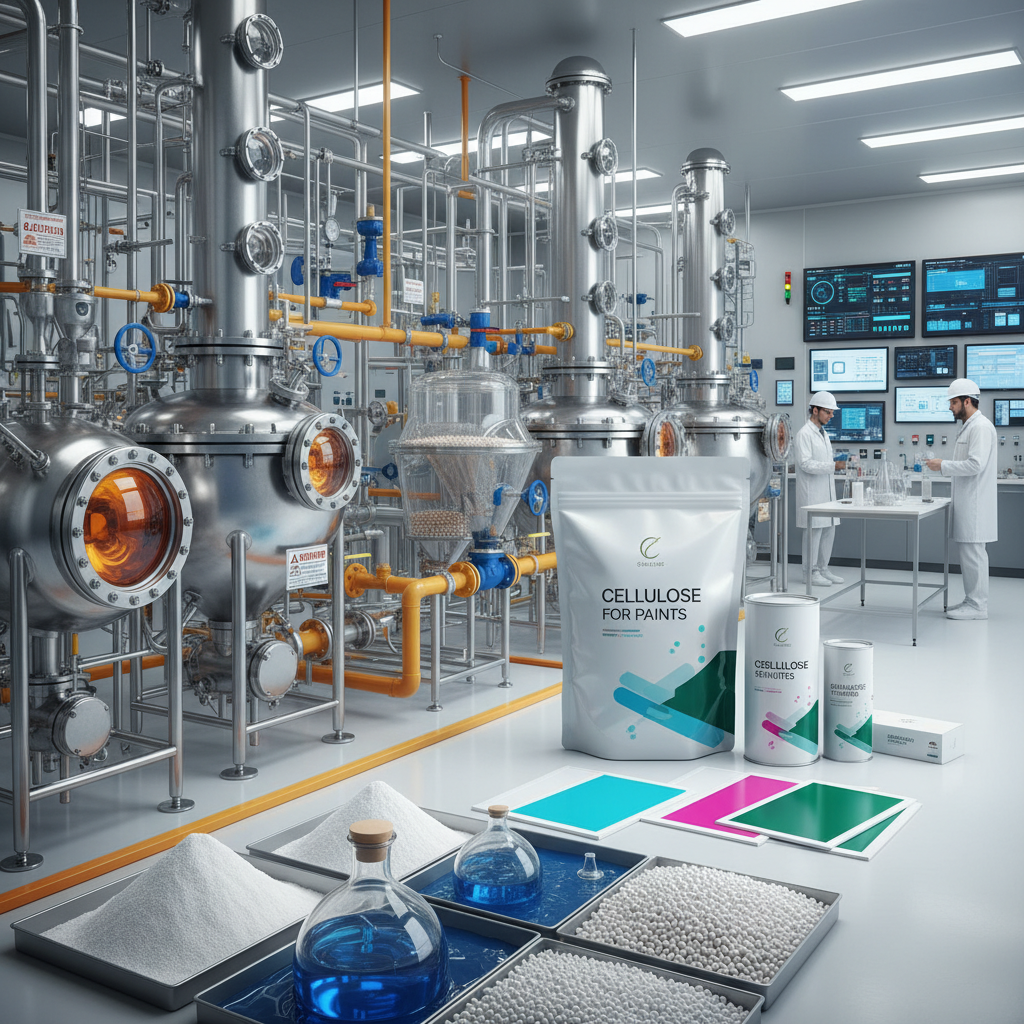 In the ever-evolving world of coatings and paints, achieving the ideal balance of performance, cost-effectiveness, and environmental responsibility is paramount. Cellulose ethers, derived from sustainable wood sources, are increasingly recognized as vital additives for modern paint formulations. This article explores the diverse benefits of using cellulose for paints, covering its functionalities, applications, and the latest advancements in this field. Understanding these benefits can lead to better paint products and more sustainable practices within the industry. Cellulose ethers act as multi-functional additives in paints, significantly influencing their properties. Primarily, they function as thickeners, controlling the viscosity of the paint and preventing pigment settling. They also act as water retention agents, slowing down the evaporation of water during application, leading to improved leveling and open time. Furthermore, they contribute to film formation, enhancing the durability and adhesion of the paint film. Different types of cellulose ethers, such as Hydroxyethyl Cellulose (HEC), Hydroxypropyl Methylcellulose (HPMC), and Carboxymethyl Cellulose (CMC), are selected based on the specific paint type and desired performance characteristics.Read more
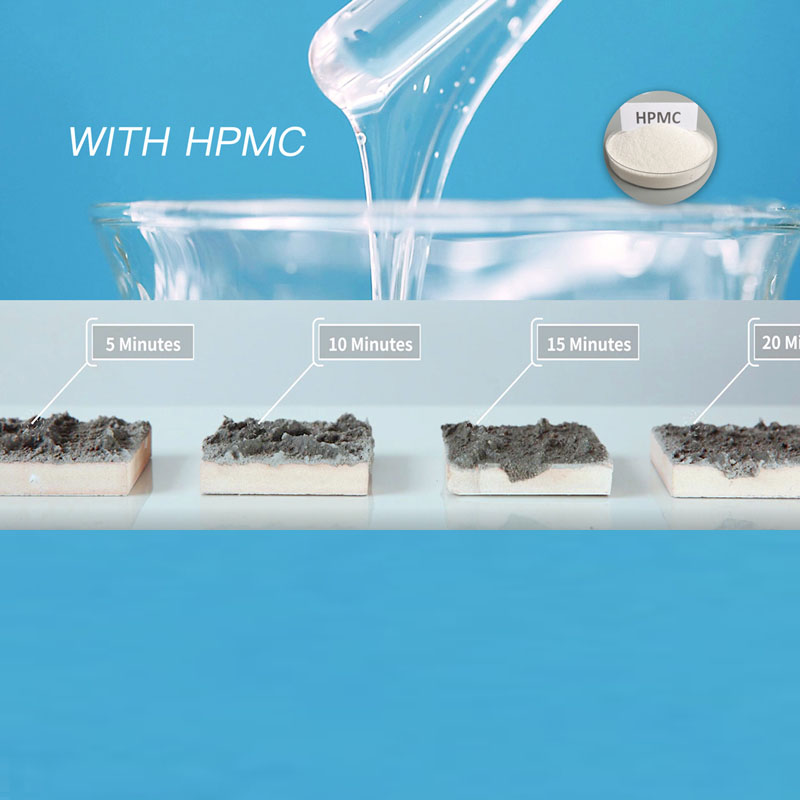 Discover advanced water retention and adhesion improvement technologies. Shijiazhuang Yongfeng ensures quality. Explore now: https://www.youngcel.comRead more