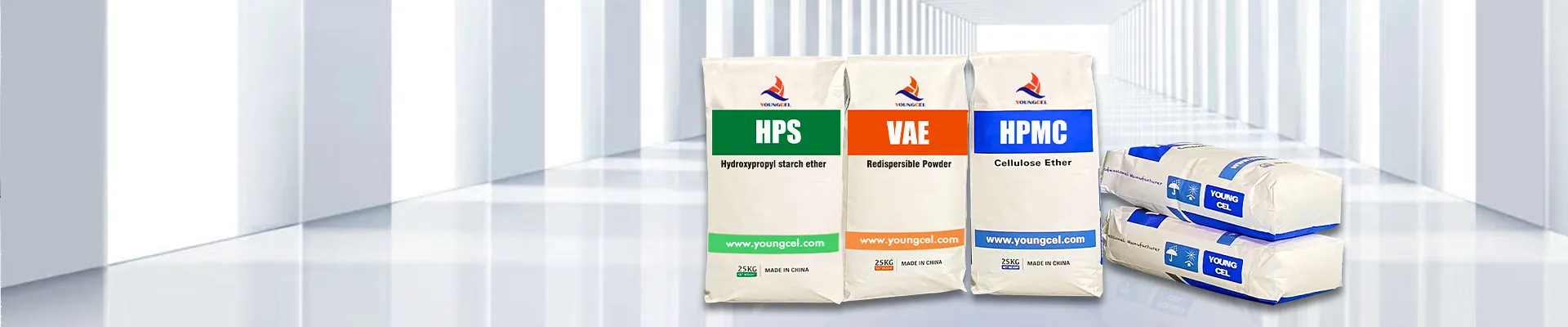
-
 Celulosa, or cellulose, is the most abundant organic polymer on Earth. It’s the primary structural component of plant cell walls and forms the backbone of many materials we rely on daily. From paper and textiles to pharmaceuticals and even biodegradable plastics, cellulosa plays a crucial role in countless industries. This article will explore the properties, sources, applications, and future trends surrounding this essential biopolymer. Understanding the versatility of cellulosa unlocks opportunities for sustainable innovation across various sectors. Celulosa is a linear polysaccharide consisting of hundreds to thousands of β(1→4) linked D-glucose units. This linear structure allows for strong intermolecular hydrogen bonding, making cellulosa highly crystalline and giving it its remarkable strength and rigidity. Importantly, cellulosa is insoluble in water and most organic solvents, requiring special treatments for processing. It’s also a chiral molecule, meaning it exists in different forms. The properties of cellulosa, like degree of polymerization and crystallinity, vary depending on its source and processing method, impacting its suitability for specific applications.Read more
-
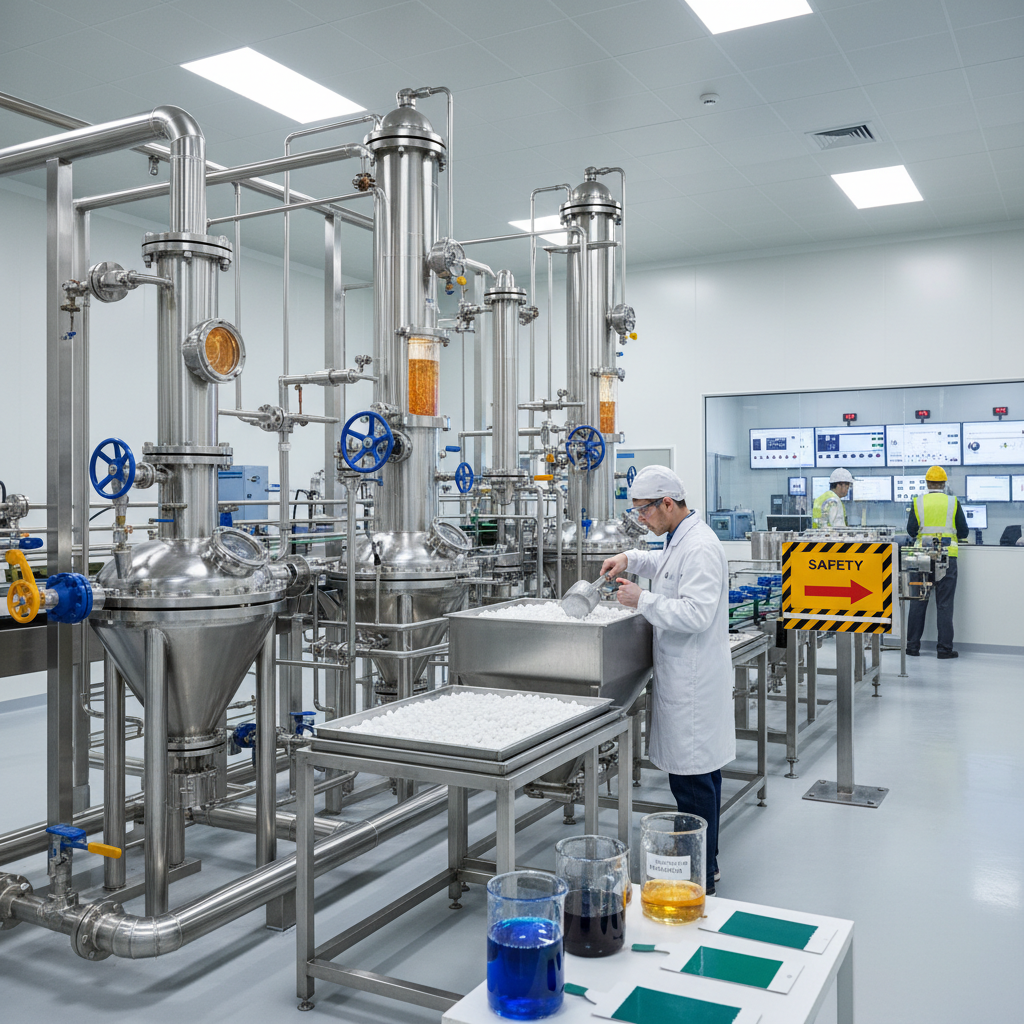 Cellulose thickeners, derived from natural sources, are vital ingredients in countless industries – from food and pharmaceuticals to paints and construction. Their ability to increase viscosity and stabilize formulations makes them incredibly versatile. This article dives deep into the world of cellulose thickeners, exploring their types, applications, benefits, and considerations for optimal use. Understanding these properties allows for better product development and consistent quality. We will also look at why Youngcel is a leading provider of high-quality cellulose thickeners. Cellulose thickeners are water-soluble polymers derived from cellulose, the main structural component of plant cell walls. They work by creating a network of fibers that increase the viscosity of a liquid. Unlike synthetic thickeners, cellulose-based options are generally considered biocompatible and sustainable. They are commonly used to control texture, prevent separation, and enhance stability in a wide variety of products. Different types of cellulose thickeners are produced through varying chemical modifications, each impacting their properties and applications. Youngcel specializes in tailoring these properties to meet specific client needs.Read more
-
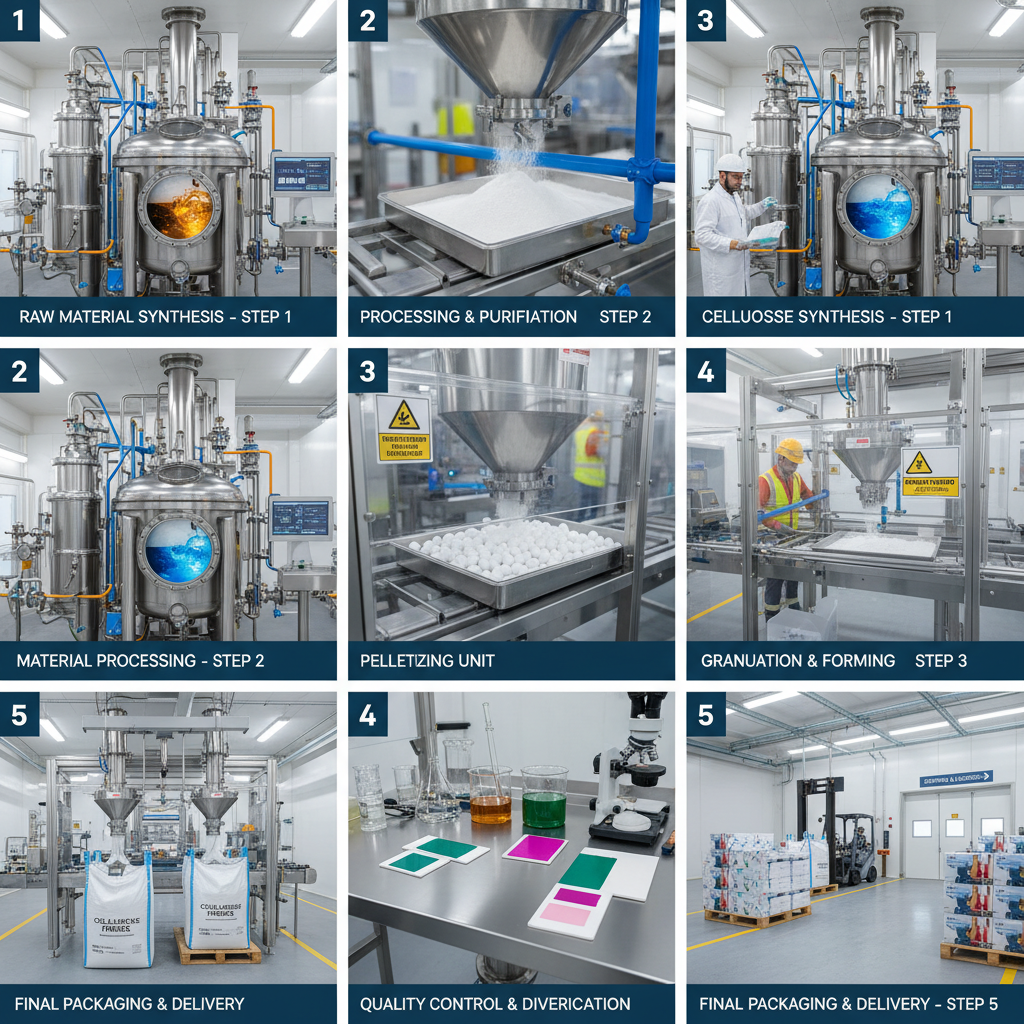 Cellulose, a versatile polymer derived from plant cell walls, serves as a vital ingredient in numerous industries, from pharmaceuticals and food to construction and textiles. Selecting the right cellulose supplier is critical for ensuring product quality, supply chain stability, and cost-effectiveness. This article will explore the key factors to consider when choosing a supplier, the different types of cellulose available, and the benefits of partnering with a reputable provider like Youngcel. We will also delve into quality control measures and logistical considerations. Not all cellulose is created equal. Different manufacturing processes result in various types, each suited for specific applications. Microcrystalline Cellulose (MCC) is commonly used as a binder and disintegrant in pharmaceutical tablets. Carboxymethyl Cellulose (CMC) functions as a thickener and stabilizer in food and cosmetics. Methyl Cellulose (MC) and Hydroxypropyl Methyl Cellulose (HPMC) find applications in construction materials and pharmaceutical coatings. Ethyl Cellulose (EC) is often utilized in controlled-release drug delivery systems. Understanding these distinctions is paramount when selecting a cellulose supplier that can meet your precise requirements. Youngcel offers a comprehensive range of cellulose derivatives to cater to diverse industrial needs.Read more
-
Cellulose, the most abundant organic polymer on Earth, forms the structural component of plant cell walls. Its versatility makes it a cornerstone material in a vast array of industries, from textiles and paper to pharmaceuticals and biofuels. Understanding the diverse types of cellulose raw materials and their sourcing is crucial for businesses seeking sustainable and high-performance solutions. This article will explore the common sources, processing methods, and key applications of cellulose, providing a comprehensive overview for potential buyers and industry professionals. The primary sources of cellulose are plant-based, with wood, cotton, and agricultural residues being the most commercially significant. Wood pulp, derived from both softwood and hardwood trees, is a dominant source due to its high cellulose content and established processing infrastructure. Cotton, known for its purity, provides high-quality cellulose fibers, primarily used in the textile industry. Agricultural residues, such as corn stover, wheat straw, and bagasse (sugarcane pulp), represent a sustainable and increasingly important source, offering a cost-effective alternative and minimizing waste. Extracting cellulose from its raw sources involves various processing techniques. Mechanical pulping, used for wood, separates fibers physically, preserving most of the lignin. Chemical pulping, such as the Kraft process, utilizes chemicals to dissolve lignin, resulting in purer cellulose but with a greater environmental impact.Read more
-
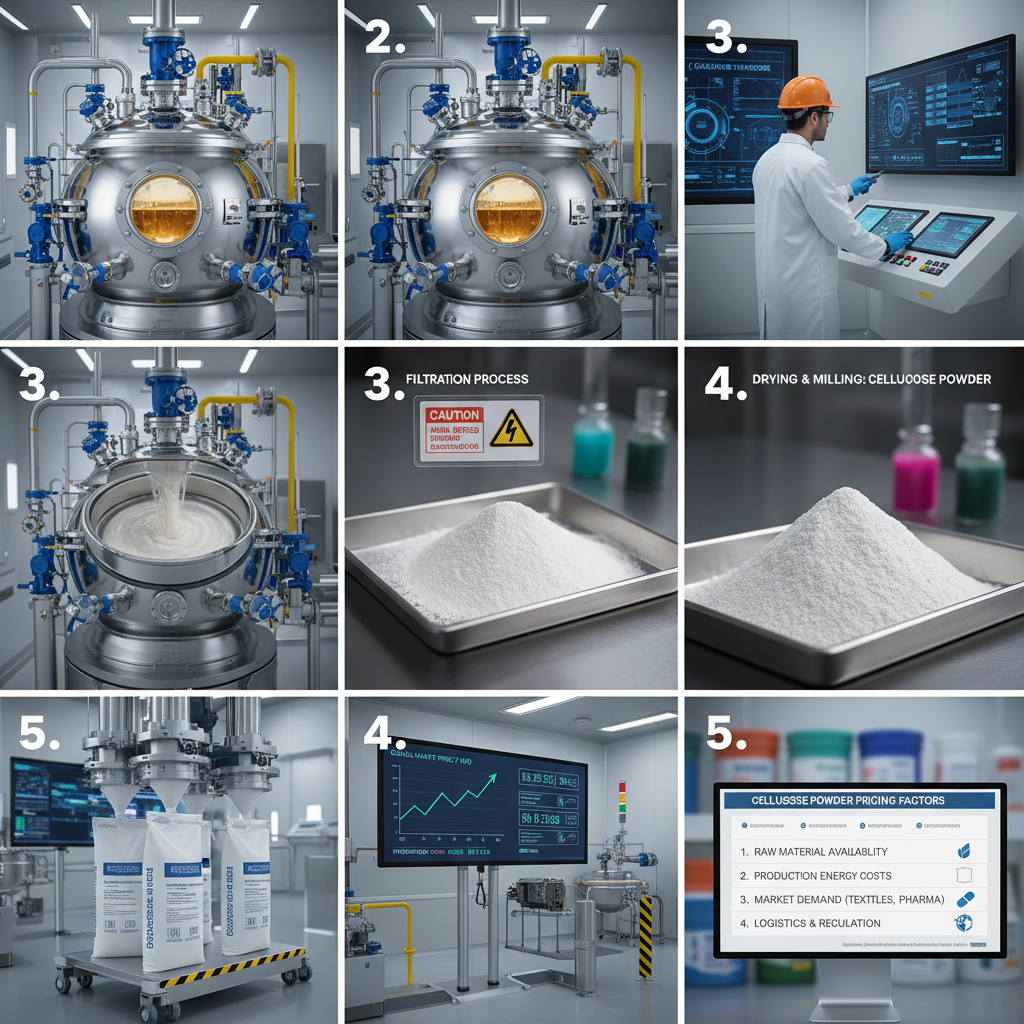 Understanding cellulose powder prices can be complex, with fluctuations based on grade, quantity, and supplier. This article breaks down the factors influencing these prices, provides current market insights, and explains how to source high-quality cellulose powder from a reliable supplier like Youngcel. Whether you're in the food, pharmaceutical, or industrial sector, this guide will help you navigate the market effectively. Several key elements contribute to the final price of cellulose powder. The grade of cellulose (microcrystalline cellulose (MCC), powdered cellulose, carboxymethyl cellulose (CMC) etc.) is a primary factor. Higher purity grades and specialized modifications command premium pricing. Quantity ordered significantly impacts the per-unit cost – bulk purchases invariably result in lower prices. Manufacturing processes, including sourcing of raw materials (wood pulp or cotton linter) and production technology, also play a role. Finally, geographic location and transportation costs can influence prices, especially for international buyers.Read more
-
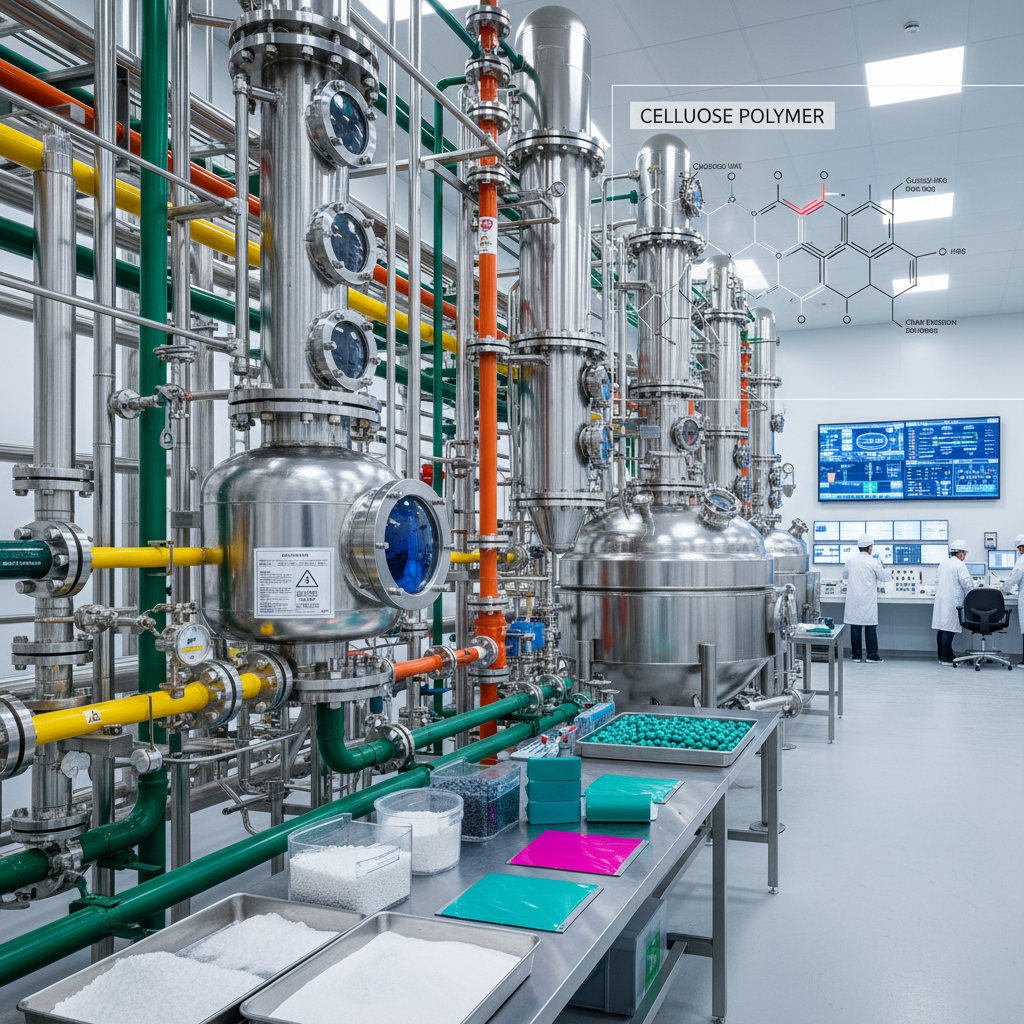 Cellulose polymers are a fascinating class of materials with a broad range of applications, from everyday products to cutting-edge technologies. Derived from plant sources, they offer a sustainable and versatile alternative to traditional polymers. This article will delve into the world of cellulose polymers, exploring their properties, types, manufacturing processes, applications, and future trends. Understanding these materials is crucial for anyone involved in materials science, product development, or sustainable manufacturing. Youngcel is at the forefront of cellulose polymer innovation, offering high-quality solutions for diverse industrial needs. Cellulose is the most abundant organic polymer on Earth, forming the structural component of plant cell walls. Cellulose polymers are created by linking together glucose molecules through glycosidic bonds. These long chains of glucose create a strong, fibrous material with unique properties. Unlike many synthetic polymers, cellulose is biodegradable and renewable, making it an environmentally friendly alternative.Read more
-
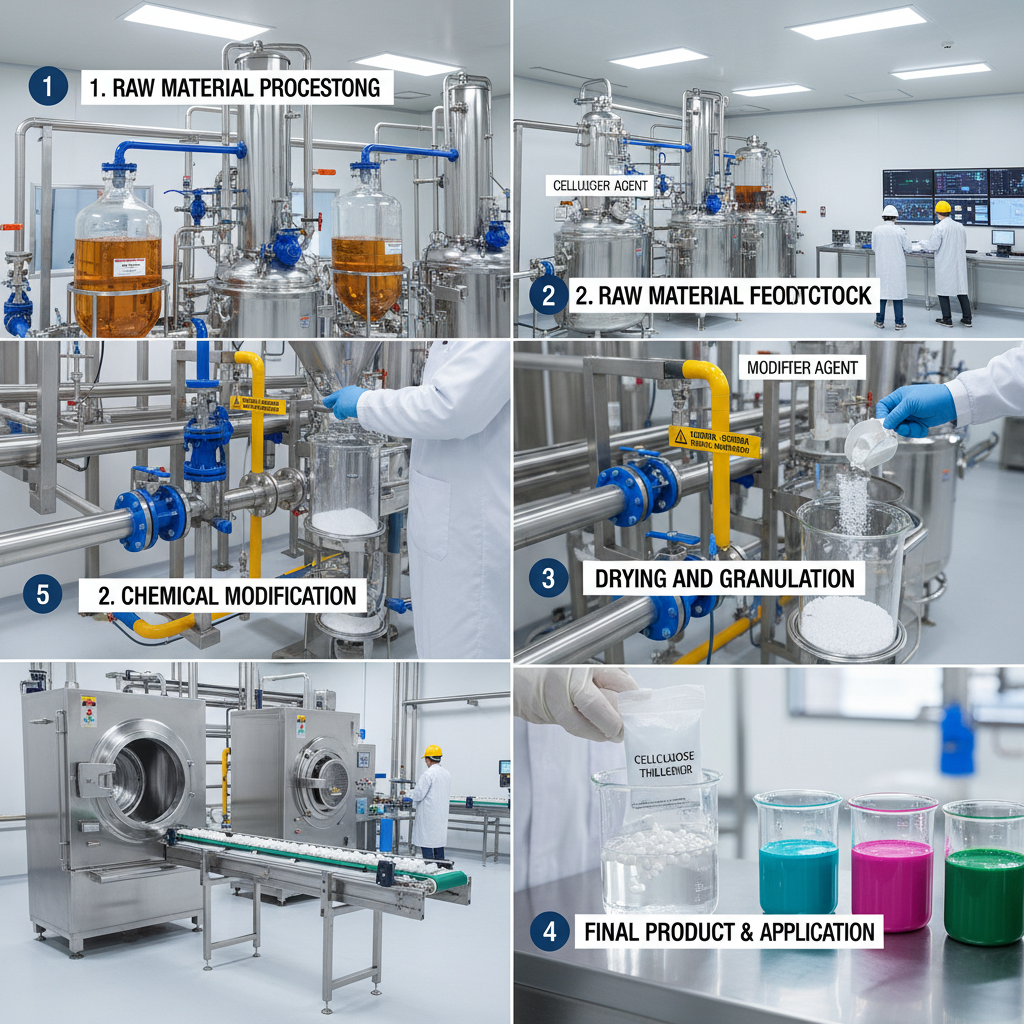 Cellulose paint thickeners are vital components in the formulation of paints, coatings, and adhesives, ensuring optimal viscosity, stability, and application properties. These natural polymers, derived from plant cellulose, offer a sustainable and effective solution for controlling the rheology of water-based systems. At Youngcel, we specialize in providing high-quality cellulose ethers tailored to meet the diverse needs of the coatings industry. This article will delve into the world of cellulose paint thickeners, exploring their types, benefits, applications, and crucial considerations for achieving superior paint performance. Several types of cellulose ethers function effectively as paint thickeners. The most common include Methyl Cellulose (MC), Hydroxyethyl Cellulose (HEC), Hydroxypropyl Cellulose (HPC), and Carboxymethyl Cellulose (CMC). Each offers unique properties influencing their suitability for specific paint formulations. Employing cellulose paint thickeners offers a multitude of advantages. They improve the application characteristics of paints, allowing for smoother brush strokes, better leveling, and reduced spattering.Read more
-
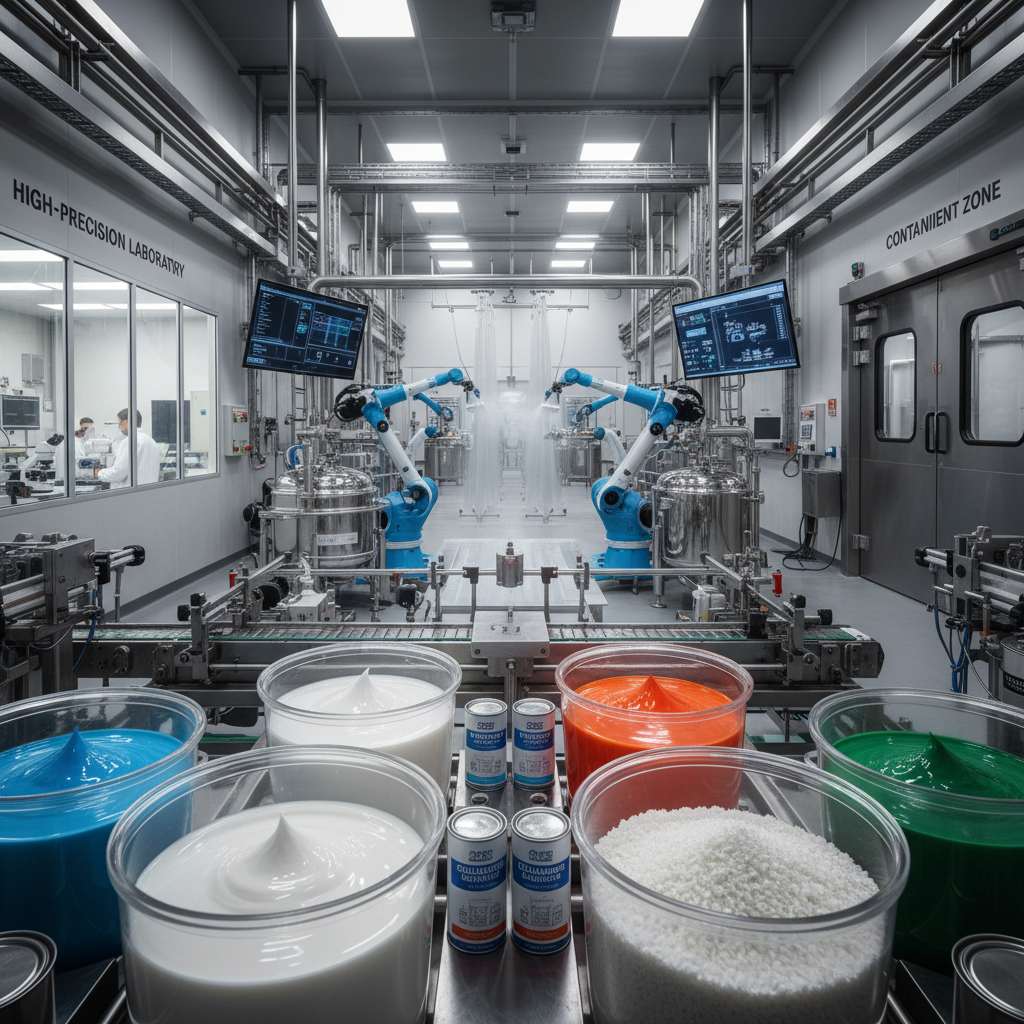 Cellulose paint, also known as nitrocellulose lacquer, is a versatile coating widely used across various industries, from woodworking and automotive refinishing to musical instruments and even nail polish. Its fast-drying properties, durability, and ability to create a smooth finish make it a popular choice. This article provides a detailed overview of cellulose paint, covering its composition, advantages, applications, safety considerations, and comparisons to other paint types. We'll also explore why Youngcel's range of cellulose paints offers superior performance and quality. Choosing the right paint depends on your project’s needs, and cellulose paint often delivers exceptional results. At its core, cellulose paint is a solution of nitrocellulose in a solvent, typically a blend of alcohols and ketones. The nitrocellulose forms the film-forming component, while the solvents evaporate, leaving behind a hard, durable coating. Additives are included to control viscosity, gloss, and other properties. Different types of cellulose paint cater to specific needs. These include: NC gloss lacquer for a high-sheen finish, NC matte lacquer for a subtle, non-reflective look, and NC sanding sealer used as a primer to prepare surfaces for further coating. Understanding these variations is key to selecting the right paint for your project.Read more
-
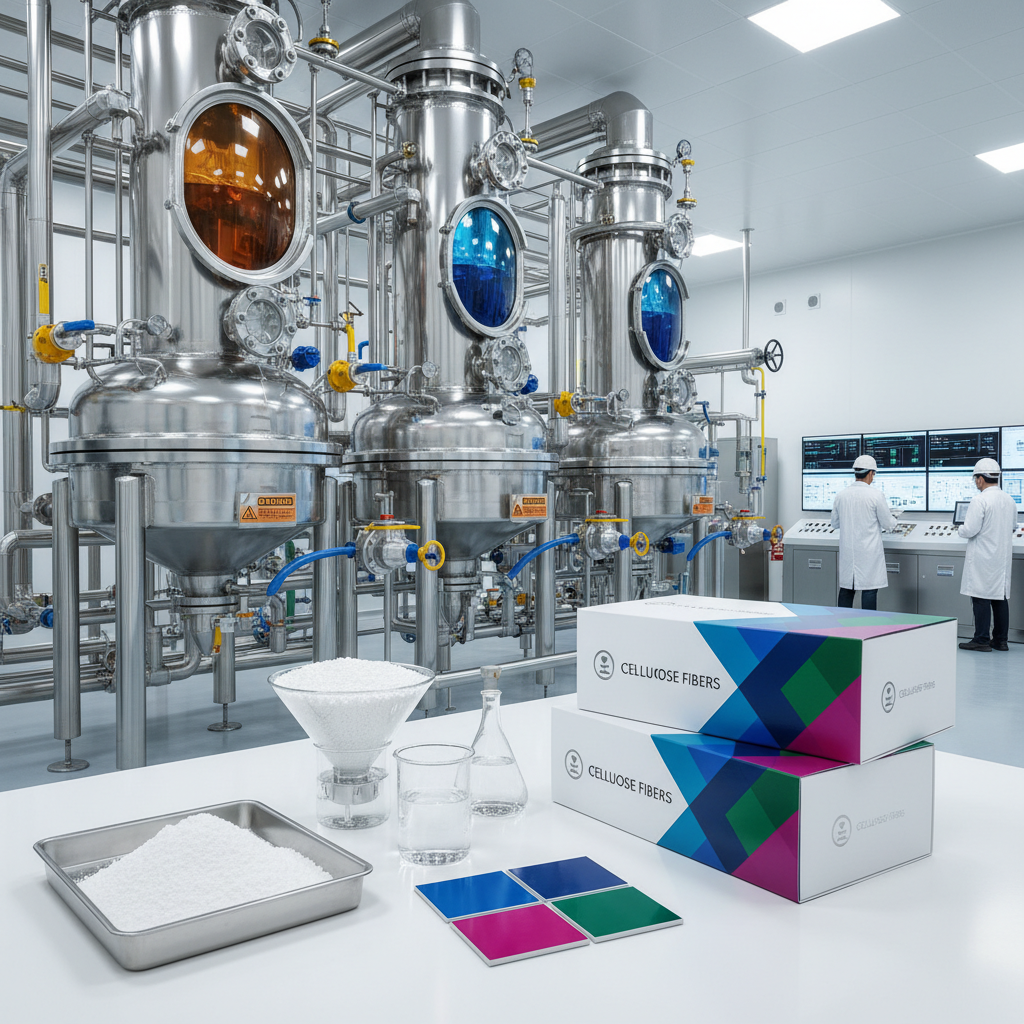 Cellulose material, derived from plant cell walls, is a versatile and sustainable resource gaining prominence across various industries. From packaging to pharmaceuticals, its unique properties offer compelling alternatives to traditional materials. This article provides an in-depth exploration of cellulose material, its types, applications, and future potential. Discover how Youngcel is leading the way in innovative cellulose solutions. Understanding cellulose’s benefits is crucial in today’s environmentally conscious market. Cellulose is the most abundant organic polymer on Earth. It's a linear polysaccharide composed of glucose units, linked by beta-1,4-glycosidic bonds. This structure gives cellulose its strength and rigidity. Different sources of cellulose – wood, cotton, hemp, and others – yield variations in purity and fiber length. These variations impact the final properties of materials produced.Read more
-
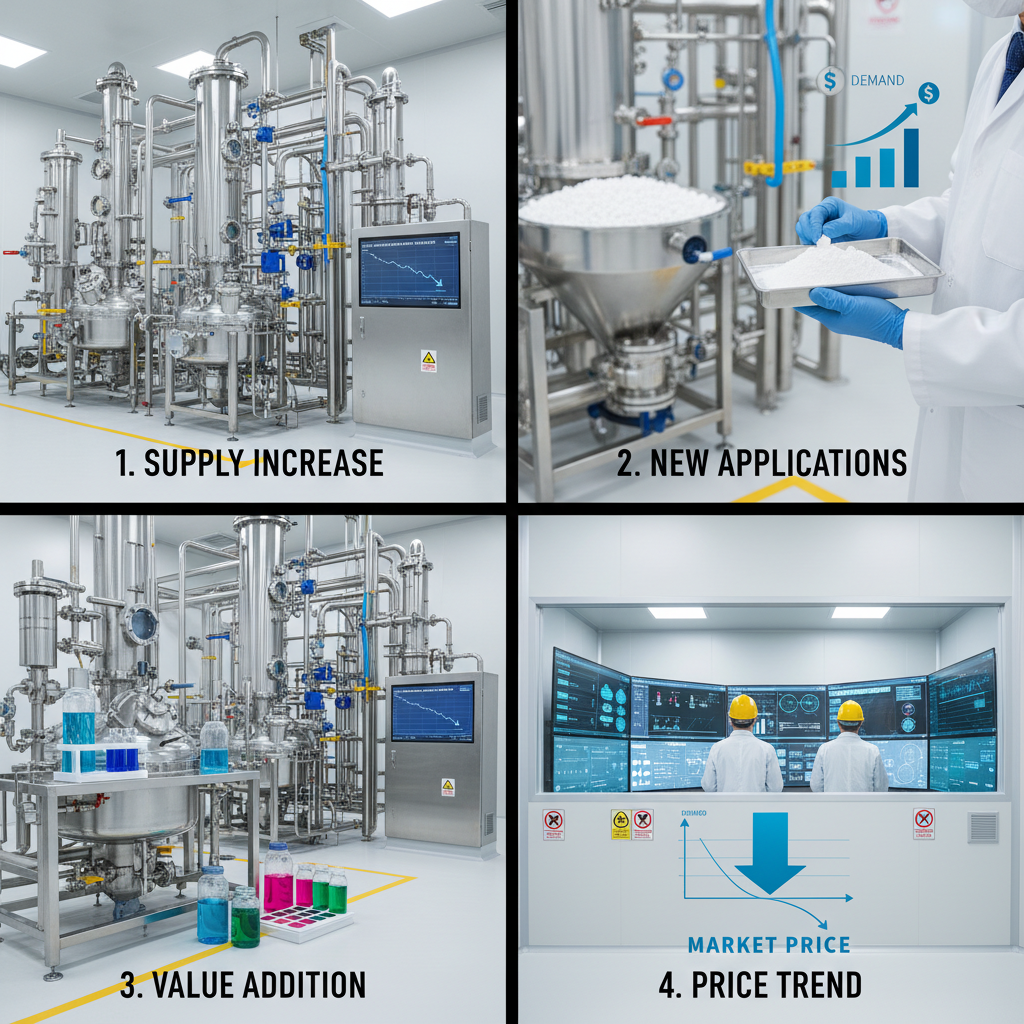 Understanding the cellulose market price is crucial for businesses across numerous industries, from pharmaceuticals and food to construction and textiles. Cellulose, a versatile and renewable material, sees fluctuating prices influenced by factors like raw material costs, production capacity, and global demand. This article provides a detailed overview of current market trends, price drivers, regional variations, and future outlooks for cellulose. We'll explore how companies like Youngcel navigate these complexities to offer competitive pricing and reliable supply. Several key factors contribute to the volatility of the cellulose market price. Firstly, the cost of raw materials, primarily wood pulp, significantly impacts production expenses. Global timber harvests, forestry regulations, and transportation costs all play a role. Secondly, manufacturing capacity and technological advancements influence supply levels. Investments in new production facilities and more efficient processes can affect pricing. Finally, demand from end-use industries, such as the increasing use of cellulose in pharmaceuticals (microcrystalline cellulose) and food products (cellulose gum), drives market trends.Read more
-
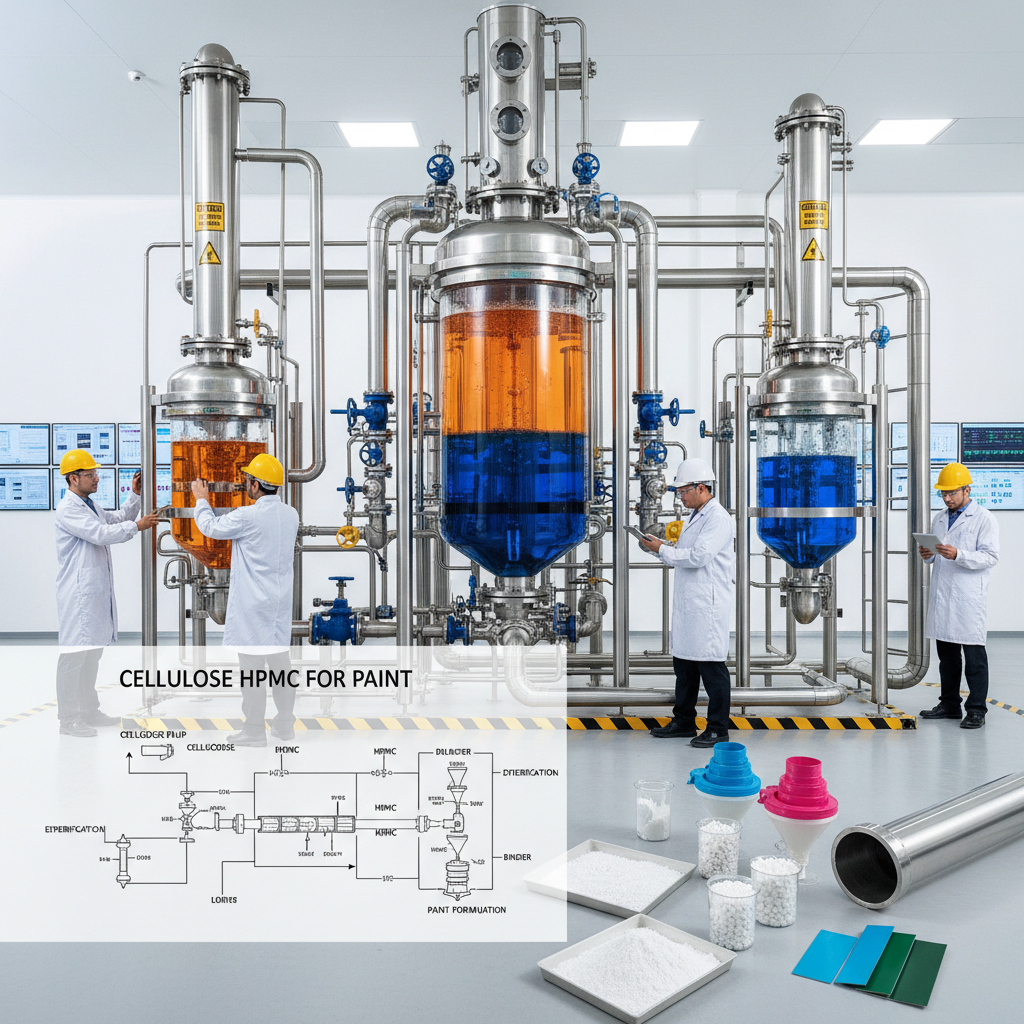 Hydroxypropyl Methylcellulose (HPMC) is a versatile polymer widely utilized in the paint industry to enhance various properties. From improving workability and stability to controlling viscosity and water retention, cellulose HPMC plays a crucial role in formulating high-quality paints. This article provides an in-depth exploration of HPMC's applications, benefits, and considerations for use in paint manufacturing. Understanding the nuances of HPMC allows paint formulators to optimize their products for superior performance and customer satisfaction. Cellulose HPMC functions as a thickener, stabilizer, water retention agent, and film former in paint. As a thickener, it increases the viscosity of the paint, preventing pigment settling and ensuring uniform color distribution. Its stabilizing properties maintain the paint’s consistency during storage and application. HPMC’s exceptional water retention minimizes water loss during application, leading to better leveling and reduced cracking. Furthermore, it contributes to forming a cohesive film upon drying, enhancing the paint’s durability and aesthetic appeal.Read more
-
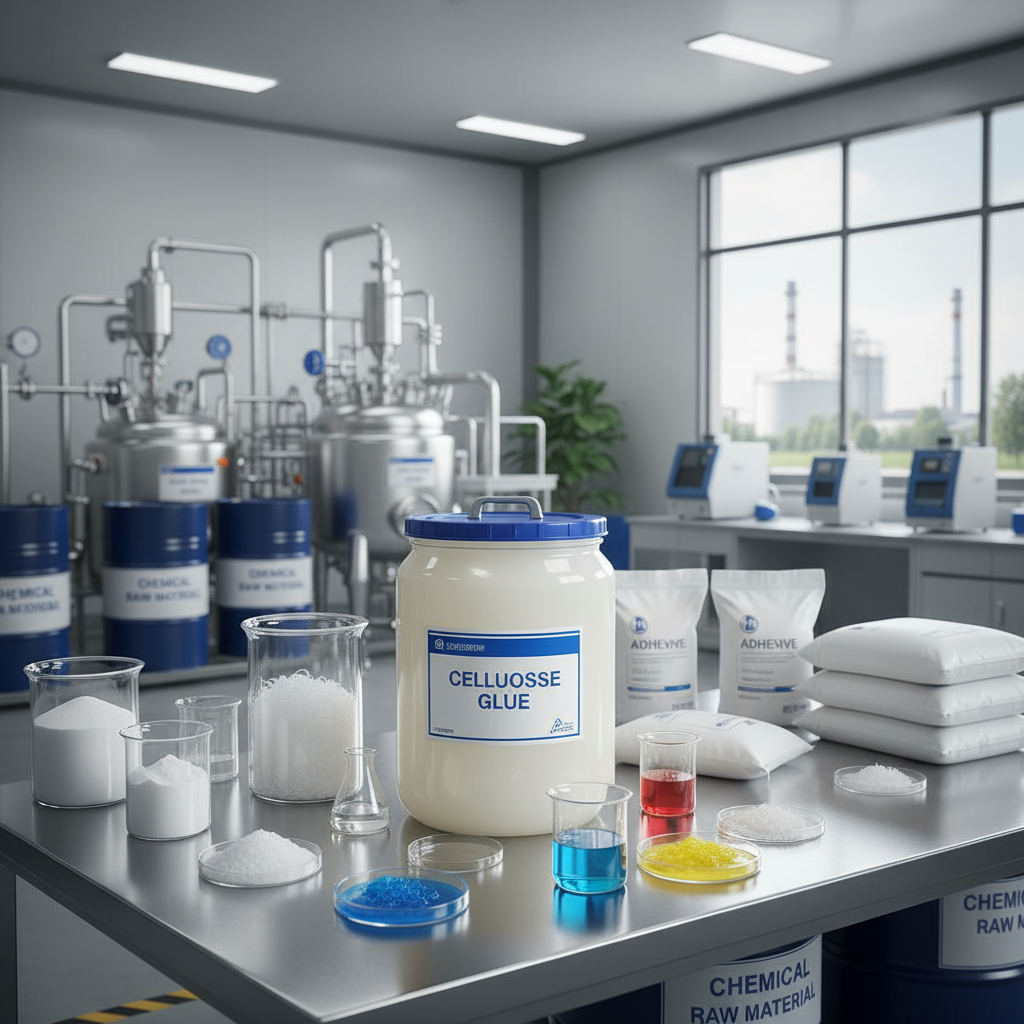 Cellulose glue, a versatile and eco-friendly adhesive, is gaining prominence across numerous industries. Derived from plant cellulose, it offers a sustainable alternative to traditional petroleum-based glues. This article dives deep into the properties, applications, benefits, and future trends of cellulose glue, providing valuable insights for manufacturers, researchers, and anyone interested in sustainable adhesive solutions. We’ll explore its diverse uses and why it’s becoming a preferred choice for a greener future. Cellulose glue is a bio-based adhesive created from cellulose, the most abundant organic polymer on Earth. It’s typically produced by chemically modifying cellulose sourced from wood pulp or other plant materials. This modification enhances its adhesive properties, making it suitable for a wide array of applications. The process often involves carboxymethylation, creating carboxymethyl cellulose (CMC), a common form of cellulose glue. It’s prized for being non-toxic, biodegradable, and offering good adhesion to various substrates.Read more