



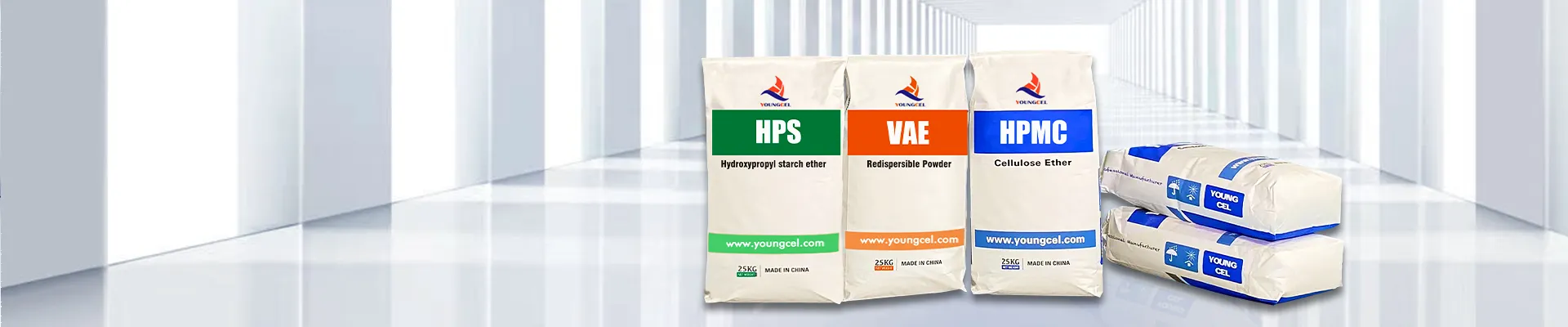
Choosing the Right Adhesive for Tile: A Comprehensive Guide
Selecting the appropriate adhesive for tile is crucial for a long-lasting and aesthetically pleasing installation. With countless options available, understanding the different types, their applications, and key considerations can seem daunting. This article will provide a detailed overview of tile adhesives, guiding you through the selection process and ensuring a successful tiling project. Whether you’re a DIY enthusiast or a professional installer, this guide will equip you with the knowledge to choose the best adhesive for your specific needs.
Understanding Different Types of Tile Adhesive
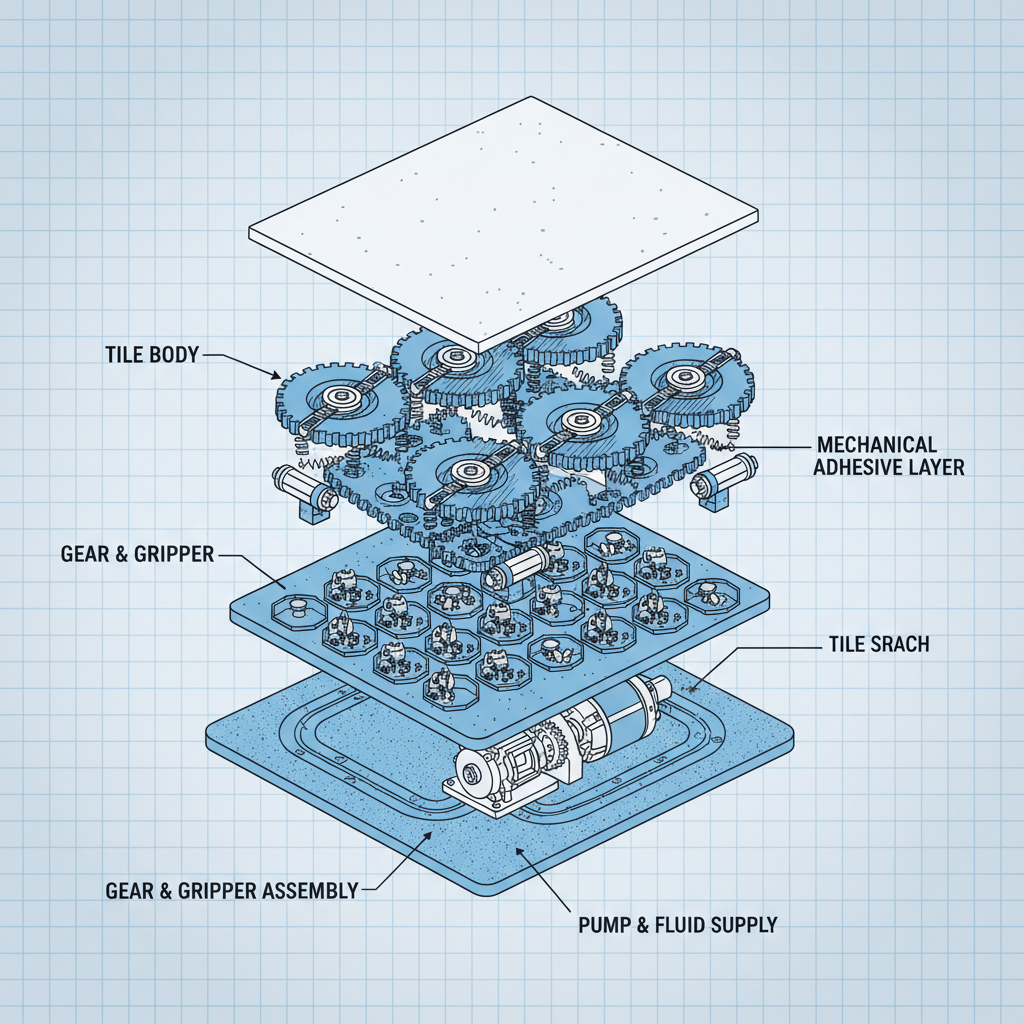
Tile adhesives aren’t one-size-fits-all. They vary significantly based on their composition, strength, and intended use. Some common types include cement-based adhesives, epoxy-based adhesives, and pre-mixed adhesives. Cement-based adhesives are the most widely used, cost-effective, and suitable for most common tile types like ceramic and porcelain. Epoxy adhesives offer superior strength, water resistance, and chemical resistance, making them ideal for demanding environments like showers, kitchens, and industrial applications. Pre-mixed adhesives, also known as mastic, are convenient for small projects but generally lack the strength and durability of cement or epoxy-based options. Choosing the right type is the first step towards a successful installation. Youngcel provides a wide range of adhesive solutions for diverse tiling needs.
Key Takeaway: The optimal adhesive depends on the tile type, substrate, and the environment where the tiles will be installed.
Cement-Based vs. Epoxy-Based Adhesives
The choice between cement-based and epoxy-based adhesives often comes down to the project’s requirements. Cement-based adhesives are affordable, easy to use, and provide good adhesion for most standard tiles. However, they can be susceptible to moisture and may not be ideal for wet areas. Epoxy adhesives, on the other hand, offer exceptional strength, water resistance, and chemical resistance. They are more expensive and require careful mixing, but they are the preferred choice for demanding applications. Understanding the pros and cons of each type is critical for making the right decision.
Key Differences:
• Strength: Epoxy adhesives are significantly stronger than cement-based adhesives.
• Water Resistance: Epoxy adhesives are completely waterproof, while cement-based adhesives are water-resistant but can be porous.
• Cost: Cement-based adhesives are more affordable than epoxy adhesives.
• Ease of Use: Cement-based adhesives are generally easier to mix and apply.
Factors to Consider When Choosing an Adhesive for Tile
Several factors influence the selection of the correct tile adhesive. The type of tile (ceramic, porcelain, glass, stone, etc.) is paramount, as different tiles have varying porosity and weight. The substrate (concrete, wood, drywall, etc.) also plays a crucial role, as some adhesives are not suitable for all surfaces. Environmental conditions, such as exposure to moisture and temperature fluctuations, must also be considered. Finally, the intended use of the tiled area (floor, wall, shower, etc.) will dictate the required level of strength and water resistance. Youngcel’s technical team can provide expert advice tailored to your specific project.
Youngcel Adhesive Solutions: A Range for Every Need
Youngcel offers a comprehensive range of tile adhesives designed to meet diverse project requirements. Our product line includes cement-based adhesives for general-purpose tiling, high-performance epoxy adhesives for demanding applications, and specialized adhesives for specific tile types like glass and natural stone. We prioritize quality and performance, ensuring our adhesives deliver exceptional adhesion, durability, and water resistance. We also offer technical support and guidance to help you select the right adhesive for your project.
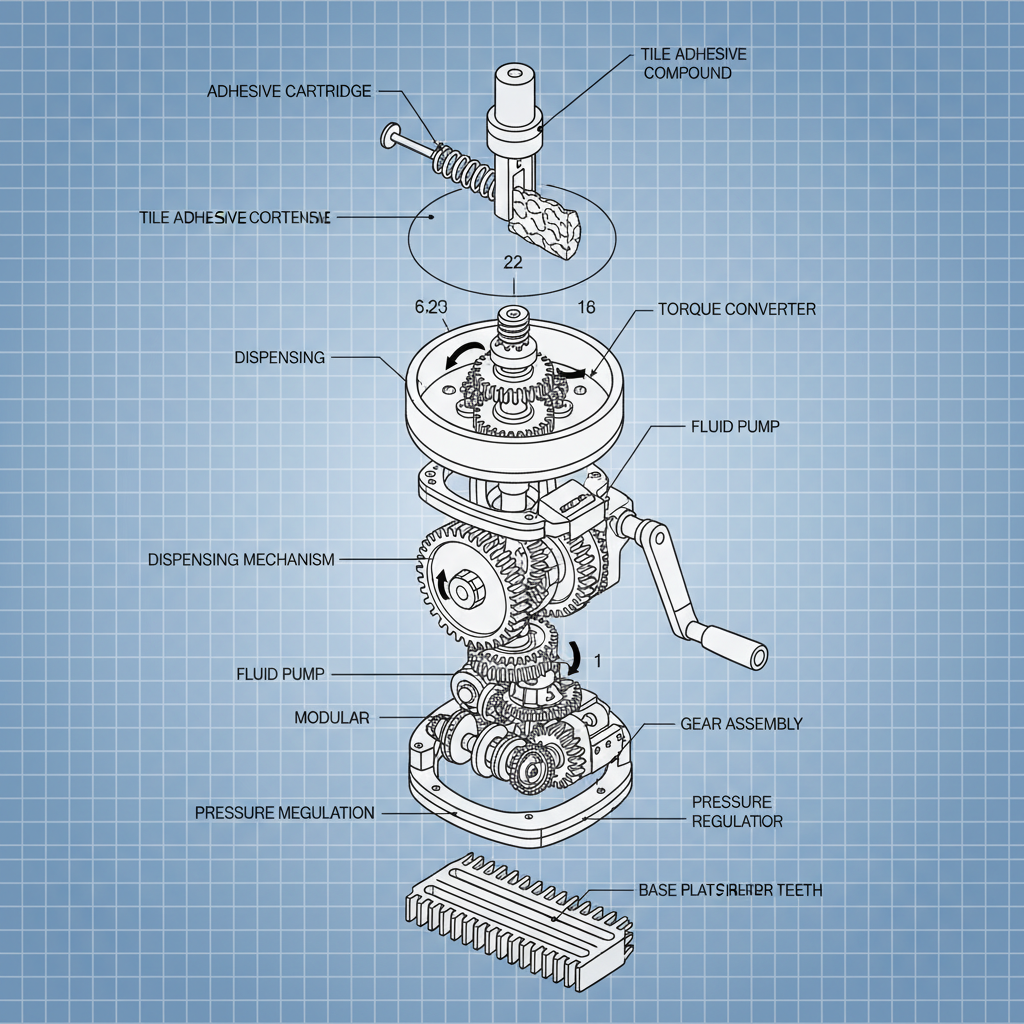
Product Spotlight: Youngcel YC100 – High-Performance Epoxy Adhesive
Youngcel YC100 is a two-part epoxy adhesive designed for heavy-duty tiling applications. It provides exceptional bond strength, water resistance, and chemical resistance, making it ideal for showers, kitchens, and industrial environments. YC100 is suitable for a wide range of tile types, including porcelain, ceramic, glass, and natural stone.
Conclusion: The Foundation of a Lasting Tile Installation
Choosing the right adhesive for tile is a critical step in ensuring a beautiful and durable tiling project. By considering the tile type, substrate, environmental conditions, and intended use, you can select the adhesive that will provide the best possible results. Youngcel offers a wide range of high-quality adhesives, along with expert technical support to help you make the right choice. Invest in the right adhesive and enjoy a tile installation that will last for years to come.
Frequently Asked Questions (FAQs)
What is the difference between thin-set and mastic?
Thin-set is a cement-based powder that’s mixed with water to create an adhesive. It’s much stronger and more durable than mastic and is recommended for most tiling applications, especially floors and areas exposed to moisture. Mastic is a pre-mixed adhesive that’s convenient for small projects, but it's not as strong or water-resistant as thin-set. It is generally only suitable for small, dry areas with minimal traffic. Thin-set offers a longer lifespan and a more reliable bond.
How do I prepare the substrate before applying tile adhesive?
Proper substrate preparation is crucial for a successful tile installation. The substrate must be clean, dry, level, and structurally sound. Remove any dust, debris, grease, or loose particles. Fill any cracks or holes with a suitable patching compound. For non-porous surfaces, such as concrete, priming is often necessary to improve adhesion. Following the adhesive manufacturer’s instructions regarding substrate preparation is essential.
Can I use tile adhesive on wood floors?
Using tile adhesive directly on wood floors requires careful consideration. The wood substrate must be structurally sound, properly supported, and free of movement. A decoupling membrane should be installed over the wood to prevent cracking and shifting of the tiles. Specialized adhesives formulated for wood substrates are also available. It’s highly recommended to consult with a tiling professional before attempting to install tiles on a wood floor.
What is the best way to clean up excess tile adhesive?
The cleanup method depends on the type of adhesive used. Cement-based adhesives can be cleaned up with a damp sponge or cloth while still wet. Epoxy adhesives require a solvent-based cleaner specifically designed for epoxy resins. Always follow the adhesive manufacturer’s instructions for cleanup procedures. It’s important to remove excess adhesive promptly to prevent it from hardening and becoming difficult to remove.
-
Industrial Guide to High Performance Ceramic Adhesives UseNewsApr.16,2026
-
Ultimate Guide to Choosing the Right Cement Wall PaintNewsApr.09,2026
-
Comprehensive Guide to Cement Thickeners for Construction and Oil DrillingNewsApr.07,2026
-
Optimizing Construction with Advanced Cement Mortar Additive SolutionsNewsApr.04,2026
-
Understanding Cement Glue for Construction and DIY ProjectsNewsMar.31,2026
-
Effective Cement Dissolver Chemical Solutions for Construction and IndustryNewsMar.28,2026