




HPMC Cellulose: A Comprehensive Guide to Applications and Benefits
Hydroxypropyl Methylcellulose (HPMC) is a versatile cellulose ether widely utilized across various industries, including construction, pharmaceuticals, food, and cosmetics. Its unique properties – thickening, binding, film-forming, and water retention – make it an invaluable ingredient in numerous applications. This article provides an in-depth look at HPMC cellulose, exploring its properties, manufacturing, applications, and benefits. We’ll also explore why choosing a reliable supplier like Youngcel is crucial for consistent quality and performance.

Understanding HPMC Cellulose and its Key Properties
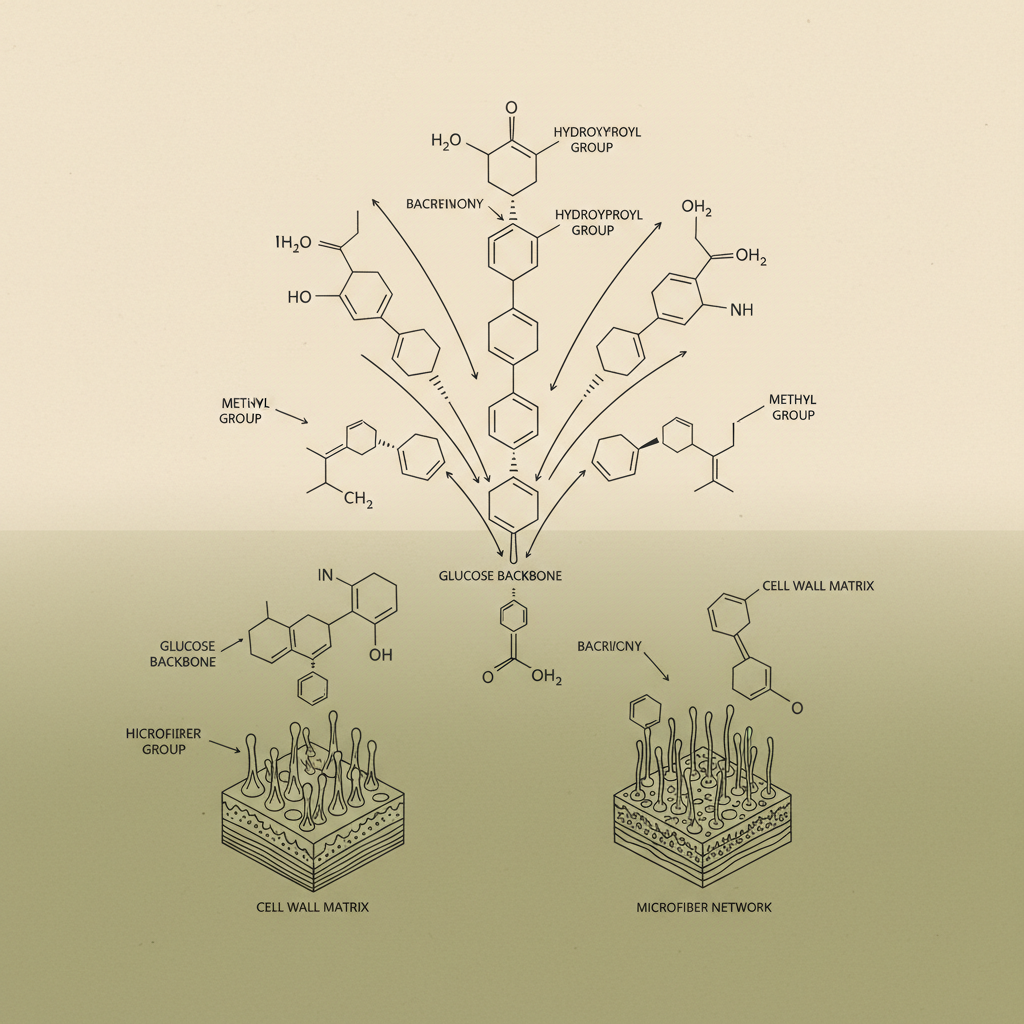
HPMC is derived from cellulose, a natural polymer found in plant cell walls. Through a chemical modification process, cellulose is reacted with methyl chloride and propylene oxide to create HPMC. The degree of substitution (DS) determines the specific properties of the resulting HPMC grade. Key properties include water solubility, thermal gelation (forming a gel when heated), and compatibility with a wide range of polymers and resins. It's available in various viscosity grades, impacting its thickening capabilities. The higher the viscosity, the greater the thickening effect. Youngcel offers a comprehensive range of HPMC grades tailored to diverse application needs.
Key Highlights: HPMC is a non-ionic water-soluble polymer derived from cellulose, offering excellent thickening, binding, film-forming, and water retention properties. Its thermal gelation characteristic makes it useful in many applications.
Applications of HPMC Cellulose Across Industries
HPMC’s versatility allows it to excel in various industries. In construction, it’s a crucial component in cement-based mortars, tile adhesives, and self-leveling compounds, improving workability, adhesion, and water retention. In the pharmaceutical industry, it functions as a binder, film-coating agent, and controlled-release matrix in tablets and capsules. The food industry utilizes HPMC as a thickener, stabilizer, and emulsifier in sauces, dressings, and baked goods. Cosmetic formulations benefit from its thickening and film-forming properties in creams, lotions, and shampoos. Youngcel's HPMC products are specifically engineered to meet the stringent requirements of these diverse sectors.
Application Areas:
• Construction: Mortars, Tile Adhesives, Self-Leveling Compounds
• Pharmaceuticals: Tablets, Capsules, Coatings
• Food: Sauces, Dressings, Baked Goods
• Cosmetics: Creams, Lotions, Shampoos
HPMC Cellulose Grades and Viscosity – Choosing the Right Product
HPMC comes in a wide array of viscosity grades, typically measured in millipascal-seconds (mPa·s). Selecting the appropriate viscosity is crucial for optimal performance. Lower viscosity grades are suitable for applications requiring easy flow and minimal thickening, while higher viscosity grades provide greater thickening and suspension capabilities. The choice depends on the specific formulation and desired end-product characteristics. Youngcel provides technical expertise to assist customers in selecting the ideal HPMC grade for their specific application.
Benefits of Using HPMC Cellulose
Utilizing HPMC cellulose offers several advantages, including improved product consistency, enhanced stability, increased efficiency in manufacturing processes, and improved performance characteristics. Its non-toxicity and biocompatibility make it a safe option for food and pharmaceutical applications. The consistent quality offered by suppliers like Youngcel further ensures reliable and predictable results.
Quality Control and Sourcing Reliable HPMC Cellulose
Ensuring the quality of HPMC cellulose is paramount. Look for suppliers with robust quality control systems, including rigorous testing for viscosity, moisture content, purity, and heavy metal contamination. Certifications like ISO 9001 demonstrate a commitment to quality management. Youngcel utilizes advanced analytical techniques and adheres to stringent quality standards to guarantee consistent product performance. Choosing a trusted supplier is a critical step in achieving optimal results.
Conclusion: Harnessing the Power of HPMC Cellulose
HPMC cellulose is a truly versatile polymer with a vast range of applications across numerous industries. Its unique properties and benefits make it an indispensable ingredient in countless formulations. Partnering with a reputable supplier like Youngcel ensures access to high-quality HPMC cellulose, expert technical support, and reliable performance. Embrace the potential of HPMC and elevate your product formulations today.
Frequently Asked Questions (FAQs)
What are the storage recommendations for HPMC cellulose?
HPMC cellulose should be stored in a cool, dry, and well-ventilated area, away from direct sunlight, heat, and moisture. Properly sealed containers are essential to prevent moisture absorption, which can affect its viscosity and performance. Avoid storing it near strong oxidizing agents or incompatible chemicals. Following these guidelines will ensure the product maintains its quality and functionality over its shelf life.
Is HPMC cellulose biodegradable?
While HPMC is derived from a natural source (cellulose), its degree of biodegradability depends on its molecular weight and degree of substitution. Generally, HPMC exhibits limited biodegradability under typical environmental conditions. However, it is considered more environmentally friendly than many synthetic polymers. Ongoing research explores methods to enhance its biodegradability further.
How does HPMC affect the workability of cement-based mortars?
HPMC significantly improves the workability of cement-based mortars by enhancing water retention, reducing segregation, and providing a more cohesive mixture. This allows for easier application, better adhesion to substrates, and improved finishing characteristics. It also reduces the need for excessive water, resulting in a stronger and more durable final product.
Can HPMC be used in vegan food formulations?
Yes, HPMC is widely used in vegan food formulations as a plant-derived ingredient. It serves as a valuable thickening agent, stabilizer, and emulsifier in various vegan products, including sauces, desserts, and plant-based milk alternatives. Its neutral taste and odorless nature make it an ideal ingredient for enhancing texture and consistency without affecting the overall flavor profile.
-
Industrial Guide to High Performance Ceramic Adhesives UseNewsApr.16,2026
-
Ultimate Guide to Choosing the Right Cement Wall PaintNewsApr.09,2026
-
Comprehensive Guide to Cement Thickeners for Construction and Oil DrillingNewsApr.07,2026
-
Optimizing Construction with Advanced Cement Mortar Additive SolutionsNewsApr.04,2026
-
Understanding Cement Glue for Construction and DIY ProjectsNewsMar.31,2026
-
Effective Cement Dissolver Chemical Solutions for Construction and IndustryNewsMar.28,2026