



Choosing the Right Adhesive for Wall Applications
Selecting the appropriate adhesive for wall applications is crucial for achieving a durable and aesthetically pleasing result. Different wall materials and project requirements demand specific adhesive properties. This article provides a comprehensive guide to navigating the world of wall adhesives, covering types, applications, and considerations for optimal performance. Understanding the nuances of adhesives will ensure a successful and long-lasting bond, avoiding costly repairs and ensuring the safety of your project. From light-duty mounting to heavy-duty construction, we'll cover the key factors to consider.
Types of Adhesives for Wall Applications
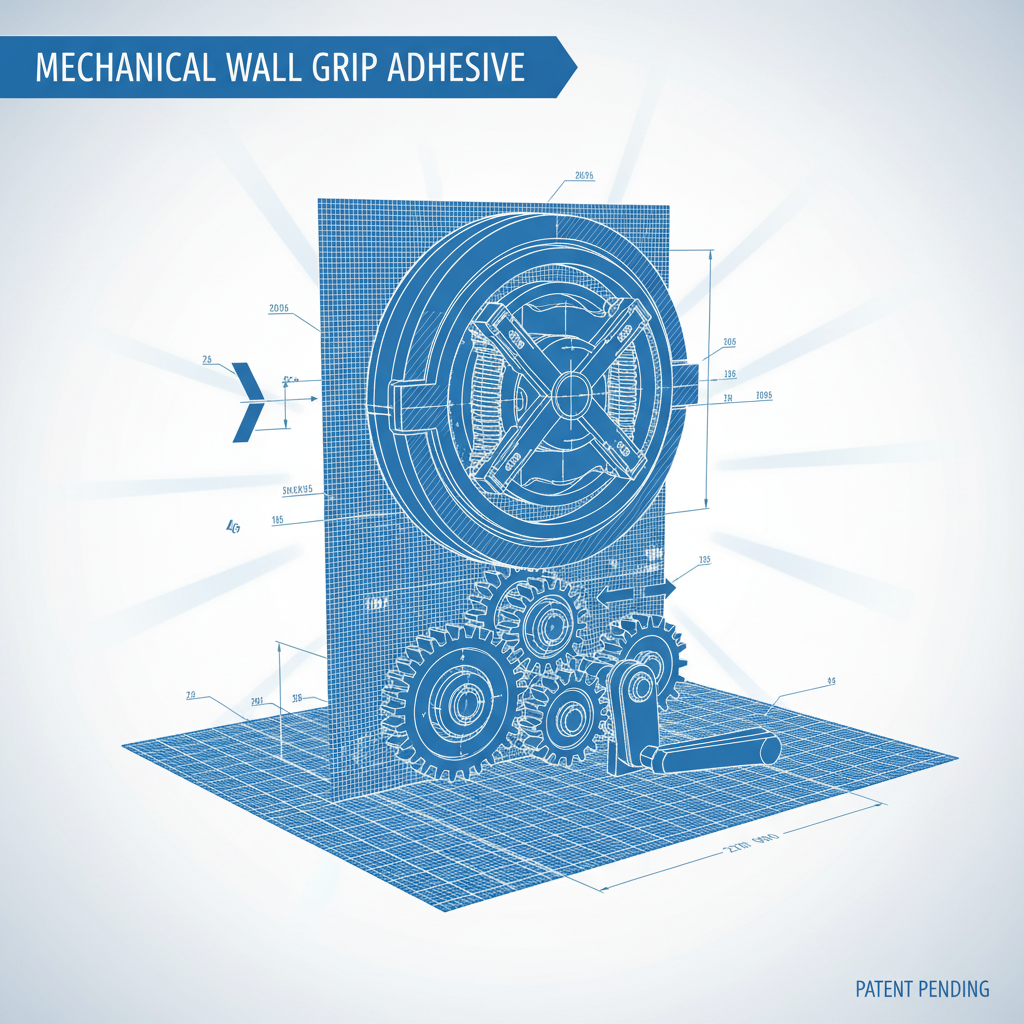
The market offers a wide array of adhesives tailored for wall applications. Common types include construction adhesives, wallpaper pastes, mounting adhesives, and specialty adhesives for specific materials like tile or paneling. Construction adhesives, often solvent-based or water-based, provide strong bonds for heavier materials. Wallpaper pastes are designed for paper and vinyl coverings. Mounting adhesives are ideal for lighter objects like pictures and mirrors. Choosing the right type depends on the weight of the object, the wall surface, and the desired permanence. Youngcel offers a diverse portfolio of adhesives suited for various wall applications.
Key Highlights: Selecting the right adhesive type is paramount for a secure and lasting bond. Consider the weight of the object, wall material, and desired permanence of the application.
Understanding Wall Material Compatibility
Different wall materials – drywall, plaster, concrete, wood paneling, tile – require adhesives with specific properties. For instance, drywall needs adhesives that won’t damage the surface upon removal, while concrete requires high-strength adhesives that can withstand moisture and temperature fluctuations. Always check the adhesive’s product label to ensure it’s compatible with your wall surface. Using an incompatible adhesive can lead to poor adhesion, damage to the wall, or even structural failure. Youngcel's technical data sheets provide detailed compatibility information.
Wall Material & Adhesive Considerations:
• Drywall: Use adhesives designed for delicate surfaces, avoiding solvent-based options.
• Concrete: Opt for high-strength, moisture-resistant adhesives.
• Wood Paneling: Choose adhesives formulated for porous surfaces.
• Tile: Utilize tile-specific adhesives like thin-set mortar or epoxy.
Adhesive for Wall: A Comparative Analysis
Different adhesives vary in strength, application method, and cost. Comparing key characteristics will help you select the best option. For example, construction adhesives provide the highest strength but can be messy to apply. Mounting adhesives are cleaner but suitable for lighter loads. Here’s a comparison:
Factors Influencing Adhesive Performance
Several factors can impact an adhesive's performance. These include temperature, humidity, surface cleanliness, and proper application technique. Ensure surfaces are clean, dry, and free from dust or grease before applying adhesive. Follow the manufacturer's instructions regarding application thickness and curing time. Proper ventilation is also important, especially when using solvent-based adhesives. Consider using a primer to enhance adhesion on porous surfaces.
Product Specifications & Considerations
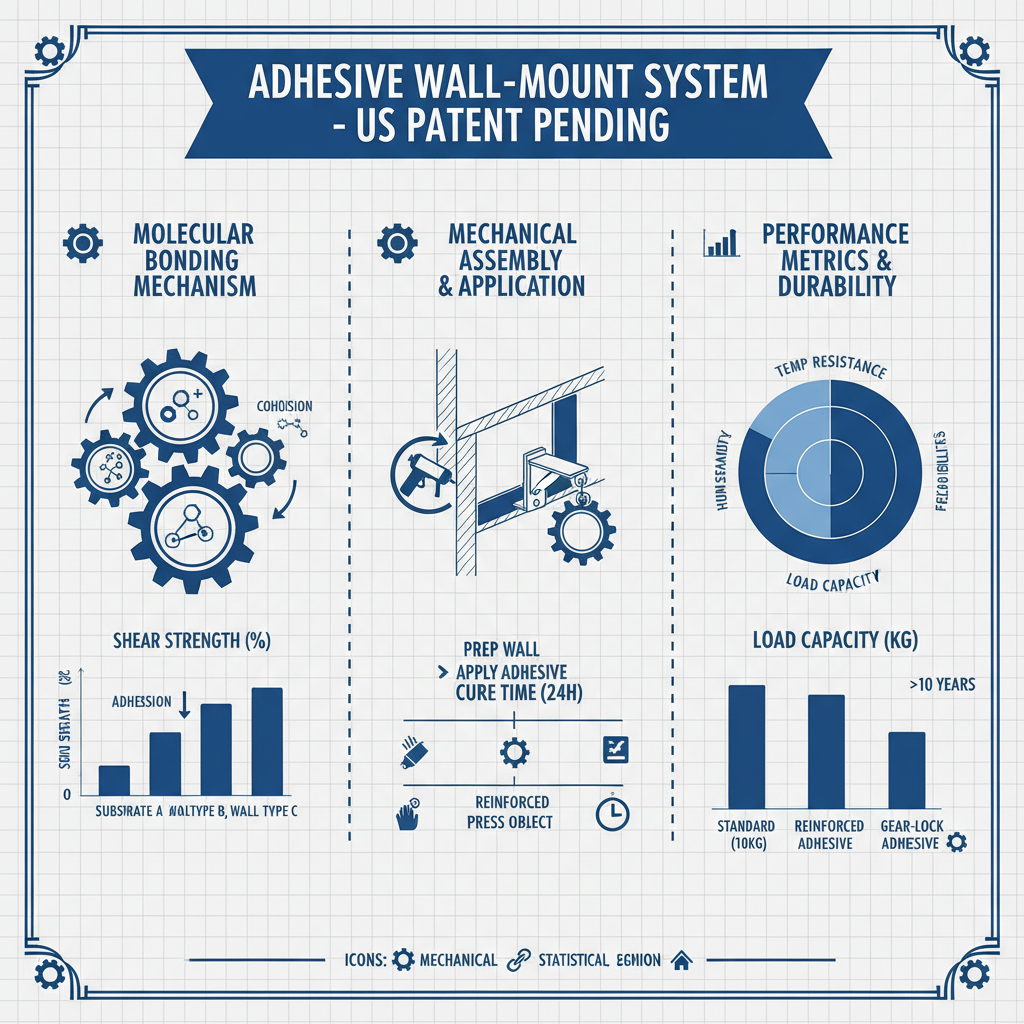
When selecting an adhesive for wall applications, it's crucial to consider its technical specifications, including shear strength, tensile strength, open time, and viscosity. These properties dictate the adhesive’s ability to withstand stress and maintain a bond over time. Furthermore, assess the environmental impact and VOC (Volatile Organic Compound) content, particularly for indoor applications. Choosing a low-VOC adhesive contributes to healthier indoor air quality.
Conclusion: Selecting the Optimal Adhesive
Choosing the right adhesive for wall applications requires careful consideration of the wall material, the object’s weight, and environmental factors. Investing in a high-quality adhesive from a reputable manufacturer like Youngcel ensures a durable, reliable, and aesthetically pleasing result. Proper preparation and application techniques are equally important for maximizing adhesive performance.
Frequently Asked Questions (FAQs)
What is the best adhesive for hanging heavy items on drywall?
For hanging heavy items on drywall, a construction adhesive specifically designed for drywall is recommended. Alternatively, using drywall anchors in conjunction with screws can provide a more secure hold. Avoid relying solely on mounting tapes or adhesives with low shear strength for heavy loads. Consider the weight capacity of the adhesive and anchor, and always err on the side of caution. Youngcel offers a range of high-strength adhesives suitable for various drywall applications.
How can I remove old adhesive from a wall?
Removing old adhesive depends on the adhesive type. For water-based adhesives, warm soapy water and a scraper can often suffice. For stronger adhesives, you may need a solvent-based adhesive remover, but always test it in an inconspicuous area first to ensure it doesn't damage the wall surface. Be cautious when using solvents and ensure proper ventilation. A heat gun (used carefully) can also soften some adhesives for easier removal.
Is it necessary to prime the wall before applying adhesive?
Priming the wall is generally recommended, especially for porous surfaces like drywall or wood paneling. A primer creates a more uniform surface, improving adhesive adhesion and preventing the adhesive from being absorbed into the wall material. This results in a stronger and more durable bond. Using a primer also helps to seal the surface, preventing moisture from penetrating and causing damage.
What are VOCs and why should I choose a low-VOC adhesive?
VOCs (Volatile Organic Compounds) are chemicals released from certain adhesives and other materials. They can contribute to indoor air pollution and potentially cause health problems. Choosing a low-VOC adhesive minimizes these emissions, creating a healthier indoor environment. Low-VOC adhesives are particularly important in enclosed spaces or for individuals with sensitivities to chemicals. Youngcel offers a selection of low-VOC adhesives for environmentally conscious projects.
-
Industrial Guide to High Performance Ceramic Adhesives UseNewsApr.16,2026
-
Ultimate Guide to Choosing the Right Cement Wall PaintNewsApr.09,2026
-
Comprehensive Guide to Cement Thickeners for Construction and Oil DrillingNewsApr.07,2026
-
Optimizing Construction with Advanced Cement Mortar Additive SolutionsNewsApr.04,2026
-
Understanding Cement Glue for Construction and DIY ProjectsNewsMar.31,2026
-
Effective Cement Dissolver Chemical Solutions for Construction and IndustryNewsMar.28,2026