



Understanding Cellulose Ether Chemical Adhesive: Applications & Benefits
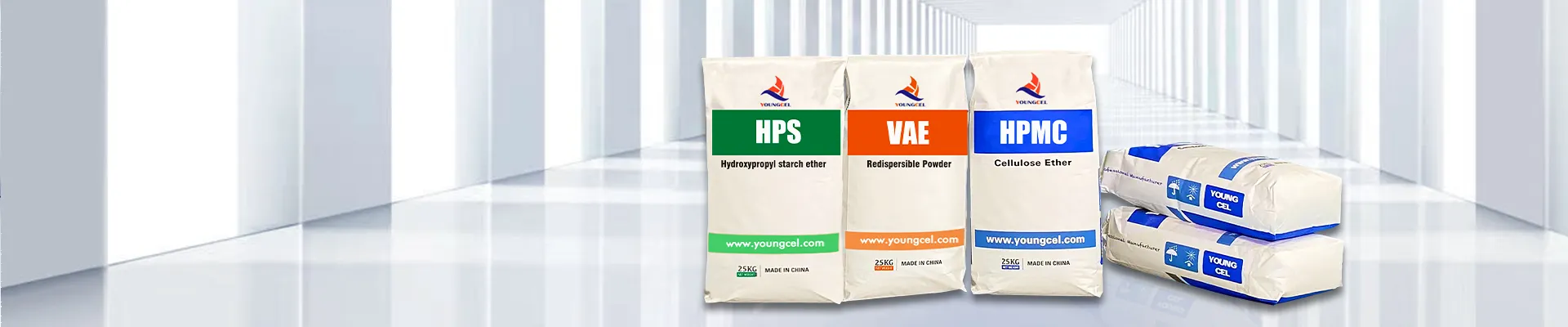
Cellulose ether chemical adhesives are a versatile class of materials utilized across numerous industries, known for their excellent thickening, binding, and film-forming properties. These adhesives, derived from natural cellulose, offer a sustainable and effective solution for a wide array of applications. From construction materials to pharmaceutical formulations, understanding their characteristics is vital for optimizing performance. Youngcel specializes in the production of high-quality cellulose ethers tailored to meet specific adhesive needs. This article will delve into the properties, applications, and advantages of cellulose ether chemical adhesives, providing a comprehensive overview for professionals and researchers alike.
What are Cellulose Ether Chemical Adhesives?
Cellulose ethers are produced by chemically modifying cellulose, a natural polymer found in plant cell walls. The modification process involves reacting cellulose with various reagents to introduce ether groups, altering its solubility and properties. These modified celluloses exhibit excellent water retention, thickening capabilities, and adhesive strength. Commonly used cellulose ethers in adhesive formulations include Methyl Cellulose (MC), Hydroxypropyl Methyl Cellulose (HPMC), Hydroxyethyl Cellulose (HEC), and Ethyl Cellulose (EC). Each type offers unique characteristics suitable for different adhesive applications. The versatility of these compounds makes them ideal for both water-based and solvent-based adhesive systems.
Key Properties: Excellent thickening, water retention, film-forming ability, biocompatibility, and thermal stability.
Cellulose Ether Types and Their Adhesive Characteristics
Different cellulose ether types possess distinct properties that influence their performance as adhesives. HPMC, for example, offers superior water retention and film-forming capabilities, making it ideal for tile adhesives and cement-based mortars. MC provides excellent thickening and is commonly used in wallpaper pastes and textile sizing. HEC is known for its alkali resistance and is often utilized in exterior adhesives and paints. Ethyl Cellulose (EC) is a water-insoluble cellulose ether offering excellent film strength and is often employed in solvent-based adhesives. Selecting the appropriate cellulose ether is crucial for achieving optimal adhesive performance.
Key Cellulose Ether Types:
• Methyl Cellulose (MC): Thickening, wallpaper pastes
• Hydroxypropyl Methyl Cellulose (HPMC): Water retention, tile adhesives
• Hydroxyethyl Cellulose (HEC): Alkali resistance, exterior adhesives
• Ethyl Cellulose (EC): Film strength, solvent-based adhesives
Applications of Cellulose Ether Chemical Adhesive
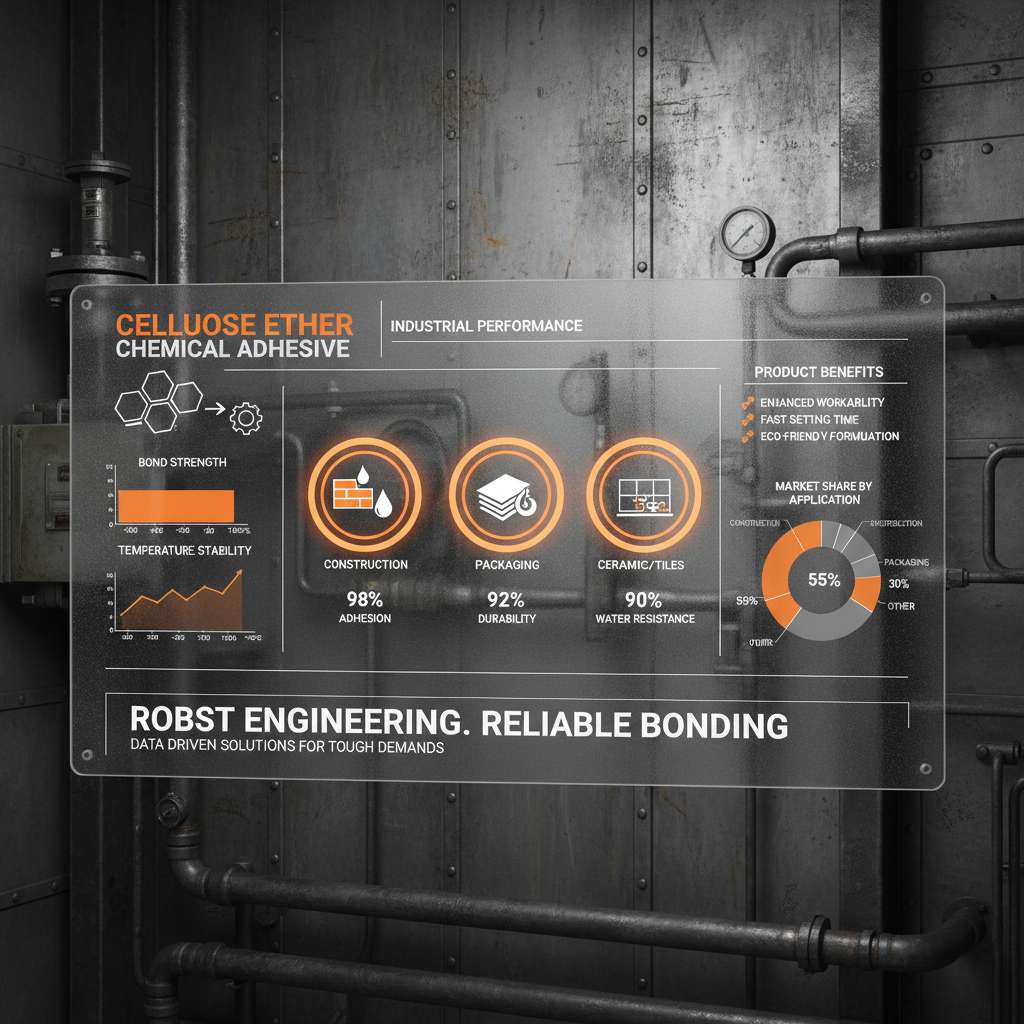
The diverse properties of cellulose ethers make them indispensable in a wide range of adhesive applications. These include construction adhesives like tile adhesives, cement renders, and self-leveling compounds, where water retention and workability are essential. In the paper industry, they are used in packaging adhesives and coating formulations. Pharmaceutical applications utilize cellulose ethers as binders and film-coating agents for tablets. Furthermore, they find application in textile printing, wallpaper pastes, and even food processing. Youngcel’s range of cellulose ethers caters to these varied needs, providing customized solutions for optimal performance.
Advantages of Using Cellulose Ether Adhesives
Compared to traditional synthetic adhesives, cellulose ethers offer numerous advantages. They are derived from renewable resources, making them a sustainable and environmentally friendly option. Their excellent biocompatibility makes them suitable for sensitive applications like pharmaceuticals and food packaging. Cellulose ethers exhibit good thermal stability, maintaining their adhesive properties over a wide temperature range. Moreover, they are non-toxic, low-VOC (volatile organic compound), and contribute to healthier indoor environments. Youngcel is committed to providing sustainable adhesive solutions.
Choosing the Right Cellulose Ether Adhesive for Your Application
Selecting the most appropriate cellulose ether adhesive requires careful consideration of the application's specific requirements. Factors like viscosity, water retention, alkali resistance, and temperature stability all play a crucial role. It is essential to understand the compatibility of the cellulose ether with other components in the formulation. Working with a reputable supplier like Youngcel ensures access to high-quality products and expert technical support. We offer customized solutions to meet your unique adhesive needs, optimizing performance and ensuring long-term success.
Conclusion: Embracing Sustainable Adhesive Solutions
Cellulose ether chemical adhesives represent a compelling combination of performance, sustainability, and versatility. Their broad range of applications and inherent advantages make them an increasingly popular choice across various industries. By embracing these innovative adhesive solutions, businesses can reduce their environmental footprint and achieve superior results. Youngcel is dedicated to advancing the field of cellulose ether technology and providing our clients with cutting-edge adhesive solutions.
Frequently Asked Questions (FAQs)
What are the environmental benefits of using cellulose ether adhesives?
Cellulose ethers are derived from cellulose, a renewable resource sourced from plant cell walls. This makes them a more sustainable alternative to petroleum-based synthetic adhesives. Furthermore, cellulose ether production typically generates lower VOC emissions, contributing to cleaner air quality. Their biodegradability also minimizes environmental impact at the end of their lifecycle. Choosing cellulose ethers demonstrates a commitment to environmentally responsible practices.
How does temperature affect the performance of cellulose ether adhesives?
Cellulose ethers generally exhibit good thermal stability, maintaining their adhesive properties across a broad temperature range. However, extreme temperatures can affect their performance. High temperatures may lead to degradation and loss of viscosity, while low temperatures can increase viscosity and reduce flexibility. Selecting the appropriate cellulose ether grade and formulating with other additives can help mitigate these effects and ensure optimal performance under specific temperature conditions.
Can cellulose ether adhesives be used with other adhesive components?
Yes, cellulose ethers are commonly used in combination with other adhesive components, such as resins, polymers, and fillers, to tailor the adhesive’s properties. They can act as thickeners, stabilizers, and binders, enhancing overall performance. Compatibility between the cellulose ether and other components is crucial for achieving optimal results. Youngcel offers expert formulation advice and can assist in selecting compatible components for your specific application.
What is the shelf life of cellulose ether powders?
When stored properly in a cool, dry place, away from direct sunlight and moisture, cellulose ether powders generally have a shelf life of 2-3 years. However, it is essential to check the manufacturer’s specifications for the specific product. Over time, cellulose ethers can absorb moisture from the air, which can affect their performance. Proper packaging and storage are critical to maintaining their quality and ensuring optimal adhesive performance.
-
Industrial Guide to High Performance Ceramic Adhesives UseNewsApr.16,2026
-
Ultimate Guide to Choosing the Right Cement Wall PaintNewsApr.09,2026
-
Comprehensive Guide to Cement Thickeners for Construction and Oil DrillingNewsApr.07,2026
-
Optimizing Construction with Advanced Cement Mortar Additive SolutionsNewsApr.04,2026
-
Understanding Cement Glue for Construction and DIY ProjectsNewsMar.31,2026
-
Effective Cement Dissolver Chemical Solutions for Construction and IndustryNewsMar.28,2026