




Cellulose Market Price: A Comprehensive Analysis
Understanding the cellulose market price is crucial for businesses across numerous industries, from pharmaceuticals and food to construction and textiles. Cellulose, a versatile and renewable material, sees fluctuating prices influenced by factors like raw material costs, production capacity, and global demand. This article provides a detailed overview of current market trends, price drivers, regional variations, and future outlooks for cellulose. We'll explore how companies like Youngcel navigate these complexities to offer competitive pricing and reliable supply.
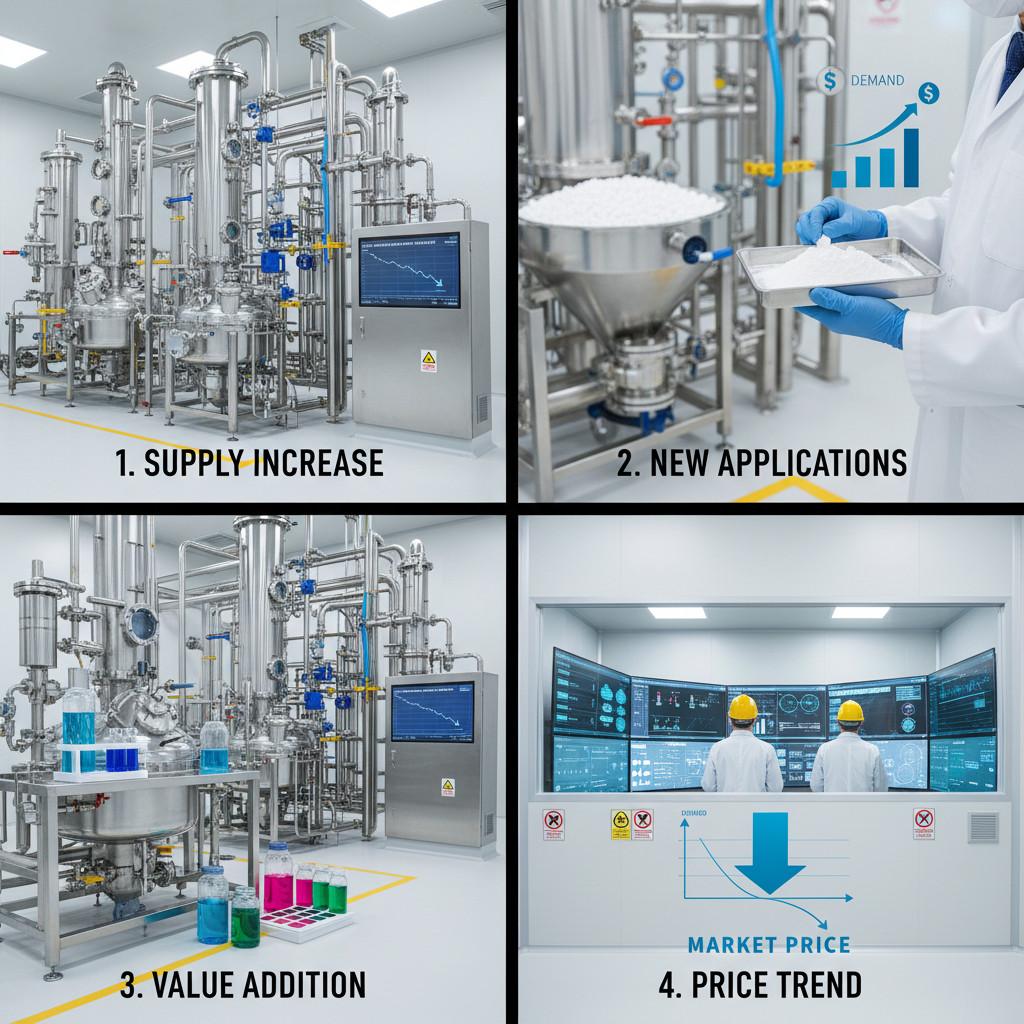
Key Factors Influencing Cellulose Market Price
Several key factors contribute to the volatility of the cellulose market price. Firstly, the cost of raw materials, primarily wood pulp, significantly impacts production expenses. Global timber harvests, forestry regulations, and transportation costs all play a role. Secondly, manufacturing capacity and technological advancements influence supply levels. Investments in new production facilities and more efficient processes can affect pricing. Finally, demand from end-use industries, such as the increasing use of cellulose in pharmaceuticals (microcrystalline cellulose) and food products (cellulose gum), drives market trends. Geopolitical events and global economic conditions also exert considerable influence.
Key Highlights: Raw material costs, manufacturing capacity, end-use demand, and global economic conditions all impact cellulose market price.
Regional Variations in Cellulose Pricing
Cellulose prices exhibit significant regional variations due to factors like transportation costs, local regulations, and supply-demand dynamics. North America and Europe typically experience higher prices compared to regions with abundant and readily available wood pulp sources, such as South America and parts of Asia. Furthermore, import tariffs and trade agreements can impact pricing in specific countries. Understanding these regional differences is crucial for sourcing strategies and cost optimization. Youngcel's global network allows us to navigate these complexities and deliver cost-effective solutions to our clients.
Regional Price Influencers:
• Transportation Costs
• Local Regulations
• Supply-Demand Dynamics
• Import Tariffs
Current Cellulose Market Price Trends
As of late 2023 and early 2024, the cellulose market price has been experiencing moderate fluctuations. Increased demand from the pharmaceutical sector, driven by the growing production of vaccines and generic drugs, has contributed to upward pressure on prices. However, stable wood pulp supplies and moderate economic growth in key regions have tempered significant price increases. The price of Microcrystalline Cellulose (MCC), a key pharmaceutical grade cellulose, has seen a slight increase of 3-5% compared to the previous year. We observe a gradual shift towards sustainable sourcing and bio-based materials, further influencing market dynamics.
Impact of Sustainability Initiatives on Cellulose Market Price
Growing demand for sustainable and eco-friendly materials is significantly impacting the cellulose market. Consumers and manufacturers are increasingly seeking cellulose sourced from responsibly managed forests, certified by organizations like the Forest Stewardship Council (FSC). This preference for sustainable sourcing can lead to higher prices for certified cellulose products. Companies like Youngcel are committed to sustainable practices, offering FSC-certified cellulose to meet the evolving needs of our customers.
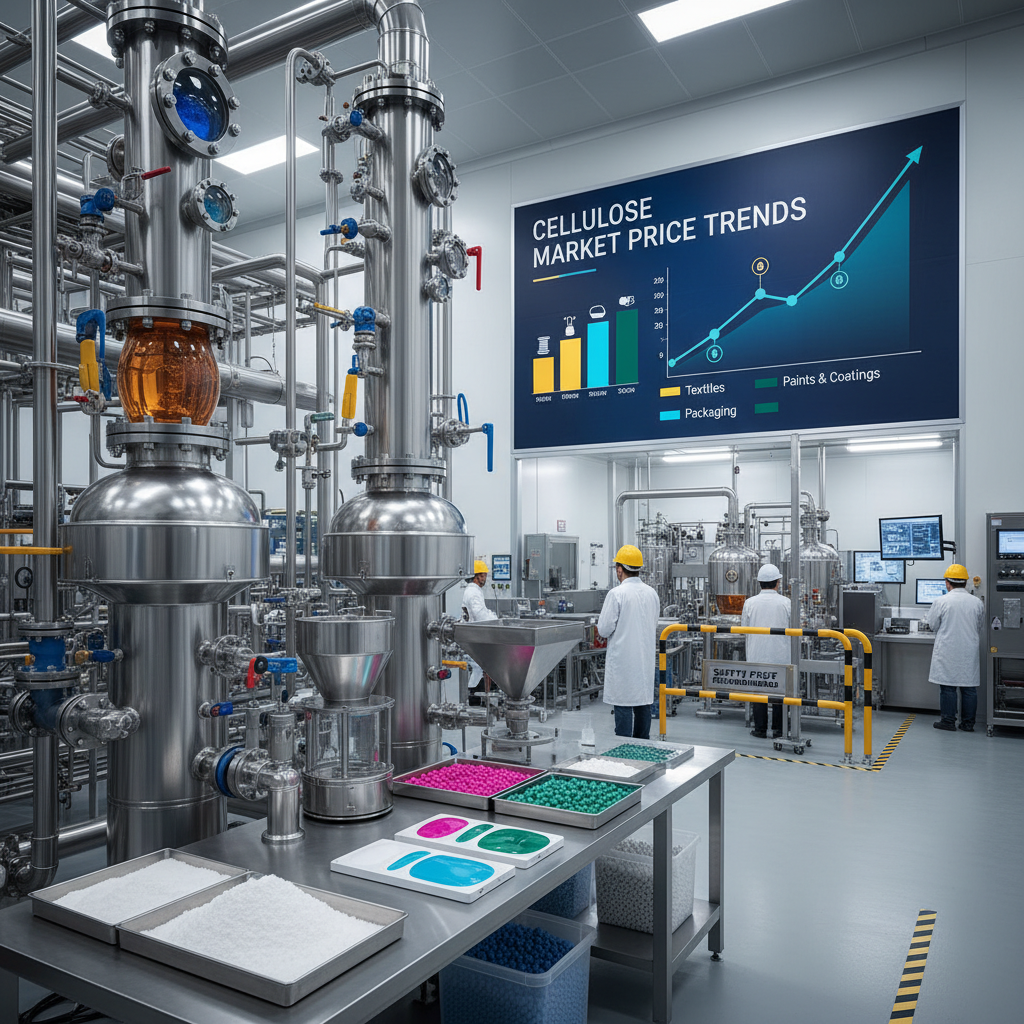
Future Outlook for the Cellulose Market
The cellulose market is expected to continue growing in the coming years, driven by increasing demand from diverse industries. The pharmaceutical, food, and textile sectors will remain key drivers. Innovation in cellulose-based materials, such as nanocellulose, is expected to create new applications and further boost demand. Monitoring raw material prices, geopolitical developments, and sustainability trends will be crucial for navigating the market effectively. Youngcel is positioned to meet these challenges and provide our clients with reliable, high-quality cellulose products at competitive prices.
Conclusion
The cellulose market price is influenced by a complex interplay of factors. Staying informed about these dynamics is crucial for businesses relying on cellulose. Youngcel offers expertise and reliable supply to help you navigate this market successfully.
Frequently Asked Questions (FAQs)
What factors are currently driving the increasing demand for cellulose?
Several factors contribute to the rising demand for cellulose. The pharmaceutical industry's increased use of microcrystalline cellulose (MCC) as an excipient in drug formulations is a major driver. The food industry utilizes cellulose derivatives like carboxymethyl cellulose (CMC) as thickening and stabilizing agents. Additionally, the growing demand for sustainable materials across various sectors, including textiles and packaging, boosts cellulose consumption. Consumer preferences for natural and biodegradable products further support market growth.
How can businesses mitigate the risks associated with cellulose price volatility?
Businesses can employ several strategies to mitigate price volatility risks. Long-term supply contracts with reputable suppliers like Youngcel can provide price stability. Diversifying sourcing options reduces reliance on a single supplier. Implementing inventory management strategies, such as just-in-time inventory, can minimize holding costs. Furthermore, staying informed about market trends and closely monitoring raw material prices is essential for proactive decision-making.
What is the role of nanotechnology in the future of the cellulose market?
Nanocellulose, with its exceptional strength, lightweight properties, and biodegradability, is poised to revolutionize the cellulose market. Its applications span diverse fields, including high-performance composites, biomedical engineering, and advanced packaging. Nanocellulose can enhance material properties, reduce weight, and improve sustainability. While currently more expensive than traditional cellulose, advancements in production technologies are expected to lower costs and expand its adoption across various industries.
How does Youngcel ensure competitive pricing for cellulose products?
Youngcel maintains competitive pricing through strategic sourcing, efficient production processes, and a strong global network. We establish long-term relationships with reliable raw material suppliers, enabling us to secure favorable pricing. Our streamlined operations and optimized logistics minimize production and transportation costs. Furthermore, we offer customized solutions and flexible ordering options to meet the specific needs of our clients. We are dedicated to providing high-quality cellulose products at the best possible value.
-
Industrial Guide to High Performance Ceramic Adhesives UseNewsApr.16,2026
-
Ultimate Guide to Choosing the Right Cement Wall PaintNewsApr.09,2026
-
Comprehensive Guide to Cement Thickeners for Construction and Oil DrillingNewsApr.07,2026
-
Optimizing Construction with Advanced Cement Mortar Additive SolutionsNewsApr.04,2026
-
Understanding Cement Glue for Construction and DIY ProjectsNewsMar.31,2026
-
Effective Cement Dissolver Chemical Solutions for Construction and IndustryNewsMar.28,2026