




High Quality Cellulose Ether HPMC: A Comprehensive Guide
Cellulose ethers, especially Hydroxypropyl Methylcellulose (HPMC), are versatile polymers widely used across numerous industries, including construction, pharmaceuticals, food, and personal care. Choosing a high quality HPMC is crucial for achieving optimal performance in your applications. This article delves into the properties, grades, applications, and key considerations when selecting HPMC. We'll explore why Youngcel offers consistently reliable and superior HPMC products.
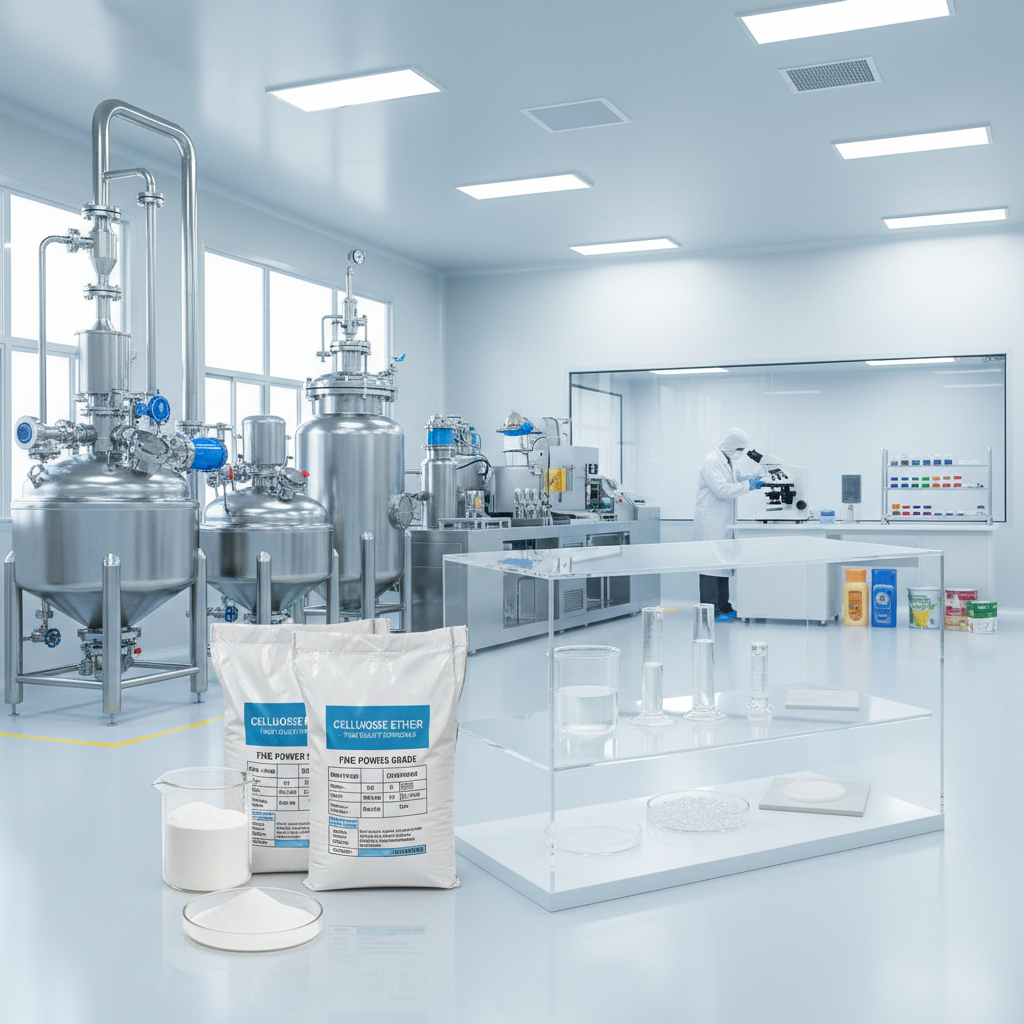
Understanding Cellulose Ether and HPMC
Cellulose ethers are derived from natural cellulose, a primary component of plant cell walls. HPMC, specifically, is created by chemically modifying cellulose with methyl and hydroxypropyl groups. This modification imparts unique properties, including water solubility, thickening, binding, film-forming capabilities, and thermal gelation. These characteristics make HPMC an invaluable ingredient in a diverse range of formulations. The degree of substitution (DS) of methyl and hydroxypropyl groups directly impacts HPMC’s properties like viscosity and gelation temperature. Youngcel’s HPMC products are meticulously manufactured to ensure consistent DS levels and superior performance.
Key Benefits of HPMC: Excellent water solubility, thickening efficiency, film-forming properties, thermal gelation, and biocompatibility.
Applications of High Quality HPMC
The versatility of HPMC leads to its widespread use across multiple industries. In construction, it's a vital component of tile adhesives, cement mortars, and self-leveling compounds, improving workability, adhesion, and water retention. In pharmaceuticals, HPMC acts as a binder, film coating agent, and controlled-release matrix. The food industry utilizes HPMC as a thickener, stabilizer, and emulsifier in products like sauces, dressings, and baked goods. Personal care products benefit from HPMC's thickening and film-forming properties in lotions, creams, and shampoos. Youngcel provides tailored HPMC grades to meet the specific requirements of each application.
HPMC Applications by Industry:
• Construction: Tile adhesives, mortars, self-leveling compounds
• Pharmaceuticals: Tablet binding, film coating, controlled release
• Food: Thickening, stabilization, emulsification
• Personal Care: Lotions, creams, shampoos
Choosing the Right HPMC Grade: Viscosity and Substitution
HPMC is available in various grades, primarily categorized by viscosity and the degree of methyl and hydroxypropyl substitution. Viscosity, measured in mPa·s (millipascal-seconds), determines the thickening power of the HPMC. Higher viscosity grades are suitable for applications requiring substantial thickening, while lower viscosity grades are used when a less pronounced effect is desired. The degree of substitution affects water solubility, gelation temperature, and surface activity. Selecting the optimal grade depends on the specific formulation and desired properties. Youngcel offers a comprehensive range of HPMC grades to cater to diverse needs.
Quality Control and Why Choose Youngcel?
Ensuring consistent quality is paramount when sourcing HPMC. Youngcel employs rigorous quality control measures throughout the manufacturing process, from raw material sourcing to final product testing. We adhere to stringent industry standards and provide comprehensive Certificates of Analysis (COA) with each batch. Our HPMC products are characterized by excellent purity, consistent viscosity, and reliable performance. We offer customized solutions and responsive technical support to meet your specific application requirements. Choosing Youngcel means partnering with a trusted supplier committed to quality and innovation.
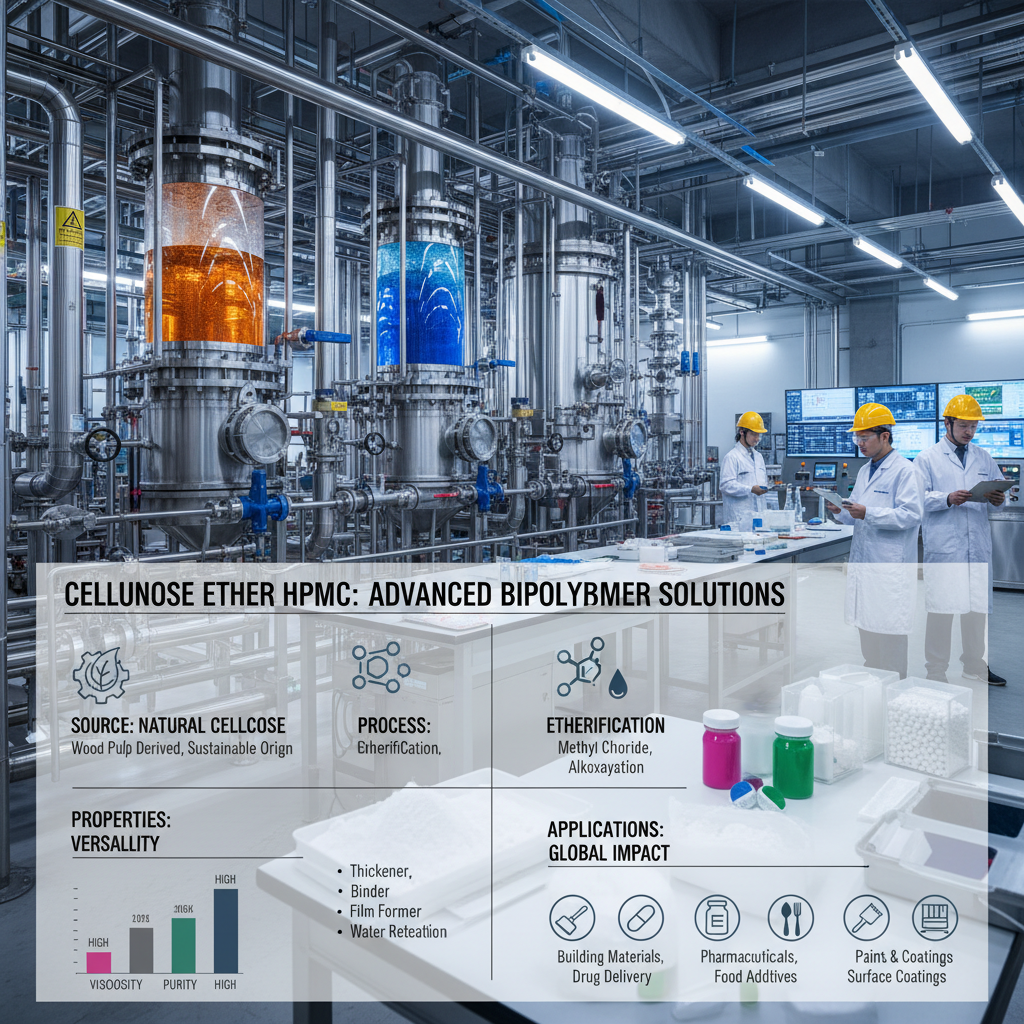
Product Specifications
Here are some key specifications for our standard HPMC grades:
Conclusion: Partner with Youngcel for Superior HPMC Solutions
Choosing the right high quality HPMC is crucial for the success of your applications. Youngcel offers a wide range of HPMC grades, consistent quality, and expert technical support. Contact us today to discuss your specific needs and discover how we can help you achieve optimal results.
Frequently Asked Questions (FAQs)
What is the shelf life of Youngcel HPMC?
When stored in a cool, dry place, away from direct sunlight and moisture, Youngcel HPMC typically has a shelf life of 2-3 years. Proper storage is essential to maintain its properties and performance. We recommend adhering to our storage guidelines to ensure optimal product quality over time. Avoid exposure to extreme temperatures or humidity. Checking the product’s appearance and performing basic viscosity tests can help determine if it remains suitable for use after extended storage.
How do I determine the correct HPMC viscosity for my application?
Determining the appropriate HPMC viscosity depends on the desired thickening effect, application method, and other ingredients in your formulation. For applications requiring significant thickening, such as construction adhesives, higher viscosity grades are typically preferred. Lower viscosity grades are often suitable for film coating or applications where a subtle thickening effect is desired. We recommend starting with a small-scale trial to evaluate different viscosity grades and determine the optimal choice for your specific needs. Our technical team can provide guidance and support in selecting the right grade.
Does Youngcel offer custom HPMC formulations?
Yes, Youngcel offers custom HPMC formulations tailored to meet specific customer requirements. We can adjust viscosity, particle size, and other properties to optimize performance in your application. Our team of experts will work closely with you to understand your needs and develop a customized solution. We have the capability to manufacture HPMC grades that are not available as standard products.
What safety precautions should be taken when handling HPMC?
HPMC is generally considered safe, but it's essential to follow standard industrial hygiene practices when handling it. Avoid creating dust, and if dust is present, wear a dust mask. Ensure adequate ventilation during mixing and processing. Avoid contact with eyes and skin. Refer to the Safety Data Sheet (SDS) for detailed safety information and handling precautions.
-
Industrial Guide to High Performance Ceramic Adhesives UseNewsApr.16,2026
-
Ultimate Guide to Choosing the Right Cement Wall PaintNewsApr.09,2026
-
Comprehensive Guide to Cement Thickeners for Construction and Oil DrillingNewsApr.07,2026
-
Optimizing Construction with Advanced Cement Mortar Additive SolutionsNewsApr.04,2026
-
Understanding Cement Glue for Construction and DIY ProjectsNewsMar.31,2026
-
Effective Cement Dissolver Chemical Solutions for Construction and IndustryNewsMar.28,2026