




Understanding Cellulose Ether Price: A Comprehensive Guide
Navigating the world of cellulose ethers can be complex, especially when trying to determine a fair cellulose ether price. Factors like grade, viscosity, application, and quantity significantly influence cost. This article provides a detailed overview of the pricing landscape, key considerations, and where to find competitive quotes. Understanding these elements empowers you to make informed purchasing decisions and secure the best value for your needs. We'll cover everything from HEC to HEMC, and how supply and demand affect pricing.

Factors Influencing Cellulose Ether Price
Several key factors drive the pricing of cellulose ethers. The most significant is the specific type of cellulose ether. Hydroxyethyl Cellulose (HEC), Hydroxypropyl Methylcellulose (HPMC), Carboxymethyl Cellulose (CMC), and Methyl Cellulose (MC) all have different production costs and, therefore, varying prices. Viscosity is another crucial factor; higher viscosity grades typically command higher prices due to increased manufacturing complexity. Quantity purchased plays a substantial role; bulk orders almost always benefit from discounted rates. Finally, the current market conditions—including raw material costs (wood pulp, ethylene oxide, methanol, etc.) and supply/demand dynamics—can cause price fluctuations. Understanding these elements is crucial when evaluating a cellulose ether price list.
Key Takeaway: Price variations are normal. Focus on the specific grade, viscosity, quantity needed, and supplier reputation to make the best decision.
A Comparison of Cellulose Ether Types & Price Ranges
Different cellulose ether types cater to distinct applications and come with varying price points. Here’s a general overview of typical price ranges (USD/kg) as of late 2023. These are approximate and subject to change. It's important to obtain current quotes from suppliers like Youngcel for accurate pricing.
The Impact of Viscosity on Cellulose Ether Price
Viscosity, measured in centipoise (cP), directly correlates with the cellulose ether price. Higher viscosity grades require more complex manufacturing processes and greater raw material usage, leading to increased costs. Generally, as viscosity increases, the price per kilogram rises proportionally. Choosing the appropriate viscosity for your application is crucial. Using a higher viscosity than necessary is a waste of money, while using a lower viscosity may compromise product performance.
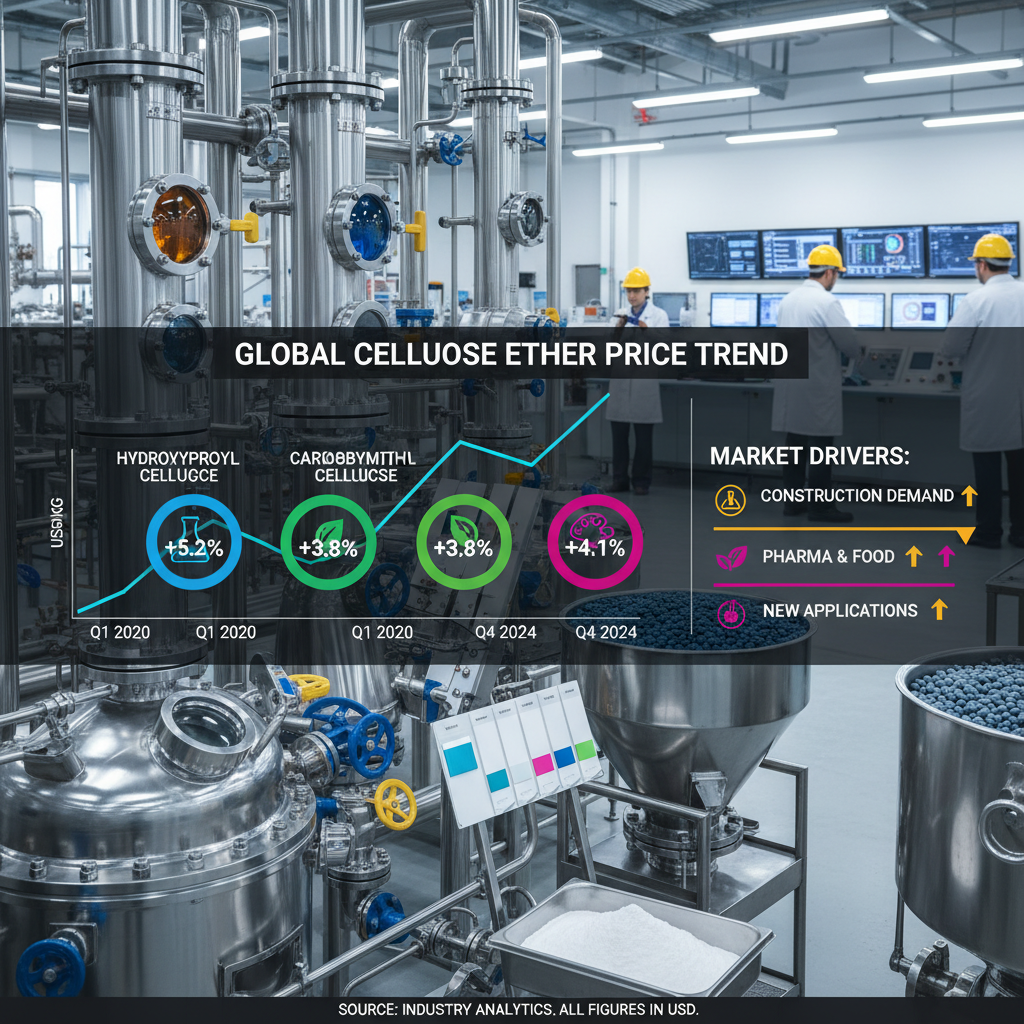
Where to Source Competitive Cellulose Ether Prices
Finding competitive pricing requires careful research. Directly contacting manufacturers like Youngcel often yields the best results, eliminating intermediary markups. Online B2B marketplaces can provide quotes from multiple suppliers, but it’s essential to verify their credibility and product quality. Requesting samples before making a large purchase is highly recommended. Consider factors beyond just price, such as supplier reliability, lead times, and technical support.
Negotiating Cellulose Ether Pricing: Tips and Strategies
Don't hesitate to negotiate! Several strategies can help you secure a better cellulose ether price. Committing to a long-term contract or a larger volume purchase can often unlock significant discounts. Highlighting your company's growth potential and future needs can also be effective. Comparing quotes from multiple suppliers provides leverage during negotiations. Finally, inquire about any potential rebates or promotional offers.
Conclusion: Making Informed Decisions About Cellulose Ether Pricing
Understanding the numerous factors that influence cellulose ether price is crucial for optimizing your purchasing strategy. By considering the type, viscosity, quantity, and market conditions, you can confidently negotiate and secure the best possible value. Partnering with a reputable supplier like Youngcel, known for its quality products and competitive pricing, can further streamline the process and ensure your success. Don't settle for less – prioritize informed decision-making and build strong supplier relationships.
Frequently Asked Questions (FAQs)
What is the typical lead time for cellulose ether orders?
Lead times can vary depending on the quantity ordered, the specific grade, and the supplier's current stock levels. Generally, standard orders can be fulfilled within 7-14 business days. However, larger orders or specialized grades may require longer lead times. It’s crucial to confirm lead times with your supplier, like Youngcel, before placing your order to ensure timely delivery. Consider potential disruptions to the supply chain when planning your inventory.
How should cellulose ether be stored to maintain its quality?
Cellulose ethers should be stored in a cool, dry, and well-ventilated area, away from direct sunlight and moisture. Keep containers tightly closed to prevent absorption of moisture from the air. Avoid storing near strong oxidizing agents or incompatible chemicals. Proper storage is critical to maintaining the product’s viscosity and functionality. It is generally recommended to use the product within 24 months of the manufacturing date, following the supplier's guidelines.
Do you offer custom viscosity cellulose ether grades?
Yes, Youngcel offers custom cellulose ether grades to meet specific application requirements. We work closely with our clients to develop tailored solutions, adjusting viscosity, particle size, and other parameters to achieve optimal performance. Contact our technical team to discuss your specific needs and explore custom formulation options.
What is the minimum order quantity (MOQ) for cellulose ethers?
The MOQ varies depending on the specific cellulose ether grade and quantity requested. Youngcel offers flexible ordering options to accommodate both small and large volume customers. Please contact our sales team to inquire about the MOQ for your desired product and quantity. We are committed to providing tailored solutions to meet your specific needs.
-
Industrial Guide to High Performance Ceramic Adhesives UseNewsApr.16,2026
-
Ultimate Guide to Choosing the Right Cement Wall PaintNewsApr.09,2026
-
Comprehensive Guide to Cement Thickeners for Construction and Oil DrillingNewsApr.07,2026
-
Optimizing Construction with Advanced Cement Mortar Additive SolutionsNewsApr.04,2026
-
Understanding Cement Glue for Construction and DIY ProjectsNewsMar.31,2026
-
Effective Cement Dissolver Chemical Solutions for Construction and IndustryNewsMar.28,2026