



Understanding Cellulose Paint: A Comprehensive Guide
Cellulose paint, also known as nitrocellulose lacquer, is a versatile coating widely used across various industries, from woodworking and automotive refinishing to musical instruments and even nail polish. Its fast-drying properties, durability, and ability to create a smooth finish make it a popular choice. This article provides a detailed overview of cellulose paint, covering its composition, advantages, applications, safety considerations, and comparisons to other paint types. We'll also explore why Youngcel's range of cellulose paints offers superior performance and quality. Choosing the right paint depends on your project’s needs, and cellulose paint often delivers exceptional results.
What is Cellulose Paint? Composition and Types
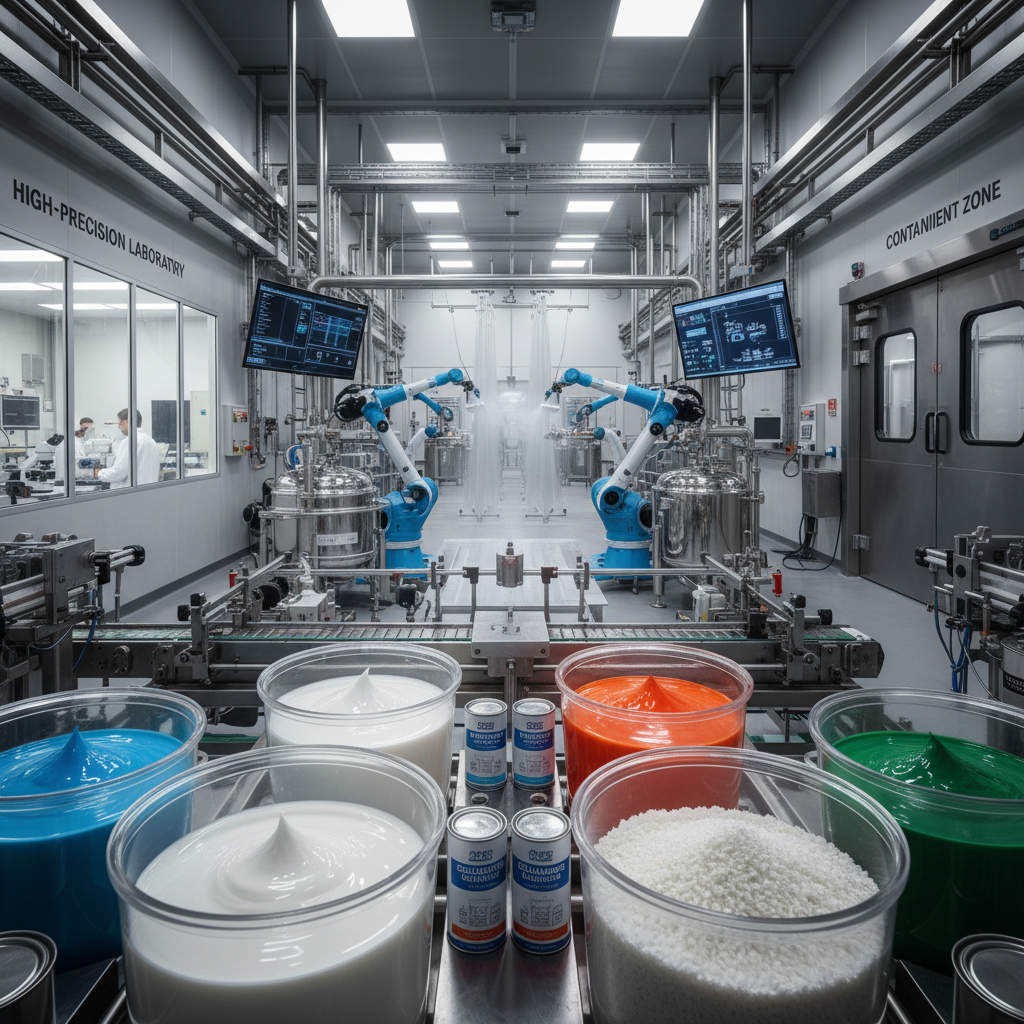
At its core, cellulose paint is a solution of nitrocellulose in a solvent, typically a blend of alcohols and ketones. The nitrocellulose forms the film-forming component, while the solvents evaporate, leaving behind a hard, durable coating. Additives are included to control viscosity, gloss, and other properties. Different types of cellulose paint cater to specific needs. These include: NC gloss lacquer for a high-sheen finish, NC matte lacquer for a subtle, non-reflective look, and NC sanding sealer used as a primer to prepare surfaces for further coating. Understanding these variations is key to selecting the right paint for your project. Youngcel provides a comprehensive range of these options, formulated for optimal performance.
Key Characteristics: Fast drying, excellent clarity, good adhesion, relatively low cost, and ease of application.
Applications of Cellulose Paint Across Industries
The versatility of cellulose paint makes it suitable for a diverse range of applications. In the woodworking industry, it's used for finishing furniture, cabinets, and musical instruments, providing a beautiful and protective coating. The automotive sector relies on cellulose paint for refinishing vehicles, offering a quick and durable solution. It's also commonly used in the plastics industry for coating and decorating plastic components. Furthermore, cellulose paint finds application in the production of leather goods, providing a protective and aesthetically pleasing finish. The speed and ease of application make it ideal for high-volume production processes. Youngcel’s formulations are specifically engineered to meet the rigorous demands of these industries.
Key Application Areas:
• Furniture Finishing
• Automotive Refinishing
• Musical Instrument Coating
• Plastic and Leather Finishing
Cellulose Paint vs. Other Paint Types: A Comparative Analysis
When choosing a paint, it’s crucial to understand how cellulose paint stacks up against alternatives like acrylics, polyurethanes, and lacquers. Acrylic paints offer greater flexibility and UV resistance but dry slower. Polyurethanes are extremely durable but can be more complex to apply. Traditional lacquers often lack the durability of cellulose-based formulations. Cellulose paint distinguishes itself with its rapid drying time, ease of polishing, and cost-effectiveness. While it may not be the most resistant to UV exposure or harsh chemicals, its balance of properties makes it ideal for many applications. Here's a quick comparison:
Safety Considerations When Using Cellulose Paint
Cellulose paint contains flammable solvents, so proper safety precautions are essential. Always work in a well-ventilated area, and avoid open flames or sparks. Wear a respirator to prevent inhaling harmful vapors, and use gloves and eye protection to avoid skin and eye contact. Dispose of waste materials responsibly, following local regulations. Refer to the Safety Data Sheet (SDS) for detailed safety information. Youngcel prioritizes safety and provides comprehensive SDS documentation for all its products.

Choosing the Right Cellulose Paint: Youngcel’s Expertise
Selecting the optimal cellulose paint requires careful consideration of your specific application and desired finish. Youngcel offers a wide range of high-quality cellulose paints tailored to meet diverse needs. Our commitment to innovation, quality control, and customer satisfaction ensures you receive a product that delivers exceptional performance and durability. Contact us today to discuss your project requirements and discover the perfect cellulose paint solution.
Conclusion: Cellulose Paint – A Versatile and Reliable Coating
Cellulose paint remains a popular choice for a wide array of applications due to its fast drying time, ease of use, and excellent finish. By understanding its properties, applications, and safety considerations, you can effectively utilize this versatile coating. Youngcel is dedicated to providing top-tier cellulose paint solutions, backed by expert support and a commitment to quality.
Frequently Asked Questions (FAQs)
What is the drying time of cellulose paint?
Cellulose paint is renowned for its rapid drying time. Typically, it dries to the touch within 15-30 minutes and can be recoated within 2-4 hours, depending on temperature, humidity, and film thickness. This fast drying time makes it an efficient choice for projects where speed is crucial. However, it is crucial to ensure proper ventilation during the drying process to facilitate solvent evaporation and minimize health risks.
Can cellulose paint be used outdoors?
While cellulose paint can be used outdoors, it's not the most ideal choice for prolonged exterior exposure. Its UV resistance is limited, meaning it can become brittle and fade over time with continuous sunlight. If used outdoors, a UV-resistant clear coat is highly recommended to protect the paint film. For long-term outdoor applications, consider more durable options like acrylic or polyurethane paints.
How do I prepare a surface for cellulose paint application?
Proper surface preparation is key for achieving a smooth and durable finish. The surface should be clean, dry, and free of dust, grease, and loose particles. Sanding is often necessary to create a slightly rough surface for better adhesion. For bare wood, applying a sanding sealer before the cellulose paint is recommended. Follow the manufacturer’s instructions on the paint can for specific surface preparation guidelines.
What solvents are compatible with cellulose paint?
Cellulose paint is typically thinned and cleaned with solvents such as cellulose thinner, which is a blend of alcohols, ketones, and esters. Avoid using mineral spirits or water, as they are not compatible and can cause the paint to wrinkle or lose its adhesion. Always use a solvent recommended by the paint manufacturer to ensure optimal results and avoid damaging the finish.
-
Industrial Guide to High Performance Ceramic Adhesives UseNewsApr.16,2026
-
Ultimate Guide to Choosing the Right Cement Wall PaintNewsApr.09,2026
-
Comprehensive Guide to Cement Thickeners for Construction and Oil DrillingNewsApr.07,2026
-
Optimizing Construction with Advanced Cement Mortar Additive SolutionsNewsApr.04,2026
-
Understanding Cement Glue for Construction and DIY ProjectsNewsMar.31,2026
-
Effective Cement Dissolver Chemical Solutions for Construction and IndustryNewsMar.28,2026