



Understanding Cellulose Paint Thickeners: A Comprehensive Guide
Cellulose paint thickeners are vital components in the formulation of paints, coatings, and adhesives, ensuring optimal viscosity, stability, and application properties. These natural polymers, derived from plant cellulose, offer a sustainable and effective solution for controlling the rheology of water-based systems. At Youngcel, we specialize in providing high-quality cellulose ethers tailored to meet the diverse needs of the coatings industry. This article will delve into the world of cellulose paint thickeners, exploring their types, benefits, applications, and crucial considerations for achieving superior paint performance. Learn more about our products and how we can help enhance your paint formulations.
Types of Cellulose Paint Thickeners
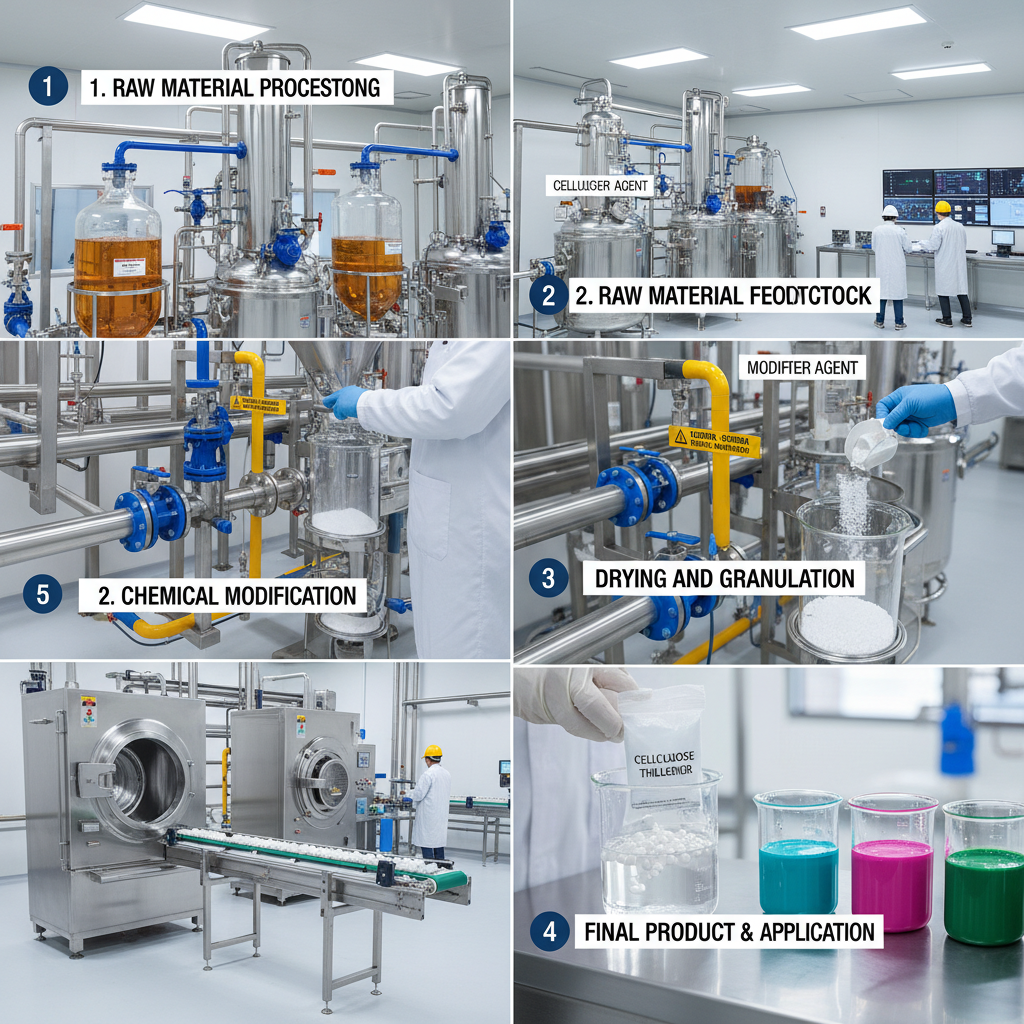
Several types of cellulose ethers function effectively as paint thickeners. The most common include Methyl Cellulose (MC), Hydroxyethyl Cellulose (HEC), Hydroxypropyl Cellulose (HPC), and Carboxymethyl Cellulose (CMC). Each offers unique properties influencing their suitability for specific paint formulations. MC is known for its water retention and film-forming capabilities, while HEC provides excellent thickening efficiency and alkali resistance. HPC exhibits improved solubility and temperature stability, and CMC is valued for its cost-effectiveness and suspending properties. Understanding these distinctions is crucial for selecting the ideal thickener for your application. Youngcel's range provides options for every formulation need.
Key Benefits: Enhanced viscosity, improved application, increased stability, water retention, and film-forming properties.
The Benefits of Using Cellulose Paint Thickeners
Employing cellulose paint thickeners offers a multitude of advantages. They improve the application characteristics of paints, allowing for smoother brush strokes, better leveling, and reduced spattering. They also enhance paint stability, preventing settling of pigments and ensuring consistent color distribution. Furthermore, cellulose thickeners contribute to improved water retention, crucial for preventing skinning in the can and maintaining open time during application. These benefits translate into a higher-quality finished product and increased customer satisfaction. Contact us to discuss how our thickeners can benefit your specific paint formulations.
Key Advantages:
• Improved application properties (brushing, leveling, spattering)
• Enhanced paint stability (pigment suspension, color consistency)
• Increased water retention (prevents skinning, maintains open time)
• Natural and sustainable source
Cellulose Paint Thickeners: A Comparative Analysis
Choosing the right cellulose thickener requires a clear understanding of their individual characteristics. The table below provides a comparative overview of the most common types, highlighting their strengths and weaknesses.
Applications Across the Coatings Industry
Cellulose paint thickeners find applications across a wide spectrum of coating types, including architectural paints, industrial coatings, adhesives, and specialty coatings. They are particularly valuable in water-based systems, enhancing performance and sustainability. Specific applications include improving the sag resistance of thick-film coatings, controlling the viscosity of adhesives, and enhancing the suspension of pigments in decorative paints. Youngcel offers tailored solutions for diverse coating applications.
Selecting the Right Cellulose Paint Thickener
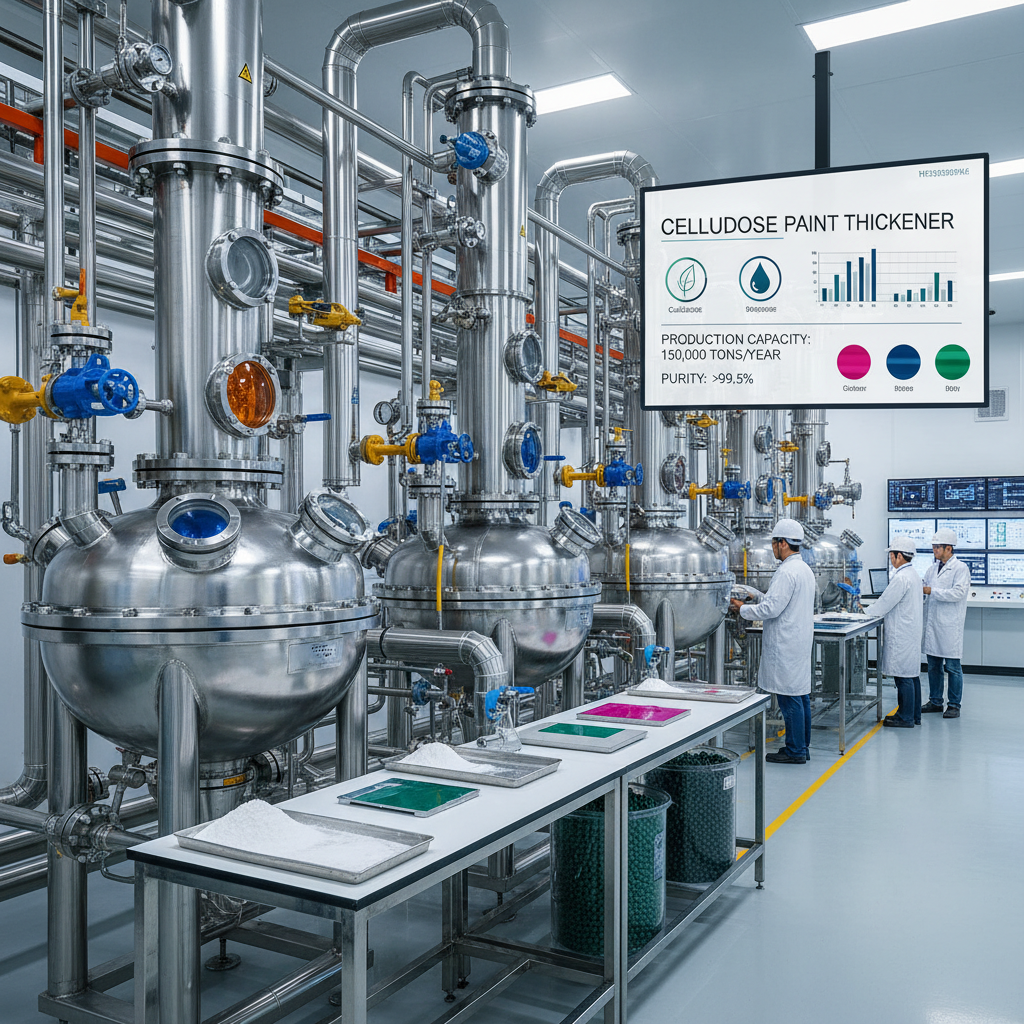
Choosing the ideal cellulose thickener requires careful consideration of several factors, including the paint formulation's pH, the desired viscosity, the presence of other additives, and the application method. It's essential to conduct thorough testing to ensure compatibility and optimal performance. Youngcel's technical team offers expert guidance to help you select the most suitable thickener for your specific needs.
Conclusion: Enhancing Paint Performance with Cellulose Thickeners
Cellulose paint thickeners are indispensable components in modern paint formulations, offering a natural, effective, and sustainable solution for achieving optimal performance. By understanding their properties and applications, and partnering with a trusted supplier like Youngcel, you can elevate the quality, stability, and application characteristics of your paints and coatings.
Frequently Asked Questions (FAQs)
What is the recommended dosage of cellulose thickener for a typical water-based paint?
The optimal dosage of cellulose thickener varies depending on the specific type of cellulose ether, the desired viscosity, and the formulation's other components. Generally, a dosage range of 0.5% to 3% by weight is commonly used. However, it's crucial to perform trial batches and viscosity measurements to determine the ideal concentration for your specific paint formulation. Factors like pigment volume concentration (PVC) and resin type will also influence the required dosage. Contact Youngcel's technical support for personalized dosage recommendations.
Are cellulose thickeners compatible with all paint additives?
While cellulose thickeners are generally compatible with most common paint additives, it’s essential to verify compatibility through testing. Certain additives, like some defoamers or dispersants, may interact with cellulose ethers, potentially affecting viscosity or stability. It's always recommended to conduct small-scale compatibility tests before incorporating a new additive into your formulation. Youngcel can provide guidance on potential compatibility issues.
How should cellulose thickeners be dispersed into the paint formulation?
Proper dispersion is critical for achieving optimal thickening efficiency and preventing lumping. It's recommended to pre-mix the cellulose thickener with a small portion of the water phase, creating a slurry before adding it to the main batch. This ensures thorough hydration and prevents the formation of clumps. Utilize appropriate mixing equipment, such as a high-shear mixer, to facilitate complete dispersion. Avoid adding the dry powder directly to the oil phase, as this can lead to poor dispersion and reduced performance.
Are cellulose paint thickeners environmentally friendly?
Yes, cellulose paint thickeners are considered environmentally friendly. They are derived from renewable plant sources, making them a sustainable alternative to synthetic polymers. Cellulose ethers are biodegradable and have low VOC (Volatile Organic Compound) content, contributing to healthier indoor air quality. Youngcel is committed to providing eco-friendly solutions for the coatings industry.
-
Industrial Guide to High Performance Ceramic Adhesives UseNewsApr.16,2026
-
Ultimate Guide to Choosing the Right Cement Wall PaintNewsApr.09,2026
-
Comprehensive Guide to Cement Thickeners for Construction and Oil DrillingNewsApr.07,2026
-
Optimizing Construction with Advanced Cement Mortar Additive SolutionsNewsApr.04,2026
-
Understanding Cement Glue for Construction and DIY ProjectsNewsMar.31,2026
-
Effective Cement Dissolver Chemical Solutions for Construction and IndustryNewsMar.28,2026