



Cellulose Polymer: A Comprehensive Guide
Cellulose polymers are a fascinating class of materials with a broad range of applications, from everyday products to cutting-edge technologies. Derived from plant sources, they offer a sustainable and versatile alternative to traditional polymers. This article will delve into the world of cellulose polymers, exploring their properties, types, manufacturing processes, applications, and future trends. Understanding these materials is crucial for anyone involved in materials science, product development, or sustainable manufacturing. Youngcel is at the forefront of cellulose polymer innovation, offering high-quality solutions for diverse industrial needs.
What are Cellulose Polymers?
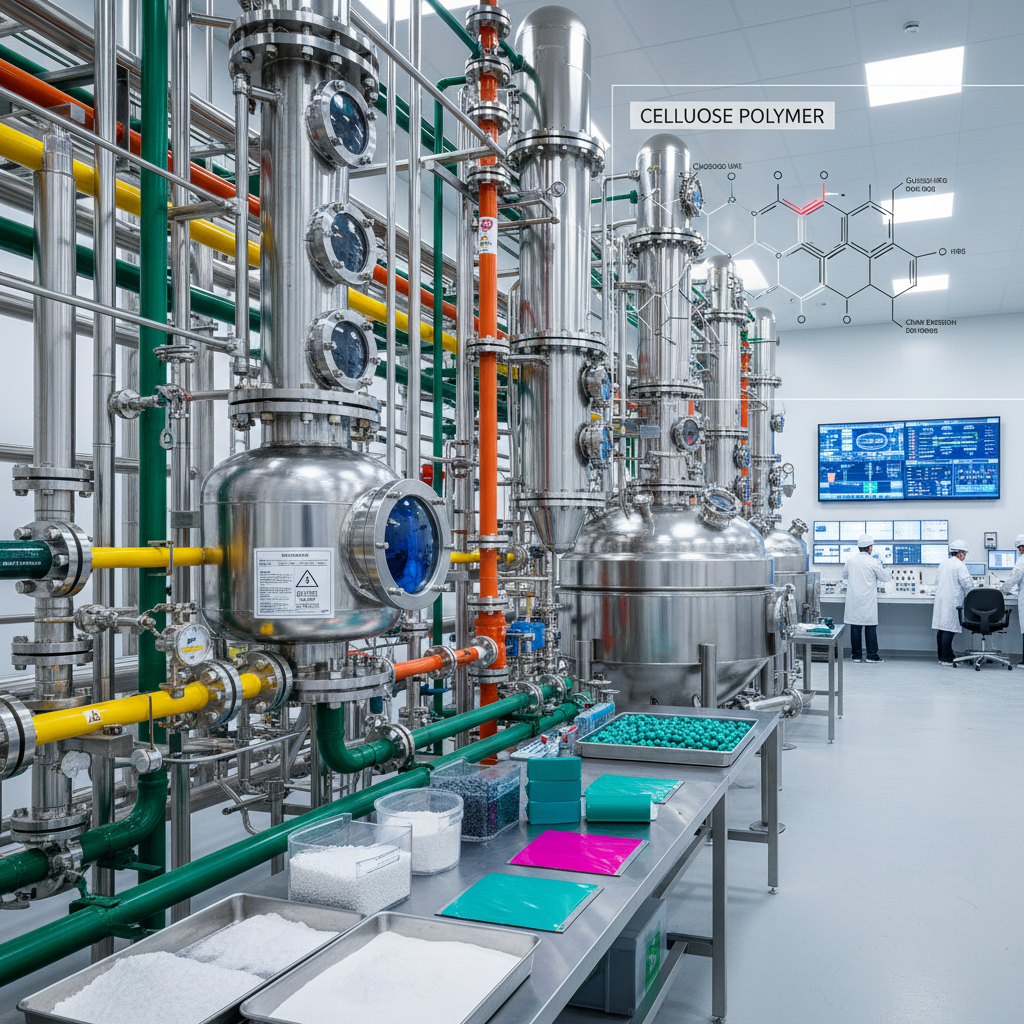
Cellulose is the most abundant organic polymer on Earth, forming the structural component of plant cell walls. Cellulose polymers are created by linking together glucose molecules through glycosidic bonds. These long chains of glucose create a strong, fibrous material with unique properties. Unlike many synthetic polymers, cellulose is biodegradable and renewable, making it an environmentally friendly alternative. The inherent properties of cellulose, such as its tensile strength and biocompatibility, make it an ideal candidate for a wide array of applications. Youngcel specializes in tailoring cellulose polymers to meet specific performance requirements.
Key Highlights: Cellulose polymers are biodegradable, renewable, and possess excellent tensile strength, making them a sustainable and versatile material choice.
Types of Cellulose Polymers
Several types of cellulose polymers are commercially available, each with distinct characteristics and applications. These include cellulose ethers (like methylcellulose and carboxymethyl cellulose), cellulose esters (like cellulose acetate and cellulose nitrate), and regenerated cellulose (like viscose and lyocell). Each derivative is produced through chemical modification of natural cellulose, altering its solubility, viscosity, and other properties. The choice of cellulose polymer depends heavily on the desired end-use application. Understanding the differences between these types is key to selecting the optimal material for your needs.
Key Cellulose Polymer Types:
• Cellulose Ethers: Water-soluble, used as thickeners and stabilizers.
• Cellulose Esters: Used in films, fibers, and coatings.
• Regenerated Cellulose: Used in textiles and cellophane.
Manufacturing Processes of Cellulose Polymers
The manufacturing process for cellulose polymers typically begins with sourcing cellulose from wood pulp or cotton linters. This cellulose undergoes chemical or physical treatment to modify its structure and properties. For cellulose ethers, cellulose is reacted with ethers. For cellulose esters, cellulose reacts with acids to form esters. Regenerated cellulose involves dissolving cellulose and then reforming it into a new material, such as fibers or films. Youngcel utilizes advanced manufacturing techniques to ensure consistent quality and tailored properties for its cellulose polymer products.
Applications of Cellulose Polymers
Cellulose polymers find applications in diverse industries. In the food industry, they act as thickeners, stabilizers, and emulsifiers. The pharmaceutical industry utilizes cellulose polymers as excipients in tablets and capsules. In textiles, regenerated cellulose fibers like viscose and lyocell are used to create fabrics. The paper industry uses cellulose to produce paper and cardboard. Beyond these, applications extend to construction materials, adhesives, cosmetics, and packaging. Youngcel provides tailored solutions for a growing range of applications.
The Future of Cellulose Polymers
Research and development in cellulose polymer science are continuously expanding its applications. Current trends include the development of nanocellulose materials with enhanced strength and functionality, biodegradable plastics derived from cellulose, and advanced cellulose-based composites for lightweight structures. As sustainability becomes increasingly important, the demand for renewable and biodegradable materials like cellulose polymers will continue to grow. Youngcel is dedicated to driving innovation in this exciting field.
Conclusion
Cellulose polymers represent a powerful and sustainable alternative to traditional materials. Their versatility, biodegradability, and renewability make them crucial for a wide range of industries. As research continues and new applications emerge, cellulose polymers will undoubtedly play an increasingly important role in a more sustainable future. Youngcel is committed to providing innovative cellulose polymer solutions to meet the evolving needs of our customers.
Frequently Asked Questions (FAQs)
What are the environmental benefits of using cellulose polymers?
Cellulose polymers are derived from renewable plant sources, making them a sustainable alternative to petroleum-based polymers. They are biodegradable, reducing plastic waste and minimizing environmental impact. The production process often requires less energy and generates fewer greenhouse gas emissions compared to synthetic polymer production. Furthermore, using cellulose polymers supports responsible forest management practices when sourced from sustainably managed forests. Youngcel prioritizes sustainable sourcing and manufacturing practices.
How does the cost of cellulose polymers compare to traditional plastics?
The cost of cellulose polymers can vary depending on the type, production method, and quantity. Historically, some cellulose polymers have been more expensive than traditional plastics, but with advancements in manufacturing and increasing demand, the price gap is narrowing. Furthermore, considering the long-term environmental costs associated with plastic pollution and disposal, cellulose polymers often offer a more cost-effective solution. Youngcel strives to offer competitive pricing without compromising on quality.
What are the limitations of cellulose polymers?
While cellulose polymers offer numerous advantages, they also have some limitations. Some types may exhibit lower moisture resistance compared to certain plastics. Achieving desired mechanical properties can require careful formulation and processing. The cost of certain modifications and purification processes can also be a factor. However, ongoing research and development are continuously addressing these limitations, expanding the range of applications for cellulose polymers. Youngcel’s expert team can help overcome these limitations.
Can cellulose polymers be recycled?
Yes, cellulose polymers are generally recyclable, particularly through composting. They break down naturally in composting environments, returning valuable nutrients to the soil. While traditional plastic recycling infrastructure may not always accommodate cellulose polymers, advancements are being made to improve their recyclability within existing systems. The biodegradable nature of cellulose polymers also allows for alternative end-of-life options, such as anaerobic digestion.
-
Industrial Guide to High Performance Ceramic Adhesives UseNewsApr.16,2026
-
Ultimate Guide to Choosing the Right Cement Wall PaintNewsApr.09,2026
-
Comprehensive Guide to Cement Thickeners for Construction and Oil DrillingNewsApr.07,2026
-
Optimizing Construction with Advanced Cement Mortar Additive SolutionsNewsApr.04,2026
-
Understanding Cement Glue for Construction and DIY ProjectsNewsMar.31,2026
-
Effective Cement Dissolver Chemical Solutions for Construction and IndustryNewsMar.28,2026