



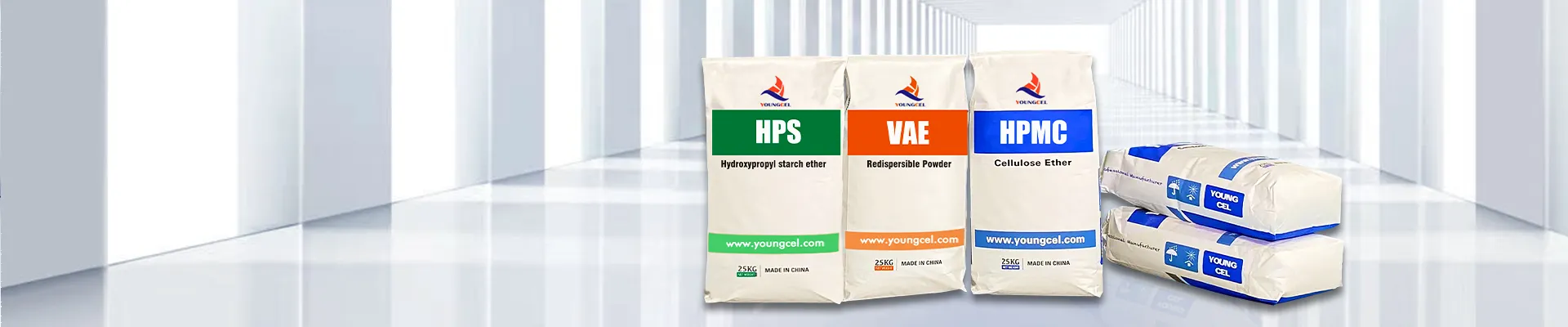
Understanding Cellulose Material: Properties, Applications & Youngcel's Expertise
Cellulose, the most abundant organic polymer on Earth, is a cornerstone material in numerous industries. From everyday paper products to cutting-edge bioplastics, its versatility is unmatched. This article will explore the fascinating world of cellulose materials, delving into its properties, diverse applications, and how Youngcel is a leading innovator in this field. We'll uncover why cellulose is such a vital material for a sustainable future.
What is Cellulose and Where Does it Come From?
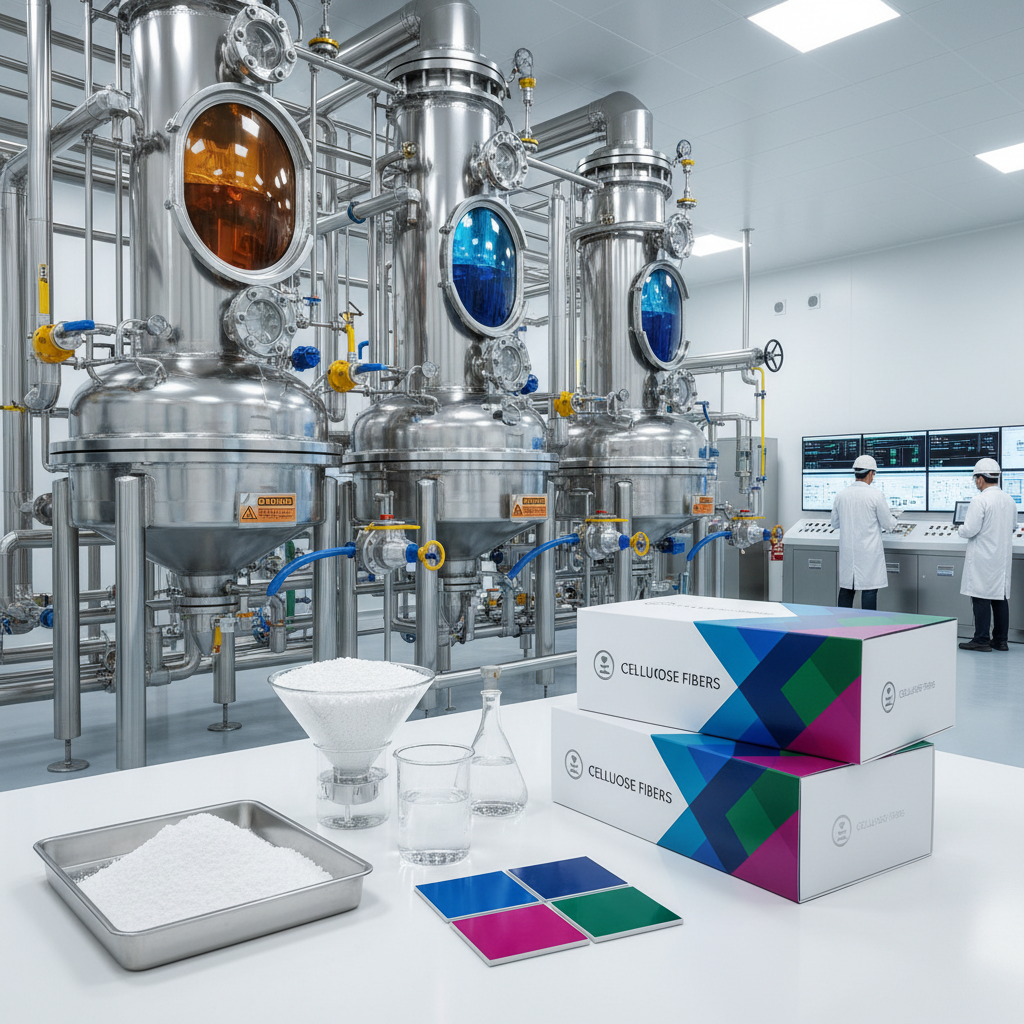
Cellulose is a complex carbohydrate that forms the primary structural component of plant cell walls. It’s a long chain of glucose molecules linked together. Sources of cellulose are incredibly varied, including wood pulp, cotton, flax, hemp, and even agricultural residues like straw and corn stalks. The abundance and renewability of these sources make cellulose an environmentally attractive alternative to petroleum-based materials. Different sources yield cellulose with varying properties, impacting its suitability for specific applications. Youngcel expertly processes diverse cellulose sources to meet specific client needs.
Key Takeaway: Cellulose is a naturally abundant, renewable resource with significant potential to replace traditional materials.
Key Properties of Cellulose Material
The unique properties of cellulose make it invaluable in a wide array of applications. These include high tensile strength, biodegradability, biocompatibility, and its ability to form strong fibers. Cellulose is also relatively inexpensive and easily modified chemically, allowing for tailored properties. However, pure cellulose can be challenging to process due to its rigidity and low solubility in common solvents. Youngcel's expertise lies in overcoming these challenges through advanced processing techniques.
Cellulose Properties:
• High Tensile Strength
• Biodegradable and Compostable
• Biocompatible
• Renewable Resource
Diverse Applications of Cellulose Materials
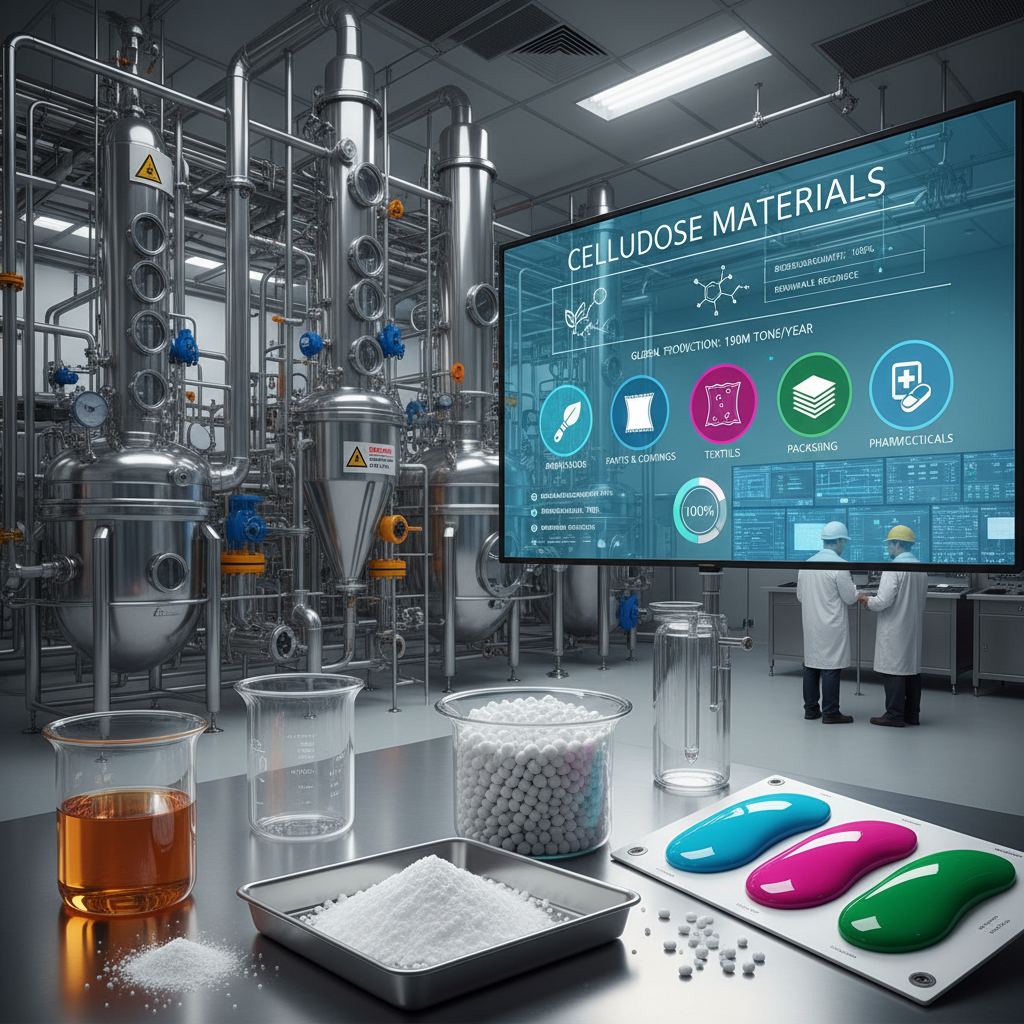
The versatility of cellulose translates into a vast range of applications. The paper industry, of course, is a major consumer, but cellulose is also used extensively in textiles (rayon, lyocell), food (thickening agents, dietary fiber), pharmaceuticals (excipients), and increasingly, in sustainable packaging and bioplastics. Modified cellulose derivatives, such as cellulose acetate, find uses in films, coatings, and cigarette filters. Emerging applications include cellulose nanofibrils for high-performance composites and biomedical applications. Youngcel is at the forefront of developing innovative cellulose-based solutions for a broad spectrum of industries.
Youngcel: Innovating with Cellulose Materials
At Youngcel, we specialize in the research, development, and production of high-quality cellulose materials. We utilize cutting-edge technologies to unlock the full potential of cellulose, creating tailored solutions for our clients. Our capabilities include cellulose purification, chemical modification, and the production of cellulose-based composites. We are committed to sustainability and are dedicated to developing eco-friendly alternatives to traditional materials. We work closely with our customers to provide custom formulations and expert technical support.
The Future of Cellulose: Sustainability and Innovation
The future of materials science is inextricably linked to the development and refinement of sustainable resources like cellulose. As concerns about plastic pollution and climate change grow, the demand for bio-based materials will continue to rise. Youngcel is committed to driving this transition through continued innovation and a dedication to environmental responsibility. We believe cellulose holds the key to a more sustainable future for countless industries.
Conclusion: Embracing the Potential of Cellulose
Cellulose material stands as a cornerstone for sustainable innovation, offering a versatile and renewable alternative to traditional materials. Youngcel is proud to be a leading force in harnessing the power of cellulose, delivering cutting-edge solutions for a diverse range of industries. Embracing cellulose is not just an environmental imperative, it's a strategic advantage.
Frequently Asked Questions (FAQs)
What are the environmental benefits of using cellulose materials?
Cellulose offers significant environmental advantages compared to petroleum-based plastics. It's derived from renewable resources, meaning it doesn’t deplete finite fossil fuels. Importantly, cellulose is biodegradable and compostable, reducing landfill waste and minimizing pollution. The production of cellulose materials typically requires less energy and emits fewer greenhouse gases than the production of conventional plastics. By choosing cellulose, businesses can substantially reduce their environmental footprint and contribute to a more sustainable economy. Youngcel is dedicated to providing eco-friendly cellulose solutions.
Can cellulose materials be recycled?
While cellulose is primarily known for its biodegradability, certain cellulose-based materials can be recycled. Paper products, for instance, are widely recycled. However, the recyclability of modified cellulose materials (like cellulose acetate) depends on the specific recycling infrastructure available. Often, these require specialized processes. The superior option, however, remains composting, where the material naturally breaks down into beneficial soil nutrients. Youngcel actively researches and develops cellulose materials optimized for both biodegradability and recyclability.
How does Youngcel ensure the quality and consistency of its cellulose materials?
At Youngcel, quality control is paramount. We employ rigorous testing procedures throughout the entire production process, from raw material sourcing to final product delivery. This includes analyzing cellulose purity, fiber length, chemical composition, and physical properties. Our state-of-the-art laboratories and experienced team ensure that every batch meets our stringent quality standards and client specifications. We are committed to providing consistently high-performing cellulose materials.
What is cellulose nanocrystals (CNC) and what are its potential applications?
Cellulose nanocrystals (CNC) are incredibly small, highly crystalline particles extracted from cellulose fibers. They exhibit exceptional strength, stiffness, and biocompatibility. CNC has a wide range of potential applications, including reinforcing materials in composites, additives in food and cosmetics, drug delivery systems in pharmaceuticals, and even as a component in transparent films. Youngcel is actively involved in the research and development of CNC-based materials to unlock their full potential.
-
Industrial Guide to High Performance Ceramic Adhesives UseNewsApr.16,2026
-
Ultimate Guide to Choosing the Right Cement Wall PaintNewsApr.09,2026
-
Comprehensive Guide to Cement Thickeners for Construction and Oil DrillingNewsApr.07,2026
-
Optimizing Construction with Advanced Cement Mortar Additive SolutionsNewsApr.04,2026
-
Understanding Cement Glue for Construction and DIY ProjectsNewsMar.31,2026
-
Effective Cement Dissolver Chemical Solutions for Construction and IndustryNewsMar.28,2026