




Understanding Cement Additives for Enhanced Construction
In the world of construction, the quality and performance of cement are paramount. However, cement alone often doesn’t possess all the necessary characteristics for modern building needs. This is where cement additives come into play. These specialized compounds are incorporated into cement mixtures to modify their properties, resulting in improved workability, strength, durability, and other critical performance aspects. At Youngcel, we specialize in delivering high-quality cement additives designed to meet the demands of diverse construction projects. This article will delve into the world of cement additives, exploring their types, benefits, and applications.
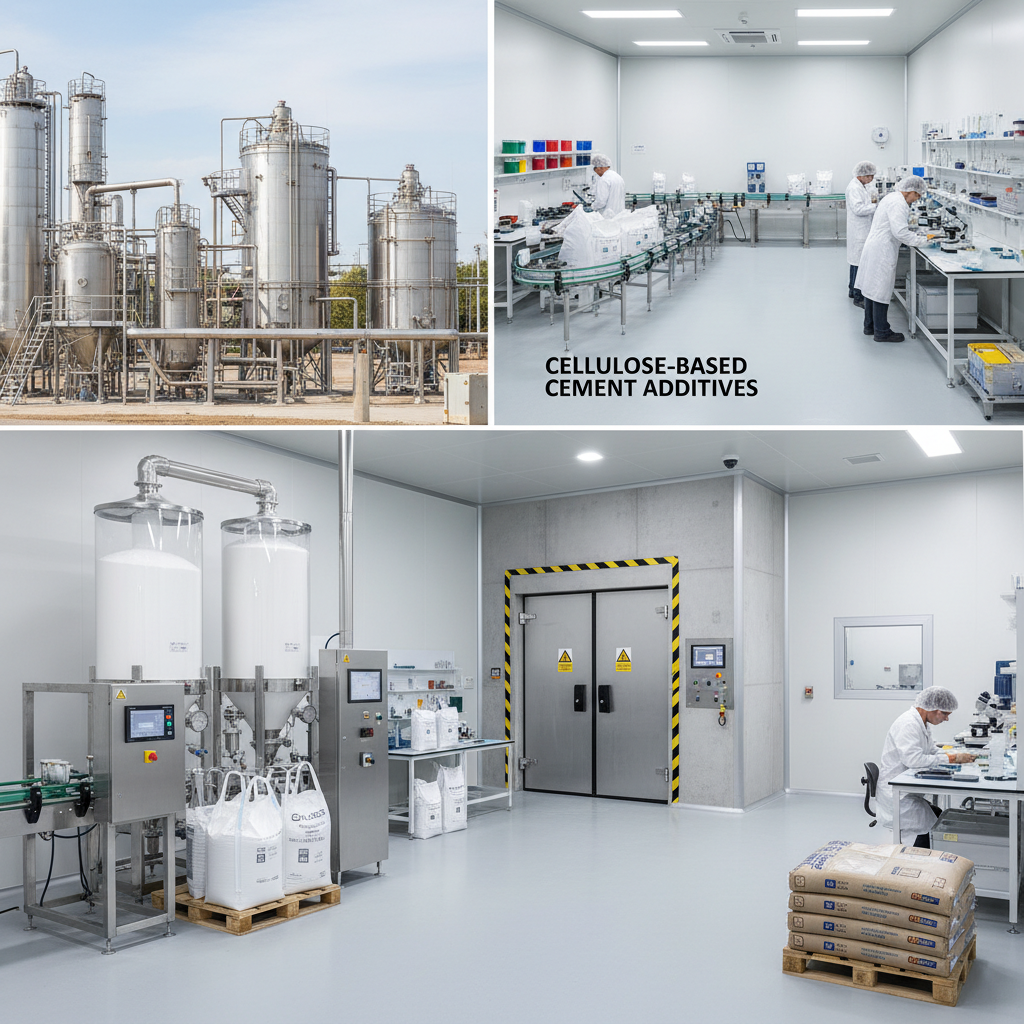
Types of Cement Additives
Cement additives are broadly categorized based on their function. Some of the most common types include: water reducers, which improve workability at a lower water content; air-entraining agents, which create microscopic air bubbles for freeze-thaw resistance; retarders, slowing down the setting time for larger pours; accelerators, speeding up the setting time in cold weather; superplasticizers, offering a significant reduction in water demand; and specialty admixtures like corrosion inhibitors and shrinkage-reducing agents. The selection of the right additive depends entirely on the specific requirements of the project and the desired cement properties. At Youngcel, we offer a comprehensive range of additives to cater to all your needs.
Key Takeaway: Choosing the correct cement additive is crucial for optimizing cement performance and ensuring the longevity of construction projects.
Benefits of Using Cement Additives
The benefits of incorporating cement additives are numerous. They enhance the workability of concrete, making it easier to place and finish. They improve the strength of the hardened concrete, increasing its load-bearing capacity. Additives also increase durability, protecting against cracking, shrinking, and weathering. Furthermore, they can reduce the cement content needed for a given performance level, leading to cost savings and a smaller environmental footprint. Youngcel’s additives are designed to maximize these benefits and contribute to more sustainable and cost-effective construction practices.
Key Benefits:
• Enhanced Workability
• Increased Strength
• Improved Durability
• Reduced Cement Content
Cement Additives and Concrete Strength: A Comparison
The impact of cement additives on concrete strength is substantial. Different additives influence strength development in varying ways. For example, accelerators can provide early strength gains, while superplasticizers allow for lower water-cement ratios, leading to higher ultimate compressive strength. Here's a comparative look at the strength development with and without additives:
Applications of Cement Additives Across Different Construction Projects
The applications of cement additives are incredibly diverse. In high-rise buildings, high-range water reducers are essential for creating strong, durable concrete that can withstand immense loads. For bridge construction, air-entraining agents are vital for freeze-thaw resistance, protecting against deterioration in harsh climates. In road construction, retarders allow for longer haul distances and controlled setting times. Youngcel provides tailored solutions for each of these applications, ensuring optimal concrete performance.
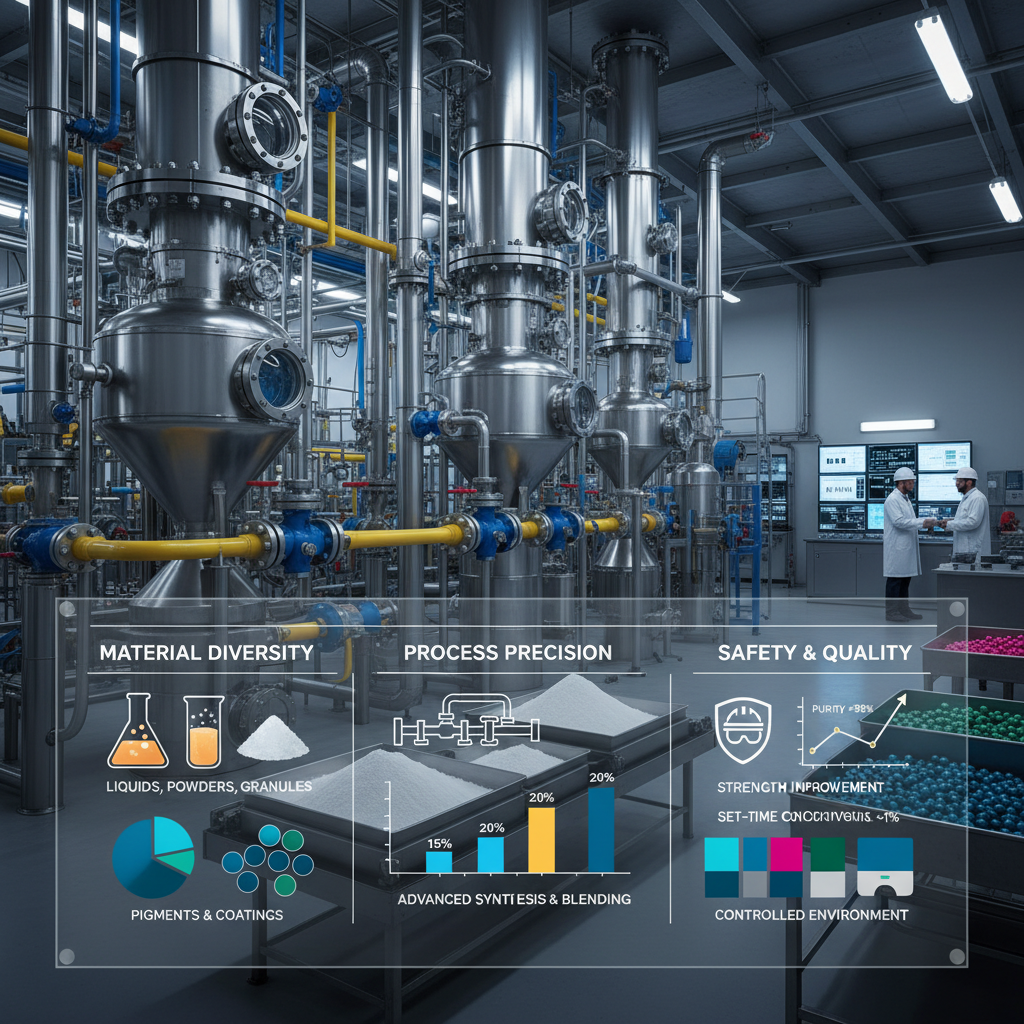
Choosing the Right Cement Additive: A Guide
Selecting the appropriate cement additive requires careful consideration of several factors, including the type of cement being used, the desired concrete properties, environmental conditions, and project specifications. It's important to understand the specific challenges of each project and choose additives that address those needs. Youngcel offers expert consultation services to help you determine the best additive solutions for your projects. We'll work with you to analyze your requirements and recommend the most effective products.
Conclusion: Enhance Your Construction with Youngcel Cement Additives
Investing in high-quality cement additives from Youngcel is a strategic move towards building stronger, more durable, and more sustainable structures. Our comprehensive range of additives, coupled with our expert support, ensures you have the right solutions for any construction challenge. Contact us today to learn more.
Frequently Asked Questions (FAQs)
What is the typical dosage rate for cement additives?
The dosage rate varies significantly depending on the type of additive, the cement type, and the desired effect. Generally, dosages are expressed as a percentage of the cement weight. For example, a superplasticizer might be used at a rate of 0.5% to 2.0% by weight of cement, while an air-entraining agent might be used at 0.1% to 0.5%. It’s crucial to follow the manufacturer’s recommendations and perform trial mixes to optimize the dosage for your specific application. Youngcel’s technical data sheets provide detailed dosage guidelines.
Can cement additives be combined?
Yes, cement additives can often be combined, but compatibility is paramount. Some additives may react negatively with each other, reducing their effectiveness or even causing undesirable side effects. It's essential to consult with the additive manufacturer or a concrete specialist before combining different additives. Youngcel provides guidance on additive compatibility and can recommend optimal combinations for specific project needs.
Are cement additives environmentally friendly?
Many modern cement additives are designed to be more environmentally friendly. For instance, superplasticizers can reduce cement content, lowering the carbon footprint of concrete. Some additives also utilize recycled materials or are biodegradable. Youngcel is committed to sustainability and offers a range of eco-friendly additive solutions that help reduce the environmental impact of construction projects.
How should cement additives be stored?
Proper storage is crucial to maintain the effectiveness of cement additives. Additives should be stored in a cool, dry, and well-ventilated area, away from direct sunlight and extreme temperatures. Keep containers tightly sealed to prevent moisture contamination. Follow the manufacturer’s storage instructions for specific additives, as some may have unique requirements. Improper storage can lead to degradation and reduced performance.
-
Industrial Guide to High Performance Ceramic Adhesives UseNewsApr.16,2026
-
Ultimate Guide to Choosing the Right Cement Wall PaintNewsApr.09,2026
-
Comprehensive Guide to Cement Thickeners for Construction and Oil DrillingNewsApr.07,2026
-
Optimizing Construction with Advanced Cement Mortar Additive SolutionsNewsApr.04,2026
-
Understanding Cement Glue for Construction and DIY ProjectsNewsMar.31,2026
-
Effective Cement Dissolver Chemical Solutions for Construction and IndustryNewsMar.28,2026