



Cellulose HPMC for Paint: A Comprehensive Guide
Hydroxypropyl Methylcellulose (HPMC) is a versatile polymer widely utilized in the paint industry to enhance various properties. From improving workability and stability to controlling viscosity and water retention, cellulose HPMC plays a crucial role in formulating high-quality paints. This article provides an in-depth exploration of HPMC's applications, benefits, and considerations for use in paint manufacturing. Understanding the nuances of HPMC allows paint formulators to optimize their products for superior performance and customer satisfaction.
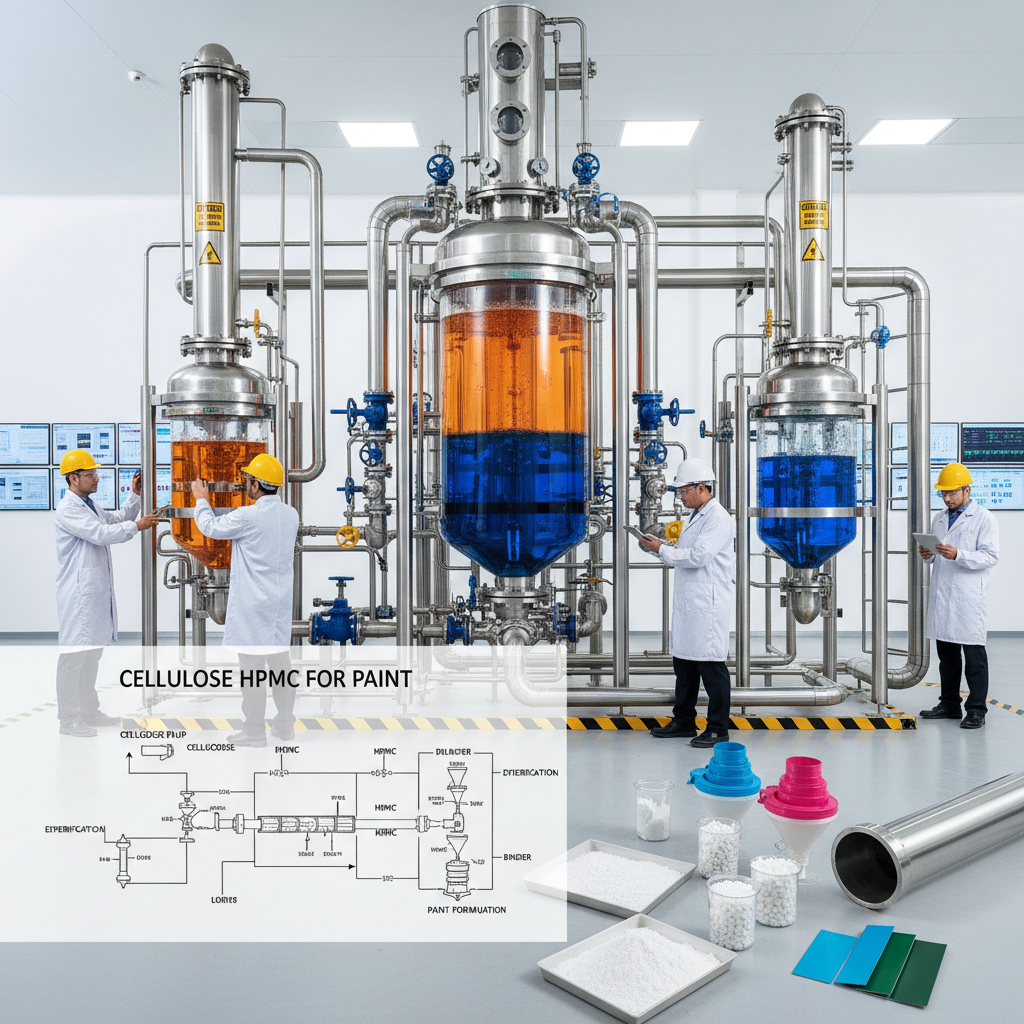
Understanding the Role of Cellulose HPMC in Paint Formulation
Cellulose HPMC functions as a thickener, stabilizer, water retention agent, and film former in paint. As a thickener, it increases the viscosity of the paint, preventing pigment settling and ensuring uniform color distribution. Its stabilizing properties maintain the paint’s consistency during storage and application. HPMC’s exceptional water retention minimizes water loss during application, leading to better leveling and reduced cracking. Furthermore, it contributes to forming a cohesive film upon drying, enhancing the paint’s durability and aesthetic appeal. Choosing the right grade of HPMC for paint is vital for optimal results.
Key Benefits: Improves workability, enhances stability, controls viscosity, and increases water retention. Contributes to a durable and aesthetically pleasing finish.
Different Grades of Cellulose HPMC for Paint Applications
Not all HPMC grades are created equal. Variations in molecular weight, degree of substitution, and viscosity determine their suitability for specific paint types. Lower viscosity grades are ideal for brushable paints, providing excellent leveling and reducing brush marks. Higher viscosity grades are favored for spray applications, offering improved atomization and sag resistance. Different substitution levels affect water solubility and thickening efficiency. Selecting the optimal grade requires understanding the paint’s composition, desired properties, and application method. Youngcel offers a diverse range of HPMC grades tailored to diverse paint formulations.
HPMC Grade Considerations:
• Molecular Weight: Impacts thickening efficiency.
• Viscosity: Determines paint thickness and flow properties.
• Degree of Substitution: Affects water solubility and stability.
Cellulose HPMC for Paint: Comparing Different Polymer Thickeners
While various thickeners exist, cellulose HPMC offers several advantages over alternatives like acrylic polymers or modified starches. Acrylic polymers can exhibit higher costs and require careful pH control. Modified starches may suffer from poor stability and susceptibility to microbial attack. HPMC provides excellent thickening efficiency, superior water retention, and enhanced stability at a competitive cost. It's also environmentally friendly and readily biodegradable. The following table highlights a comparison:
Applications of Cellulose HPMC in Different Paint Types
HPMC finds application across various paint formulations, including water-based architectural paints, industrial coatings, and specialty paints. In architectural paints, it enhances brushability, leveling, and open time. In industrial coatings, it improves pigment suspension and provides resistance to settling. For specialty paints, such as textured paints or anti-corrosion coatings, HPMC contributes to achieving specific performance characteristics. Properly dosed HPMC ensures optimal paint performance in all these applications.
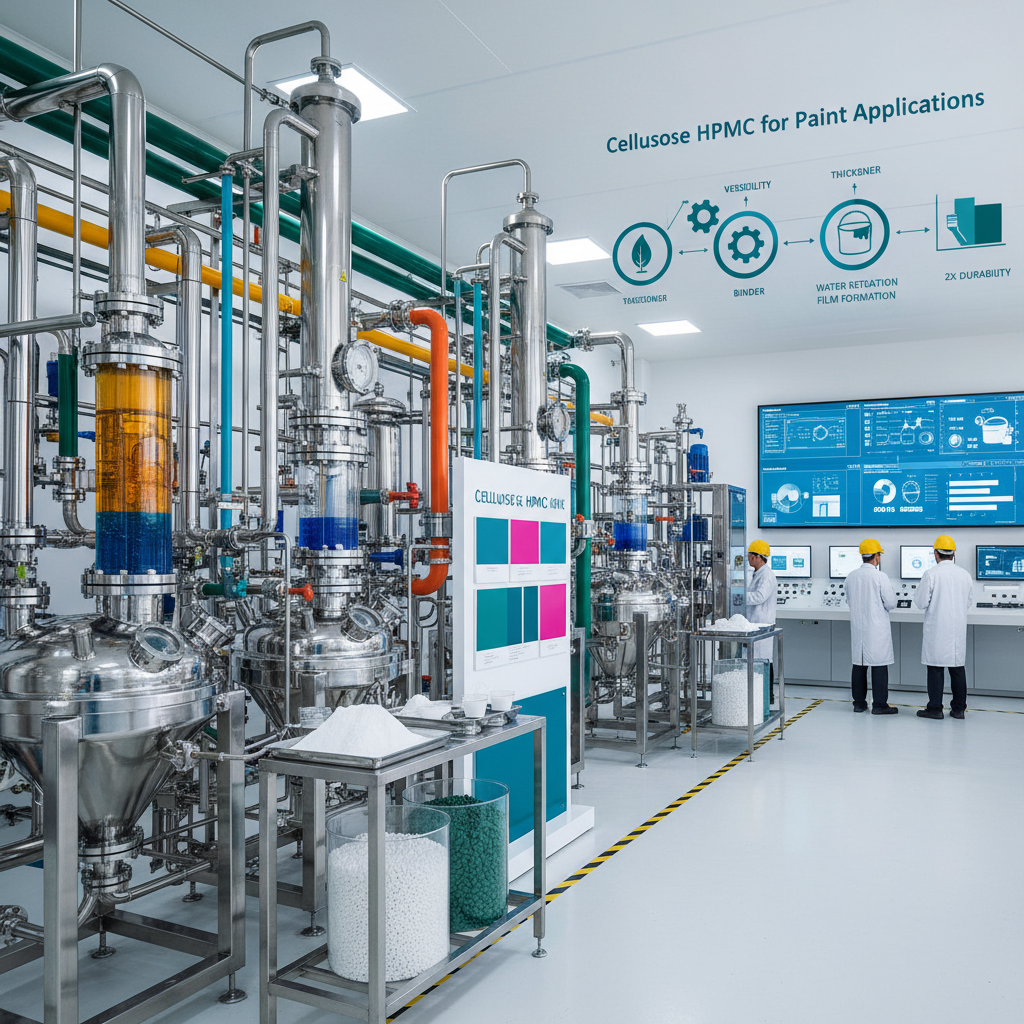
Product Specifications & HPMC Grades Available at Youngcel
Youngcel provides a comprehensive range of HPMC grades tailored to meet diverse paint formulation requirements. Here's a glimpse into our offerings:
Conclusion: Elevating Paint Performance with Youngcel HPMC
Choosing the right cellulose HPMC for paint is crucial for achieving optimal performance and quality. Youngcel offers a comprehensive range of HPMC grades, backed by expert technical support, to help you formulate superior paint products. Explore our selection today and discover how we can help you enhance your paint formulations.
Frequently Asked Questions (FAQs)
What is the recommended dosage of HPMC in paint?
The optimal HPMC dosage varies based on paint type, desired viscosity, and other formulation components. Generally, a concentration of 0.5% to 2% by weight of the total formulation is a good starting point. However, it’s crucial to perform thorough testing to determine the ideal dosage for your specific application. Over-dosing can lead to excessive viscosity and film brittleness, while under-dosing may not provide sufficient thickening or stability. Our technical team at Youngcel can assist in determining the optimal dosage for your formulations.
How should HPMC be dispersed in paint?
Proper dispersion is critical to achieving optimal thickening efficiency and preventing lump formation. HPMC should be added to the water phase while stirring vigorously. It's best to pre-mix HPMC with a small amount of warm water to form a slurry before adding it to the bulk water. This helps to avoid clumping and ensures even distribution. Avoid direct addition of dry HPMC powder to the paint mixture, as this can result in incomplete hydration and reduced performance.
What is the shelf life of cellulose HPMC?
When stored correctly in a cool, dry place away from direct sunlight and moisture, cellulose HPMC generally has a shelf life of 2-3 years. However, it’s essential to check the manufacturer’s certificate of analysis (COA) for specific expiry dates. Exposure to humidity can cause HPMC to absorb moisture and lose its thickening properties. Proper storage is crucial to maintaining the product's quality and performance.
Is HPMC environmentally friendly?
Yes, cellulose HPMC is considered an environmentally friendly polymer. It is derived from cellulose, a natural and renewable resource. It's biodegradable and non-toxic, making it a sustainable choice for paint formulations. Furthermore, HPMC production generally involves environmentally responsible processes with minimal waste generation.
-
Industrial Guide to High Performance Ceramic Adhesives UseNewsApr.16,2026
-
Ultimate Guide to Choosing the Right Cement Wall PaintNewsApr.09,2026
-
Comprehensive Guide to Cement Thickeners for Construction and Oil DrillingNewsApr.07,2026
-
Optimizing Construction with Advanced Cement Mortar Additive SolutionsNewsApr.04,2026
-
Understanding Cement Glue for Construction and DIY ProjectsNewsMar.31,2026
-
Effective Cement Dissolver Chemical Solutions for Construction and IndustryNewsMar.28,2026