



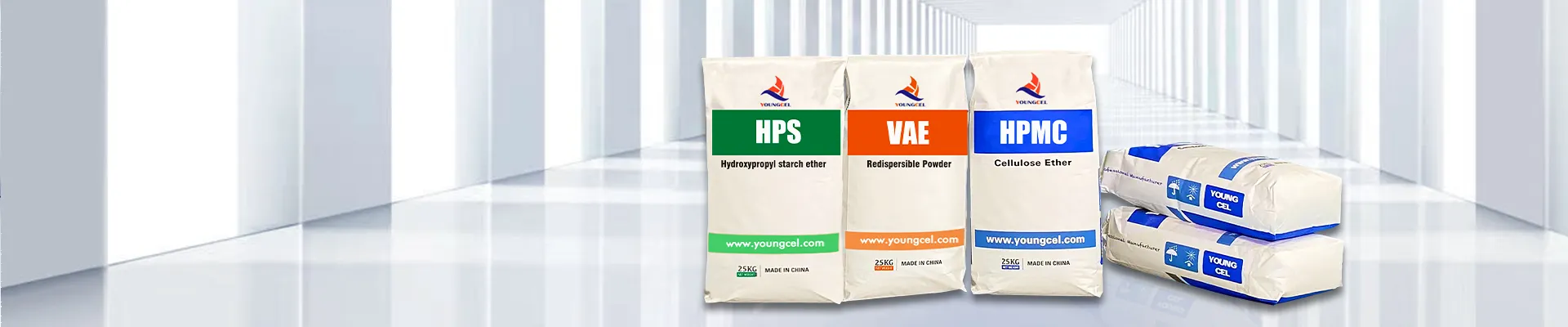
Introduction to Hydroxypropyl Methyl Cellulose (HPMC)
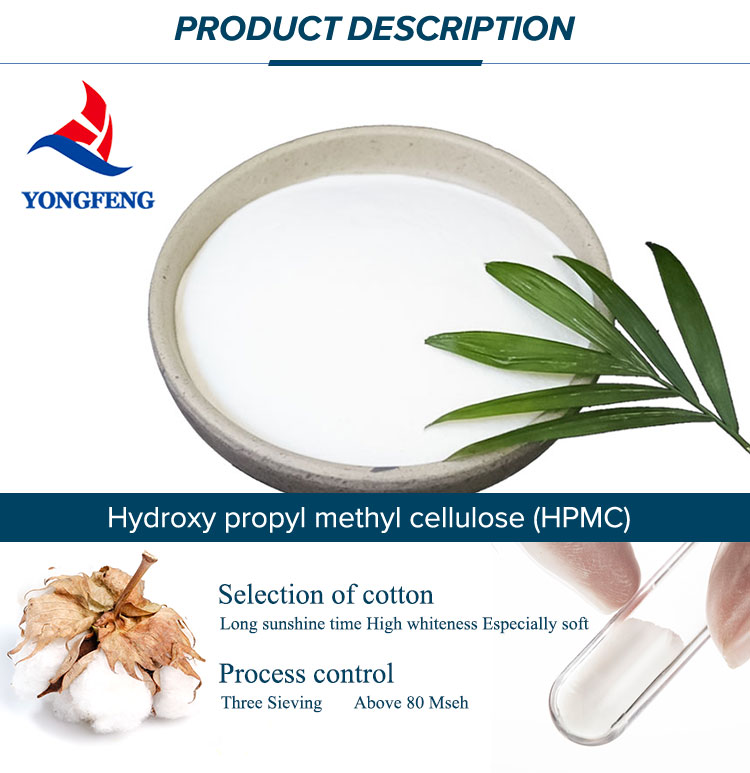
Hydroxypropyl Methyl Cellulose (HPMC) is a versatile chemical additive widely used in the construction industry. Derived from highly purified cotton fiber through a specialized etherification process under alkaline conditions, HPMC offers exceptional properties such as thickening ability, salt resistance, and water retention. This article explores the features, technical specifications, and applications of HPMC, specifically designed for tile adhesives and plaster additives by Shijiazhuang Gaocheng District Yongfeng Cellulose Co., Ltd..
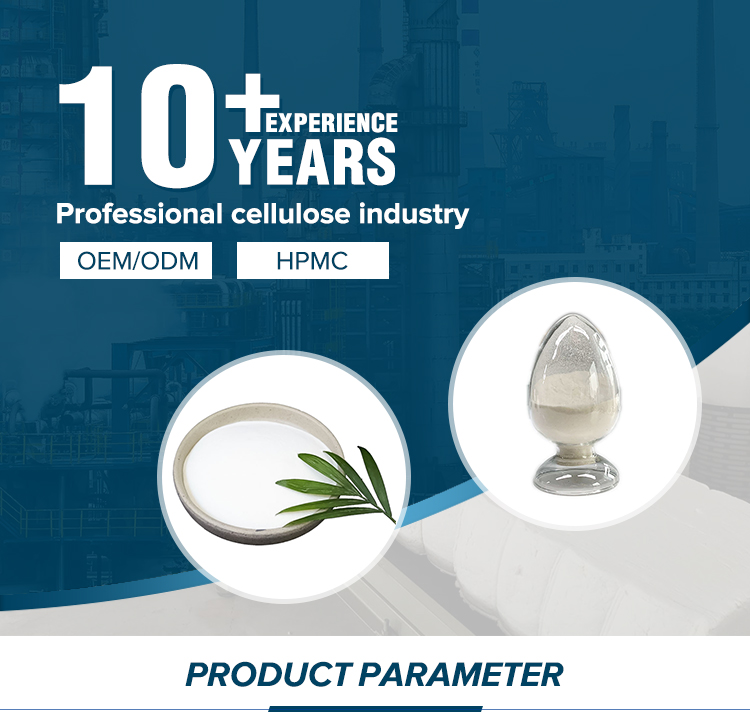
Key Features of HPMC
HPMC is characterized by its unique chemical and physical properties, making it an ideal additive for construction materials. Key features include:
- High Solubility: Soluble in water and specific solvents like ethanol/water or propanol/water mixtures, ensuring easy integration into various formulations.
- Excellent Water Retention: Enhances the workability and adhesion of cement mortars and tile adhesives, reducing the risk of cracking during curing.
- Dimensional Stability: Maintains structural integrity under varying temperatures, preventing deformation in construction applications.
- Biodegradable and Eco-Friendly: A sustainable alternative to synthetic additives, aligning with modern green building practices.
These properties make HPMC a critical component in modern construction, particularly for tile adhesives and plaster additives.
Technical Specifications
| Parameter | Specification |
|---|---|
| Appearance | Milky white or white powder |
| Carbonization Temperature | 280-300% |
| Color Temperature | 190-200% |
| Particle Size | 100 mesh >98.8%, 80 mesh 99.9%, 40-60 mesh (special) |
| Apparent Density | 0.25-0.70 g/cm³ (typically 0.5 g/cm³) |
| Specific Gravity | 1.26-1.31 |
| Solubility | Water and selected solvents (e.g., ethanol/water, propanol/water) |
Applications in the Construction Industry
HPMC's versatility makes it indispensable in various construction scenarios:
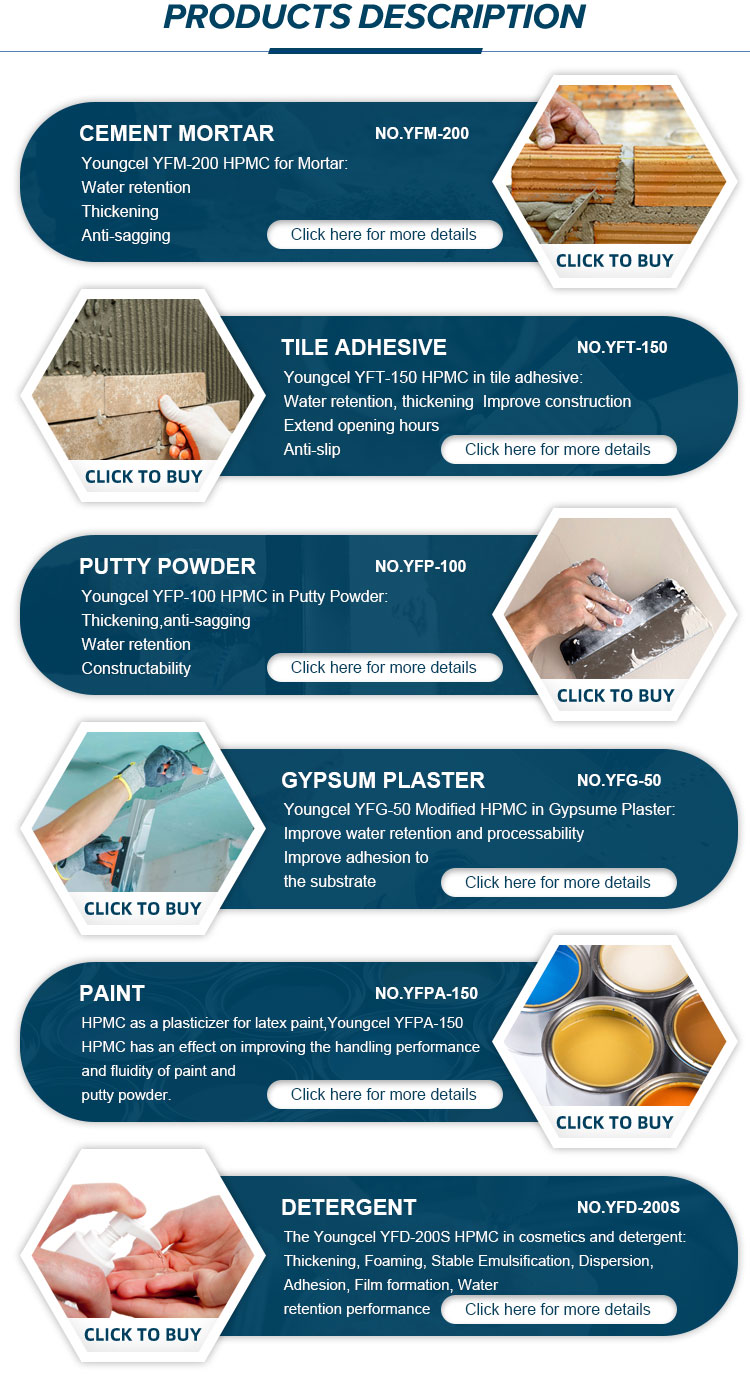
- Cement Mortar: Enhances workability and cohesion, ensuring even distribution and reducing segregation.
- Ceramic Tile Cement: Improves adhesion between tiles and substrates, preventing detachment over time.
- Refractory Coatings: Acts as a suspension agent and fluidity enhancer, improving the bond strength of asbestos-based materials.
- Gypsum Slurry: Boosts water retention and adhesion, critical for gypsum board applications.
- Joint Cement: Added to ground joint cement for gypsum boards to improve flow and moisture retention.
About Shijiazhuang Gaocheng District Yongfeng Cellulose Co., Ltd.
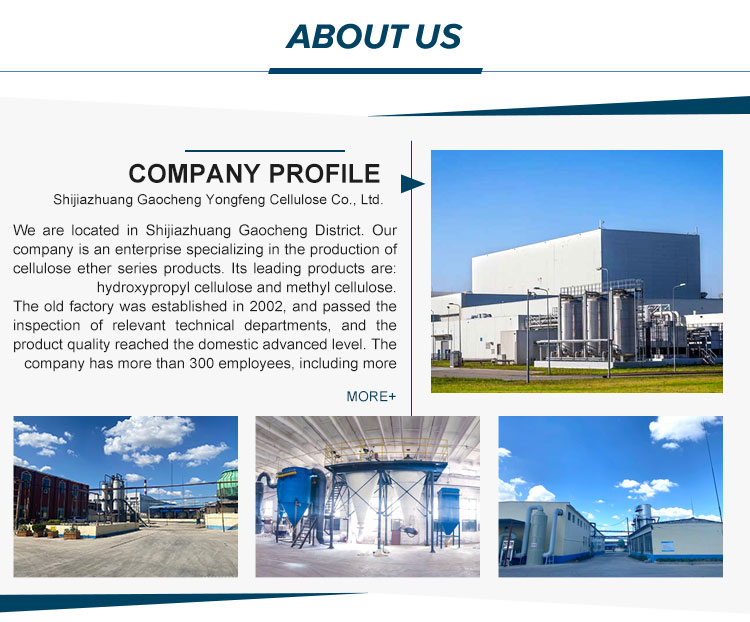
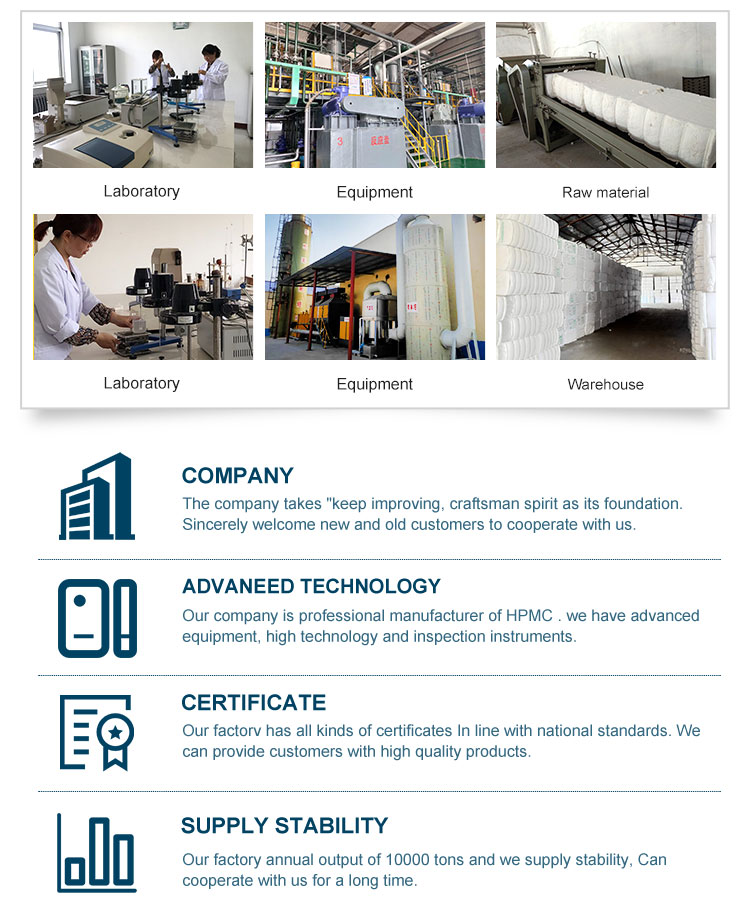
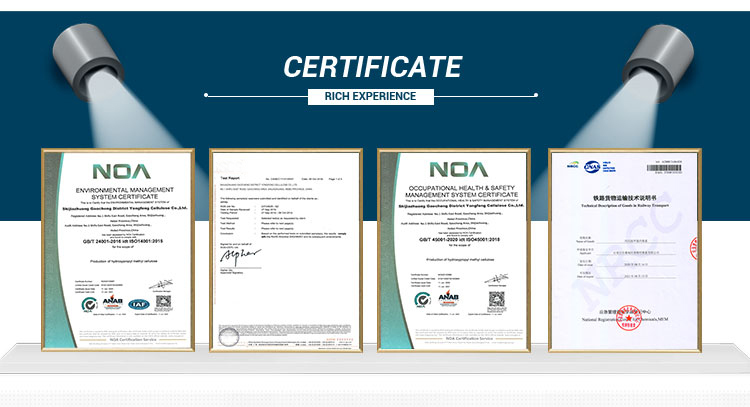
Shijiazhuang Gaocheng District Yongfeng Cellulose Co., Ltd. is a leading manufacturer of cellulose derivatives, specializing in HPMC for construction and industrial applications. With a commitment to quality and innovation, the company ensures its products meet stringent industry standards. Their product portfolio includes chemical additives, binders, and dispersants, catering to global markets.
As a trusted name in the industry, Yongfeng Cellulose prioritizes sustainability and customer satisfaction, offering solutions that enhance construction efficiency and durability.
Authoritative Citations and References
According to the National Institute of Standards and Technology (NIST), HPMC's properties align with modern construction standards for material performance and sustainability. NIST's research on polymer-based additives highlights their role in improving the mechanical properties of cementitious materials (NIST Technical Report, 2023). Additionally, the American Society for Testing and Materials (ASTM) provides guidelines for evaluating the performance of such additives in construction applications.
References:
- NIST. (2023). Polymer Additives in Construction Materials. Retrieved from https://www.nist.gov/
- ASTM International. (2022). Standard Test Methods for Chemical Analysis of Cellulose Derivatives. Retrieved from https://www.astm.org/