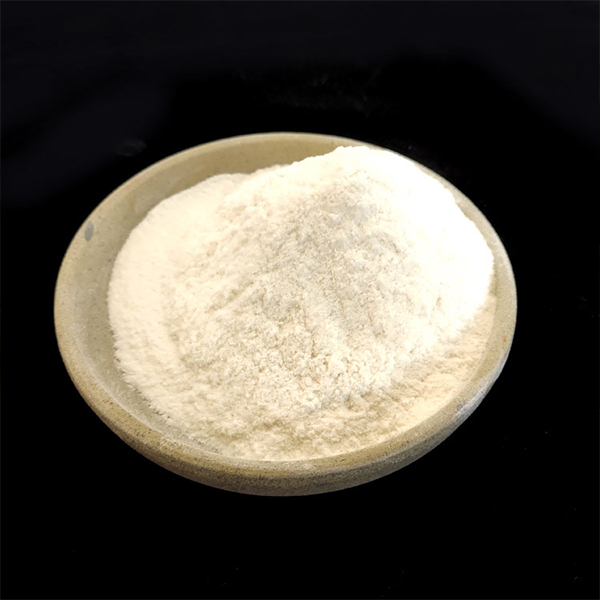


Top Methyl Hydroxyethyl Cellulose Manufacturers for Construction
When formulating high-performance building materials, the balance between fluid workability and structural stability is critical. Methyl Hydroxyethyl Cellulose (MHEC), identified by CAS No. 9032-42-2, serves as a vital additive that addresses these challenges by providing exceptional thickening and water retention properties. Unlike standard thickeners, this cellulose ether is specifically engineered to prevent rapid dehydration in dry and wet mortar products, ensuring a more consistent curing process and reducing the risk of shrinkage cracks. Whether utilized in water-based latex paints or complex oil drilling fluids, the integration of MHEC optimizes the rheological profile of the mixture, allowing for easier application and enhanced durability in diverse environmental conditions.

The Functional Role of MHEC in Modern Construction Chemistry
Methyl Hydroxyethyl Cellulose functions as a non-ionic cellulose ether that modifies the viscosity of aqueous solutions. In the context of fine chemical manufacturing, its primary value lies in its ability to form a protective film around water molecules, which significantly slows down the evaporation rate. This water retention capability is indispensable for cement-based products, as it ensures that the hydration process of the cement is complete, leading to higher compressive strength and better adhesion to substrates.
Beyond moisture control, MHEC improves the "open time" of mortars. This means the material remains workable for a longer period, allowing technicians to adjust and finish surfaces without the product drying prematurely. This is particularly critical in large-scale building construction where temperature and humidity fluctuations can otherwise compromise the quality of the building materials.

Diversified Industrial Applications and Compatibility
While heavily utilized in the construction sector, the versatility of MHEC extends to several other high-demand industries. In the production of water-based latex paintings, it acts as a stabilizing agent that prevents pigment sedimentation and ensures a smooth, uniform coat upon application. Its ability to control flow properties makes it a preferred choice for printing inks, where precise viscosity is required to avoid bleeding or uneven distribution.
In the oil drilling industry, the additive is employed to manage the loss of fluid into permeable formations. By thickening the drilling mud, it helps in transporting cuttings to the surface more efficiently. The chemical stability of MHEC allows it to perform reliably even under the mechanical stress and chemical complexity typical of subsurface exploration.
Technical Considerations for Optimizing Mortar Workability
Selecting the right grade of MHEC requires an understanding of the interaction between the additive and other components in the mix. For dry mortar products, the dosage must be precisely calibrated to achieve the desired sag resistance without sacrificing the ease of application. Too little additive can lead to rapid water loss and poor bonding, while excessive amounts may hinder the drying time and affect the final finish.
Engineering teams often evaluate MHEC based on its viscosity levels and solubility. Since it is compatible with various other additives, it can be combined with redispersible polymer powders (RDP) to create a synergistic effect, enhancing both the flexibility and the water resistance of the final material. This combination is essential for tile adhesives and external thermal insulation systems.
Technical Performance Comparison Matrix
| Application Area | Primary Requirement | MHEC Contribution | Expected Outcome |
|---|---|---|---|
| Cement Mortar | Water Retention | High Water Binding | Reduced Cracking |
| Latex Paints | Viscosity Control | Stabilization | Uniform Coating |
| Oil Drilling | Fluid Loss Control | Rheology Modification | Efficient Cuttings Removal |
| Gypsum Plaster | Workability | Thickening Effect | Improved Spreadability |
| Printing Inks | Consistency | Anti-sedimentation | Sharp Print Quality |
Strategic Sourcing and Supplier Evaluation
For procurement managers, sourcing from reliable methyl hydroxyethyl cellulose manufacturers involves more than just comparing prices. The consistency of the viscosity batch-to-batch is the most critical quality indicator. Variations in the degree of substitution of the methyl and hydroxyethyl groups can lead to unpredictable performance in the field, potentially resulting in costly project delays or structural failures.
A qualified supplier should provide comprehensive technical data sheets (TDS) and certificates of analysis (COA) for every shipment. Buyers should look for manufacturers who emphasize quality management and possess the capability to customize the viscosity and purity levels based on the specific requirements of the final application, whether it be for high-end architectural coatings or industrial-grade drilling fluids.
Future Trends in Cellulose Ether Technology
The industry is currently shifting toward more sustainable and environmentally friendly chemical production. Future developments in MHEC manufacturing are focusing on reducing the carbon footprint of the etherification process and improving the biodegradability of the final product. There is also a growing demand for "intelligent" cellulose ethers that can respond to temperature changes, providing higher stability in extreme climates.
As building standards become more stringent regarding energy efficiency, the role of MHEC in high-performance insulation mortars will expand. The ability to maintain precise water-to-cement ratios will be key to creating denser, more insulating layers that meet modern green building certifications. This evolution ensures that cellulose-based additives remain central to the advancement of the construction chemicals industry.
Technical FAQ and Procurement Guidance
What is the main difference between MHEC and HPMC?
MHEC (Methyl Hydroxyethyl Cellulose) typically offers better thermal stability and resistance to certain enzymes compared to HPMC (Hydroxypropyl Methyl Cellulose), making it highly effective in environments with fluctuating temperatures.
How does MHEC improve the workability of mortar?
It increases the viscosity of the aqueous phase and provides water retention, which prevents the mortar from drying too quickly and allows it to slide and spread more easily across the substrate.
Is MHEC compatible with other construction additives?
Yes, it is generally compatible with most common additives, including redispersible polymer powders (RDP) and various superplasticizers, often creating a synergistic effect that improves overall performance.
What should I check when evaluating a new supplier?
Focus on the consistency of viscosity across different batches, the purity of the product (low ash content), and the availability of detailed technical documentation like the COA.
Can MHEC be used in oil-based systems?
No, MHEC is a water-soluble cellulose ether and is designed specifically for water-based systems such as latex paints and aqueous drilling fluids.
What is the typical storage requirement for MHEC powder?
It should be stored in a cool, dry, and well-ventilated area, kept away from moisture and direct heat to prevent caking and maintain its chemical stability.
Technical References and Industry Standards
- Research on Cellulose Ether Rheology in Construction Materials
- ISO Standards for Chemical Additives in Building Products
- American Chemical Society - Polymer Science and Applications
- ASTM International Standards for Mortar Testing
Selecting the right cellulose ether is a technical decision that impacts the longevity and quality of the entire construction project. By partnering with experienced suppliers and understanding the rheological needs of your application, you can ensure optimal performance and structural integrity.
Related Industry Insights