



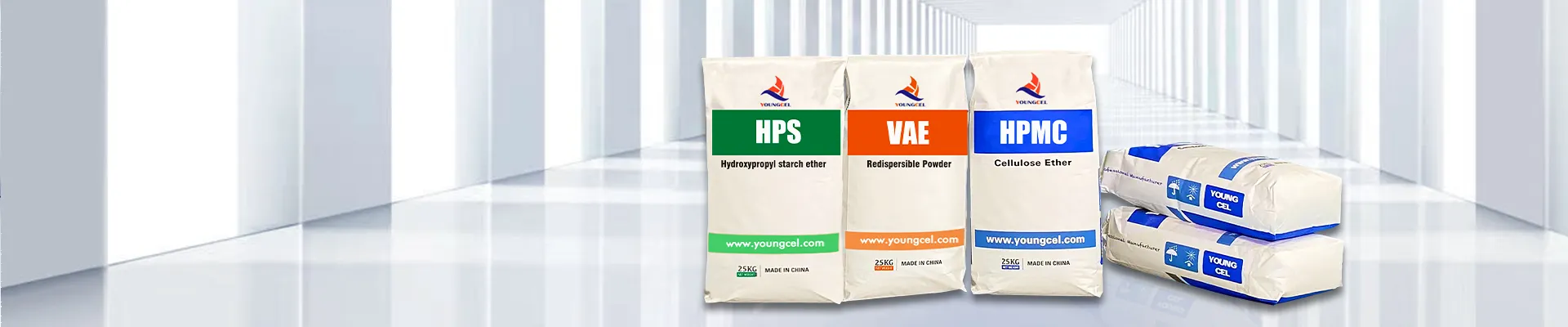
Understanding Redispersible Polymer Powder Types: The Unsung Hero of Modern Construction
If you haven’t yet heard of redispersible polymer powder types, you’re not alone. These specialty powders play a surprising but crucial role in construction, mortar formulations, and especially in applications demanding flexibility and durability. Globally, as urbanization surges and infrastructure demands become more complex, understanding these materials is more than academic—it’s practical. They improve performance, help sustainability goals, and even enable innovative building techniques worldwide.
In brief, redispersible polymer powders are polymer particles suspended in a dry powder form that can be easily mixed back into water or mortar to restore the qualities of a liquid polymer. This ability makes them invaluable across many industries, not least humanitarian relief, where they're key for producing rapid-drying, durable mortars and renders.
The Global Importance of Redispersible Polymer Powder Types
According to recent reports by the ISO and the United Nations statistics division, global urban infrastructure is expected to grow by over 60% by 2030. This means more buildings, roads, and repairs—all of which require advanced materials that can withstand demanding conditions.
Traditional cement-based mortars lack flexibility, leading to cracking and failure when subjected to stress or moisture. Enter redispersible polymer powder types — they modify mortar properties to increase elasticity, adhesion, and durability, ultimately addressing these longstanding weaknesses. That makes them a key innovation in sustainable construction. The World Bank’s recent infrastructure reports even highlight improved material performance as a pillar for resilient cities.
Oddly enough, despite their widespread use, many in the construction supply chain overlook the subtle differences among the various redispersible polymer powders, which directly impact effectiveness in specific applications.
Defining Redispersible Polymer Powder Types
So, let's unpack what these powders really are: essentially, they’re polymers—long chains of repeating molecules—coated and spray-dried into a powder form so that, when mixed with water or cement, they “redisperse” into a liquid polymer phase. This allows easy transport and handling compared to liquid polymers, especially important in remote or hot climates where liquids might spoil or freeze.
Redispersible polymer powder types are typically based on vinyl acetate-ethylene (VAE), ethylene-vinyl chloride (EVA), or styrene-butadiene (SBR). Each variation has different bonding and flexibility characteristics, influencing the end product.
The broader significance? They enable construction materials to combine strength with flexibility—important not just for buildings but infrastructure exposed to seismic activity, temperature shifts, and humidity variations. In humanitarian contexts, where speedy and robust rebuilding is essential, these powders are an ally.
Core Components That Define Performance
1. Flexibility
Polymer powders improve mortar’s ability to flex without cracking. This is key for expansions, vibrations, or natural ground movements.
2. Adhesion
Enhanced adhesion to many substrates means stronger bonds—ideal for repairs or tiles on difficult surfaces.
3. Water Retention
They help retain water during curing, reducing shrinkage and enhancing hardened mortar strength.
4. Durability
Resistance to freeze-thaw cycles, chemical attack, and UV help extend lifespan, crucial in harsh environments.
5. Compatibility
Different polymer types influence compatibility with various fillers and additives, affecting final mix properties.
6. Sustainability
Many manufacturers now produce redispersible polymer powders with lower VOCs (volatile organic compounds) and recycled raw materials, a growing industry focus.
Mini takeaway: The specific polymer type chosen can dramatically influence a mortar’s performance, so understanding these core characteristics is essential for engineers and specifiers.
Where in the World Are These Powders Making a Difference?
Across Europe and North America, they’re traditional staples in tile adhesives, self-leveling compounds, and repair mortars. However, emerging economies like India, Brazil, and parts of Africa are increasingly turning to polymer-modified mortars to improve infrastructure resilience. In post-disaster scenarios—take the 2010 Haiti earthquake relief efforts—materials based on redispersible polymer powders were crucial in rapid rebuilding efforts.
Industrially, petrochemical plants use these powders in highly resistant coatings for equipment. On the humanitarian front, the UN, Red Cross, and other organizations rely heavily on polymer-modified mortars to ensure shelters and infrastructure hold up under tough climatic conditions.
The reach extends to remote mining and industrial areas, where material transport is tricky but durability can’t be compromised. The dry powder form is easier to ship and store than liquid alternatives, which often require refrigeration or stabilization.
A Closer Look: Product Specifications
| Parameter | Typical VAE Powder | Typical SBR Powder |
|---|---|---|
| Polymer Content (%) | 55 ± 2 | 60 ± 3 |
| Median Particle Size (µm) | 20-25 | 15-22 |
| Glass Transition Temp (°C) | -10 to -20 | -40 to -55 |
| Bulk Density (kg/m³) | 400-450 | 420-460 |
| Redispersion Stability | Excellent | Good to Excellent |
Comparing Leading Vendors of Redispersible Polymer Powders
| Vendor | Polymer Types Offered | Sustainability Focus | Primary Markets | Regional Reach |
|---|---|---|---|---|
| Youngcel | VAE, SBR | High (low VOC, recycled components) | Tile Adhesives, Mortars, Repair | Global (strong in Asia, Europe) |
| BASF | VAE, EVA, SBR | Medium (energy-efficient production) | Construction Chemicals | Europe, NA |
| Dow Chemical | SBR, Acrylic | Medium | Industrial Coatings, Mortars | NA, APAC |
| Wacker Chemie | VAE, SBR | High (bio-based initiatives) | Tile Adhesives, Accelerators | Europe, Asia |
Exploring Benefits and Long-Term Impact
What really draws many engineers and architects to redispersible polymer powder types is their balance of tangible and intangible benefits. Frankly, the cost savings over entire project lifecycles can be substantial because repairs and replacements become less frequent.
- Cost Efficiency: Less cracking and water damage means infrastructure lasts longer.
- Sustainability: Enhanced environmental profiles—many powders now use recycled raw materials and reduce waste thanks to longer-lasting coatings.
- Safety and Dignity: For humanitarian shelters, durable and quick-setting mortars provide safer, more comfortable accommodations.
- Innovation: Enabling new construction methods, such as 3D printed mortars with enhanced bonding.
- Trust: Proven track record in some of the world’s toughest environments.
Many say this combination is what makes these powders “unsung heroes” in material sciences.
Looking Ahead: Trends and Innovations
What fascinates me is how this market isn’t static. Sustainable and green chemistry principles are driving research into bio-based polymer powders, while advances in nanotechnology could push particle performance even further.
Digital transformation means better quality control and customization, too—imagine powders tailored to microclimates or regional materials. Automation in mixing and application is also improving consistency on construction sites.
Plus, regulations tightening VOC emissions and environmental impact are nudging suppliers into cleaner formulations. It feels like we’re on the brink of a materials renaissance here.
Challenges and How Experts Are Tackling Them
Of course, nothing is perfect. The biggest limitations are cost premiums and some compatibility issues in multi-component mixes. Powder redispersion can sometimes be incomplete if the mixing process is rushed or conditions are suboptimal.
Experts recommend standardized testing, better training for applicators, and close vendor partnerships to ensure optimal performance. Some innovators are developing additives that boost redispersion even when mixers are less than ideal.
FAQ: Common Questions About Redispersible Polymer Powder Types
- Q: What are the main differences between VAE and SBR polymer powders?
- A: VAE powders generally offer better water retention and are compatible with tile adhesives, while SBR powders provide superior flexibility and chemical resistance, often favored for repair mortars.
- Q: Can redispersible polymer powders be used in cold climates?
- A: Yes, powders are ideal for cold environments as they avoid freezing issues associated with liquid polymers, but curing times may be slower, so additives or heat may be necessary.
- Q: How do these powders help with sustainable construction?
- A: They extend mortar lifespan, reduce repair frequency, and newer powders reduce volatile organic compounds (VOCs) and incorporate recycled content, lowering environmental impact.
- Q: Are redispersible polymer powders difficult to handle on site?
- A: Not really. They are dry and easy to store/transport but require proper mixing with water or mortar to ensure good redispersion. Proper training helps maximize effectiveness.
In Conclusion: Why Redispersible Polymer Powder Types Matter
To wrap things up, redispersible polymer powder types may not grab headlines, but they underpin many modern advances in construction and humanitarian aid. Their unique chemistry fosters stronger, longer-lasting, more adaptable materials, enabling projects around the world to meet tougher demands.
If you want to dive deeper into the varieties, specs, and how to apply these powders effectively, be sure to visit our comprehensive resource hub at https://www.youngcel.com. The future of durable construction just might hinge on these tiny polymer particles.
After all, sometimes the smallest ingredients make the biggest difference.
References
-
Industrial Guide to High Performance Ceramic Adhesives UseNewsApr.16,2026
-
Ultimate Guide to Choosing the Right Cement Wall PaintNewsApr.09,2026
-
Comprehensive Guide to Cement Thickeners for Construction and Oil DrillingNewsApr.07,2026
-
Optimizing Construction with Advanced Cement Mortar Additive SolutionsNewsApr.04,2026
-
Understanding Cement Glue for Construction and DIY ProjectsNewsMar.31,2026
-
Effective Cement Dissolver Chemical Solutions for Construction and IndustryNewsMar.28,2026