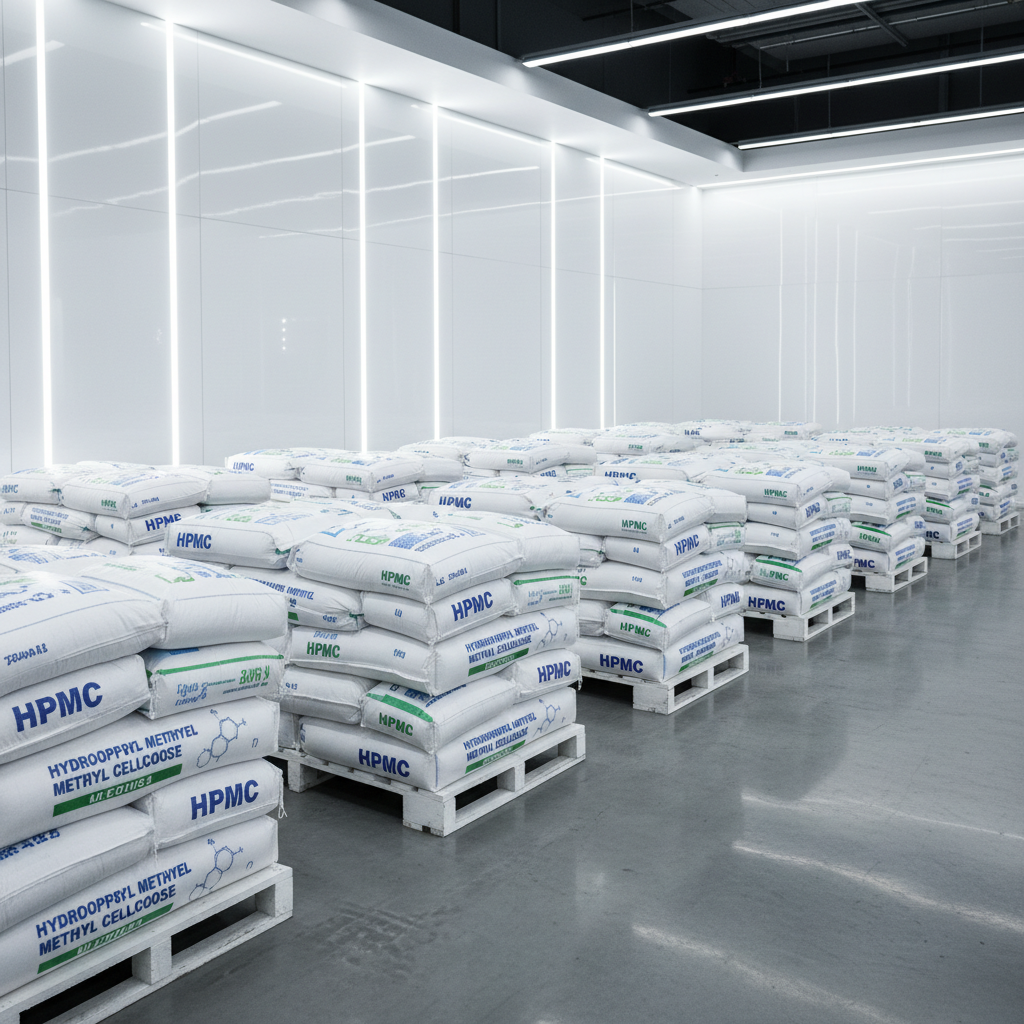
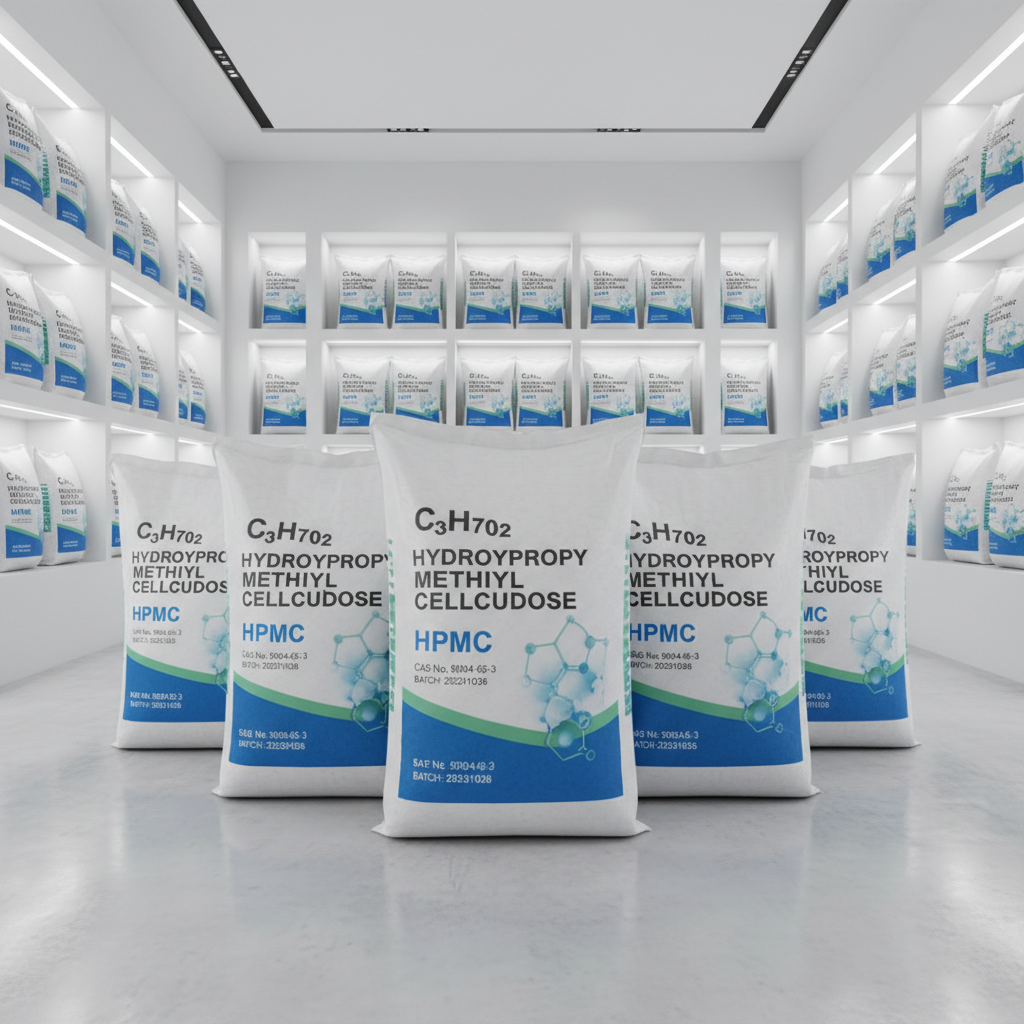
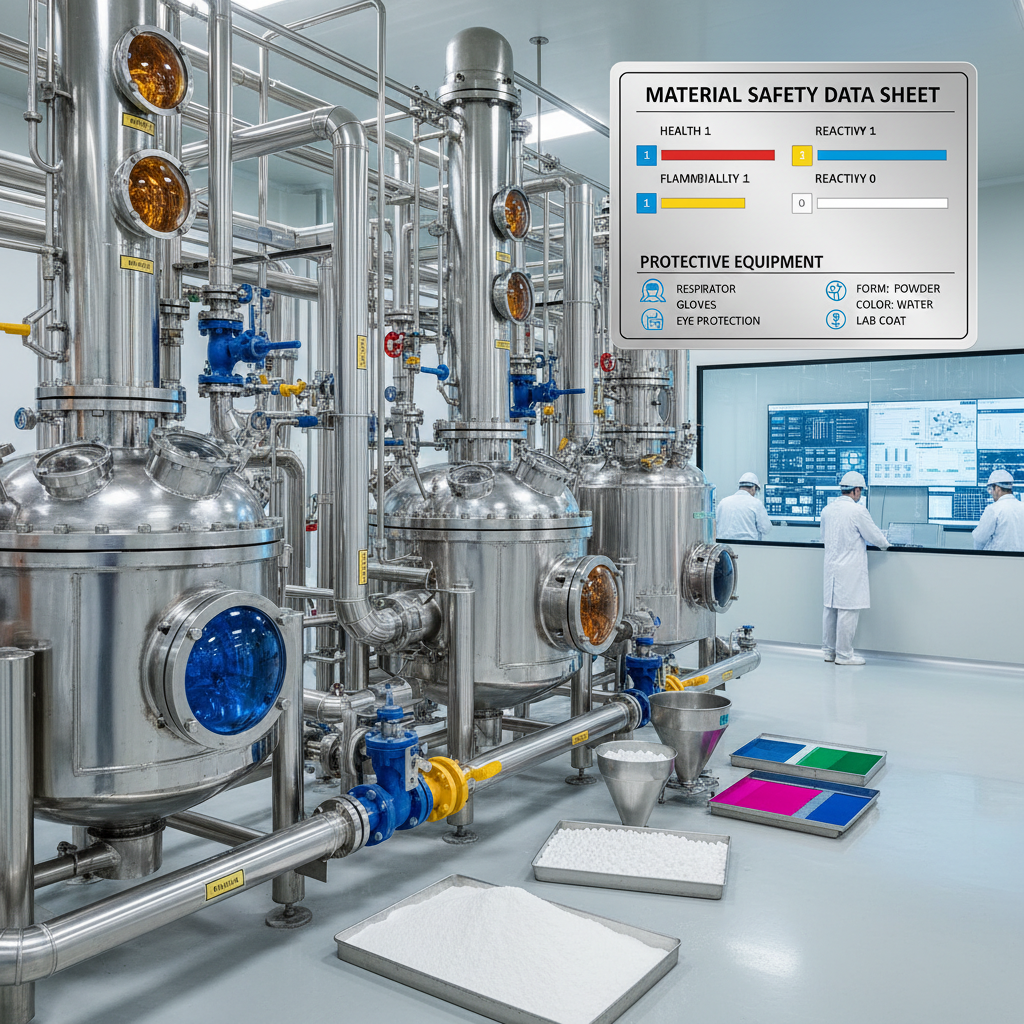
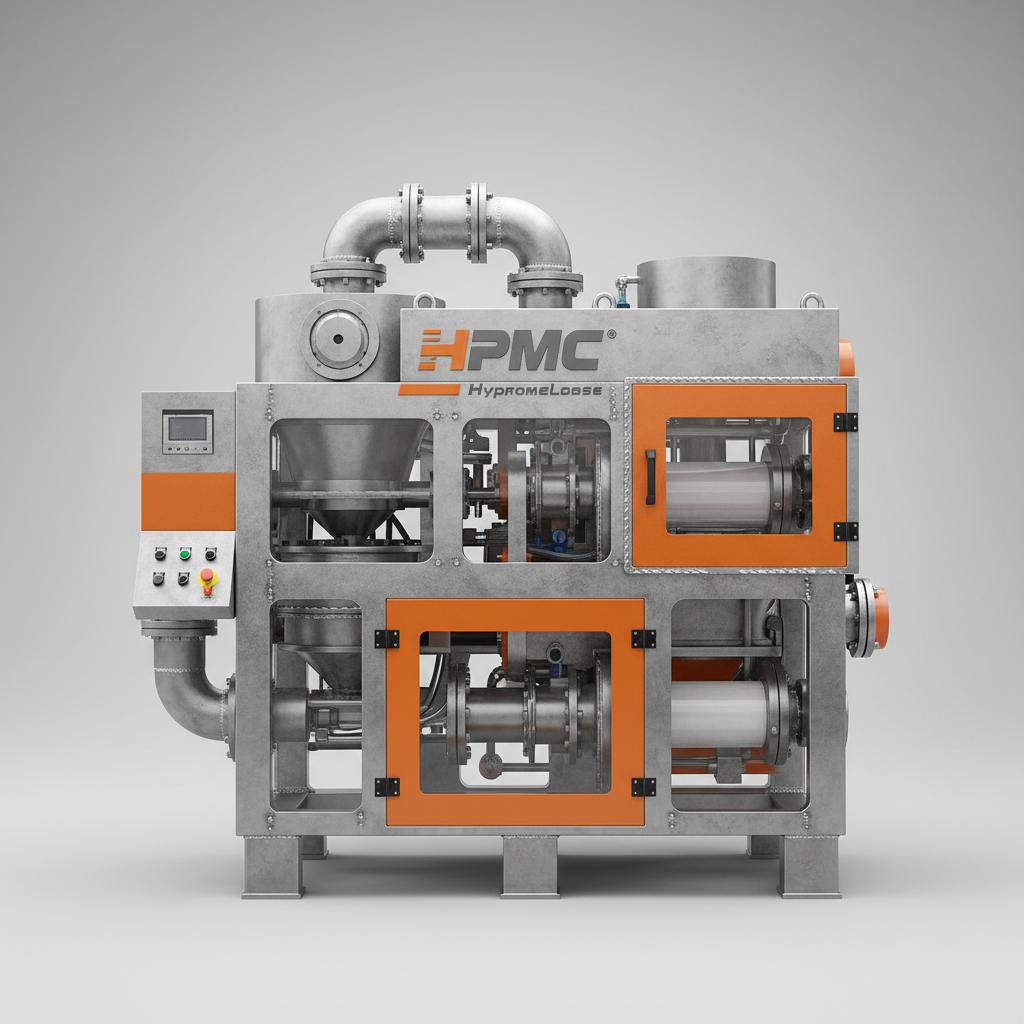
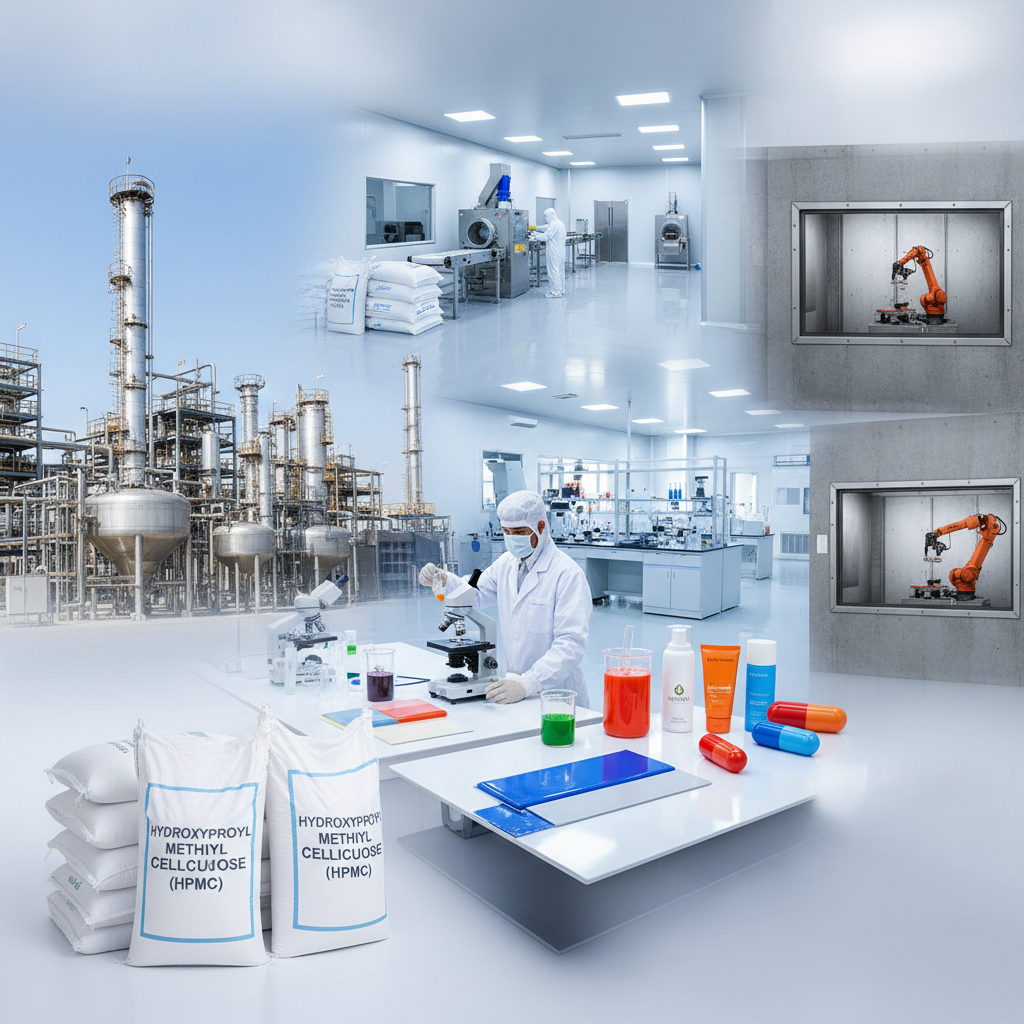
Hydroxypropyl methyl cellulose (HPMC) is a versatile polymer finding increasing application across diverse industries, from pharmaceuticals and food to construction and personal care. Its unique properties – thickening, binding, film-forming, and water retention – make it an invaluable ingredient in countless products. Understanding HPMC is crucial for innovation and efficiency in sectors striving for improved performance and sustainable solutions.
Globally, the demand for HPMC is steadily rising, driven by population growth, increasing consumer awareness of product quality, and stricter regulatory standards. The ISO standards for HPMC production and quality control contribute to its consistent performance and widespread acceptance. Addressing challenges related to sourcing, manufacturing scalability, and sustainable production of HPMC is paramount to meeting this growing demand.
HPMC plays a critical role in addressing global challenges, especially in areas requiring advanced material science. Its applications range from stabilizing pharmaceutical formulations in challenging climates to enhancing the performance of building materials in demanding environments. The ongoing research and development of HPMC derivatives further broaden its potential impact.
Introduction to Hydroxypropyl Methyl Cellulose (HPMC)
Hydroxypropyl methyl cellulose (HPMC) is a non-ionic cellulose ether derived from cellulose, offering a unique combination of physical and chemical properties. These properties make it an incredibly versatile material for a vast spectrum of applications. hydroxypropyl methyl cellulose (hpmc)'s role is expanding as industries seek sustainable and high-performance additives.
The production of HPMC involves carefully modifying cellulose sourced from wood pulp or cotton linter. This modification process imparts desirable characteristics like water solubility, thermal gelation, and excellent film-forming ability, making it suitable for diverse industrial uses. The controlled manufacturing process ensures consistent quality and performance.
Global Relevance and Industry Context
The global market for cellulose ethers, including HPMC, is substantial and continuously growing. According to recent reports, the market size was valued at over USD 8.2 billion in 2023 and is projected to reach USD 11.5 billion by 2030. This growth is driven by increasing demand from the construction, pharmaceutical, food, and personal care industries. Asia-Pacific dominates the market, with China being a major producer and consumer.
The construction industry utilizes HPMC as a vital component in cement-based materials, tile adhesives, and gypsum plasters, enhancing workability, water retention, and adhesion. In pharmaceuticals, HPMC serves as a binder, film-coating agent, and controlled-release matrix for tablets and capsules, ensuring drug efficacy and patient compliance.
A major challenge facing the HPMC industry is the need for sustainable sourcing of cellulose and environmentally friendly production processes. Consumers are increasingly demanding products with a lower carbon footprint, pushing manufacturers to adopt greener practices and explore alternative cellulose sources. Addressing this challenge is essential for the long-term viability of the HPMC market.
Defining Hydroxypropyl Methyl Cellulose (HPMC)
Hydroxypropyl methyl cellulose (HPMC) is a cellulose derivative created by chemically modifying cellulose through a series of reactions involving methyl chloride and propylene oxide. This process introduces both methyl and hydroxypropyl groups onto the cellulose backbone, altering its solubility and other physical properties. It's a white to off-white powder, odorless, and tasteless.
The significance of HPMC stems from its ability to function as a multi-purpose ingredient across a vast range of applications. Unlike many synthetic polymers, HPMC is derived from a renewable resource – cellulose – making it a more sustainable option. This connection to modern industry is driven by the need for biodegradable and biocompatible materials.
HPMC is critical in addressing humanitarian needs, such as stabilizing food supplies in arid regions through its water-retention properties or providing crucial components for pharmaceutical formulations in developing countries. Its versatility and relatively low cost make it accessible for a wide variety of applications, contributing to improved quality of life globally.
Core Properties of HPMC
One of the core properties of HPMC is its thickening ability. Even at low concentrations, HPMC can significantly increase the viscosity of aqueous solutions, making it ideal for applications requiring controlled flow behavior. This is especially crucial in paint, coatings, and personal care products.
HPMC also exhibits excellent film-forming capabilities, creating strong, flexible, and transparent films. This property is leveraged in pharmaceutical coatings, food packaging, and even specialized adhesive formulations. The film's barrier properties can also be tailored to control moisture and gas permeability.
HPMC Performance Based on Viscosity Grades
Applications of HPMC Across Industries
In the pharmaceutical industry, hydroxypropyl methyl cellulose (hpmc) is widely used as a binder in tablet formulations, ensuring that the active pharmaceutical ingredients (APIs) are held together effectively. It also acts as a film coating agent, protecting the tablets from moisture and improving their swallowability. Furthermore, HPMC plays a crucial role in controlled-release drug delivery systems.
The construction sector benefits significantly from HPMC's water retention properties. Adding HPMC to cement-based materials like tile adhesives and plasters prevents rapid water loss during application, allowing for proper hydration and improved adhesion. This leads to stronger, more durable constructions.
Advantages and Long-Term Value
The cost-effectiveness of HPMC is a significant advantage, particularly compared to synthetic alternatives. Its widespread availability and relatively simple manufacturing process contribute to its competitive pricing. Furthermore, its versatility allows for a reduction in the need for multiple specialized additives.
From a sustainability perspective, HPMC is derived from renewable cellulose sources, making it a more environmentally friendly option. Its biodegradability further reduces its environmental impact. The inherent safety of HPMC ensures minimal risk to both human health and the environment, fostering trust and reliability.
Future Trends and Innovations in HPMC
Current research focuses on developing HPMC derivatives with enhanced properties, such as improved thermal stability and biocompatibility. Nanotechnology is also being explored to create HPMC-based nanoparticles for targeted drug delivery systems and advanced material applications.
The integration of digital technologies, like AI-powered formulation design, is optimizing HPMC usage and improving product performance. Sustainable sourcing initiatives, including utilizing agricultural waste as a cellulose source, are gaining momentum. These advancements are paving the way for a more sustainable and efficient future for HPMC.
The future of HPMC is intertwined with the broader trends of green chemistry and circular economy principles. Expect increased demand for bio-based polymers like HPMC, and a continual drive towards improving its lifecycle assessment and minimizing its environmental footprint.
Summary of HPMC Production and Quality Control Factors
| Cellulose Source |
Methylation Degree |
Hydroxypropylation Degree |
Viscosity Grade (mPa·s) |
| Wood Pulp |
19-24% |
8-12% |
4000 |
| Cotton Linter |
24-28% |
12-16% |
15000 |
| Bamboo Pulp |
21-25% |
9-13% |
8000 |
| Agricultural Waste |
18-22% |
7-11% |
2000 |
| Recycled Cellulose |
20-26% |
8-14% |
6000 |
| Modified Cellulose |
22-29% |
10-17% |
12000 |
FAQS
HPMC is extensively used in pharmaceuticals as a binder in tablets, ensuring cohesiveness and proper formulation. It’s also a popular film-coating agent, protecting tablets from environmental factors and enhancing swallowability. Moreover, HPMC is a key component in controlled-release matrix tablets, allowing for sustained drug delivery and improved patient compliance. Its biocompatibility and non-toxicity make it a safe and effective excipient.
HPMC enhances the workability and water retention of cement-based materials like tile adhesives and plasters. This reduction in water demand translates to lower cement consumption, significantly decreasing the carbon footprint of construction projects. Furthermore, HPMC's renewable cellulose source and biodegradable nature align with sustainable building practices, contributing to environmentally friendly construction.
Several factors impact HPMC viscosity, including its molecular weight, degree of substitution (DS), concentration, and temperature. Higher molecular weight and DS generally lead to increased viscosity. Temperature inversely affects viscosity – as temperature rises, viscosity decreases. Additionally, the presence of salts or other additives can alter the HPMC solution's viscosity.
Generally, HPMC exhibits excellent compatibility with a wide range of excipients used in pharmaceutical and food formulations. It's compatible with many sugars, polymers, and salts. However, compatibility should always be verified through specific formulation studies, particularly when incorporating novel or highly reactive excipients. Careful assessment ensures optimal stability and performance.
HPMC should be stored in a cool, dry place, protected from direct sunlight and moisture. Maintaining a temperature below 30°C (86°F) and relative humidity below 65% is recommended. Proper storage prevents degradation, caking, and loss of functionality, ensuring the HPMC retains its desired properties for extended periods. Original, sealed containers are preferable.
The molecular weight of HPMC is typically determined using viscometric methods, gel permeation chromatography (GPC), or intrinsic viscosity measurements. Molecular weight significantly impacts HPMC's properties, particularly its viscosity and solution behavior. Higher molecular weight HPMC generally yields higher viscosity solutions and improved film-forming capabilities. Selection of appropriate molecular weight is crucial for optimizing product performance.
Conclusion
Hydroxypropyl methyl cellulose (HPMC) stands as a remarkably versatile polymer offering significant benefits across a spectrum of industries. Its unique combination of properties – thickening, binding, film-forming, and water retention – coupled with its sustainability and cost-effectiveness, positions it as a vital ingredient for numerous applications. From enhancing pharmaceutical formulations to improving construction materials, HPMC contributes to both technological advancement and a more sustainable future.
Looking ahead, continued research and innovation focused on HPMC derivatives and sustainable sourcing methods will further expand its potential. The integration of digital technologies will optimize its application and enhance product performance. To learn more about the wide range of HPMC products and solutions, and to discuss your specific application needs, please visit our website: www.youngcel.com.