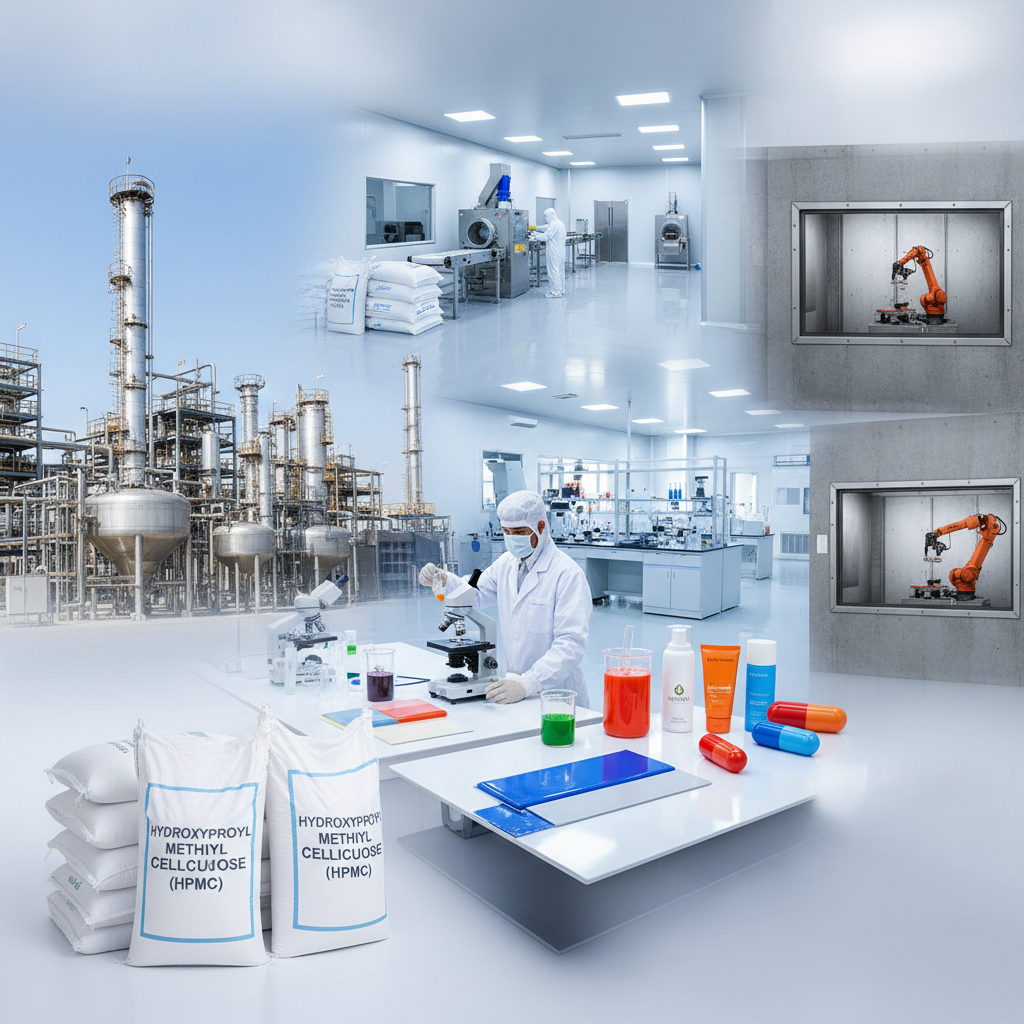
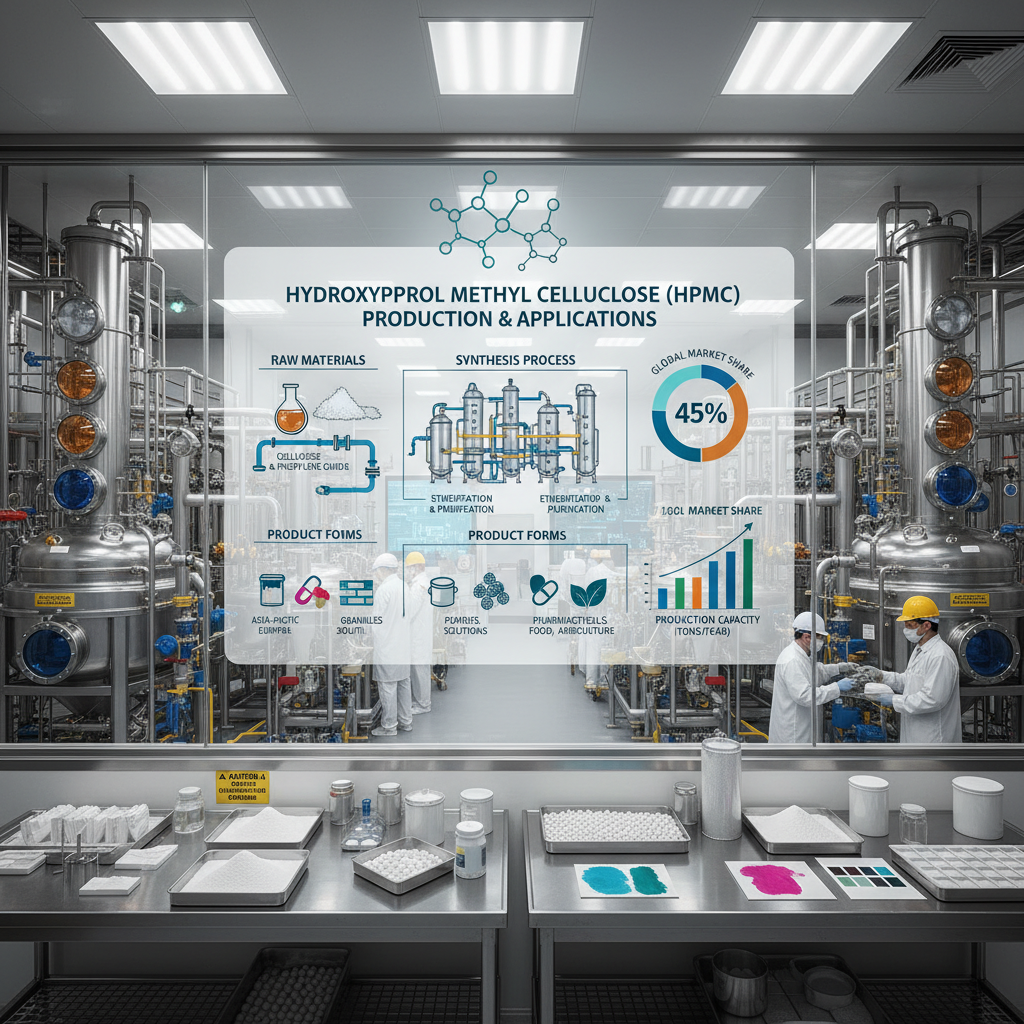
Look, I spend my days covered in dust, walking job sites, talking to the guys actually building things. I've seen a lot of materials come and go, and I'll tell you straight up, finding something reliable, versatile, and that consistently performs is gold. And that's where hydroxypropyl methyl cellulose(hpmc) comes in. It's not a glamorous material, but it’s the backbone of so much of what we do, from keeping concrete workable to making sure those fancy new architectural coatings actually stick. We're talking about a product that directly impacts schedules, budgets, and, frankly, the quality of the final build.
For years, we relied on older, less predictable solutions. Additives that needed constant adjustments, materials that reacted unpredictably to weather, stuff that just didn't deliver on its promises. That ate into profits, caused delays, and stressed everyone involved. Hydroxypropyl methyl cellulose(hpmc) changes that. It provides a level of consistency that lets you plan, execute, and deliver a project without constantly firefighting. It’s about building with confidence, and that’s something you can’t put a price on.
What I appreciate most is how adaptable it is. It’s not a one-size-fits-all solution. Depending on the grade and how you use it, hpmc can be tailored to solve a huge range of problems on site. It's a practical tool for practical people, and that's why it's become essential for me and my teams.
The Practicality of Hydroxypropyl Methyl Cellulose(hpmc) on the Job Site
Honestly, a lot of building materials are overhyped. But hydroxypropyl methyl cellulose(hpmc) actually delivers on what it promises. It's about more than just mixing it into a batch of something. It's about understanding how it interacts with other materials, how it affects workability, and how it impacts the final product's durability. We've seen it improve the consistency of self-leveling compounds, reduce cracking in cementitious renders, and even enhance the performance of tile adhesives.
It's the little things that add up. Less waste, fewer callbacks, and a smoother workflow. That's what makes it a valuable tool. I’ve spent too much time redoing work because of inconsistent materials, and hpmc minimizes those headaches. It's a quiet performer, but one you quickly come to rely on.
The Global Relevance of Hydroxypropyl Methyl Cellulose(hpmc) in Construction
You look around the world, and you see construction happening everywhere. From massive infrastructure projects in Asia to smaller residential builds in Europe and North America, the need for reliable building materials is constant. And hydroxypropyl methyl cellulose(hpmc) plays a crucial role in meeting that demand. The ISO standards for construction materials are getting stricter, and hpmc helps us meet those requirements consistently.
Consider the impact of urbanization. More people are moving to cities, which means a massive increase in demand for housing and infrastructure. We need materials that can be produced efficiently, transported reliably, and perform consistently in diverse climates. Hpmc ticks those boxes. I've seen it used effectively in both scorching desert heat and freezing northern winters.
The global construction market is valued at trillions of dollars, and a significant portion of that relies on additives and modifiers like hpmc. As building practices evolve and sustainability becomes increasingly important, the demand for versatile and reliable materials like this will only continue to grow.
Defining Hydroxypropyl Methyl Cellulose(hpmc): A Builder's Perspective
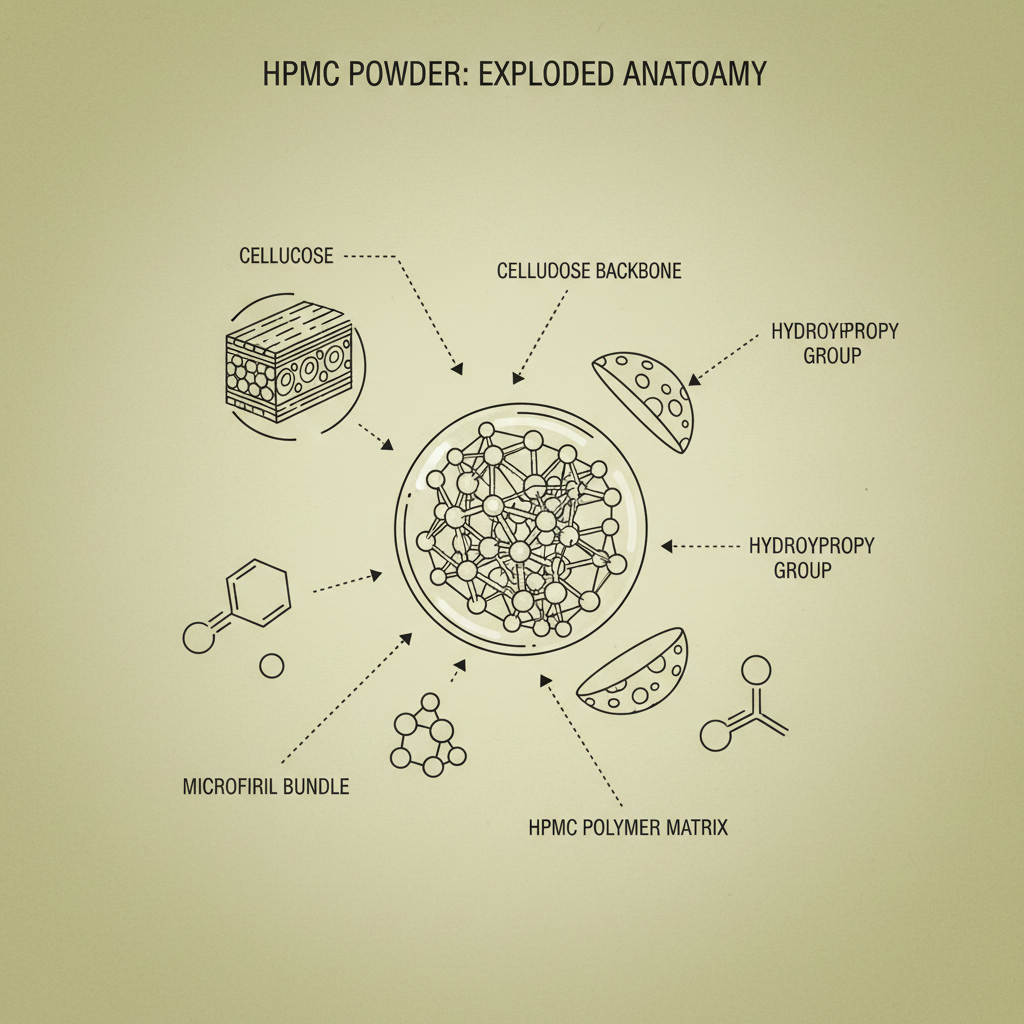
Forget the chemical jargon. In simple terms, hydroxypropyl methyl cellulose(hpmc) is a polymer – essentially a long chain of molecules – that's derived from cellulose, which comes from wood pulp or cotton. It's modified to make it soluble in water and give it specific properties that are incredibly useful in construction.
What that means on the ground is that it acts as a thickener, water retainer, binder, and stabilizer. It controls how liquids flow, prevents them from drying out too quickly, holds ingredients together, and improves the overall performance of a mixture. It's the invisible ingredient that makes everything work better. I've seen it used to keep concrete from setting too fast in hot weather, and to make sure tile adhesives remain workable for longer.
It's not a structural component itself, but it dramatically improves the performance of the materials around the structure. Think of it as a crucial supporting player rather than the star of the show. And in construction, you need a lot of reliable supporting players to get the job done right.
Key Properties of Hydroxypropyl Methyl Cellulose(hpmc) for Construction Applications
The beauty of hydroxypropyl methyl cellulose(hpmc) lies in its versatility, but that comes down to a few core properties. First, it’s a fantastic water retainer. This is huge for things like cement-based materials, preventing them from drying out too quickly and cracking. Second, it provides excellent thickening, giving you control over the consistency of your mix.
Third, it improves adhesion – meaning things stick together better. That’s vital for tile adhesives, renders, and any application where you need a strong bond. Finally, it’s relatively stable and compatible with a wide range of other construction materials. You don’t have to worry about it causing unexpected reactions.
Hydroxypropyl Methyl Cellulose(hpmc) Performance Ratings
Real-World Applications of Hydroxypropyl Methyl Cellulose(hpmc) Across Regions
I've seen hydroxypropyl methyl cellulose(hpmc) used in everything from large-scale concrete pours in the Middle East to delicate tile work in European renovations. In the US, it’s a staple in self-leveling underlayments and drywall compounds. In Southeast Asia, it's crucial for producing durable and weather-resistant renders.
What's impressive is its adaptability. In hot, dry climates, it helps prevent premature drying and cracking. In humid environments, it controls viscosity and improves workability. It’s a material that can be tailored to meet the specific challenges of different regions and building styles.
Long-Term Benefits: Reliability and Cost-Effectiveness of Hydroxypropyl Methyl Cellulose(hpmc)
Look, at the end of the day, it comes down to the bottom line. Hydroxypropyl methyl cellulose(hpmc) isn’t the cheapest option upfront, but it saves you money in the long run. Fewer material failures, less rework, and faster project completion translate into significant cost savings.
And beyond the financial benefits, there's the peace of mind that comes with knowing you're using a reliable material. That's invaluable. It means less stress, fewer headaches, and a better finished product. That builds trust with clients, which is crucial in this business.
Plus, it’s a relatively stable product, meaning it has a longer shelf life and doesn't degrade easily. This reduces waste and further contributes to cost savings.
Future Trends and Innovations in Hydroxypropyl Methyl Cellulose(hpmc) Technology
We’re seeing a push for more sustainable building practices, and that’s driving innovation in hydroxypropyl methyl cellulose(hpmc) production. There's research into using more renewable sources for cellulose, and developing new grades with even lower environmental impact.
Another trend is tailoring hpmc to work with new, advanced building materials like self-healing concrete and 3D-printed construction elements. The ability to fine-tune its properties will be key to unlocking the full potential of these technologies.
I also expect to see more sophisticated formulations that combine hpmc with other additives to create multi-functional solutions. It’s about getting more performance out of fewer ingredients, which is good for both the environment and the bottom line.
A Comparative Analysis of Hydroxypropyl Methyl Cellulose(hpmc) Grades in Construction
| HPMC Grade |
Viscosity (mPa·s) |
Water Retention (%) |
Typical Application |
| Low Viscosity |
2,000 - 4,000 |
70 - 75 |
Self-Leveling Compounds |
| Medium Viscosity |
4,000 - 6,000 |
75 - 80 |
Tile Adhesives |
| High Viscosity |
6,000 - 10,000 |
80 - 85 |
Cementitious Renders |
| Thermal Grade |
2,000 - 5,000 |
85 - 90 |
Exterior Insulation and Finish Systems (EIFS) |
| Fast Dissolving |
3,000 - 5,000 |
65 - 70 |
Dry Mix Mortars |
| Latex Compatible |
5,000 - 8,000 |
78-82 |
Water-based Paints and Coatings |
FAQS
Different grades of hydroxypropyl methyl cellulose(hpmc) are categorized primarily by their viscosity and degree of substitution, influencing their water retention, thickening capabilities, and application suitability. Lower viscosity grades are ideal for self-leveling compounds needing easy flow, while higher viscosity ones enhance adhesion in tile adhesives. Thermal grades prioritize water retention for exterior insulation, while fast-dissolving types are suited for dry-mix mortars, offering tailored performance based on project needs.
Humidity plays a critical role. In high humidity, hpmc's water retention properties are less pronounced, potentially leading to faster concrete setting. Conversely, in low humidity, it excels at preventing rapid water loss, reducing cracking and enhancing workability. Proper dosage adjustments based on ambient humidity levels are crucial for optimal results. It’s always best to consult the product datasheet for recommendations.
Generally, yes, hydroxypropyl methyl cellulose(hpmc) is compatible with various cement types, including Portland cement, blended cements, and calcium aluminate cements. However, compatibility testing is always recommended, especially with specialized cement formulations, to ensure optimal performance and avoid adverse reactions. Always refer to the manufacturer’s guidelines for specific cement interactions.
While hydroxypropyl methyl cellulose(hpmc) is generally considered safe, handling the powder requires standard safety measures. Wear a dust mask to avoid inhalation, eye protection to prevent irritation, and gloves to minimize skin contact. Ensure adequate ventilation during mixing. Refer to the Safety Data Sheet (SDS) for comprehensive handling and safety information.
Higher molecular weight hydroxypropyl methyl cellulose(hpmc) generally leads to increased viscosity and enhanced water retention, improving the cohesiveness and workability of mixtures. Lower molecular weight grades provide better flowability and ease of dispersion. Selecting the appropriate molecular weight is crucial for matching the specific performance requirements of the application.
When stored properly, hydroxypropyl methyl cellulose(hpmc) typically has a shelf life of 2-3 years. It should be stored in a cool, dry, and well-ventilated area, protected from direct sunlight and moisture. Keep containers tightly sealed to prevent clumping or degradation. Avoid storing it in humid environments, as this can affect its performance.
Conclusion
Hydroxypropyl methyl cellulose(hpmc) isn’t a flashy material, but it’s a workhorse. It’s a versatile, reliable, and cost-effective solution that addresses a wide range of challenges in the construction industry. From improving workability and preventing cracking to enhancing adhesion and promoting sustainability, its benefits are tangible and far-reaching. It's a product I consistently rely on, and one that delivers real value on every job site.
Looking ahead, I expect to see even more innovation in hpmc technology, with a focus on sustainability and tailored formulations. By embracing these advancements, we can continue to build stronger, more durable, and more efficient structures. If you're looking for a material that can improve your projects, I highly recommend giving hpmc a serious look.