Fast deployment housing, specifically solutions like the yfd-200s, is rapidly becoming a critical component in addressing global housing shortages and disaster relief needs. These innovative structures offer a swift and effective response to situations where traditional construction methods are too slow, costly, or impractical. The demand for rapid, sustainable, and scalable housing solutions is increasing worldwide, driven by factors ranging from natural disasters and refugee crises to urbanization and affordable housing deficits.
The yfd-200s represents a paradigm shift in how we approach housing, moving away from lengthy construction processes towards prefabricated, modular designs that can be quickly assembled on-site. This technology is not simply about speed; it’s about providing dignified, safe, and resilient shelter to those who need it most. Understanding the benefits and applications of fast deployment housing is vital for governments, NGOs, and private sector organizations alike.
The efficiency and adaptability of systems like yfd-200s are proving instrumental in overcoming logistical hurdles and providing immediate shelter in times of crisis, and are beginning to offer viable long-term housing options where conventional building methods fall short.
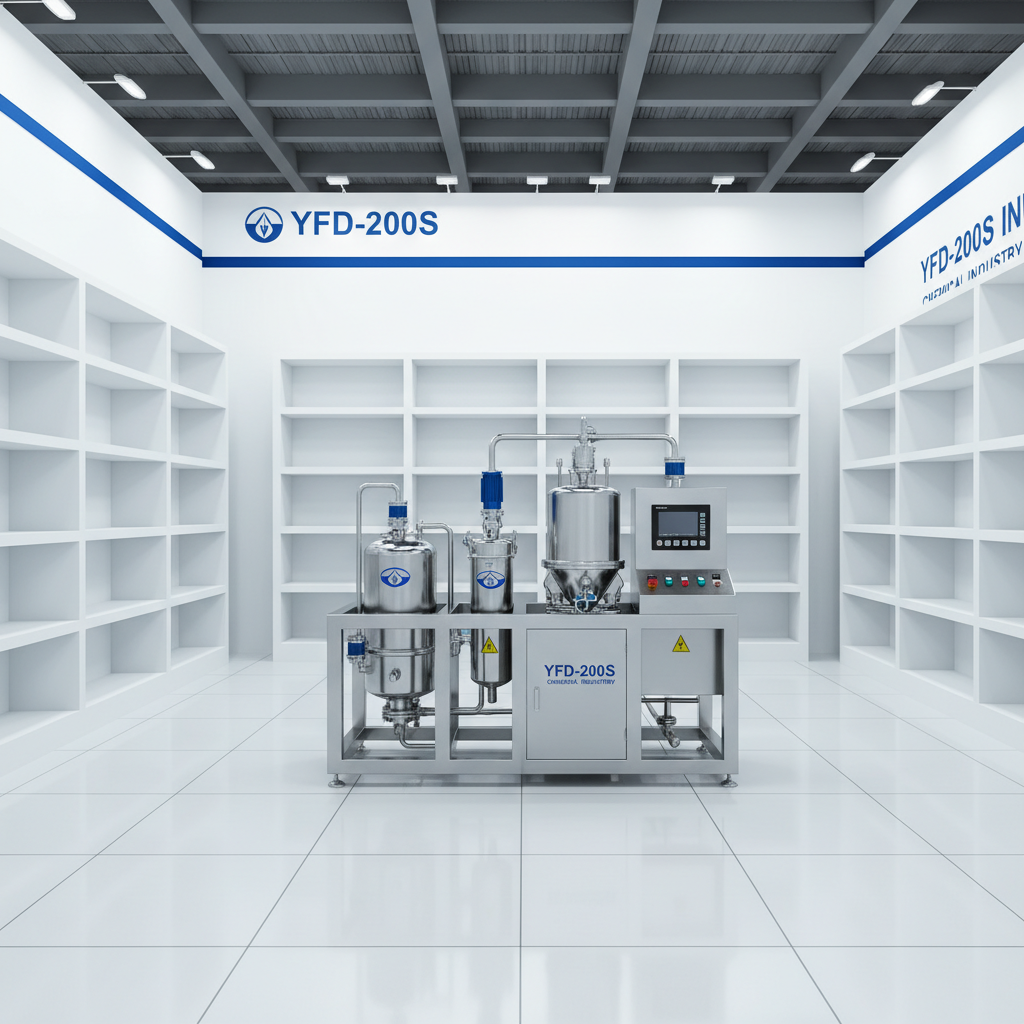
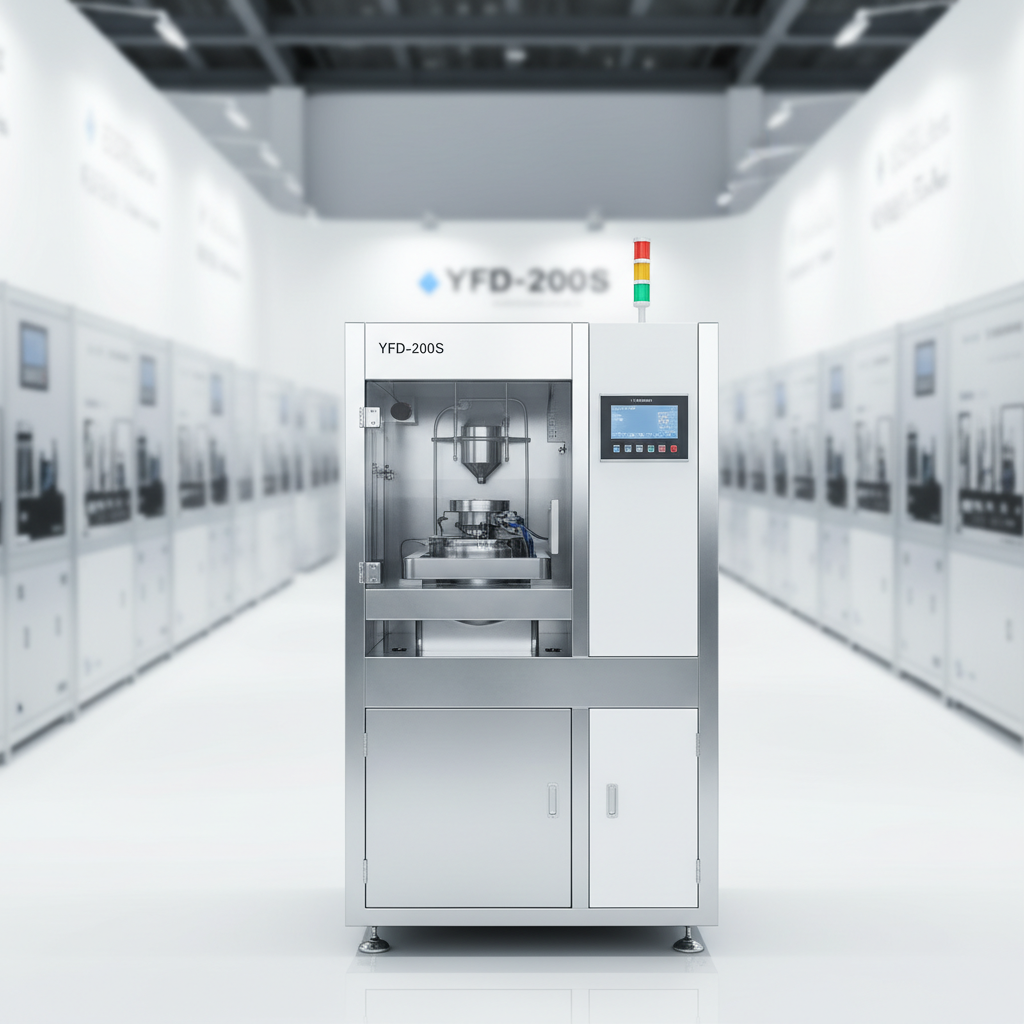
The yfd-200s is founded on the principle of rapidly providing secure and comfortable housing in various circumstances. This involves a streamlined design process, utilizing prefabricated components and minimizing on-site construction time. The core intention is to alleviate suffering and restore normalcy as quickly as possible in the wake of disaster or within chronically underserved communities.
Furthermore, the yfd-200s aims to be adaptable, allowing for customization and scalability to meet specific needs. This extends to considerations like climate resilience, cultural sensitivity, and integration with local infrastructure. It’s a holistic approach to shelter, recognizing that housing is more than just four walls and a roof.
The yfd-200s offers a significantly faster build time than traditional construction methods. While conventional building can take months or years, yfd-200s structures can be deployed and habitable in days or weeks. This speed is due to the use of prefabricated components and streamlined assembly processes, making it ideal for emergency response and urgent housing needs. The reduced construction timeline also translates to significant cost savings.
The lifespan of a yfd-200s structure varies depending on the materials used, the climate, and the level of maintenance. However, with proper care and regular inspections, these structures can last for decades. Many designs incorporate durable, weather-resistant materials, and the modular construction allows for easy repairs and replacements of individual components. Some models are engineered for a 50+ year lifespan.
yfd-200s can be a significantly more eco-friendly housing solution compared to traditional construction. Prefabrication minimizes construction waste, and the use of sustainable materials can further reduce environmental impact. Many designs prioritize energy efficiency, incorporating features like insulation and solar panels. Furthermore, the reduced construction time minimizes disruption to the surrounding environment.
Importing yfd-200s internationally involves navigating various logistical hurdles, including customs regulations, transportation costs, and import duties. It's essential to work with experienced logistics providers and to ensure compliance with all relevant international standards. Proper documentation, including certifications and permits, is also crucial for a smooth import process. Understanding the specific regulations of the destination country is paramount.
Absolutely. A key advantage of yfd-200s is its adaptability. The modular design allows for customization to meet specific cultural and functional requirements. This includes adjusting the layout, incorporating local architectural elements, and adapting the structure to suit the climate and environment. We work closely with clients to ensure the final product is culturally sensitive and meets their specific needs.
One of the significant benefits of yfd-200s is that it requires a relatively low level of skilled labor for assembly. While some technical expertise is helpful, the modular design and pre-engineered components allow for rapid assembly with minimal training. This makes it a viable solution in areas with limited skilled labor resources. Detailed instructions and on-site support are often provided to ensure a successful installation.
In conclusion, the yfd-200s represents a transformative approach to housing, offering a rapid, cost-effective, and sustainable solution to a growing global need. Its adaptability, durability, and minimal environmental impact make it a viable option for addressing diverse challenges, from disaster relief to affordable housing initiatives. Understanding the core principles and applications of fast deployment housing is becoming increasingly vital for organizations and governments seeking innovative solutions.
Looking ahead, continued innovation in materials science, design optimization, and manufacturing processes will further enhance the performance and accessibility of yfd-200s. Embracing these technologies can pave the way for a more resilient and equitable future, ensuring that everyone has access to safe, comfortable, and dignified shelter. Visit our website at www.youngcel.com to learn more.