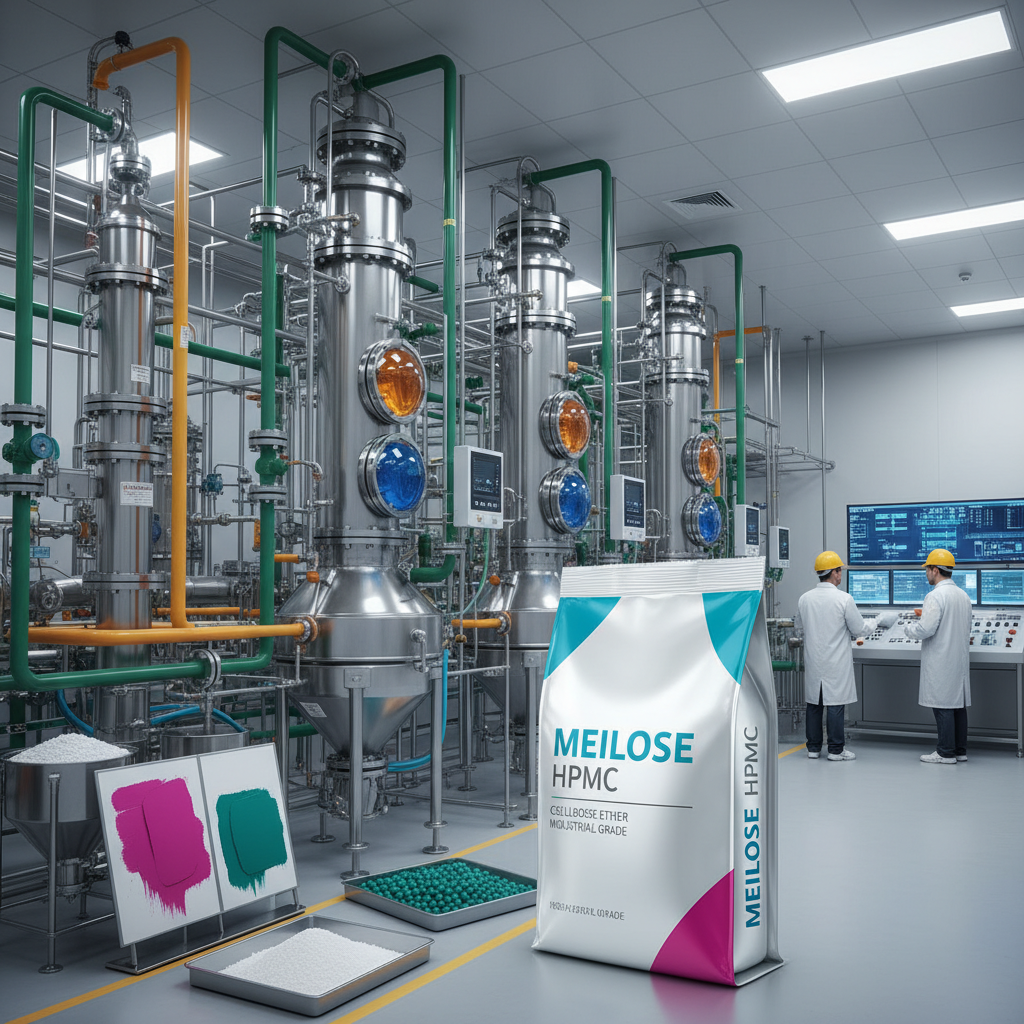
Hydroxypropyl methyl cellulose (HPMC) is a versatile polymer widely used across numerous industries, from pharmaceuticals and food to construction and cosmetics. Its unique properties – including thickening, binding, film-forming, and water retention – make it an invaluable ingredient in a vast range of applications. Understanding HPMC's functionalities and potential is crucial for innovation and optimization in product development and manufacturing processes globally.
The global demand for HPMC is continuously growing, driven by expanding end-use industries and increasing awareness of its benefits. Market research indicates a substantial growth trajectory, with projections anticipating continued expansion over the next decade. This increasing demand presents both opportunities and challenges, requiring sustainable sourcing, efficient production, and a commitment to quality control. hydroxypropyl methyl cellulose hpmc plays a pivotal role in addressing these needs.
From improving drug delivery systems to enhancing the texture of food products and providing crucial properties in construction materials, HPMC is essential to modern life. Its biocompatibility and non-toxicity further solidify its position as a safe and reliable component in countless everyday items. Exploring the nuances of HPMC empowers professionals across diverse sectors to unlock its full potential.
The Versatility of Hydroxypropyl Methyl Cellulose HPMC
Hydroxypropyl methyl cellulose HPMC’s adaptability stems from its ability to be modified and tailored to meet specific application needs. Different grades of HPMC exist, varying in viscosity, degree of substitution, and particle size. These variations significantly influence its performance characteristics, allowing manufacturers to optimize its use in diverse formulations. hydroxypropyl methyl cellulose hpmc is thus a uniquely customizable material.
This versatility translates into its use in everything from controlled-release pharmaceutical tablets and stable food emulsions to efficient building materials and specialized cosmetic products. The broad spectrum of applications underscores HPMC’s essential role in supporting innovation and enhancing product quality across multiple sectors.
Global Relevance and Industry Impact
The impact of HPMC extends globally, with significant consumption in regions like Asia-Pacific, North America, and Europe. The pharmaceutical sector is a major driver, with HPMC crucial for developing advanced drug delivery systems, particularly for oral solid dosage forms. According to the World Health Organization, access to essential medicines remains a global health priority, and HPMC contributes to improving the efficacy and stability of these medications. hydroxypropyl methyl cellulose is central to this effort.
The construction industry also heavily relies on HPMC, leveraging its water retention and thickening properties to enhance the workability and performance of cement-based materials. With the United Nations predicting continued urbanization, the demand for durable and sustainable construction materials is rising, further boosting HPMC's relevance. The food industry, too, benefits from HPMC’s ability to improve texture, stability, and shelf life, catering to a growing global population's demands.
The ISO standards governing HPMC production and quality control ensure consistent performance and safety, fostering trust and facilitating international trade. Manufacturers are increasingly focusing on sustainable sourcing and eco-friendly production methods to minimize environmental impact, aligning with global sustainability goals.
Defining Hydroxypropyl Methyl Cellulose HPMC
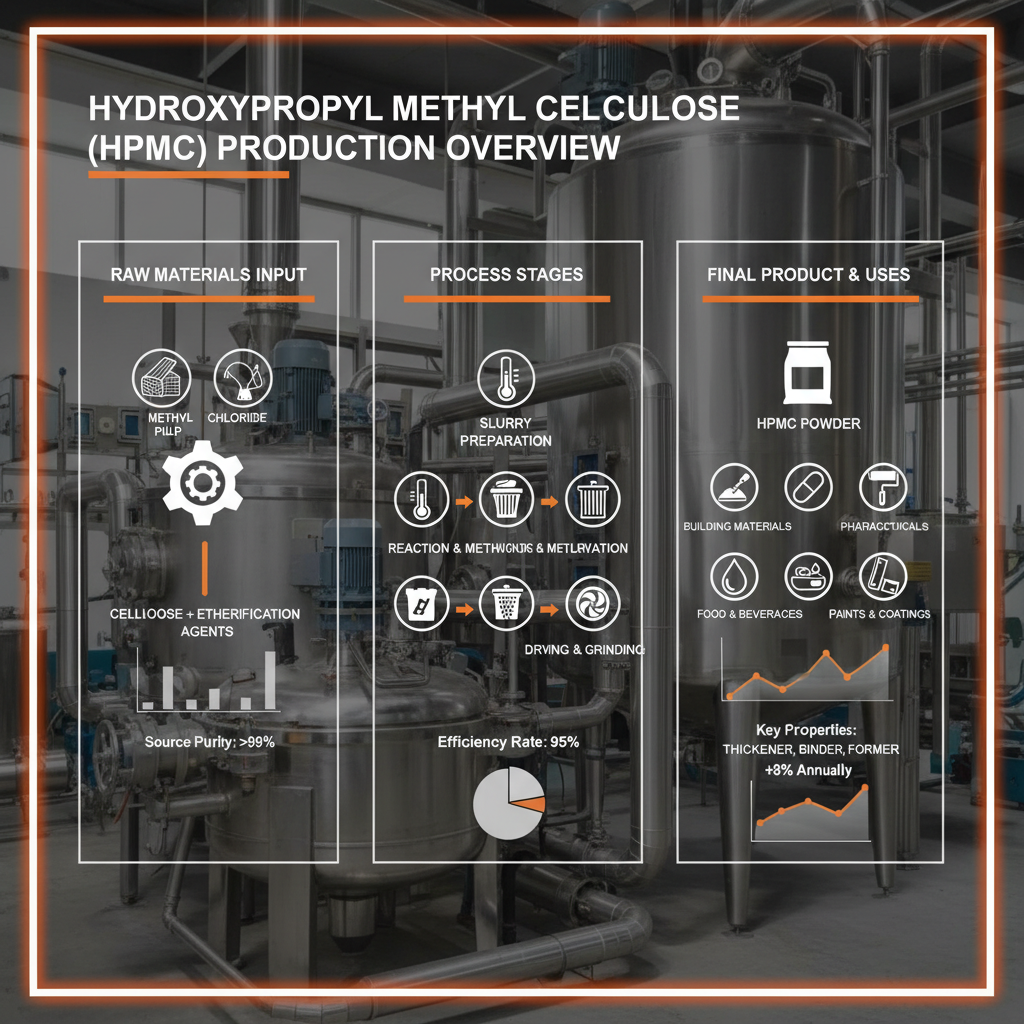
Hydroxypropyl methyl cellulose HPMC is a non-ionic cellulose ether derived from cellulose, a natural polymer found in plant cell walls. It is produced by chemically modifying cellulose through a series of reactions involving methyl chloride and propylene oxide. This process introduces hydroxypropyl and methyl groups onto the cellulose backbone, altering its properties and enhancing its solubility in water.
Essentially, HPMC acts as a thickening agent, binder, film former, and protective colloid. Its ability to control viscosity, enhance stability, and provide a protective barrier makes it invaluable in numerous applications. It’s a testament to how modifying natural polymers can yield highly functional materials relevant to modern industry and humanitarian needs.
The ‘HPMC’ designation indicates the specific type of cellulose ether; variations in the degree of substitution (DS) of the methyl and hydroxypropyl groups determine the final characteristics of the polymer. This precise control over molecular structure is what allows for the customization of HPMC to address diverse requirements.
Key Properties and Characteristics of HPMC
One crucial property of HPMC is its thermal gelation. Unlike many polymers that thicken when cooled, HPMC solutions thicken as they are heated and gel at a certain temperature. This behavior is exploited in applications such as temperature-sensitive drug delivery systems and specialized food processing. This is a defining feature of hydroxypropyl methyl cellulose hpmc.
HPMC also exhibits excellent water retention capabilities, preventing moisture loss and maintaining product consistency. This is particularly vital in construction materials like cement renders and tile adhesives, where it prevents cracking and enhances workability.
HPMC Performance Comparison Across Different Grades
Diverse Applications of HPMC Worldwide
In the pharmaceutical industry, HPMC is a cornerstone of controlled-release tablet formulations, ensuring that medication is delivered over a prolonged period. This improves patient compliance and maximizes therapeutic effectiveness. In Europe, for instance, HPMC is extensively used in the production of generic drugs, contributing to affordable healthcare solutions.
The food industry utilizes HPMC as a thickener, stabilizer, and emulsifier in various products, including sauces, ice cream, and baked goods. In Asian cuisines, it enhances the texture and mouthfeel of traditional dishes, increasing their appeal to consumers. It’s a truly global ingredient.
Benefits and Long-Term Value Proposition
The economic benefits of using HPMC are substantial. Its cost-effectiveness compared to other polymers, combined with its versatility, reduces production costs and improves profitability. Its inherent stability and long shelf life minimize product waste, further enhancing economic value. hydroxypropyl methyl cellulose hpmc is a cost-effective choice.
From a sustainability perspective, HPMC is derived from renewable cellulose sources, making it a more environmentally friendly option than many synthetic polymers. Its biodegradability contributes to reduced environmental impact. Its ability to improve product performance also translates to reduced material consumption in some applications.
Beyond the tangible benefits, HPMC fosters trust and reliability. Its well-established safety profile and consistent performance build confidence among manufacturers and consumers alike.
Future Trends and Technological Advancements
Ongoing research focuses on developing novel HPMC-based materials with enhanced functionalities. This includes exploring HPMC’s potential in 3D printing for biomedical applications, such as creating scaffolds for tissue engineering. Advancements in nanotechnology are also driving the development of HPMC nanocomposites with improved mechanical and thermal properties.
The integration of digital technologies, such as AI-powered formulation optimization, is streamlining the process of tailoring HPMC properties to specific applications. This will lead to more efficient product development and improved performance. HPMC is at the forefront of these advancements.
The move towards bio-based and sustainable materials will continue to fuel the demand for HPMC, positioning it as a key player in the future of materials science and engineering.
Overview of Challenges and Potential Solutions for HPMC Application
| Challenge Area |
Specific Problem |
Potential Solution |
Implementation Difficulty (1-5) |
| Raw Material Sourcing |
Dependence on wood pulp |
Explore alternative cellulose sources (e.g., agricultural waste) |
3 |
| Production Costs |
Energy-intensive manufacturing process |
Implement energy-efficient technologies and optimize process parameters |
4 |
| Formulation Challenges |
Achieving desired viscosity and stability |
Utilize tailored HPMC grades and incorporate compatible excipients |
2 |
| Regulatory Compliance |
Varying regulations across different regions |
Maintain comprehensive documentation and adhere to international standards |
4 |
| Environmental Impact |
Waste generated during production |
Implement closed-loop manufacturing systems and waste recycling programs |
3 |
| Application Specificity |
Optimizing HPMC for unique product requirements |
Employ advanced characterization techniques and conduct thorough testing |
2 |
FAQS
HPMC offers several advantages in pharmaceutical applications. It’s a versatile excipient used as a binder, film-former, and controlled-release agent. Its biocompatibility and non-toxicity are crucial. HPMC improves drug stability, enhances bioavailability, and allows for tailored drug delivery profiles, leading to increased efficacy and patient compliance. Different grades of HPMC facilitate specific release mechanisms, from immediate to extended release.
HPMC enhances the performance of cement-based materials by improving workability, water retention, and adhesion. This reduces the need for excessive water, lowering cement consumption and overall environmental impact. The increased durability and crack resistance provided by HPMC extend the lifespan of structures, reducing maintenance and replacement costs. As a cellulose-derived material, it's a renewable resource, contributing to a more sustainable building industry.
While all cellulose ethers are derived from cellulose, they differ in the type and degree of substitution. HPMC specifically contains both methyl and hydroxypropyl groups, giving it unique properties. Compared to methylcellulose (MC), HPMC exhibits better thermal gelation and lower cloud point, making it suitable for a wider range of applications. Compared to hydroxyethyl cellulose (HEC), HPMC generally offers superior film-forming capabilities and stability.
Yes, HPMC is generally recognized as safe (GRAS) by regulatory bodies like the FDA and EFSA for use in food applications. It's non-toxic and doesn’t contribute to significant allergic reactions. HPMC improves the texture, stability, and shelf life of various food products, without altering their taste or nutritional value. It’s widely used in sauces, dairy products, and baked goods.
HPMC viscosity is typically measured using a rotational viscometer, often in a 2% solution in water. Viscosity is a crucial parameter determining the thickening and flow control properties of HPMC. Higher viscosity grades provide greater thickening, while lower viscosity grades are preferred for applications requiring easier flowability. Viscosity affects the application, impacting performance, handling, and the final product characteristics.
When stored properly, HPMC has a long shelf life, typically several years. It should be kept in a cool, dry place, protected from direct sunlight and moisture. Exposure to humidity can cause clumping and affect its performance. Proper storage ensures the integrity and functionality of the HPMC, maintaining its quality for intended applications. Original, sealed containers are best.
Conclusion
Hydroxypropyl methyl cellulose HPMC stands as a remarkably versatile polymer with a profound impact across diverse industries. Its unique combination of properties – thickening, binding, film-forming, and water retention – coupled with its biocompatibility and sustainability, makes it an invaluable ingredient in pharmaceuticals, construction, food, and beyond. Understanding the nuances of HPMC enables continuous innovation and optimization of products and processes.
Looking ahead, advancements in HPMC technology, driven by green chemistry and digital innovation, will unlock even greater potential. Focusing on sustainable sourcing, efficient production methods, and continued research into novel applications will ensure that HPMC remains a cornerstone of materials science for years to come. For more information and to explore our range of HPMC products, visit us at www.youngcel.com.