meilose hydroxypropyl methyl cellulose(hpmc) has emerged as a crucial polymer across a remarkably diverse range of industries, from pharmaceuticals and food production to construction and cosmetics. Its unique properties—including water solubility, thickening, film-forming capabilities, and thermal gelation—make it an indispensable ingredient in countless applications worldwide. Understanding the nuances of meilose hydroxypropyl methyl cellulose(hpmc) is therefore vital for professionals seeking to innovate and optimize product formulations and processes.
The global demand for meilose hydroxypropyl methyl cellulose(hpmc) is driven by expanding populations, increased consumer awareness of product quality, and the continuous development of new applications. According to industry reports, the market is projected to experience substantial growth in the coming years, particularly in emerging economies. This expansion underscores the importance of sustainable sourcing, efficient production methods, and a thorough understanding of the material's behavior in various environments.
The versatility of meilose hydroxypropyl methyl cellulose(hpmc) allows it to address challenges in diverse fields. In construction, it enhances the workability and water retention of cement-based materials. In pharmaceuticals, it serves as a binder, film-coating agent, and controlled-release matrix. Ultimately, comprehending its characteristics empowers professionals to harness its potential for improved performance and sustainability.
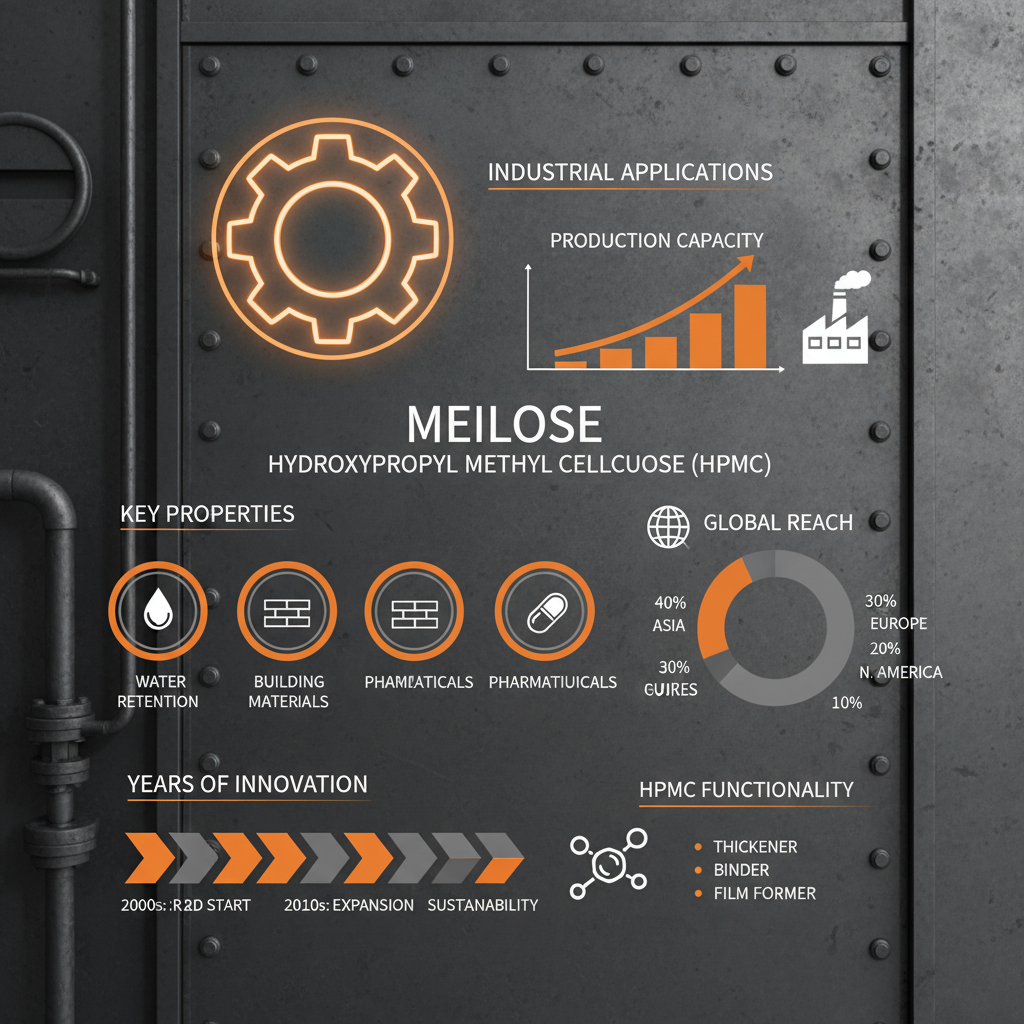
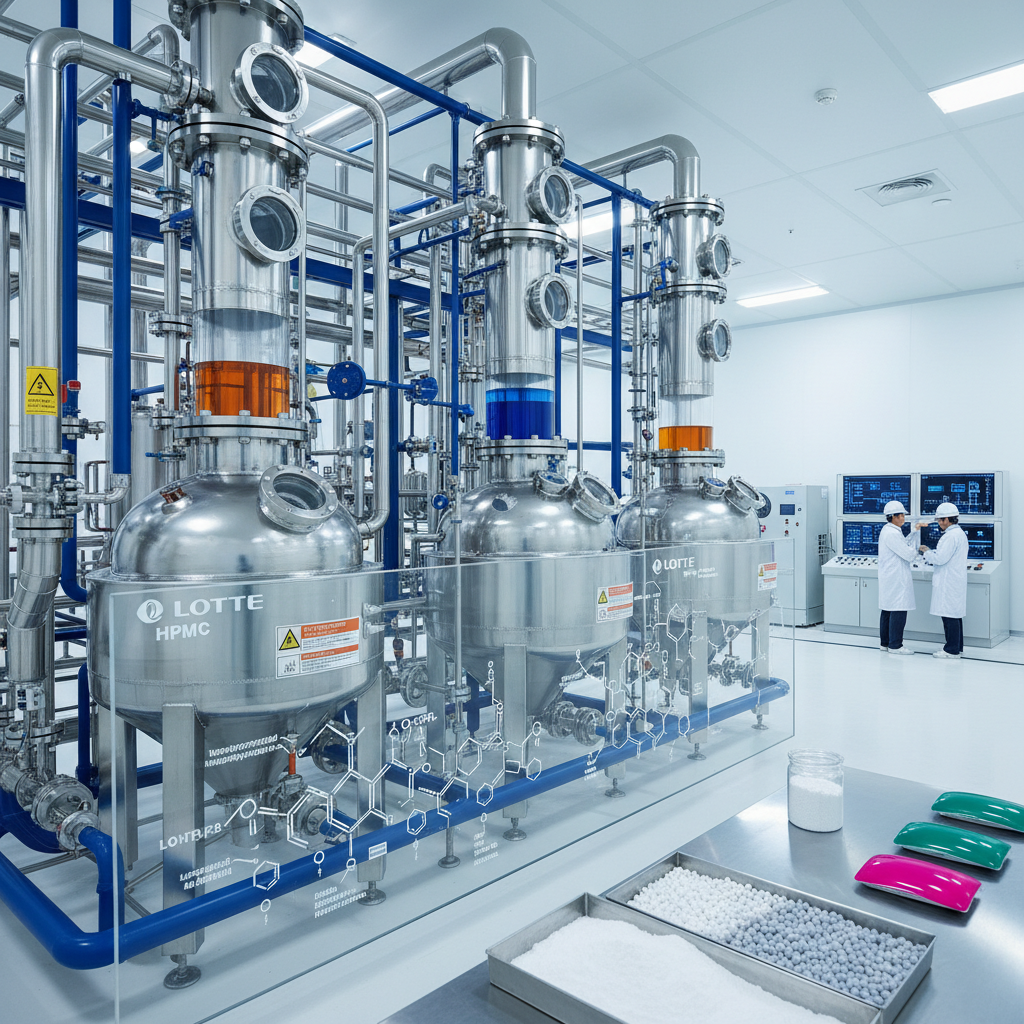
meilose hydroxypropyl methyl cellulose(hpmc) is a versatile, non-ionic cellulose ether widely utilized across numerous industries. Derived from cellulose, a natural polymer found in plant cell walls, it’s chemically modified to exhibit a range of desirable properties, including excellent water retention, thickening, binding, and film-forming capabilities.
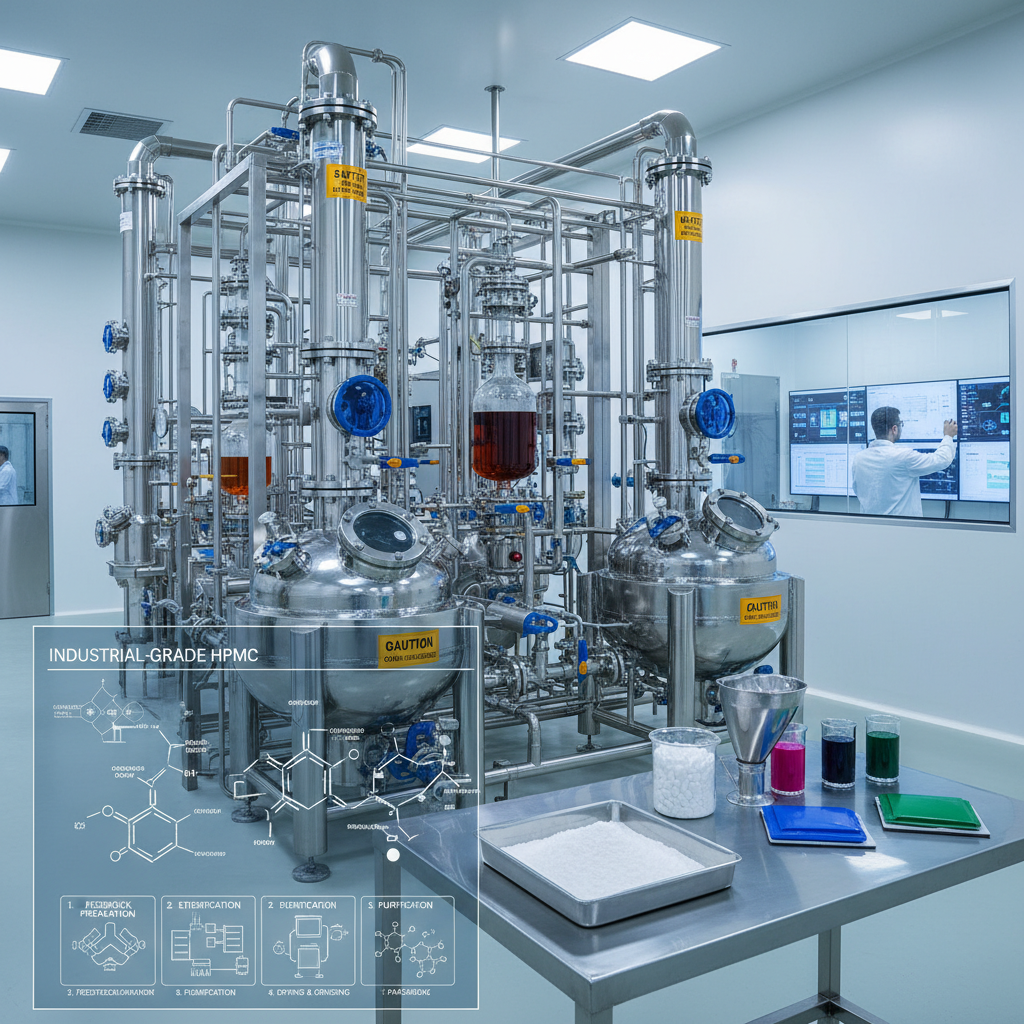
The specific characteristics of meilose hydroxypropyl methyl cellulose(hpmc) can be tailored by controlling the degree of substitution (DS) of its hydroxypropyl and methyl groups. This allows manufacturers to create grades with varying viscosities, gelation temperatures, and solubility profiles to meet the specific requirements of diverse applications.
meilose hydroxypropyl methyl cellulose(hpmc) is extensively used in pharmaceuticals as a binder for tablets, providing cohesion to the powdered ingredients. It also acts as a film-coating agent, protecting tablets and controlling drug release. Furthermore, its thickening properties make it ideal for formulating viscous liquid medications and suspensions, ensuring consistent dosage and ease of administration. The varying grades of meilose hydroxypropyl methyl cellulose(hpmc) allow for tailored release profiles, from immediate release to sustained release formulations.
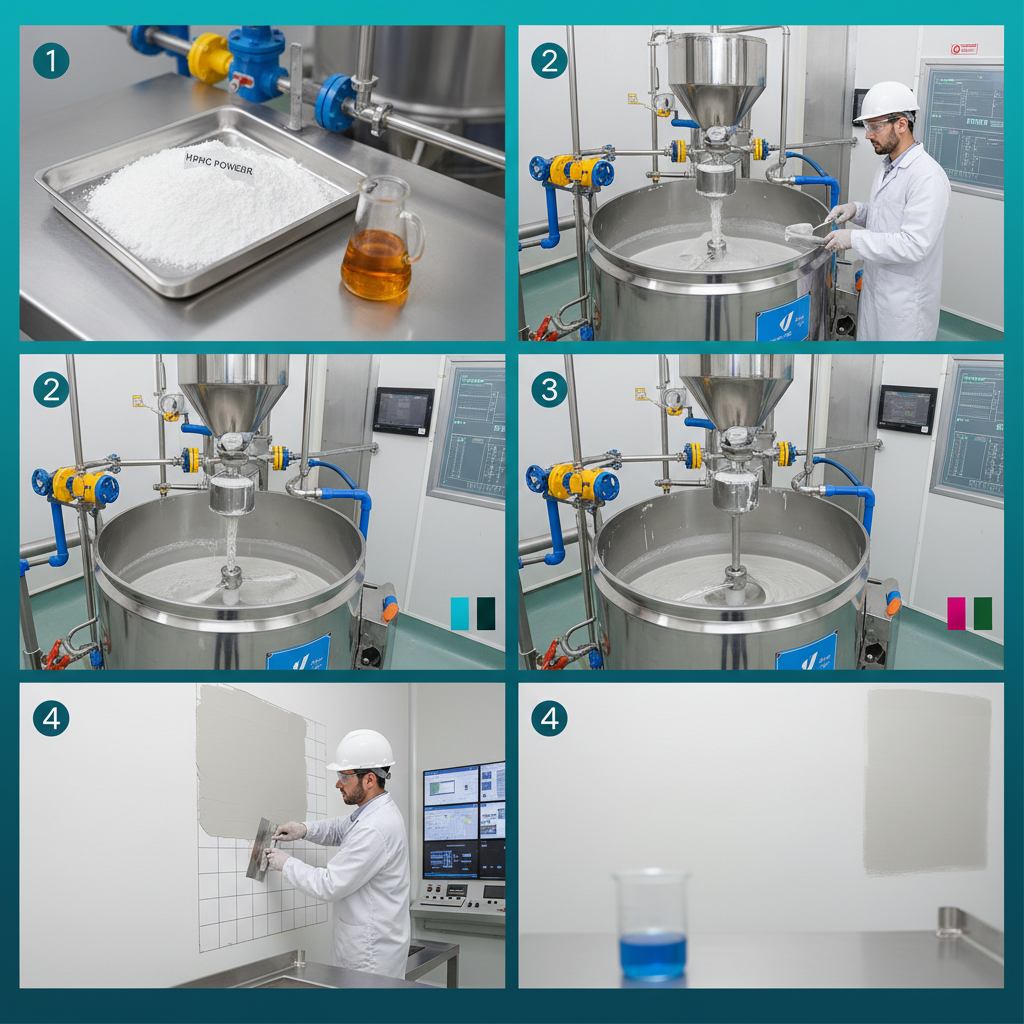
meilose hydroxypropyl methyl cellulose(hpmc) improves the workability of cement-based materials by enhancing water retention and reducing water segregation. This allows for easier application, better adhesion, and reduced cracking. By absorbing water, it prevents premature drying, extending the open time for application and facilitating smoother finishes. It also imparts pseudo-plasticity, meaning the mortar becomes more fluid under stress (e.g., troweling), but resists sagging. This results in improved consistency and enhanced performance in tiling, rendering, and plastering applications.
While derived from cellulose (a renewable resource), the environmental friendliness of meilose hydroxypropyl methyl cellulose(hpmc) depends on the sourcing of the cellulose and the production process. Efforts are being made to utilize sustainably sourced cellulose from responsibly managed forests or agricultural waste. meilose hydroxypropyl methyl cellulose(hpmc) itself is biodegradable under certain conditions, but its rate of degradation can vary. Research into fully biodegradable blends with other bio-based polymers is ongoing to further enhance its environmental profile.
The viscosity of meilose hydroxypropyl methyl cellulose(hpmc) solutions is influenced by several factors, including the grade of meilose hydroxypropyl methyl cellulose(hpmc) (molecular weight and degree of substitution), concentration, temperature, pH, and the presence of salts or other additives. Higher molecular weight and higher concentration generally lead to higher viscosity. Increasing temperature typically reduces viscosity, while pH can impact solubility and therefore viscosity. The presence of certain salts can also affect the polymer chain conformation and viscosity.
The degree of substitution (DS) refers to the average number of substituent groups (methyl and hydroxypropyl) attached to each cellulose unit. A higher DS generally leads to increased water solubility and reduced gelation temperature. The ratio of methyl to hydroxypropyl groups also influences the polymer's properties. Higher hydroxypropyl content improves water solubility and reduces surface tension, while higher methyl content enhances film-forming properties and thermal stability. Controlling the DS is crucial for tailoring meilose hydroxypropyl methyl cellulose(hpmc) properties to specific applications.
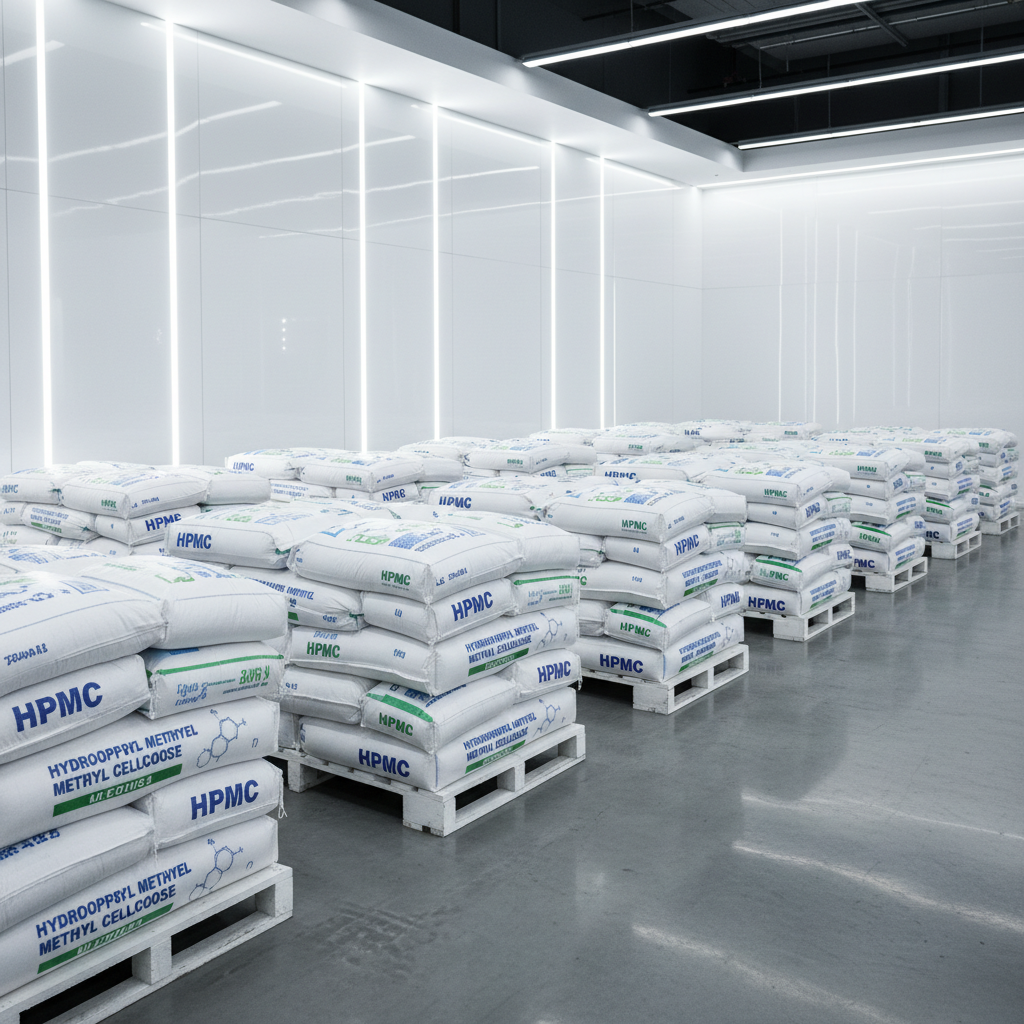
meilose hydroxypropyl methyl cellulose(hpmc) should be stored in a cool, dry, and well-ventilated area, away from direct sunlight and moisture. Exposure to high humidity can cause clumping and affect its performance. It's also important to keep it sealed in its original packaging to prevent contamination. Proper storage conditions are essential to maintain the stability and functionality of the polymer over time, ensuring consistent results in your applications.
In conclusion, meilose hydroxypropyl methyl cellulose(hpmc) represents a remarkably versatile polymer with an ever-expanding range of applications across diverse industries. Its unique combination of properties—including water solubility, thickening, film-forming capabilities, and thermal gelation—make it an indispensable ingredient in countless formulations, contributing to improved product performance, enhanced sustainability, and cost-effectiveness. Understanding the nuances of meilose hydroxypropyl methyl cellulose(hpmc) is therefore critical for professionals seeking to innovate and optimize their products and processes.
Looking ahead, ongoing research and innovation promise to unlock even greater potential for meilose hydroxypropyl methyl cellulose(hpmc). The development of sustainable sourcing methods, the exploration of nanotechnology applications, and the creation of fully biodegradable blends will further enhance its environmental profile and expand its applicability. By embracing these advancements, we can harness the power of meilose hydroxypropyl methyl cellulose(hpmc) to create a more sustainable and innovative future. Visit our website at www.youngcel.com to learn more.