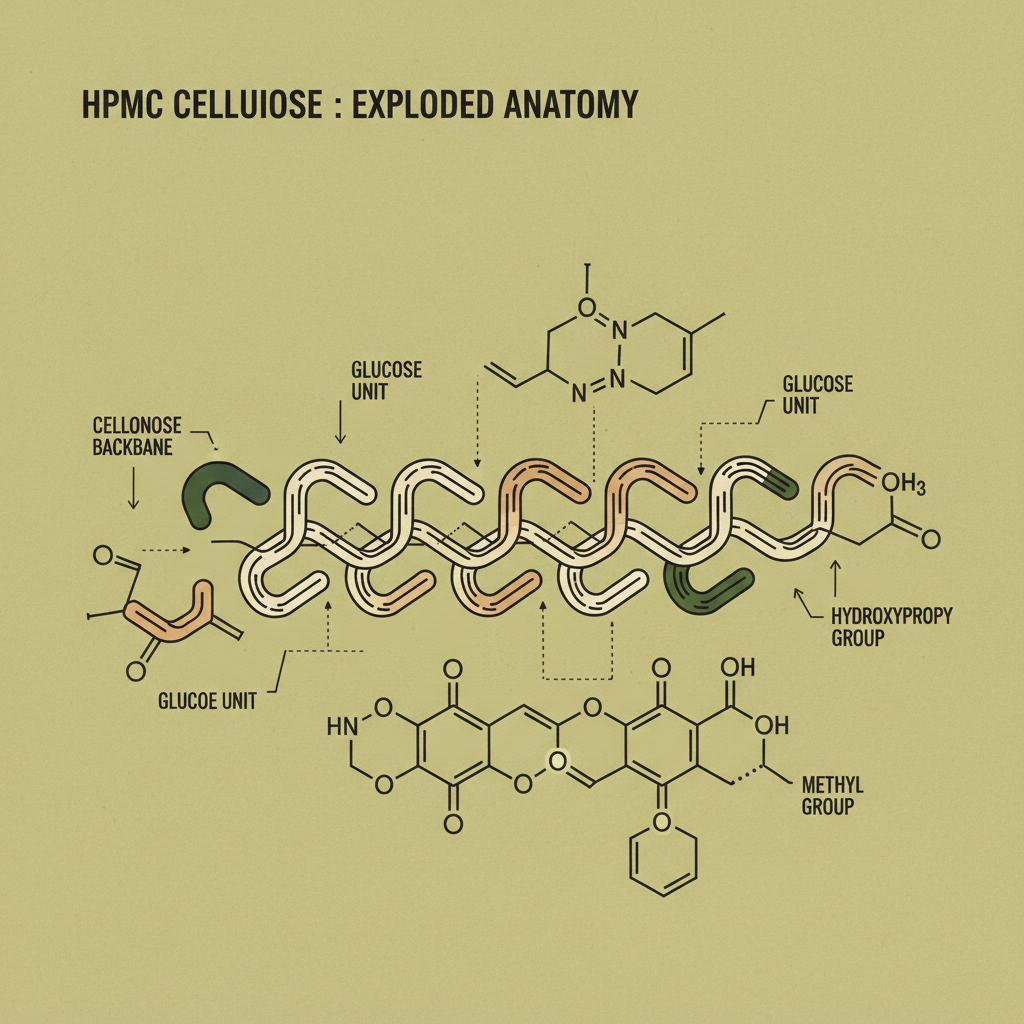
Cellulose ether HPMC (hydroxypropyl methylcellulose) is a versatile polymer gaining prominence across diverse industries. Its unique properties, including thickening, binding, film-forming, and water retention, make it an invaluable component in applications ranging from pharmaceuticals and food to construction and personal care. Understanding HPMC is crucial for innovation and optimization within these sectors, and its increasing demand reflects a global shift towards sustainable and efficient materials.
The global cellulose ether HPMC market is experiencing significant growth, driven by the expanding construction industry in developing economies and the rising demand for processed foods and pharmaceuticals. According to recent reports, the market is projected to reach multi-billion dollar valuations in the coming years, highlighting its economic importance. This growth also presents challenges related to sustainable sourcing and production methods, emphasizing the need for responsible manufacturing practices.
HPMC’s utility extends beyond commercial applications; it plays a critical role in addressing global challenges. For instance, its use in controlled-release drug delivery systems improves patient compliance, and its ability to enhance water retention is vital in drought-prone regions for agricultural applications. As we strive for sustainable solutions, cellulose ether HPMC offers a powerful tool for enhancing efficiency and addressing pressing global needs.
Introduction to Cellulose Ether HPMC
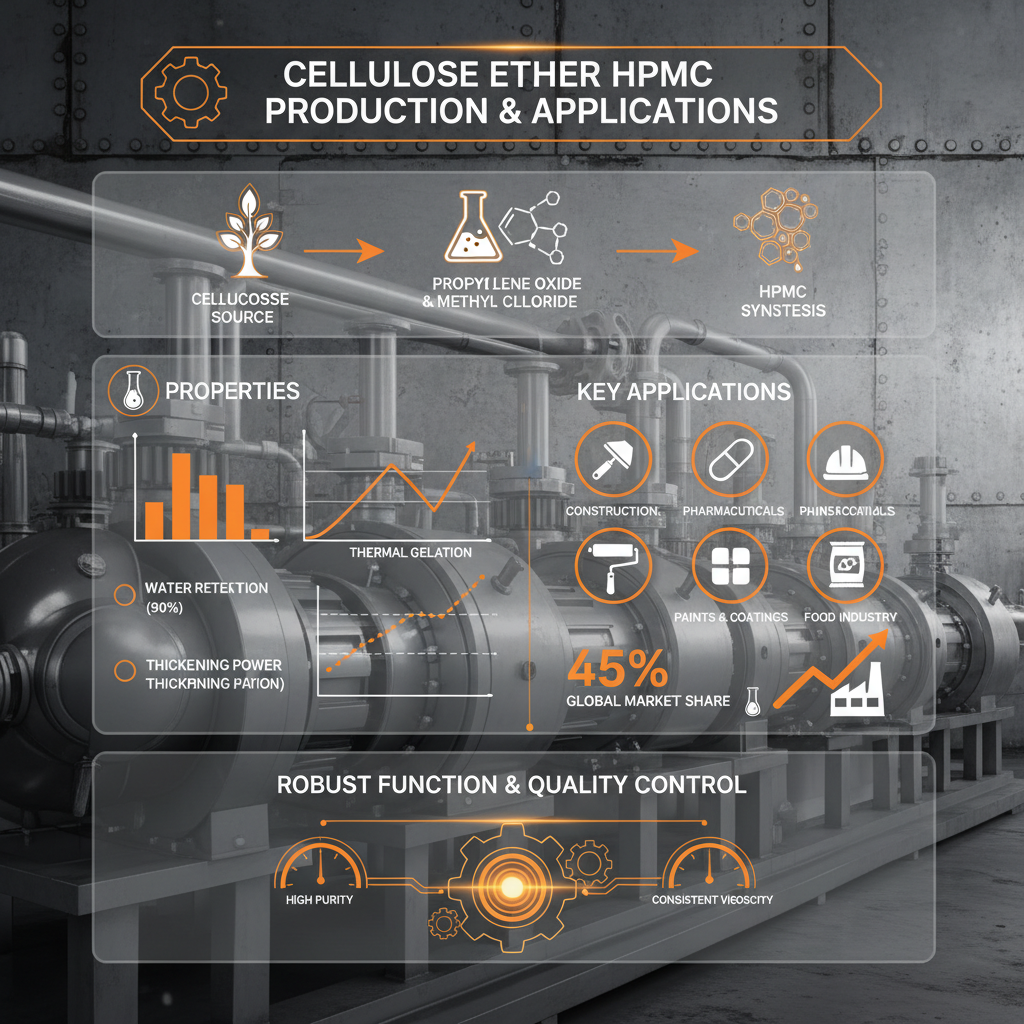
Cellulose ether HPMC is derived from natural cellulose, a renewable resource abundant in plants. Through a chemical modification process, cellulose is transformed into HPMC, imparting unique characteristics that enhance its versatility. This derivative finds widespread use across numerous sectors, demonstrating its adaptability and importance.
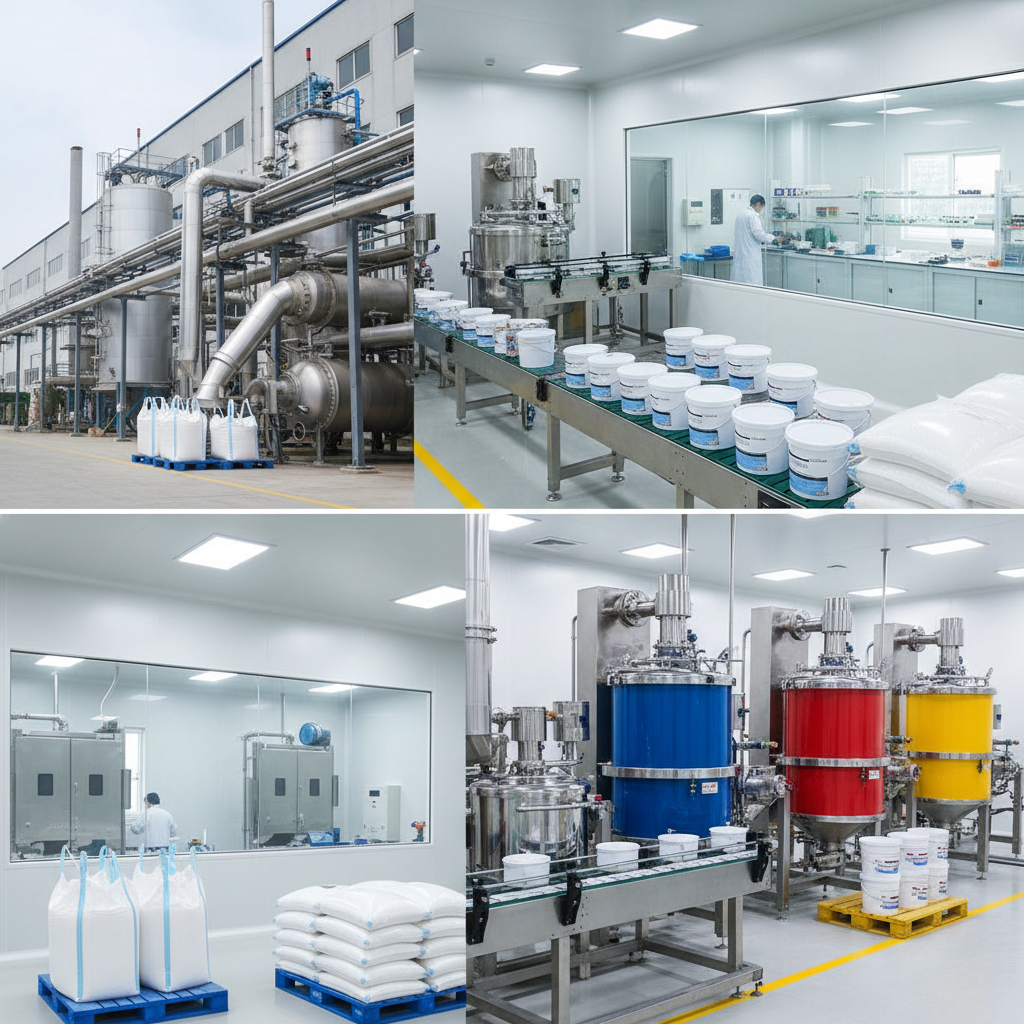
The production of cellulose ether hpmc involves carefully controlled processes to achieve specific molecular weights and degrees of substitution, influencing its properties such as viscosity and solubility. These adjustments allow for tailored HPMC grades to meet the specific demands of various applications, ensuring optimal performance in each intended use.
Defining Cellulose Ether HPMC
Cellulose ether HPMC is a non-ionic, water-soluble polymer produced by chemically modifying cellulose. The introduction of hydroxypropyl and methyl groups enhances its solubility and provides desirable thickening and film-forming properties. It appears as a white to off-white powder or granules and is odorless and tasteless.
At its core, HPMC serves as a versatile excipient and functional ingredient. Its ability to modify viscosity, create protective colloids, bind ingredients, and form films makes it indispensable in countless formulations. The inherent biocompatibility of cellulose also makes HPMC a safe and preferred choice in food and pharmaceutical applications.
The connection to modern industry and humanitarian needs lies in its ability to improve product performance, stability, and efficacy. From ensuring the consistency of paints and coatings to delivering life-saving medications, cellulose ether HPMC directly contributes to enhancing quality of life and driving technological advancement.
Key Properties of Cellulose Ether HPMC
One of the defining properties of HPMC is its thickening ability. Even in small concentrations, HPMC can significantly increase the viscosity of aqueous solutions. This is crucial in applications like paints, adhesives, and personal care products, where controlling viscosity is essential for application and performance.
Water retention is another vital characteristic. HPMC forms a gel-like matrix that holds water, preventing premature drying or evaporation. This property makes it extremely valuable in construction materials like cement and gypsum plasters, as well as in agricultural applications to improve soil moisture retention.
HPMC exhibits excellent film-forming capabilities, creating smooth, flexible, and transparent films. These films are often used as coatings for tablets, providing controlled release of medication, and in packaging applications for barrier properties. Its ability to create cohesive films also contributes to its use as a binder in various formulations.
Cellulose Ether HPMC Applications
The diverse properties of HPMC lead to a vast array of applications. In the pharmaceutical industry, it’s widely used as a binder, film-coating agent, and controlled-release matrix. In the food industry, it functions as a thickener, stabilizer, and emulsifier in products like sauces, dressings, and baked goods.
Within the construction sector, HPMC is a crucial component of cement-based materials, tile adhesives, and gypsum plasters, enhancing workability, adhesion, and water retention. Its inclusion improves the overall performance and durability of these materials.
Cellulose Ether HPMC Performance Across Applications
Global Impact and Use Cases of cellulose ether hpmc
In post-disaster relief operations, cellulose ether HPMC is incorporated into construction materials for rapid shelter construction, providing essential stability and water resistance in emergency situations. The rapid deployment capabilities and enhanced material performance are invaluable in these critical scenarios.
In remote industrial zones, it’s used to improve the performance of drilling fluids in oil and gas exploration, enhancing efficiency and reducing environmental impact. Its ability to control viscosity and prevent fluid loss is crucial for safe and effective drilling operations.
Advantages and Long-Term Value
The cost-effectiveness of cellulose ether HPMC compared to synthetic alternatives is a significant advantage. Its renewable source and efficient production process contribute to competitive pricing, making it an attractive option for various industries.
Sustainability is a key benefit. Derived from cellulose, a renewable resource, HPMC offers a more environmentally friendly alternative to petroleum-based polymers. Its biodegradability further reduces its environmental footprint, aligning with growing global sustainability initiatives.
Reliability and consistency are crucial for product performance. cellulose ether hpmc provides predictable and reproducible results, enabling manufacturers to maintain quality control and ensure the consistent performance of their products. This trust in consistent performance builds brand loyalty and fosters innovation.
Future Trends and Innovations in cellulose ether hpmc
Ongoing research focuses on enhancing the properties of HPMC through novel modification techniques, aiming to create materials with even greater functionality and versatility. This includes exploring new degrees of substitution and molecular weights to tailor HPMC for specific applications.
The integration of nanotechnology with HPMC holds immense potential. Incorporating nanoparticles can enhance its mechanical strength, barrier properties, and controlled-release capabilities, opening up new possibilities in areas like biomedical engineering and advanced packaging.
Growing demand for bio-based and sustainable materials is driving innovation in cellulose ether HPMC production. Developing more efficient and eco-friendly manufacturing processes is a priority, ensuring a sustainable supply chain for this valuable polymer.
Key Performance Indicators for Cellulose Ether HPMC Production
| Production Method |
Sustainability Score (1-10) |
Cost Efficiency Score (1-10) |
Product Yield (%) |
| Traditional Chemical Modification |
6 |
8 |
75 |
| Enzymatic Hydrolysis |
9 |
7 |
60 |
| Microbial Fermentation |
8 |
6 |
55 |
| Solvent-Free Processing |
7 |
9 |
80 |
| Plasma Modification |
5 |
5 |
40 |
| Hybrid Techniques |
8 |
8 |
70 |
FAQS
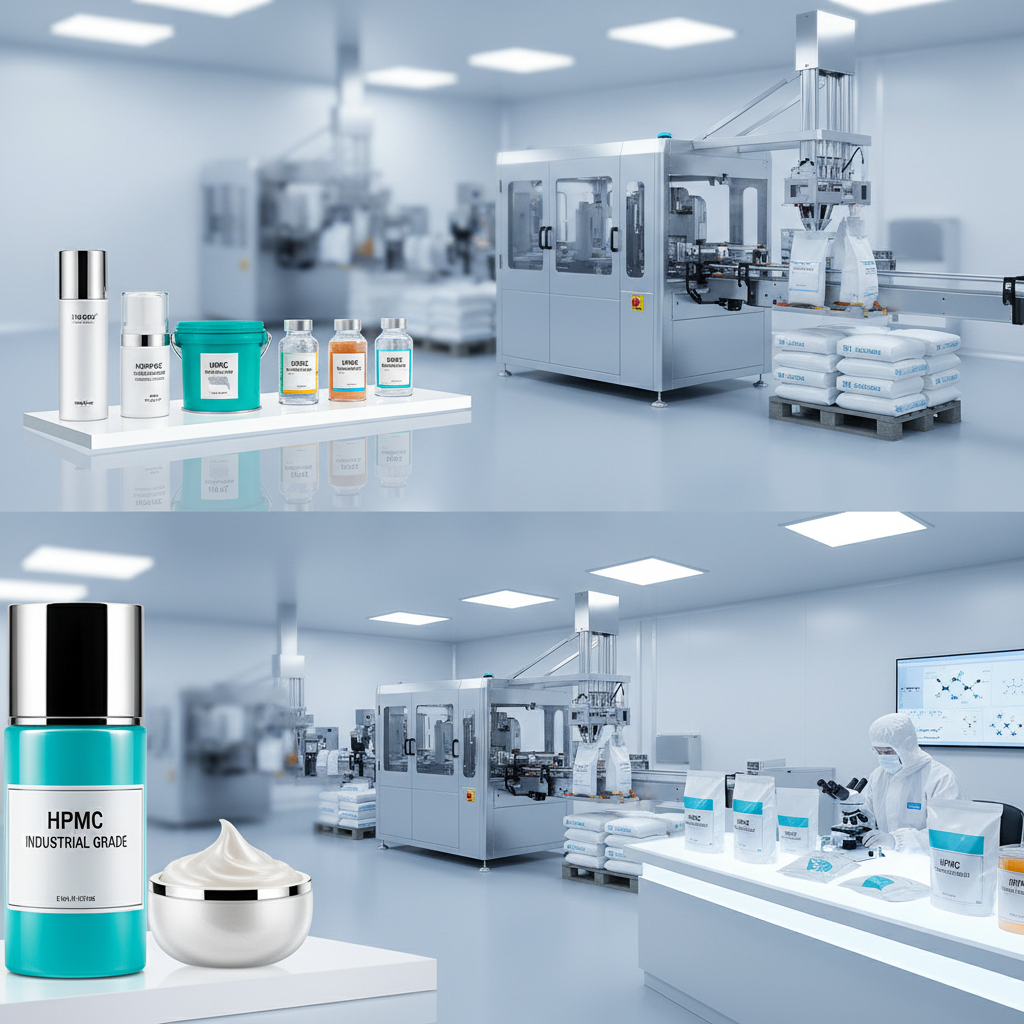
Cellulose ether HPMC benefits a wide range of industries including pharmaceuticals, food, construction, cosmetics, and paints & coatings. In pharmaceuticals, it's used as a binder and film-coating agent. The food industry utilizes it as a thickener and stabilizer, while construction uses its water-retention properties in cement mixes. Cosmetics employ it for texture enhancement and stabilization, and paints and coatings benefit from its thickening and suspension properties.
Compared to starch and gelatin, HPMC offers several advantages. It provides more consistent thickening with less variability, exhibits better clarity in solutions, and is more resistant to microbial degradation. HPMC also maintains its viscosity over a wider temperature range and pH level, making it more versatile for various applications.
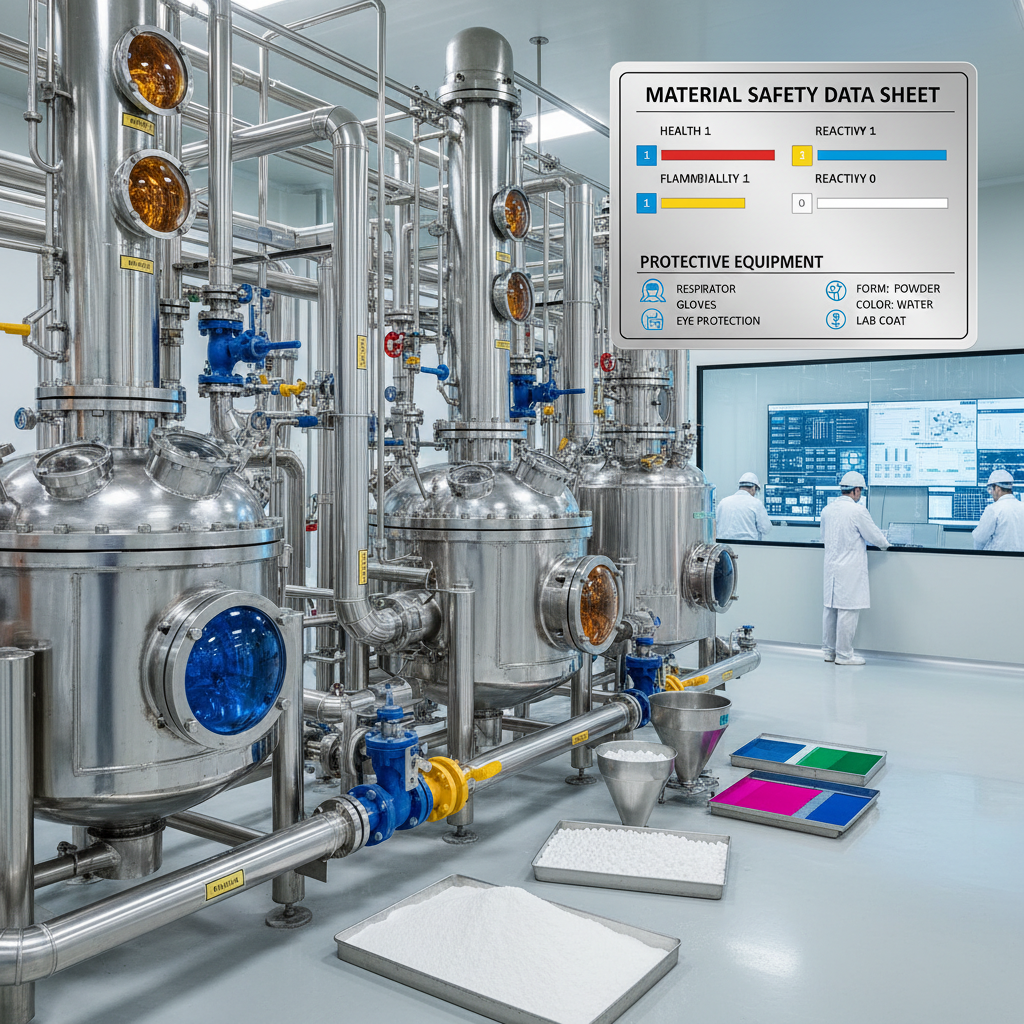
Cellulose ether HPMC is generally considered safe for use in various applications. However, it’s essential to avoid inhaling the powder as it can cause respiratory irritation. Appropriate personal protective equipment (PPE) like dust masks and gloves should be used during handling. Always refer to the Material Safety Data Sheet (MSDS) for detailed safety information.
The viscosity of HPMC is adjusted primarily through the molecular weight and degree of substitution (DS). Higher molecular weight HPMC results in higher viscosity. Also, different DS levels influence solubility and water retention. Manufacturers offer various grades of HPMC with differing viscosities to cater to specific application requirements.
While HPMC isn't readily biodegradable in all environments, it is considerably more biodegradable than many synthetic polymers. Derived from cellulose, a renewable resource, it has a lower environmental impact. Research focuses on enhancing its biodegradability through modification techniques, contributing to more sustainable practices.
Cellulose ether HPMC generally has a long shelf life, typically several years, when stored correctly. It should be kept in a cool, dry place, protected from direct sunlight and moisture. Proper storage prevents clumping and maintains its functional properties. Always check the manufacturer’s specifications for specific storage recommendations.
Conclusion
Cellulose ether HPMC stands as a remarkable polymer with an expanding role in diverse industries. Its unique combination of properties – thickening, binding, water retention, and film formation – combined with its sustainability and cost-effectiveness, positions it as a crucial material for addressing contemporary challenges and driving innovation. From enhancing product performance to supporting sustainable practices, HPMC offers tangible benefits across the board.
Looking ahead, continued research and development focused on enhancing its properties and production methods will unlock even greater potential. Embracing advanced technologies and prioritizing sustainability will solidify cellulose ether hpmc as a cornerstone material for a more efficient and environmentally conscious future. Visit our website today to learn more about our comprehensive range of HPMC products and solutions.