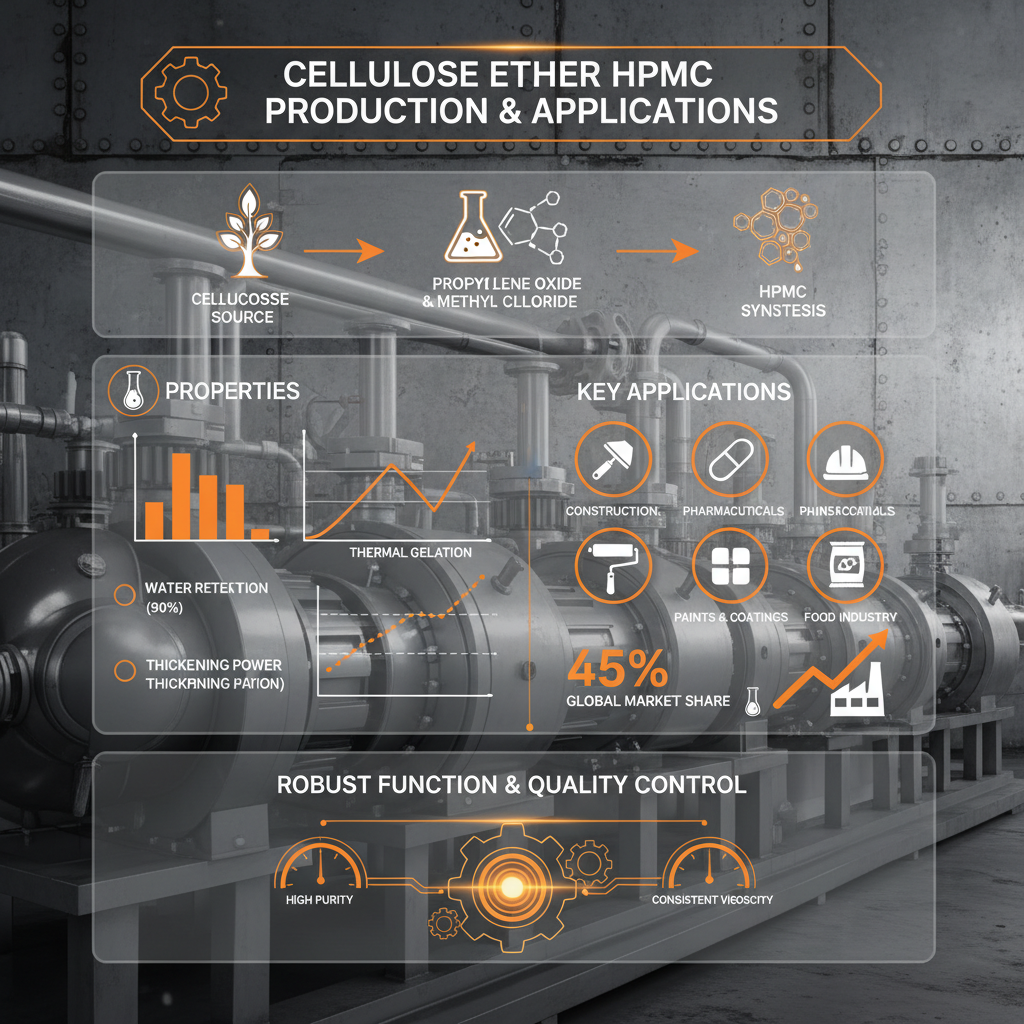
In the sophisticated realm of chemical engineering, industri grade hpmc (Hydroxypropyl Methylcellulose) stands as a cornerstone additive, bridging the gap between raw material stability and high-performance output. As a non-ionic cellulose ether, its ability to modify rheology and enhance water retention makes it indispensable across a spectrum of heavy-duty industrial applications, from advanced coatings to specialized detergents.
Globally, the demand for industri grade hpmc has surged as manufacturers seek more sustainable and efficient ways to control viscosity and improve the consistency of their chemical formulations. By integrating this versatile polymer, industries can achieve a precise balance of stability and workability, ensuring that final products meet rigorous international quality standards.
Understanding the nuances of industri grade hpmc is not merely a technical requirement but a strategic advantage. For procurement officers and chemical engineers, selecting the right grade means optimizing production costs while maximizing the durability and efficacy of the end product, ultimately driving innovation in the specialty chemicals sector.
Global Relevance of industri grade hpmc
The global chemical market has seen a paradigm shift toward high-efficiency additives, with industri grade hpmc leading the charge in the specialty polymers segment. According to ISO standards for chemical consistency, the ability to maintain a stable viscosity across varying temperatures is critical. In regions with extreme climates, such as Southeast Asia or Northern Europe, the stability provided by this additive ensures that industrial fluids and binders do not separate or degrade.
Furthermore, the push for "Green Chemistry" has placed industri grade hpmc in the spotlight due to its biodegradable nature derived from natural cellulose. As the World Bank emphasizes the need for sustainable industrialization, the transition from synthetic polymers to cellulose-based alternatives is no longer optional—it is a necessity for companies aiming to reduce their environmental footprint while maintaining peak operational efficiency.
Defining the Technical Essence of industri grade hpmc
At its core, industri grade hpmc is a chemical compound produced by the etherification of cellulose. Unlike food or pharma grades, the industrial grade is engineered specifically for resilience in harsh environments, offering superior thickening, suspending, and emulsifying properties. It acts as a molecular scaffold, holding ingredients in a homogeneous state and preventing the sedimentation of solid particles in liquid mediums.
From a humanitarian and infrastructure perspective, this material is the "silent hero" in construction and sanitation. In the manufacturing of high-strength mortars and adhesives, it prevents rapid water loss, which is essential for the proper curing of cement. This ensures that structures are not only built faster but are structurally sound and resistant to cracking, directly impacting the safety of urban housing projects globally.
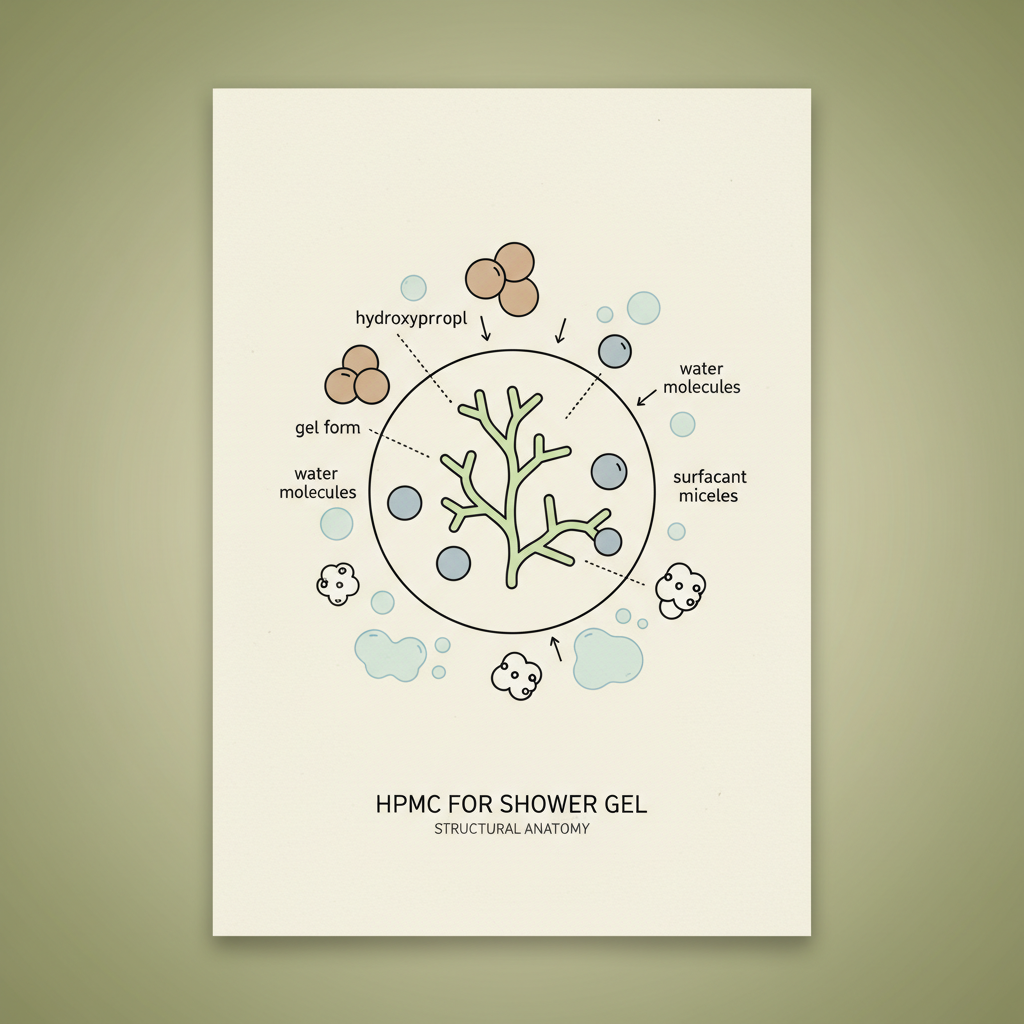
The versatility of industri grade hpmc extends to the personal care industry, where it provides the luxurious "slip" in shampoos and the stability in hand sanitizers. By controlling the rate of evaporation and the feel of the product on the skin, it transforms a basic chemical mixture into a consumer-ready product that meets high expectations for quality and sensory experience.
Core Components for Performance Optimization
When analyzing the efficacy of industri grade hpmc, the first critical factor is Viscosity Control. The molecular weight of the cellulose ether determines how the liquid flows; higher viscosity grades are preferred for heavy-duty coatings to prevent sagging, while lower viscosity grades are ideal for sprayable detergents.
Another vital component is Water Retention Capacity. For industri grade hpmc, this means the ability to trap water molecules within its polymer network. In the context of tile adhesives or plaster, this prevents the substrate from absorbing water too quickly, allowing the chemical bonds to form perfectly and preventing premature drying.
Finally, Thermal Gelation plays a decisive role. industri grade hpmc exhibits a unique property where it gels at a specific temperature. This is strategically utilized in industrial processes where a product needs to be liquid during application but set firmly upon heating or cooling, providing a level of process control that synthetic additives cannot match.
Practical Applications and Use Cases
In real-world industrial zones, industri grade hpmc is applied across diverse sectors. In the construction industry, specifically for Putty Powder and Tile Adhesive, it ensures a smooth finish and exceptional bond strength. For instance, in high-rise developments in Dubai or Singapore, the water-retention properties are crucial to combat the rapid evaporation caused by extreme heat.
Beyond construction, this additive is pivotal in the production of household chemicals. In detergent and soap liquid manufacturing, it stabilizes the suspension of active cleaning agents, ensuring that the product remains consistent from the first pour to the last. This prevents the "separation" effect often seen in low-quality industrial cleaners, thereby increasing consumer trust and brand reliability.
Performance Metrics of industri grade hpmc Variations
Long-Term Value and Sustainability
The adoption of industri grade hpmc offers significant long-term economic value. By reducing the waste of raw materials through better consistency and preventing product failure in the field (such as cracking in mortar), companies save millions in warranty claims and material replacement. The reliability it brings to the production line reduces downtime and minimizes the need for constant batch adjustments.
From a sustainability angle, the shift toward cellulose-based ethers aligns with the global push for carbon neutrality. Because industri grade hpmc is derived from plant-based sources, it offers a lower carbon footprint compared to fully synthetic petroleum-based thickeners. This transition not only satisfies regulatory requirements but also appeals to the modern, eco-conscious B2B buyer who prioritizes "green" supply chains.
Future Trends in Cellulose Chemistry
Looking forward, the evolution of industri grade hpmc is leaning toward "Smart Polymers." Researchers are developing modified versions that respond to specific environmental triggers, such as pH levels or precise electrical currents. This could lead to "self-healing" construction materials or detergents that only activate their thickening properties at specific temperatures, revolutionizing the way we interact with chemical products.
Digital transformation is also impacting the production of industri grade hpmc. AI-driven molecular modeling allows manufacturers to customize the degree of substitution (DS) and molar substitution (MS) with pinpoint accuracy. This means a client can request a grade specifically tailored to their unique water hardness or humidity levels, moving the industry from "off-the-shelf" products to "precision-engineered" solutions.
Furthermore, the integration of automation in the etherification process is ensuring a level of batch-to-batch consistency that was previously impossible. As automation reduces human error, the reliability of industri grade hpmc continues to climb, making it the gold standard for stability in the global specialty chemicals market.
Overcoming Industrial Implementation Challenges
Despite its benefits, integrating industri grade hpmc into existing formulations can present challenges, most notably "clumping" or "fish-eyes" during the mixing process. This occurs when the powder hydrates too quickly on the surface, preventing the core from wetting. To solve this, experts recommend high-shear mixing or pre-dispersing the HPMC in a non-solvent before adding water.
Another common hurdle is the incompatibility with certain highly ionic surfactants. Since industri grade hpmc is non-ionic, it is generally stable, but extreme pH shifts can still affect its viscosity. The solution lies in rigorous pilot testing and the use of buffering agents to maintain a stable environment, ensuring the polymer maintains its structural integrity throughout the product's shelf life.
Finally, cost fluctuations in raw cellulose can impact pricing. Companies can overcome this by establishing long-term strategic partnerships with suppliers who utilize vertical integration. By securing the source of the cellulose pulp, manufacturers of industri grade hpmc can provide more stable pricing and guaranteed supply, mitigating the risks associated with global commodity volatility.
Comparative Analysis of industri grade hpmc Performance Across Industrial Sectors
| Industry Sector |
Primary Function |
Stability Score (1-10) |
Efficiency Impact |
| Construction |
Water Retention |
9.5 |
High - Prevents Cracking |
| Detergents |
Viscosity Control |
8.8 |
Medium - Suspension |
| Coatings/Paint |
Anti-Sagging |
9.2 |
High - Surface Finish |
| Cosmetics |
Emulsification |
8.5 |
Medium - Texture |
| Pharma-Industrial |
Binder Stability |
9.8 |
High - Controlled Release |
| Adhesives |
Open Time Extension |
9.0 |
High - Workability |
FAQS
The primary difference lies in the purity standards and the specific functional properties. While food grade focuses on non-toxicity and taste neutrality, industri grade hpmc is optimized for chemical resilience, higher viscosity thresholds, and superior water retention in harsh industrial environments like cement mortars or heavy-duty detergents.
It works by acting as a water-retaining agent. In mortar or plaster, it prevents the water from being absorbed too quickly by the bricks or substrate. This ensures the cement hydrates slowly and completely, which eliminates shrinkage cracks and significantly improves the final structural strength.
Yes, because it is a non-ionic cellulose ether, it is generally compatible with both anionic and cationic surfactants. This makes it an ideal thickener for a wide variety of cleaning products, soaps, and shampoos without causing the instability or precipitation common with ionic thickeners.
Lumping, or "fish-eyes," occurs when the outer layer hydrates too fast. To prevent this, you can use high-shear mixers, disperse the powder in a small amount of organic solvent (like glycol) before adding water, or slowly sift the powder into the liquid under constant agitation.
Absolutely. One of its unique features is thermal gelation. Depending on the grade, it can transition from a liquid to a gel state at a specific temperature. This property is often used by engineers to control the flow and setting time of industrial fluids.
Yes, it is derived from natural cellulose (plant fibers), making it biodegradable and a sustainable alternative to synthetic petroleum-based polymers. Its use helps companies align with green building and eco-friendly manufacturing certifications globally.
Conclusion
In summary, industri grade hpmc is much more than a simple thickening agent; it is a precision tool that ensures stability, durability, and sustainability across various industrial sectors. From enhancing the structural integrity of urban infrastructure to refining the texture of daily consumer goods, its role in modern chemical engineering is indispensable. By mastering its application—from viscosity control to water retention—manufacturers can significantly reduce waste and improve product performance.
As the industry moves toward a more sustainable and digitally optimized future, the continued innovation in cellulose chemistry will only increase the value of these additives. We encourage chemical engineers and procurement specialists to evaluate their current formulations and explore how a higher-quality grade of HPMC can drive operational efficiency. For premium solutions and expert technical support, visit our website: www.youngcel.com