Hydroxypropyl methylcellulose (HPMC) is a versatile cellulose ether derivative widely used across numerous industries, from construction and pharmaceuticals to food and personal care. Its unique properties, including thickening, binding, film-forming, and water retention, make it an indispensable ingredient in countless formulations. Understanding HPMC is crucial for optimizing product performance, enhancing manufacturing processes, and driving innovation in diverse application areas. Globally, the demand for HPMC is steadily increasing, driven by population growth, urbanization, and a rising demand for sustainable and high-performance materials.
The widespread application of hydroxypropyl methyl cellulos hpmc stems from its ability to address critical challenges across industries. In the construction sector, it improves the workability and adhesion of cement-based materials, reducing cracking and enhancing durability. In pharmaceuticals, it serves as a critical excipient in controlled-release formulations. Furthermore, growing concerns about environmental sustainability are fueling the adoption of HPMC as a bio-based and biodegradable alternative to synthetic polymers.
This comprehensive guide delves into the intricacies of hydroxypropyl methyl cellulos hpmc, exploring its properties, applications, advantages, and future trends. We aim to provide a valuable resource for professionals and researchers seeking to leverage the full potential of this remarkable material.
Introduction to Hydroxypropyl Methylcellulos HPMC
Hydroxypropyl methylcellulos hpmc, often simply called HPMC, is a cellulose ether created by chemically modifying cellulose. This modification introduces both methyl and hydroxypropyl groups onto the cellulose backbone, resulting in a polymer with unique and desirable properties. These properties are highly tunable, based on the degree of substitution (DS) of the methyl and hydroxypropyl groups, allowing for a wide range of HPMC grades tailored to specific applications.
The significance of HPMC lies in its broad applicability and relatively low cost. It's a non-toxic, odorless, and tasteless material, making it suitable for use in food, pharmaceuticals, and cosmetics. Its effectiveness as a thickener, binder, film-former, and protective colloid positions it as a crucial component in many formulations, contributing to improved product quality and performance.
Global Relevance and Industry Context of HPMC
The global HPMC market is experiencing consistent growth, estimated to reach substantial value in the coming years. This growth is fueled by increasing demand from key industries such as construction, pharmaceuticals, food, cosmetics, and detergents. Emerging economies in Asia-Pacific, particularly China and India, represent significant markets due to rapid infrastructure development and expanding consumer bases. According to market research reports, the Asia-Pacific region accounts for a significant share of global HPMC consumption.
The construction industry's reliance on HPMC for cement-based materials, tile adhesives, and renders is a major driver of demand. The pharmaceutical industry utilizes HPMC extensively in controlled-release drug delivery systems, addressing the need for improved therapeutic efficacy and patient compliance. Food manufacturers leverage its thickening and stabilizing properties in various products, while cosmetic companies utilize it for its film-forming and emulsion-stabilizing capabilities.
A key challenge addressed by hydroxypropyl methyl cellulos hpmc is the need for sustainable and eco-friendly materials. As the world increasingly focuses on reducing its carbon footprint, HPMC’s bio-based origin and biodegradability present a compelling alternative to petroleum-based polymers. This aligns with global sustainability initiatives and promotes environmentally responsible manufacturing practices.
Defining Hydroxypropyl Methylcellulos HPMC
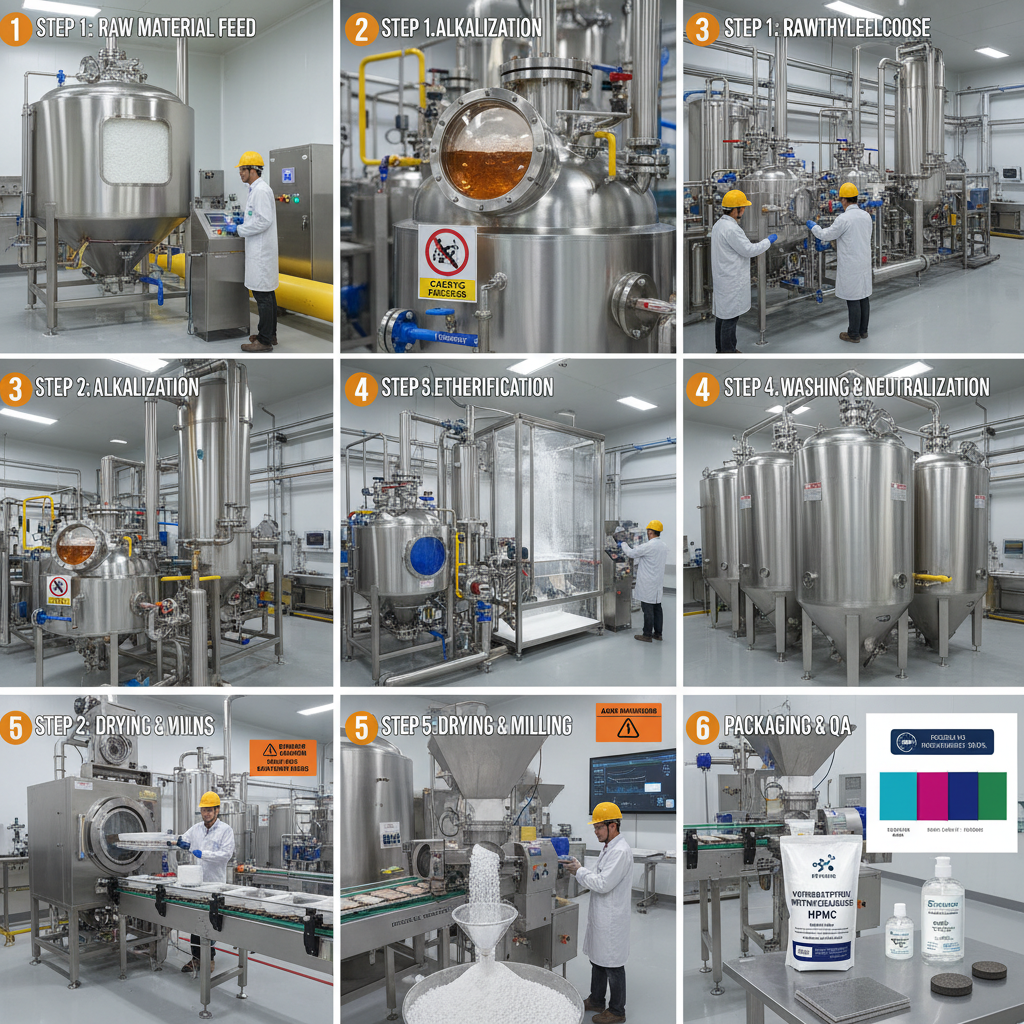
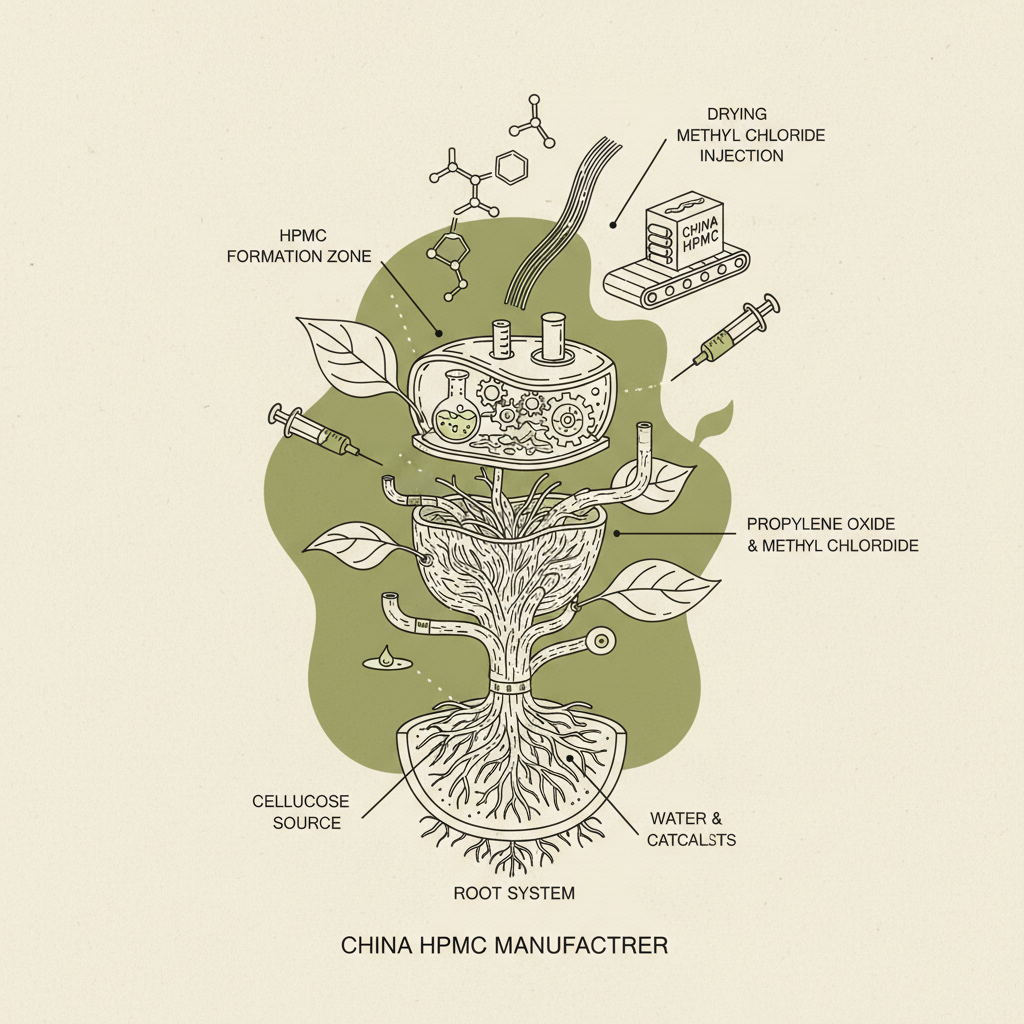
Hydroxypropyl methylcellulos hpmc is a non-ionic, water-soluble polymer derived from cellulose, a naturally abundant component of plant cell walls. Through a chemical process involving etherification, cellulose is modified with methyl and hydroxypropyl groups. The ratio of these groups determines the specific properties of the resulting HPMC grade, influencing its solubility, viscosity, gelation temperature, and surface activity.
Understanding the degree of substitution (DS) is critical to comprehending the behavior of HPMC. A higher degree of methoxylation generally leads to increased water insolubility, while a higher degree of hydroxypropoxylation enhances water solubility. The molecular weight of the polymer also plays a crucial role, impacting its viscosity and thickening efficiency.
This versatile polymer directly connects to modern industrial needs by providing a customizable ingredient capable of resolving formulation challenges. Whether it's ensuring consistent texture in food products, controlling drug release in pharmaceuticals, or enhancing the performance of construction materials, hydroxypropyl methyl cellulos hpmc offers a solution that balances functionality, cost-effectiveness, and environmental responsibility.
Key Properties and Characteristics of HPMC
Several key properties define the performance of hydroxypropyl methyl cellulos hpmc. Thickening ability is perhaps the most well-known, allowing for the creation of viscous solutions even at low concentrations. This is crucial in applications like sauces, paints, and adhesives. Water retention is another vital property, preventing premature drying and cracking in construction materials, coatings, and personal care products.
Film-forming capability allows HPMC to create flexible and transparent films, making it suitable for coatings, tablet films, and packaging applications. Binding properties enhance the cohesion of powders and granules, essential in tablet manufacturing and ceramic tile adhesives. Thermal gelation is unique, where HPMC solutions transition from liquid to gel upon heating, utilized in certain food and pharmaceutical applications.
Finally, chemical stability is a significant advantage. HPMC is generally stable over a wide pH range and resistant to enzymatic degradation, ensuring consistent performance in diverse environments. Its compatibility with many other ingredients makes it a versatile additive in complex formulations.
HPMC Grade Selection Based on Application
Diverse Applications of Hydroxypropyl Methylcellulos HPMC
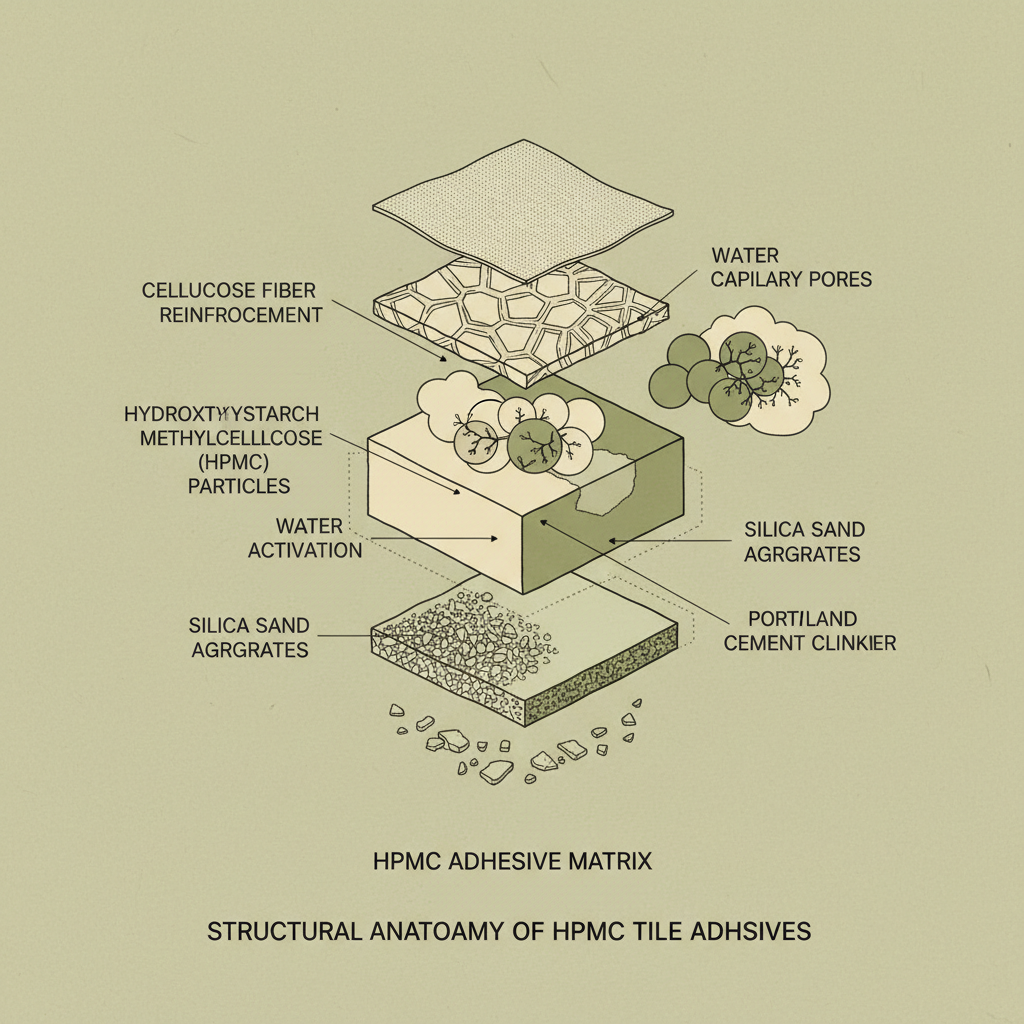
Hydroxypropyl methyl cellulos hpmc finds extensive use in the construction industry as a key additive in cement-based products. It improves workability, water retention, and adhesion, leading to enhanced performance of tile adhesives, renders, and self-leveling compounds. In the pharmaceutical sector, it serves as a binder, film-former, and controlled-release agent in tablet formulations, ensuring accurate drug delivery and patient compliance.
The food industry utilizes HPMC as a thickener, stabilizer, and emulsifier in various products, including sauces, desserts, and bakery items. It also improves texture and shelf life. In the cosmetics and personal care sectors, it’s employed in creams, lotions, and shampoos as a thickener, stabilizer, and film-former, contributing to a pleasant sensory experience and product stability.
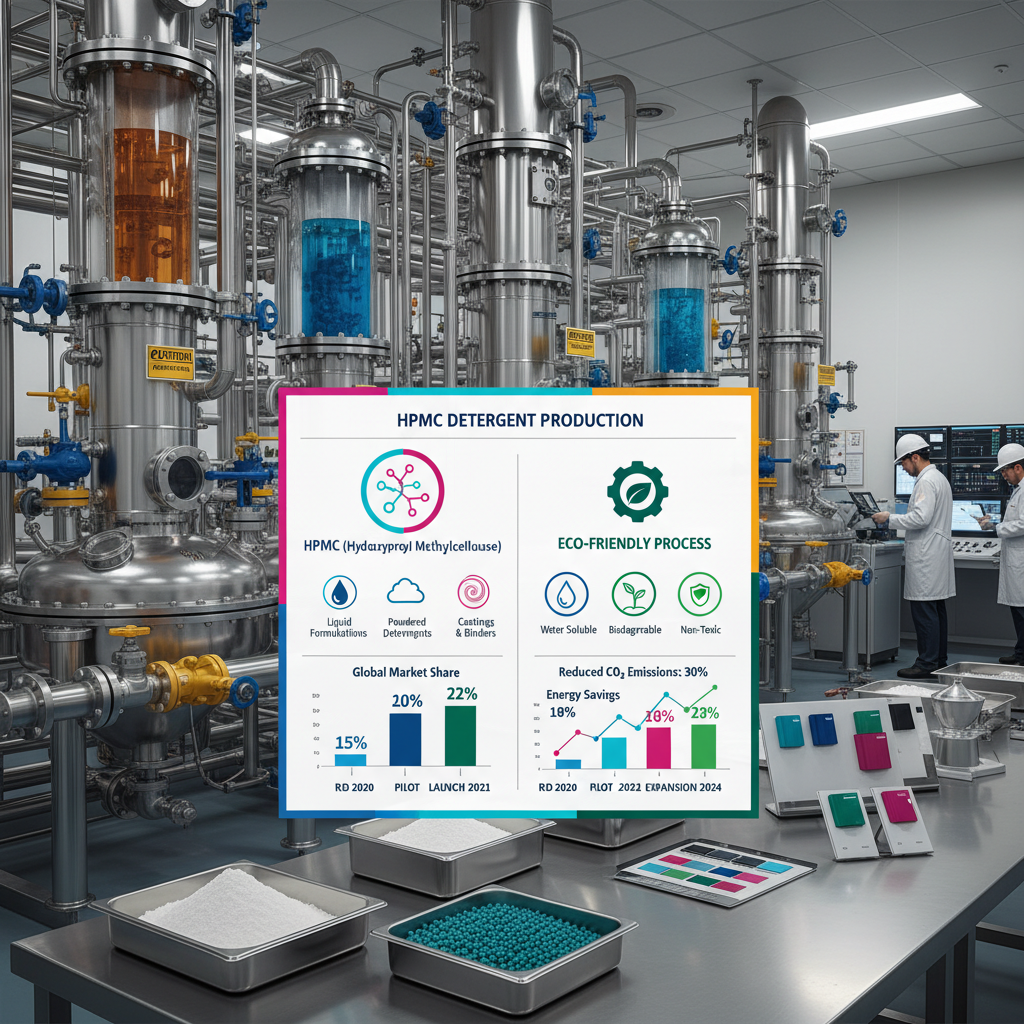
Beyond these core industries, HPMC also finds applications in detergents, paints, coatings, and even specialized areas like 3D printing. Its versatility and ability to tailor properties make it a valuable component in a constantly expanding range of applications.
Advantages and Long-Term Value of Using HPMC
The use of hydroxypropyl methyl cellulos hpmc delivers numerous tangible benefits. Cost-effectiveness is a significant advantage, as it provides high performance at a relatively low cost compared to alternative polymers. Its sustainability profile, being derived from renewable cellulose, is increasingly valued by environmentally conscious consumers and manufacturers.
Improved product performance is another key benefit. HPMC enhances workability, adhesion, water retention, and stability across various applications, resulting in higher-quality products. Long-term reliability is assured due to its chemical stability and resistance to degradation. By choosing HPMC, manufacturers can ensure consistent product performance and minimize the risk of failures.
Future Trends and Innovations in HPMC Technology
Research and development efforts are focusing on enhancing the properties of hydroxypropyl methyl cellulos hpmc through innovative modification techniques. Exploring new degrees of substitution and molecular weights allows for tailoring of HPMC properties to meet increasingly demanding application requirements. The development of HPMC blends with other polymers aims to combine the strengths of different materials, creating synergistic effects and expanding the range of achievable properties.
Sustainability continues to be a major driver of innovation, with ongoing efforts to optimize the production process and reduce environmental impact. Utilizing alternative cellulose sources and developing biodegradable HPMC grades are key areas of focus. The integration of digital technologies, such as AI-powered formulation design, is also poised to accelerate the development of novel HPMC-based solutions.
Furthermore, advancements in nanotechnology are exploring the potential of incorporating HPMC into nanocomposites, enhancing its mechanical and barrier properties. This opens up new opportunities in areas such as packaging and advanced materials.
FAQS
When stored properly in a cool, dry place, away from direct sunlight and moisture, hydroxypropyl methyl cellulos hpmc generally has a shelf life of at least five years. However, it's always recommended to check the manufacturer's specifications and perform quality control tests before use, especially after prolonged storage, to ensure its properties remain consistent.
The viscosity of HPMC is a critical factor influencing its performance. Higher viscosity grades provide greater thickening power and improve suspension stability, ideal for applications like paints and coatings. Lower viscosity grades are better suited for applications requiring easy flowability, such as pharmaceutical coatings or certain food formulations. Selecting the appropriate viscosity grade is crucial for achieving desired results.
Hydroxypropyl methyl cellulos hpmc exhibits good compatibility with a wide range of polymers and additives. However, compatibility should always be verified through testing, as interactions can occur. Generally, HPMC is compatible with water-soluble polymers, plasticizers, and surfactants. Incompatibility can lead to phase separation or reduced performance.
HPMC powder is generally considered non-toxic, but it's advisable to avoid excessive inhalation due to its potential to cause temporary respiratory irritation. Wearing a dust mask is recommended when handling large quantities of powder. Direct contact with eyes should also be avoided; safety glasses are advised. Refer to the Material Safety Data Sheet (MSDS) for detailed safety information.
Generally, HPMC is not readily soluble in most common organic solvents. Its solubility is primarily limited to water. However, modified HPMC grades with enhanced organic solvent compatibility are available for specific applications. Careful selection and testing are crucial to ensure the suitability of HPMC for organic solvent-based systems.
Temperature plays a significant role in the performance of HPMC solutions. Increasing temperature generally reduces viscosity, while decreasing temperature increases viscosity. HPMC also exhibits thermal gelation, meaning it transitions from a liquid to a gel state upon heating to a specific temperature. This property can be utilized in various applications, but temperature control is crucial for maintaining consistent performance.
Conclusion
Hydroxypropyl methylcellulos hpmc stands as a remarkably versatile and valuable material, impacting a diverse range of industries with its unique properties and cost-effectiveness. From enhancing construction materials and revolutionizing pharmaceutical formulations to improving food quality and bolstering cosmetic performance, its applications are extensive and continually expanding. Understanding its characteristics and leveraging its advantages is crucial for driving innovation and optimizing product development across numerous sectors.
Looking ahead, the future of HPMC technology is bright. Continued research and development focused on sustainable production methods, novel modifications, and integration with emerging technologies promise to unlock even greater potential. Embrace the possibilities offered by hydroxypropyl methyl cellulos hpmc to achieve superior performance, enhance sustainability, and drive innovation in your industry. Visit our website at hydroxypropyl methyl cellulos hpmc to learn more and explore our comprehensive range of HPMC products.