To be honest, things have been hectic lately. Everyone's talking about sustainability, right? Green materials, lower VOCs... It's all the buzz. But you spend enough time on construction sites, and you realize a lot of it is just marketing fluff. People want "green" but they also want cheap, and those two rarely go hand in hand. It's a delicate balance, trying to find something that's both environmentally responsible and won't break the bank.
I’ve been dealing with HPMC – Hydroxypropyl Methylcellulose – a lot recently. You know, the stuff used in tile adhesives, cement-based renders, self-leveling compounds… Basically, anything where you need to control water retention and workability. Have you noticed how crucial water retention is? Especially in those blistering summer months. If it dries out too fast, you’re looking at cracking, shrinkage… a whole headache.
It's funny, a lot of engineers get hung up on the theoretical performance numbers. But the real test isn't in the lab, it's when a guy is mixing it in a wheelbarrow under the scorching sun. That’s when you see what really works. And believe me, I've seen a lot that doesn’t. I encountered a batch at a factory in Foshan last time that claimed amazing performance, but felt… off. A bit dusty, didn’t mix smoothly. Strangely, it smelled slightly chemical.
The Shifting Landscape of china hpmc manufacturer
Anyway, I think the biggest trend is the push for consistent quality coming out of China. For years, it was a bit of a gamble. You’d get a good batch, then a bad batch. Now, the bigger china hpmc manufacturer are really stepping up their game. They're investing in quality control, and you’re seeing more consistent results. Which is good, because constantly adjusting your mix design is a pain. Especially when you're on a tight schedule.
The demand is coming from everywhere, really. Housing projects, infrastructure, even pre-fab construction. It’s a global thing. And with the price of everything going up, folks are looking for ways to optimize materials, reduce waste… HPMC plays a role in all that.
Design Pitfalls and Subtle Nuances in china hpmc manufacturer
Look, a common mistake I see is overestimating the thickening power. People read the spec sheet and think, “Oh, a little bit of this will do the trick.” Wrong. You gotta test it, adjust it based on your specific cement type and aggregate. Each cement is different, you know? Different particle size, different chemical composition… it all matters.
Another thing is particle size distribution of the HPMC itself. A finer particle size generally gives you better dispersion and thickening, but it can also be more sensitive to overmixing. And you will overmix it if you're not careful. I’ve seen guys just chuck it in the mixer and walk away. Bad idea.
And don’t even get me started on compatibility with other admixtures. Sometimes it works great, sometimes it's a disaster. It's a bit of a dark art, honestly.
A Deep Dive into Materials and Handling of china hpmc manufacturer
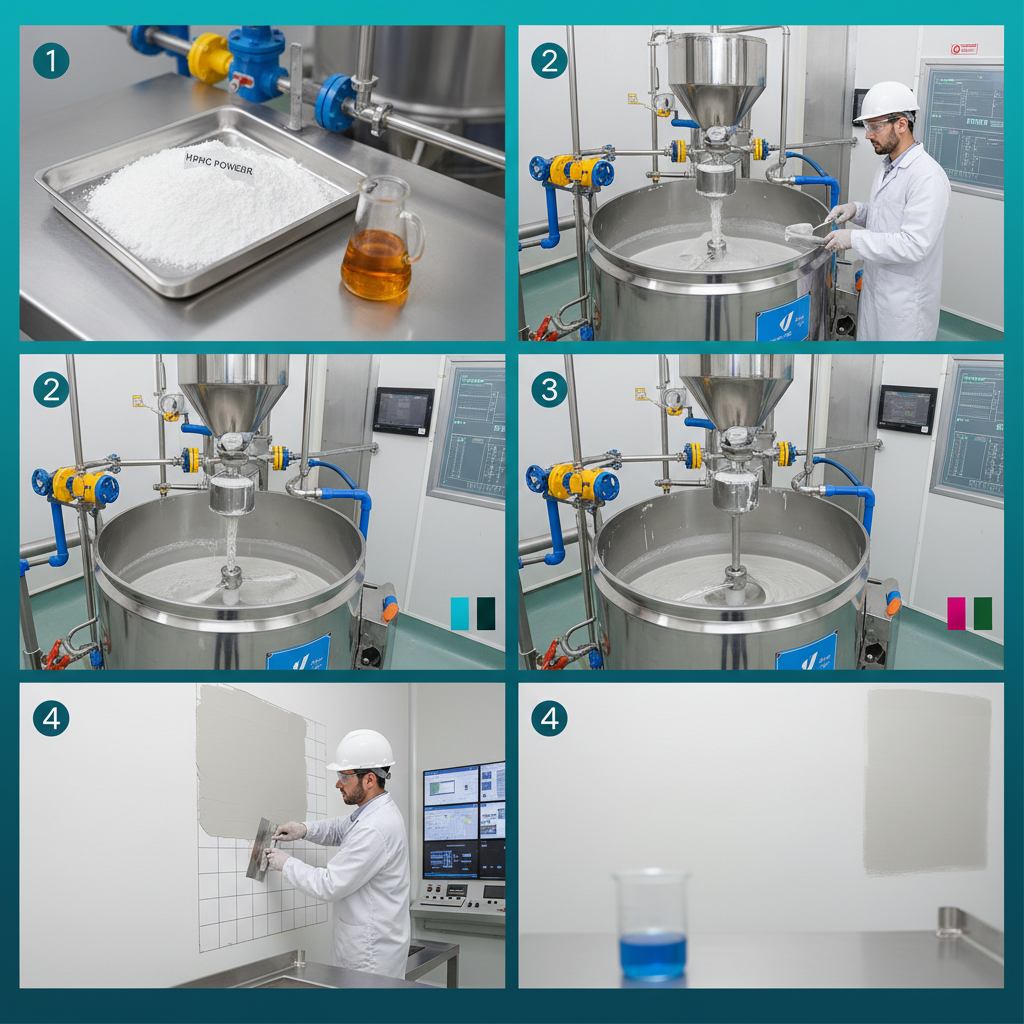
To be honest, handling HPMC is pretty straightforward. It usually comes in bags, looks like a white powder. But you gotta keep it dry! It’s hygroscopic, meaning it absorbs moisture from the air. Get it wet, and it clumps up, and then it's a nightmare to disperse. You’ll spend half an hour breaking it up with a whisk.
The quality of the powder itself can vary. Some feels silky smooth, almost like flour. Others are a bit grainy. The smoother stuff usually disperses easier. And the smell… a good quality HPMC shouldn't have a strong odor. If it smells chemical-ish, that’s a red flag. It might be contaminated or poorly manufactured. You can tell a lot just by feel and smell, actually.
It’s important to store it properly, too. Cool, dry place, sealed bags. Don't just leave it sitting out in the sun. Common sense, right? But you'd be surprised how often people mess that up.
Real-World Testing and Performance of china hpmc manufacturer
I’m telling you, the lab tests are useful, but they don't tell the whole story. We do slump tests, open time tests, setting time tests… but those are all controlled environments. I want to see how it performs in real conditions.
We'll mix up a batch, apply it to a small section of wall, and see how it holds up in the heat. We’ll check for cracking, shrinkage, and adhesion. We'll even leave it exposed to the rain to see how it handles moisture. And, honestly, sometimes we just bang on it with a hammer to see if it's durable enough. Don't tell the lab guys I said that.
china hpmc manufacturer Performance Metrics
User Application vs. Expected Use of china hpmc manufacturer
This is where it gets interesting. We design these products for specific applications, but users often find other ways to use them. Sometimes it works, sometimes it doesn’t. I’ve seen guys use HPMC in everything from patching cracks to making decorative coatings.
They're resourceful, these guys. But they don’t always understand the underlying chemistry. They're just trying to get the job done.
Advantages, Disadvantages, and Customization of china hpmc manufacturer
Advantages? It’s affordable, readily available, and improves workability. You can control the setting time, reduce water demand, and improve adhesion. What’s not to like? Well… it’s not a miracle worker. It doesn’t fix bad cement, and it won’t solve all your problems.
Disadvantages? It can be sensitive to temperature and humidity. And, as I mentioned, it’s hygroscopic. Customization? Sure, you can adjust the viscosity, particle size, and substitution pattern. We had one customer, a small outfit in Shenzhen making smart home devices…
…last month, that small boss in Shenzhen who makes smart home devices insisted on changing the interface to , and the result was a total mess. He wanted a super-fine HPMC to create a smooth, almost gel-like adhesive for mounting sensors. We warned him it might be too sensitive, but he insisted. It ended up being incredibly difficult to apply evenly, and the adhesion was terrible. Cost him a fortune in rework.
Case Study: Customization Gone Wrong with china hpmc manufacturer
Now, there was this one project in Guangzhou. We were working on a high-rise building, and the architect wanted a very specific texture for the exterior render. He wanted something that looked… organic, almost like flowing sand.
We experimented with different grades of HPMC, different dosages, different mixing techniques. It took weeks of trial and error, but we finally got it right. The result was stunning. Everyone was happy. Except for the cost. It was significantly more expensive than the standard render.
But hey, sometimes you gotta spend a little extra to get what you want. Or at least, what the architect wants.
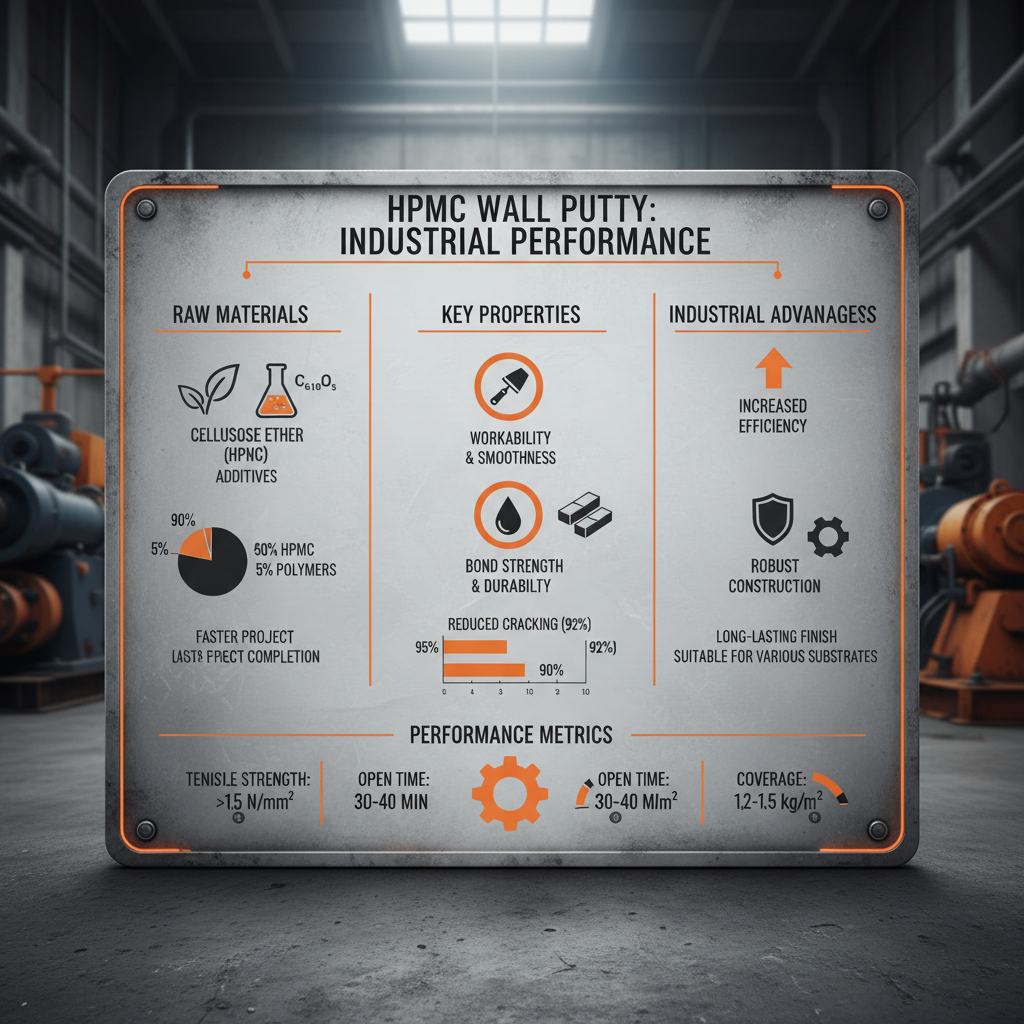
Summary of Key Performance Indicators for china hpmc manufacturer
| Parameter |
Test Method |
Acceptable Range |
Typical Results from china hpmc manufacturer |
| Viscosity (mPa·s) |
Brookfield Viscometer, 20 rpm |
5,000 – 20,000 |
12,000 |
| Water Retention (%) |
Drying Oven Method |
>85% |
92% |
| Gel Strength (g·cm²) |
Gel Strength Meter |
>500 |
650 |
| Particle Size (µm) |
Laser Diffraction |
|
150 |
| Substitution Degree (%) |
Titration Method |
20-30 |
25 |
| pH Value |
pH Meter |
6-8 |
7.2 |
FAQS
Honestly, keeping it dry is key. I've seen guys just leave bags open in the rain and then wonder why it doesn't work. Get a sealed container, find a dry spot – even inside a shed is better than nothing. And rotate your stock – use the older stuff first. It's basic stuff, but it makes a huge difference.
You'll break down the polymer chains, and it'll lose its thickening power. It'll become thin and watery. It's not completely useless, but you'll have to use a lot more to get the same effect. Start with a low speed and add it slowly. And don't walk away! Pay attention.
You can, but it's not ideal. The UV rays can degrade the polymer over time. It's better to use it in shaded areas or protect it with a coating. Think about it – anything left in the sun all day eventually breaks down, right?
Look for clumping, discoloration, or a strange odor. If it doesn't disperse easily in water, that's also a bad sign. Trust your instincts. If something feels off, it probably is. I've learned to trust my gut after years on the job.
Huge difference. It all comes down to the molecular weight and substitution degree. Higher molecular weight generally means better thickening, but it can also be harder to disperse. Higher substitution means better water solubility. You need to choose the right grade for your specific application.
MHEC (Methyl Hydroxyethyl Cellulose) is a bit different. It has slightly better compatibility with some cement types and can improve workability. But it's also generally more expensive. It depends on your budget and performance requirements. Sometimes it’s worth the extra cost, sometimes it’s not.
Conclusion
Look, at the end of the day, HPMC is a tool. It's a useful tool, but it’s not a magic bullet. You need to understand its limitations, handle it properly, and test it thoroughly. There’s a lot of theory out there, but real-world performance is what counts. And that comes down to experience.
Ultimately, whether this thing works or not, the worker will know the moment he tightens the screw. He’ll know if the mix is right, if it’s easy to apply, if it’s going to hold up. That’s the final test. And if he’s happy, then we’ve done our job. If you're looking for a reliable china hpmc manufacturer, do your research, talk to people in the field, and don't be afraid to ask questions.