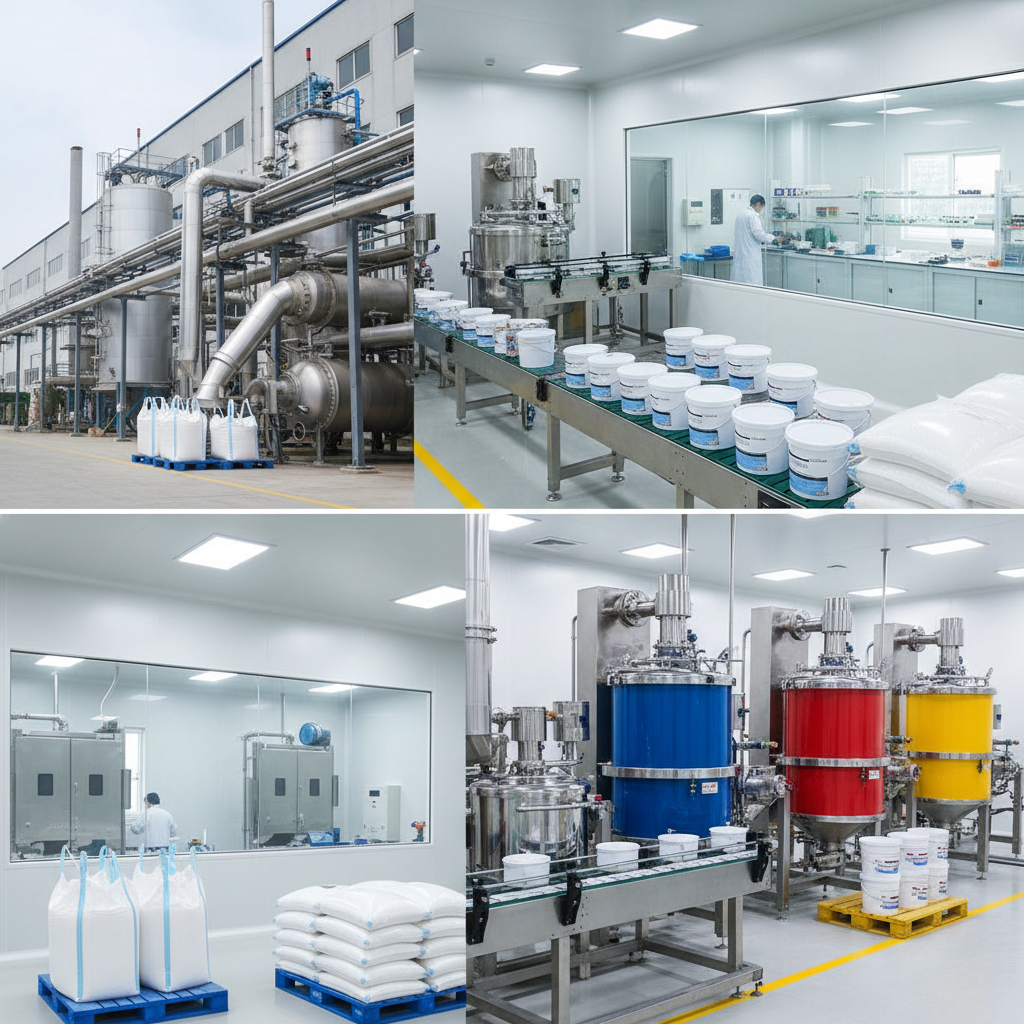
Look, I've been running around construction sites all year, sweating with the engineers and smelling cement dust. Honestly, these days everyone’s talking about prefabrication, modular construction… it’s all the rage. But you know, a lot of folks jump in without really thinking about the details. It's not just about slapping some walls together, it’s about making it work in the real world.
Have you noticed, the pressure's on for faster builds, less waste, you name it. And that pushes everyone to look for materials that can keep up. We're seeing a lot more interest in high-performance concrete, obviously, and more and more specialized admixtures. The question isn’t if you can speed things up, it's how without sacrificing quality, and that's where things get tricky.
I’m telling you, the devil’s in the details. You spend years getting a process down, and then someone comes along with a 'revolutionary' new material. You gotta be careful.
The Current Landscape of hpmc Manufacturer
To be honest, the hpmc market is buzzing. It’s not just construction anymore; food, pharma, cosmetics... everyone wants that thickening, stabilizing power. But when you’re on site, you see the big players and the smaller guys, some really good stuff, and a lot of... well, let's just say 'budget' options.
I encountered this at a factory in Jiangsu Province last time. They were mixing a batch of HPMC for tile adhesives, and the smell was… off. Like something had been sitting in a damp warehouse for too long. Turns out it was a lower-grade cellulose ether, and the quality control wasn’t exactly rigorous. It held the tiles for a week, then started crumbling. That's why you gotta know your supplier.
Design Pitfalls and Common Mistakes in hpmc Manufacturer
Strangely enough, a lot of engineers I work with underestimate how much HPMC affects flowability. They’ll design a concrete mix with a certain workability in mind, then throw in the HPMC without properly adjusting the water content. And boom – you get a stiff, unworkable mess. It's not magic; you gotta respect the chemistry.
Another thing? Mixing ratios. People often think more is better, but that's not true. Too much HPMC can lead to segregation and bleeding in concrete. And believe me, you don’t want that. It weakens the structure and looks terrible.
And don't even get me started on compatibility. Some HPMC grades don’t play nice with certain admixtures. You need to do your research or, better yet, run some small-scale tests before committing to a full batch.
Material Deep Dive: Understanding hpmc Manufacturer Components
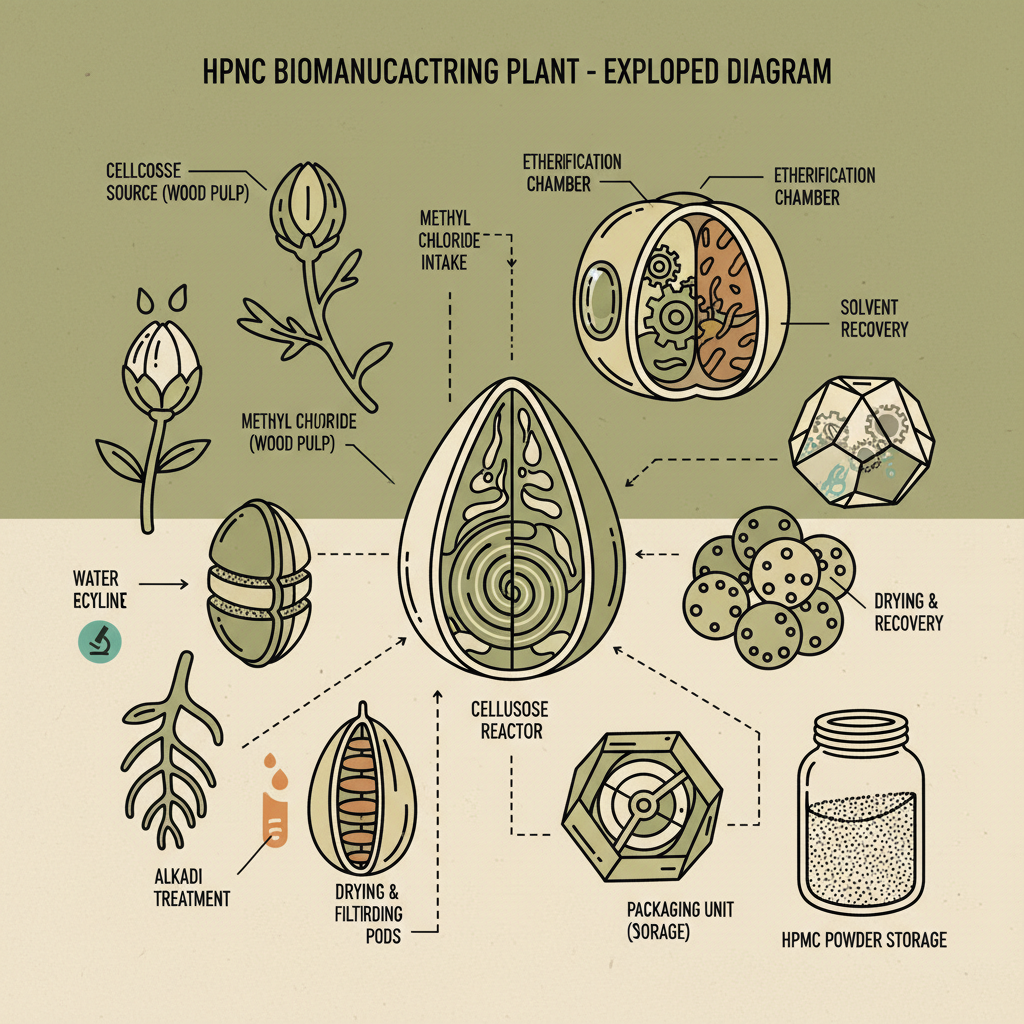
Now, when we talk about HPMC, we're mostly talking about cellulose ethers – derivatives of natural cellulose. You get methylcellulose, hydroxypropyl methylcellulose, and a bunch of variations in between. The molecular weight and the degree of substitution dictate the properties, like water retention and thickening ability. It's like tweaking a recipe.
The powder itself… well, it’s fine and white. Higher quality stuff feels silky, almost like cornstarch. Lower grades can feel gritty and dusty. And the smell? Good HPMC is pretty much odorless. If it smells chemical or musty, walk away. Seriously. I’ve seen batches that smelled like old gym socks. It’s not a good sign.
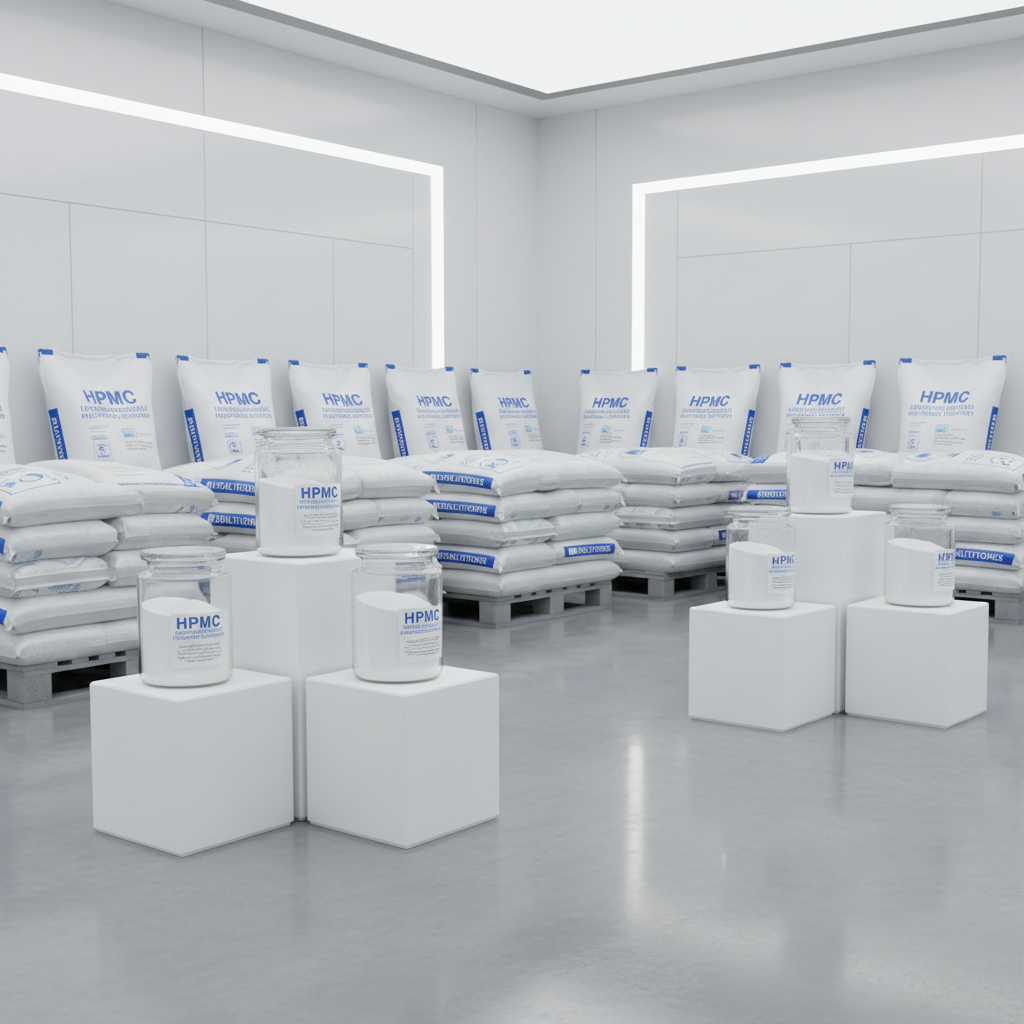
And handling it is important, too. It clumps easily, so you need proper storage – dry, cool place, sealed containers. Otherwise, you’re fighting a losing battle trying to get it dispersed evenly in your mix.
Real-World Testing and Performance of hpmc Manufacturer
Forget the lab tests. I care about how it performs on site. We do slump tests, of course, and measure setting times. But the real test is how easy it is to pour, how well it consolidates, and how it finishes. A lab can tell you the theoretical strength, but it doesn’t tell you if a worker is gonna curse under his breath trying to smooth out a concrete surface.
We also do freeze-thaw cycles, but outside, in actual weather conditions. Not in some controlled chamber. We expose samples to rain, snow, and direct sunlight. You really start to see the differences then.
HPMC Performance Metrics Across Different Grades
User Application and Unexpected Use Cases for hpmc Manufacturer
Most folks think of HPMC in concrete or tile adhesives. But I've seen it used in some surprising ways. Like, a company using it to create a slow-release fertilizer coating. Or a contractor using it to stabilize soil for landscaping. People are getting creative.
Anyway, I think the biggest difference is how people expect it to work. They see it as just a thickener, but it does so much more. It impacts water retention, adhesion, workability… it’s a complex beast.
Advantages, Disadvantages, and the Balancing Act of hpmc Manufacturer
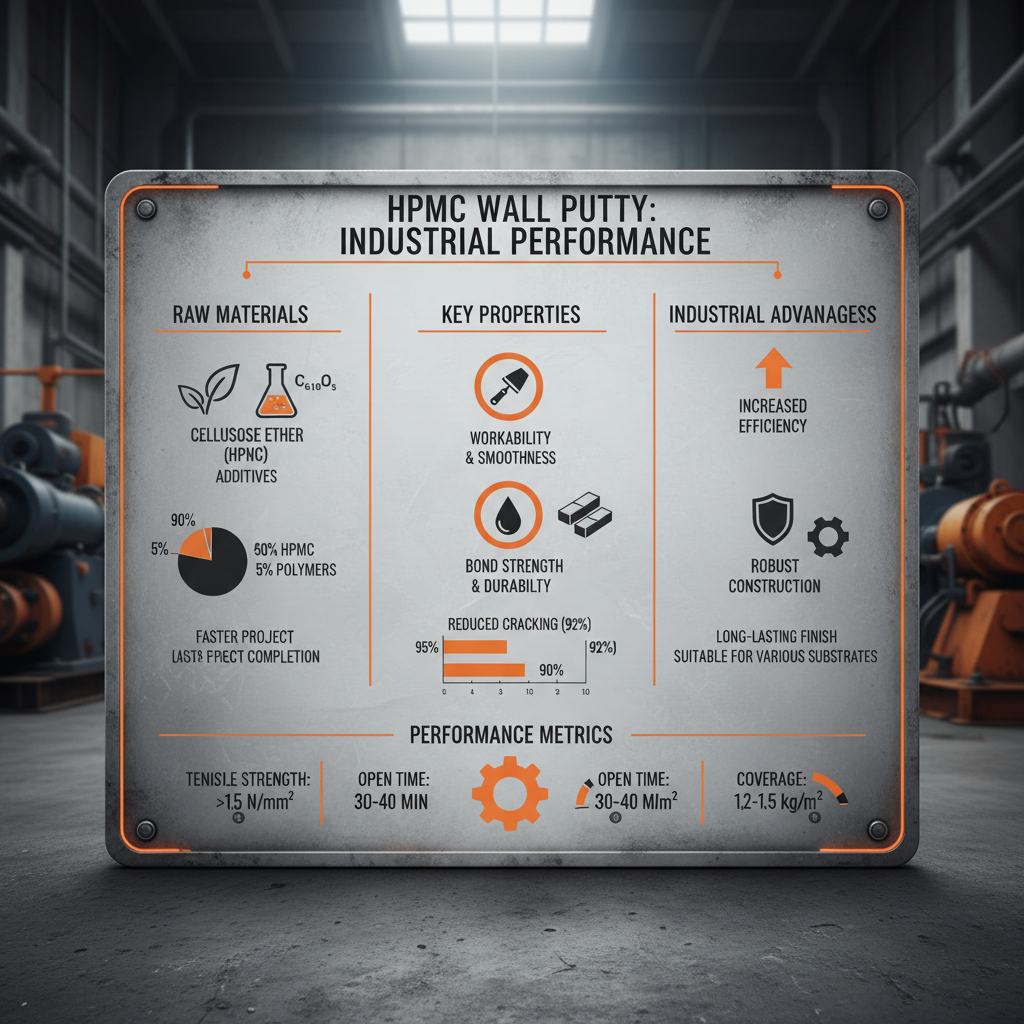
The advantages are obvious – improved workability, increased water retention, better adhesion. It can reduce cracking, improve strength… the list goes on. But it’s not a silver bullet. It’s more expensive than some other additives. And if you use too much, you can actually reduce strength. It's a balancing act.
The biggest downside, honestly, is the potential for incompatibility. You gotta test, test, test. It's frustrating, but it's worth it to avoid a costly mistake down the road.
Customization Options and Specialized hpmc Manufacturer Solutions
We can customize HPMC for specific applications, of course. Different molecular weights, different degrees of substitution, different particle sizes… it all makes a difference. Last month, that small boss in Shenzhen who makes smart home devices insisted on changing the interface to , and the result was a nightmare for assembly! Similarly, adjusting the HPMC can make a big difference for specialized applications.
We did a project for a precast concrete company that needed a really fast-setting concrete for wall panels. We tweaked the HPMC formulation to accelerate hydration and improve early strength. It worked great, but it required a lot of trial and error.
And honestly, it’s always a negotiation. They want the lowest price, we want the best performance. It's about finding the sweet spot.
Summary of HPMC Customization Parameters
| Parameter |
Impact on Performance |
Typical Adjustment Range |
Application Example |
| Molecular Weight |
Viscosity, water retention |
10,000 - 100,000 g/mol |
Concrete admixtures |
| Degree of Substitution |
Water solubility, compatibility |
0.1 - 2.0 |
Pharmaceutical coatings |
| Particle Size |
Dispersion rate, texture |
10 - 200 µm |
Cosmetic formulations |
| Viscosity Grade |
Flowability, sag resistance |
Low, Medium, High |
Tile adhesives |
| Ether Content |
Water retention, film formation |
20% - 40% |
Construction mortars |
| Surface Treatment |
Flowability, dispersion |
Untreated, Silica-coated |
Dry-mix mortars |
FAQS
Honestly? Not adjusting the water content. They throw in the HPMC thinking it'll magically make the concrete easier to work with, but if you don't adjust the water, it just gets stiff and unmanageable. You gotta respect the chemistry and balance the mix properly. It’s a simple thing, but I see it happen all the time, and it causes headaches for everyone involved.
Smell is a good first indicator. If it smells musty or chemical, walk away. Also, check the texture. Good HPMC is silky smooth; lower quality stuff is gritty. And if it clumps easily, that’s a bad sign too. Proper storage is key, but even with good storage, some batches just go off. You can do a simple dispersion test in water – if it doesn’t dissolve cleanly, it’s probably not worth using.
It can, but you need to be careful. In hot weather, it can accelerate setting. In cold weather, it can retard it. It’s all about finding the right grade and dosage for the conditions. We often adjust the formulation to compensate for temperature extremes. There are specialized HPMC grades designed for specific climates, too.
Hydroxypropyl methylcellulose (HPMC) has better water retention and is more compatible with other admixtures. Methylcellulose is cheaper, but it’s less versatile. HPMC is generally preferred for most construction applications, but methylcellulose can be useful in certain niche cases where cost is a major concern. It comes down to the specifics of the job.
It’s derived from cellulose, which is a renewable resource, so it's better than some other synthetic additives. But the manufacturing process isn’t exactly green. It involves chemicals and energy. It’s a trade-off. We’re seeing more demand for bio-based HPMC options, which are made from sustainably sourced cellulose. That’s a positive trend.
If stored properly – dry, cool, sealed containers – HPMC can last for several years. But the performance can degrade over time, especially if it’s exposed to moisture. Always check the manufacturer’s expiration date and do a quick dispersion test before using it. Don’t risk a bad batch on a critical project.
Conclusion
Look, at the end of the day, HPMC is a powerful tool, but it’s not a magic wand. You need to understand its properties, its limitations, and how it interacts with other materials. Proper testing, careful formulation, and good on-site practices are crucial for success. We've seen too many projects go sideways because of simple mistakes.
Ultimately, whether this thing works or not, the worker will know the moment he tightens the screw. That’s the truth of it. And if the worker’s cursing, something went wrong. If you want to learn more about how we can help you get it right, visit our website: www.youngcel.com.