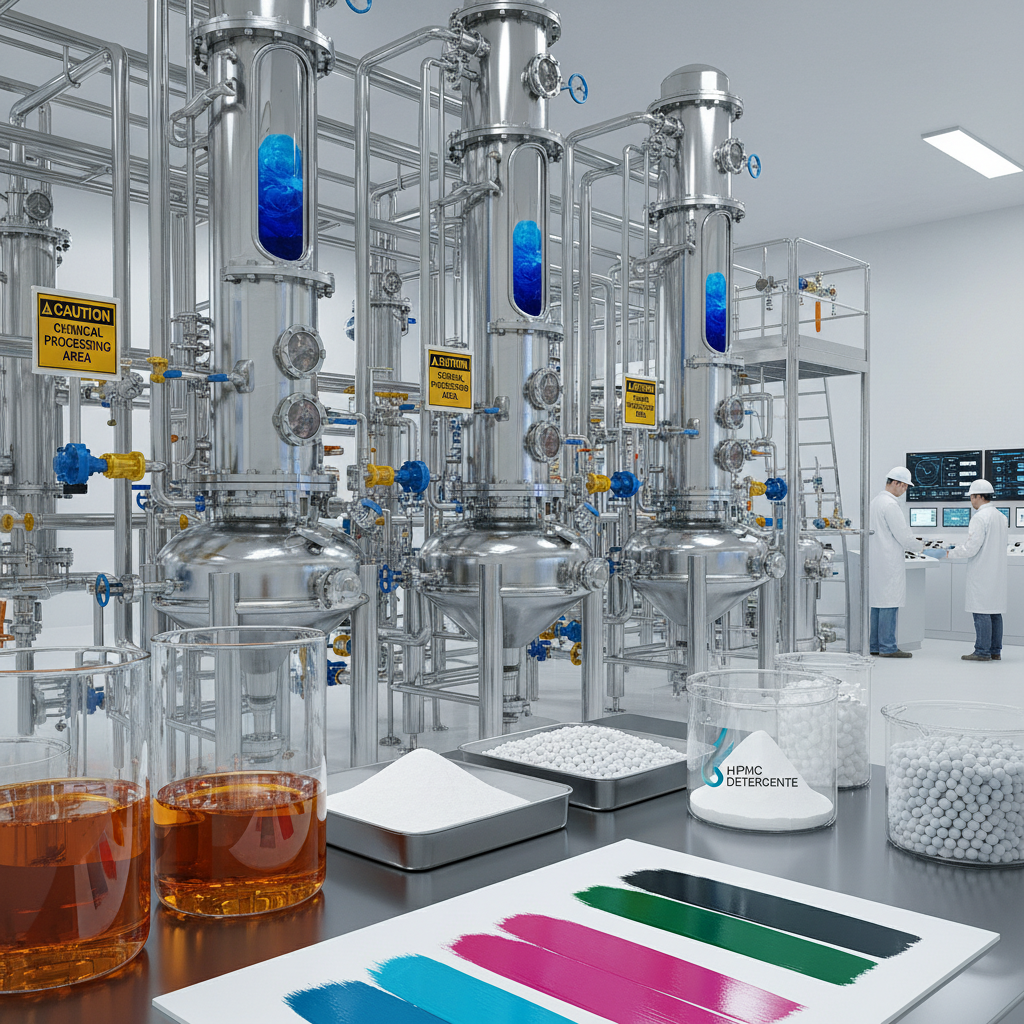
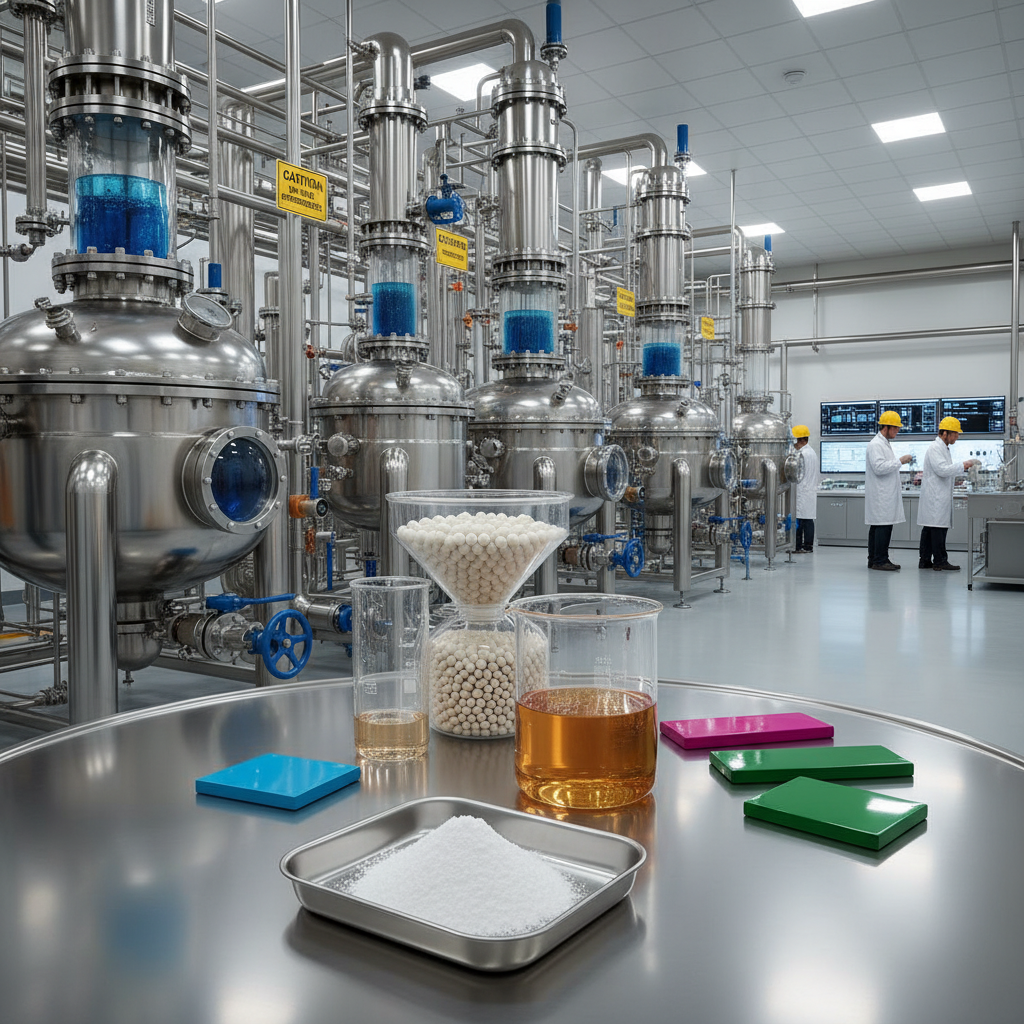
Hydroxypropyl methylcellulose (HPMC) is a versatile polymer gaining increasing prominence across a diverse range of industries globally. From pharmaceutical formulations and food processing to construction materials and personal care products, its unique properties are driving innovation and efficiency. Understanding HPMC is crucial for professionals seeking to optimize product performance, enhance sustainability, and meet evolving consumer demands in a complex, interconnected world.
The global market for HPMC is substantial and growing, projected to reach significant value in the coming years (reports indicate a multi-billion dollar market with consistent growth rates). This demand is fueled by increasing industrialization, a rising focus on health and wellness, and the need for environmentally friendly materials. HPMC addresses challenges related to product stability, controlled release, thickening, binding, and film formation – core functionalities essential across countless applications.
The escalating need for safe, effective, and sustainable ingredients has propelled HPMC into the forefront of materials science. Its biocompatibility, low toxicity, and ability to modify viscosity and texture make it an ideal alternative to traditional polymers in many instances. This surge in adoption underscores the importance of comprehending its properties and applications for researchers, manufacturers, and end-users alike.
Introduction to hpmc hydroxypropyl methylcellulose
HPMC, or hpmc hydroxypropyl methylcellulose, is a cellulose ether derivative, meaning it’s created by chemically modifying cellulose, a natural polymer found in plant cell walls. This modification enhances its solubility in water and imparts a range of valuable properties. Its primary function lies in providing thickening, binding, film-forming, and protective colloid characteristics, making it an invaluable component in diverse formulations.
The production of HPMC typically involves treating cellulose with propylene oxide and methyl chloride under controlled conditions. This process carefully regulates the degree of substitution (DS) – the number of hydroxyl groups on the cellulose molecule replaced by methyl and hydroxypropyl groups – impacting the final polymer's properties, such as viscosity, gelation temperature, and water solubility.
Defining hpmc hydroxypropyl methylcellulose
At its core, hpmc hydroxypropyl methylcellulose is a non-ionic, water-soluble polymer. Unlike some polymers that rely on ionic charges to dissolve, HPMC utilizes hydrogen bonding with water molecules. This characteristic contributes to its stability and compatibility with a wide array of other ingredients. It is often available in powder form, designed for easy dispersion in aqueous systems.
This unique polymer bridges the gap between natural resource utilization and industrial innovation. Sourced from renewable cellulose, it supports sustainable practices while delivering high-performance functionality. Its applications span critical sectors, including pharmaceuticals where it controls drug release, and construction where it improves workability and water retention in cement-based materials.
Understanding the molecular structure of HPMC is essential for predicting its behavior. The ratio of methyl and hydroxypropyl groups directly influences its properties, allowing for customization to meet specific application requirements. This tunability is a key reason for its widespread adoption across industries.
Core Properties of hpmc hydroxypropyl methylcellulose
The versatility of hpmc hydroxypropyl methylcellulose stems from its distinct physical and chemical properties. Viscosity, controlled by its molecular weight and degree of substitution, is paramount, dictating the thickening and flow characteristics of formulations. Another critical property is its thermal gelation behavior – its ability to form a gel when heated, a valuable feature in various applications.
Surface activity is another key property, allowing HPMC to act as a stabilizer in emulsions and suspensions, preventing particle aggregation and ensuring uniform distribution. Furthermore, its film-forming capabilities contribute to creating protective coatings, modifying texture, and controlling release rates. Its excellent compatibility with many other polymers and excipients further enhances its applicability.
HPMC also exhibits low toxicity and is generally recognized as safe (GRAS) by regulatory bodies worldwide. It’s chemically inert, ensuring minimal interaction with other formulation components. Moreover, its resistance to enzymatic degradation contributes to its stability in biological systems, making it ideal for pharmaceutical and food applications.
Versatility in Application: hpmc hydroxypropyl methylcellulose
The broad range of applications for hpmc hydroxypropyl methylcellulose highlights its adaptability. In the pharmaceutical industry, it serves as a binder in tablets, a coating agent for sustained release formulations, and a viscosity enhancer in liquid medications. It allows for precise control over drug delivery, improving therapeutic efficacy.
Within the food industry, HPMC acts as a thickener in sauces and desserts, a stabilizer in ice cream, and a film-forming agent for edible coatings. It can also improve texture and reduce fat content in certain foods, catering to health-conscious consumers. Its ability to maintain consistency and prevent syneresis (water separation) is highly valued.
HPMC Performance Across Different Methods
Global Applications of hpmc hydroxypropyl methylcellulose
Across the globe, diverse industries are leveraging the advantages of hpmc hydroxypropyl methylcellulose. In the construction sector, particularly in regions with challenging climates, it is incorporated into cement-based materials to improve workability, water retention, and adhesion. This is crucial for projects in arid or hot environments where rapid water evaporation can compromise structural integrity.
In Asia, particularly in countries with rapidly growing pharmaceutical industries, HPMC is extensively used in the production of generic drugs, contributing to affordable healthcare. In Europe and North America, it plays a vital role in developing innovative drug delivery systems and high-quality food products. Furthermore, in post-disaster relief operations, its use in temporary shelters and water purification systems demonstrates its humanitarian value.
Advantages and Long-Term Value of hpmc hydroxypropyl methylcellulose
The advantages of utilizing HPMC extend beyond performance. Its relatively low cost compared to other specialized polymers provides a significant economic benefit. Furthermore, its sustainable sourcing from cellulose, a renewable resource, aligns with growing environmental concerns. This contributes to a reduced carbon footprint and supports responsible manufacturing practices.
From a long-term perspective, the reliability and consistency of HPMC translate to reduced product failures and improved consumer satisfaction. Its ability to enhance product shelf life, optimize performance, and ensure safety builds trust and strengthens brand reputation. Investing in HPMC means investing in a future where innovation and sustainability go hand in hand.
Moreover, the ease of formulation and compatibility with existing manufacturing processes simplify adoption, reducing the need for costly equipment upgrades. This makes HPMC an accessible solution for businesses of all sizes seeking to improve their products and processes.
Future Trends in hpmc hydroxypropyl methylcellulose
The future of hpmc hydroxypropyl methylcellulose is closely tied to emerging trends in materials science and sustainability. Research is ongoing to develop HPMC derivatives with enhanced functionalities, such as improved biocompatibility for biomedical applications and increased thermal stability for high-temperature industrial processes.
Green chemistry initiatives are driving the development of more sustainable production methods for HPMC, reducing reliance on harsh chemicals and minimizing waste. The integration of nanotechnology to create HPMC-based nanocomposites with tailored properties represents another exciting avenue for innovation. Digital transformation in manufacturing will also play a role, enabling precise control over HPMC production and formulation.
The demand for bio-based and biodegradable polymers is expected to surge, further propelling the adoption of HPMC across a broader range of applications. Its potential to contribute to a circular economy, where materials are reused and recycled, positions it as a key ingredient in a more sustainable future.
Key Performance Indicators for HPMC Quality Control
| Viscosity Grade |
Moisture Content (%) |
Gelation Temperature (°C) |
Substituent Ratio (MS/HS) |
| 4000 cP |
|
85-90 |
2.0:0.8 |
| 15000 cP |
|
90-95 |
2.2:0.7 |
| 6000 cP |
|
80-85 |
1.9:0.9 |
| 20000 cP |
|
95-100 |
2.1:0.8 |
| 10000 cP |
|
88-93 |
2.3:0.6 |
| 3000 cP |
|
75-80 |
1.8:1.0 |
FAQS
HPMC offers several advantages in tablet formulations, including excellent binding properties for improved tablet hardness, controlled release capabilities to modify drug delivery profiles, and enhanced film-forming characteristics for coating. It is biocompatible, non-toxic, and widely accepted by regulatory agencies, contributing to safe and effective pharmaceutical products. Its solubility and ability to create a protective barrier also contribute to drug stability.
Viscosity grade is a critical factor influencing HPMC's application. Lower viscosity grades are suitable for applications requiring easy flow and spreading, such as coatings and liquid formulations. Higher viscosity grades are preferred for applications demanding thickening and gelation, like suspensions, creams, and certain adhesives. Selecting the appropriate viscosity is essential to achieve the desired texture, stability, and performance characteristics.
Yes, HPMC is generally considered environmentally friendly. It is derived from cellulose, a renewable resource obtained from plants. The manufacturing process, while involving chemical modification, is becoming increasingly sustainable with advancements in green chemistry. Furthermore, HPMC is biodegradable under certain conditions, reducing its long-term environmental impact compared to many synthetic polymers.
The ratio of methyl (MS) to hydroxypropyl (HS) groups dictates HPMC’s key characteristics. Higher MS content typically enhances film formation and moisture barrier properties. Increased HS content improves water solubility and reduces gelation temperature. Carefully controlling this ratio allows manufacturers to tailor HPMC’s properties to specific application needs, optimizing performance across a wide range of formulations.
HPMC should be stored in a cool, dry, and well-ventilated area, away from direct sunlight and moisture. It is crucial to keep the containers tightly closed to prevent absorption of atmospheric humidity, which can affect its viscosity and performance. Proper storage conditions are vital to maintain its stability and ensure consistent results in applications.
Yes, HPMC is widely used in food applications as a thickener, stabilizer, emulsifier, and film-forming agent. It’s generally recognized as safe (GRAS) by the FDA and approved for use in many countries. Regulations vary depending on the specific application and region, but typically involve limitations on usage levels and adherence to good manufacturing practices to ensure food safety and quality.
Conclusion
HPMC, or hpmc hydroxypropyl methylcellulose, stands as a remarkably versatile polymer with a profound impact across numerous industries. Its unique combination of properties – thickening, binding, film-forming, controlled release, and biocompatibility – positions it as an indispensable ingredient in pharmaceuticals, food, construction, and beyond. Understanding these attributes and their interplay is vital for optimizing product performance, enhancing sustainability, and meeting the evolving demands of a global market.
Looking ahead, continuous innovation in HPMC production and application promises to unlock even greater potential. The integration of sustainable practices, advancements in nanotechnology, and the exploration of novel derivatives will drive further growth and expand its role in shaping a more sustainable and technologically advanced future. To learn more about how HPMC can benefit your specific application, visit our website: www.youngcel.com.