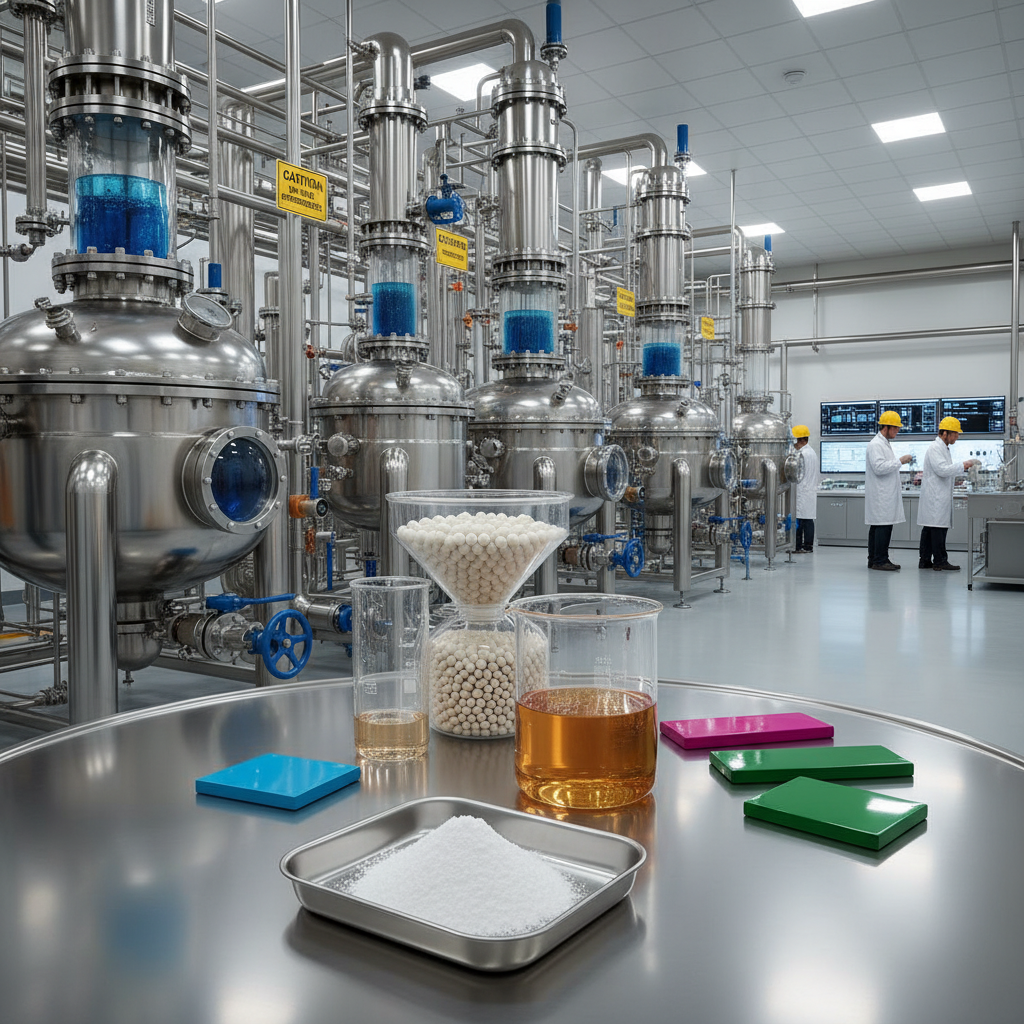
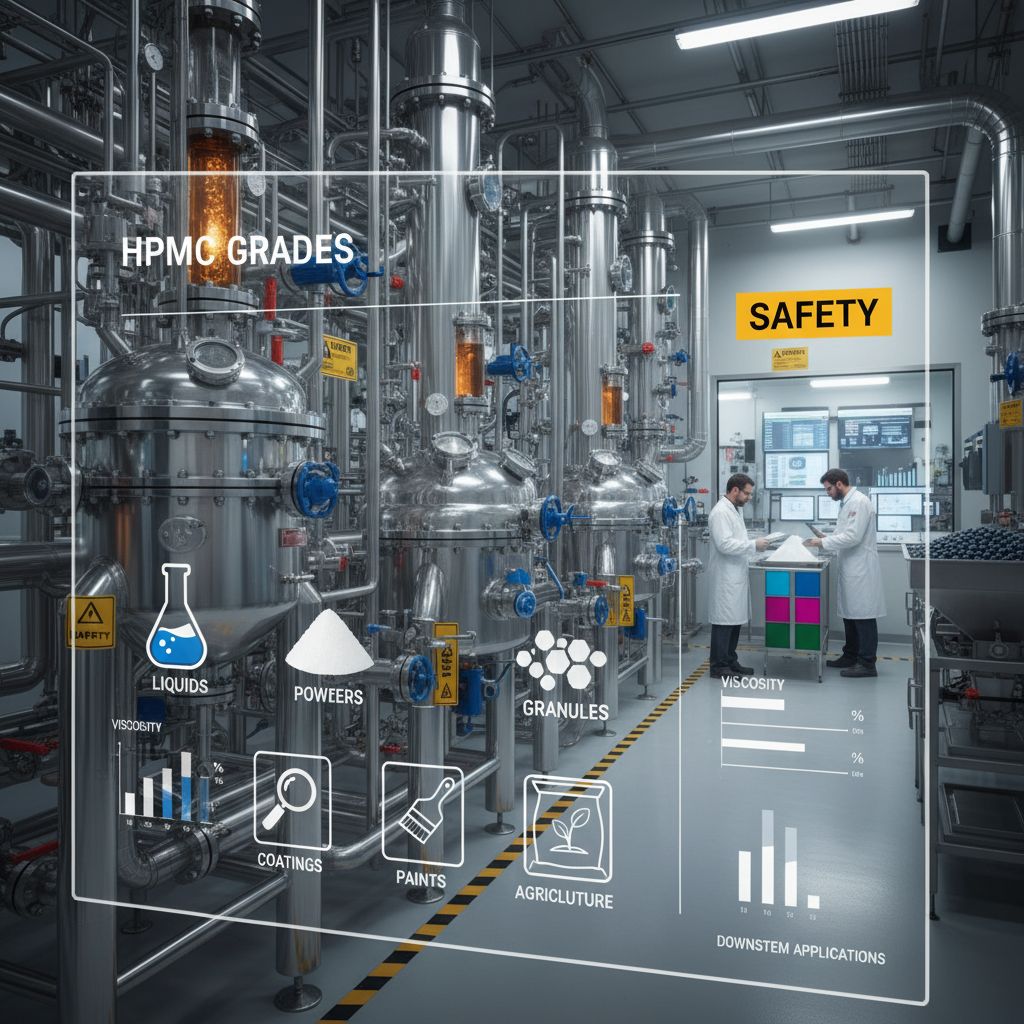
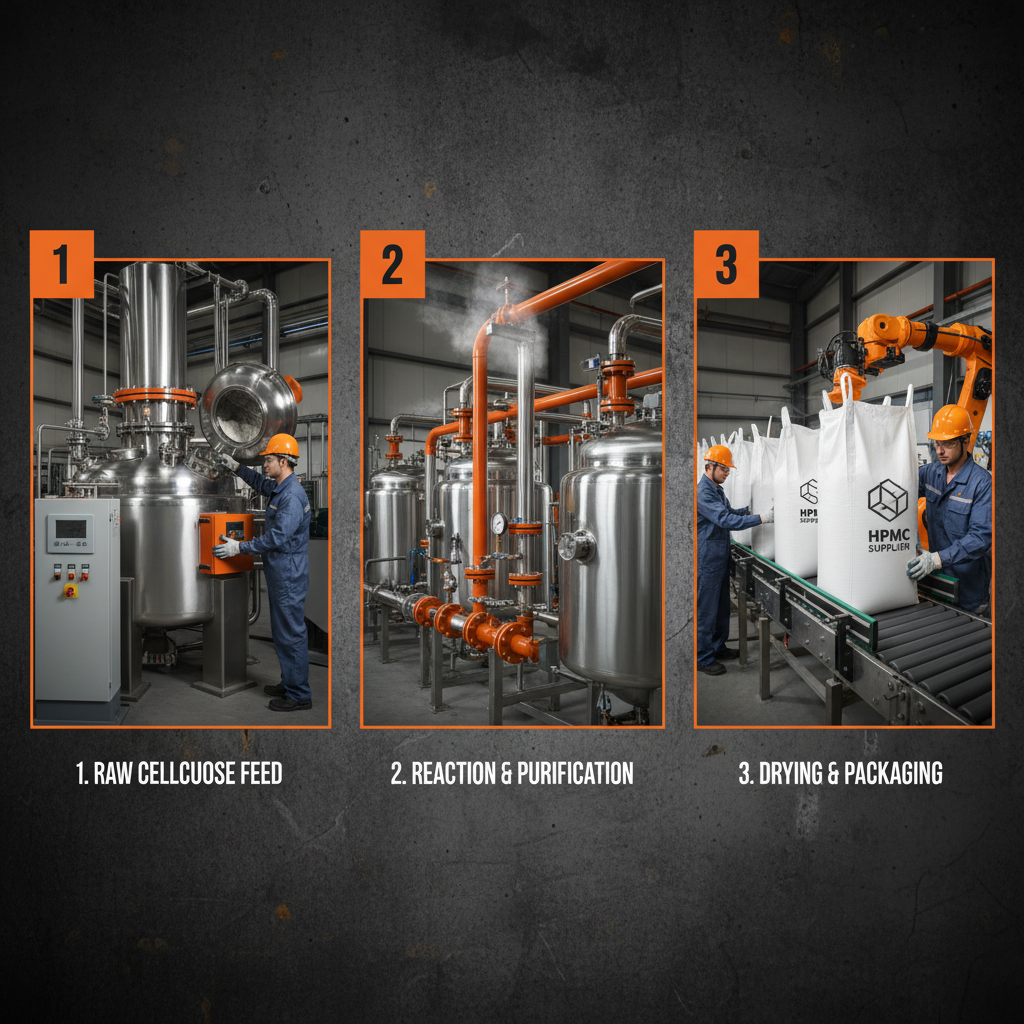
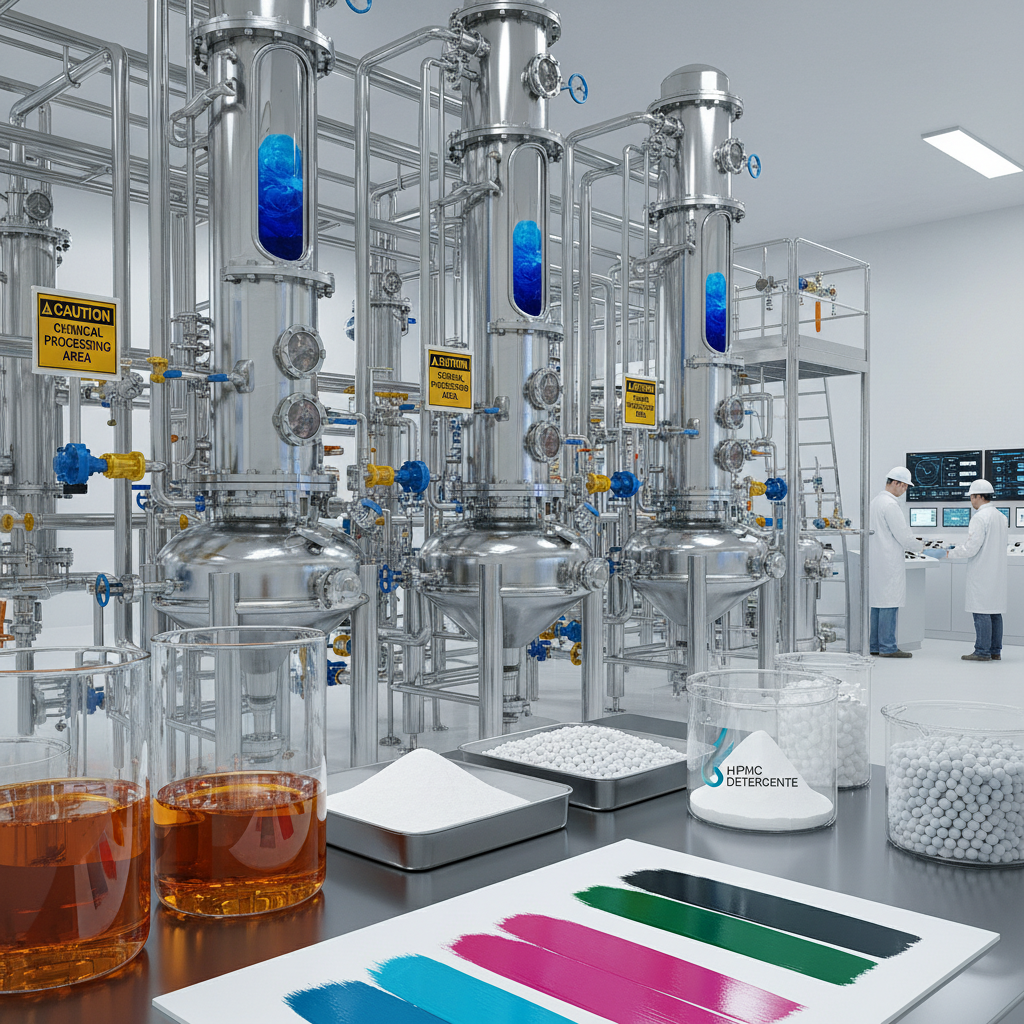
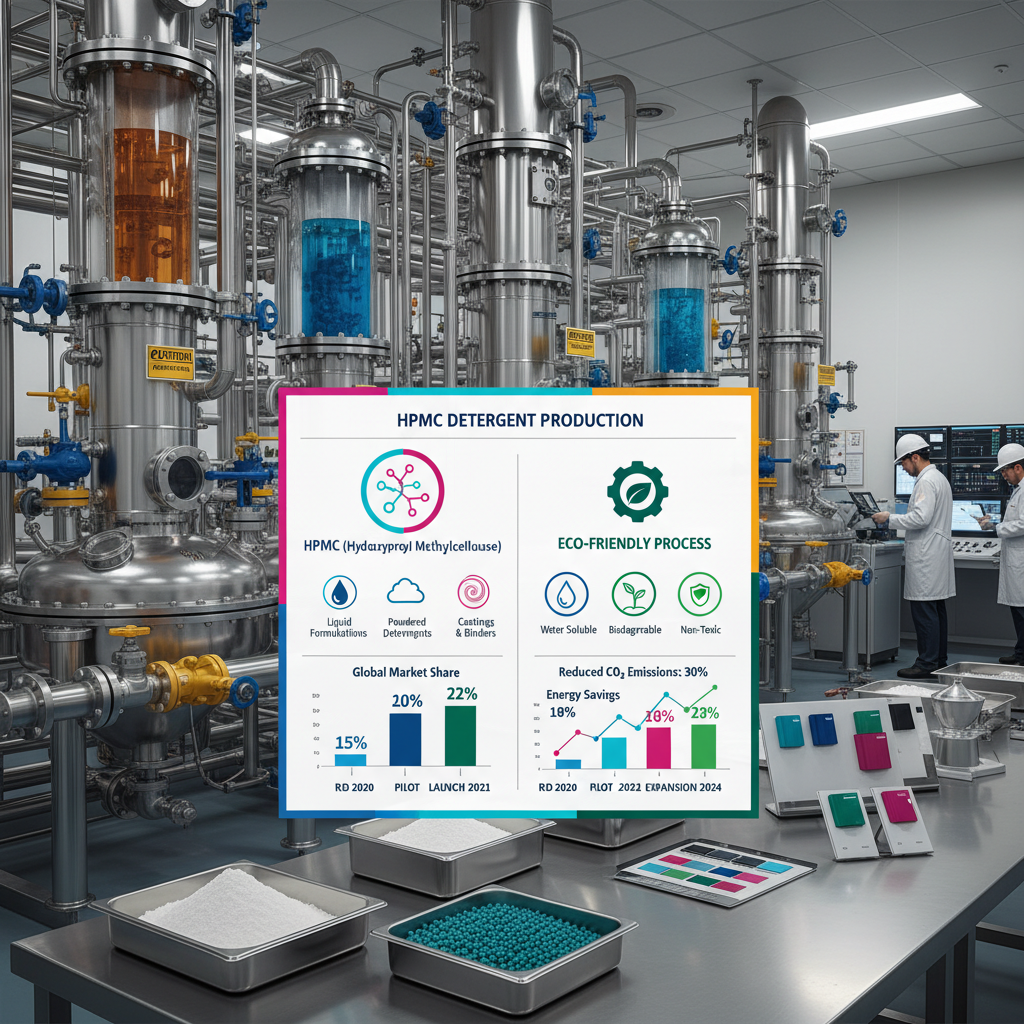
Understanding the specific hpmc grade is essential for professionals in the construction and chemical industries, as the viscosity and purity of Hydroxypropyl Methylcellulose directly dictate the performance of the final product. From improving the water retention of cement mortars to ensuring the stability of high-end detergents, selecting the correct grade transforms a standard mixture into a high-performance material.
Globally, the demand for specialized cellulose ethers has surged as urban infrastructure projects demand longer-lasting and more sustainable materials. By optimizing the hpmc grade used in tile adhesives or wall putties, manufacturers can significantly reduce cracking, improve workability, and lower overall material waste on construction sites.
This comprehensive guide explores the nuances of different HPMC classifications, helping you navigate the technical parameters and commercial trade-offs required to achieve industrial excellence. Whether you are formulating for a pharmaceutical application or a heavy-duty building material, the right grade is the key to consistency and reliability.
Global Relevance of HPMC Grade Selection
The global construction and chemical markets are currently witnessing a shift toward "smart materials," where the chemical composition of additives determines the carbon footprint and longevity of a structure. According to ISO standards for building materials, the consistency of rheology modifiers is critical; hence, the precise hpmc grade becomes the differentiator between a project that lasts fifty years and one that fails in ten due to shrinkage and poor adhesion.
In emerging economies, particularly across Southeast Asia and Africa, the challenge lies in applying these materials under extreme humidity and temperature variations. Utilizing a specific hpmc grade designed for high-temperature stability prevents premature dehydration of mortar, ensuring that infrastructure projects remain viable despite harsh environmental stressors.
Defining HPMC Grade and Industrial Meaning
In simple terms, an hpmc grade refers to the specific chemical and physical profile of Hydroxypropyl Methylcellulose, primarily categorized by its viscosity, substitution level, and purity. While HPMC is generally used as a thickener, stabilizer, and water-retention agent, the "grade" specifies whether it is intended for pharmaceutical, food, cosmetic, or construction use.
The industrial meaning of grading extends to how the polymer interacts with other ingredients. For instance, a "Construction Grade" HPMC is optimized for compatibility with cement and lime, focusing on open-time extension, whereas a "Detergent Grade" focuses on clarity and foaming stability. This specialization allows manufacturers to avoid the "one-size-fits-all" trap, which often leads to inefficiency and product failure.
From a humanitarian and modern industrial perspective, the ability to precisely control the hpmc grade enables the creation of low-cost, high-durability housing materials. By maximizing the effectiveness of a small amount of additive, NGOs and governments can build safer shelters and clinics in remote areas using locally sourced aggregates enhanced by high-grade cellulose ethers.
Key Performance Factors of Different Grades
Viscosity is perhaps the most critical factor when determining the correct hpmc grade. It defines the flow characteristics of the mixture, ensuring that a coating doesn't drip or a mortar doesn't sag. Higher viscosity grades are typically used in products requiring strong suspension, while lower viscosity options are preferred for sprayable applications.
Water retention capacity is the second pillar of hpmc grade performance. This ensures that the water in a cementitious mix isn't absorbed too quickly by the substrate, allowing for proper hydration of the cement. Without the correct grade, the resulting structure would be porous and prone to early cracking.
Beyond chemistry, cost-efficiency and scalability are vital. Industrial-scale producers look for an hpmc grade that provides a consistent result across thousands of tons of material. This reliability reduces the need for constant batch testing and minimizes the risk of costly rework in large-scale architectural projects.
Comparative Analysis of Application Efficiency
To understand the impact of selecting the right hpmc grade, one must look at the efficiency ratings across different formulation methods. Whether utilizing a high-shear mixer or a standard blending process, the grade's solubility and hydration speed determine how quickly a production line can operate.
When we compare different grades, the trade-off is usually between "workability" and "drying time." A grade optimized for high workability allows laborers more time to adjust tiles or smooth out putty, whereas a fast-setting grade is essential for rapid industrial repairs.
Performance Efficiency by HPMC Grade Type
Global Applications Across Diverse Sectors
In the realm of construction, the hpmc grade used in Tile Adhesive and Putty Powder is engineered to prevent "slip" and "sag." In regions like the Middle East, where heat is extreme, specific heat-resistant grades are employed to ensure the adhesive doesn't dry out before the tile is perfectly set.
Beyond the building site, the personal care industry relies on a high-purity hpmc grade for shampoo and soap liquids. Here, the focus shifts from water retention to rheology modification, creating a luxurious, thick texture that consumers associate with quality, while maintaining stability across a wide range of pH levels.
Long-term Value and Sustainability Benefits
Investing in a premium hpmc grade offers significant long-term economic value. By reducing the rate of material failure and cracking, building owners save millions in maintenance costs over the lifecycle of a structure. This reliability fosters trust between developers and tenants, as the structural integrity is chemically guaranteed.
From a sustainability angle, cellulose ethers are derived from natural polymers, making the right hpmc grade a greener alternative to synthetic petroleum-based thickeners. This transition supports global goals for reducing VOC (Volatile Organic Compound) emissions in interior paints and coatings.
Furthermore, the social impact is tangible; higher quality materials mean safer living conditions. When an hpmc grade ensures a more durable wall or floor in low-income housing, it provides the residents with dignity and security, proving that chemical precision has a direct human benefit.
Future Innovations in HPMC Technology
The future of hpmc grade development is leaning toward "intelligent" cellulose ethers. Researchers are exploring grades that can react to environmental triggers—such as humidity or temperature—to automatically adjust the porosity of a wall, effectively creating "breathing" buildings that regulate their own internal climate.
Digital transformation is also playing a role, with AI-driven formulation software allowing engineers to predict the exact hpmc grade required based on local weather data and raw material purity. This removes the guesswork from the mixing process and ensures a zero-waste production cycle.
As we move toward a circular economy, the development of biodegradable and fully recyclable hpmc grade variants will be paramount. The goal is to maintain the high performance of construction materials while ensuring that at the end of a building's life, the components can be returned to the earth without toxic residue.
Core Analysis of HPMC Grade Specifications and Applications
| Grade Category |
Primary Function |
Viscosity Range (mPa.s) |
Key Application |
| Building Grade |
Water Retention |
10,000 - 200,000 |
Cement Mortar / Tile Adhesive |
| Detergent Grade |
Thickening/Clarity |
5,000 - 50,000 |
Liquid Soap / Dishwash |
| Pharmaceutical Grade |
Controlled Release |
1,000 - 100,000 |
Capsules / Tablets |
| Painting Grade |
Anti-Sagging |
20,000 - 80,000 |
Latex Paint / Putty |
| Cosmetic Grade |
Emulsification |
2,000 - 20,000 |
Hand Sanitizers / Creams |
| Industrial Specialty |
Custom Stability |
Customized |
Specialty Chemicals |
FAQS
Choosing the right grade depends on your desired "open time" and the porosity of your substrate. For highly porous bricks, a higher viscosity hpmc grade is recommended to prevent the substrate from sucking water out of the mix too quickly. We suggest performing a slump test and a water-retention test with 2-3 different viscosity samples to find the optimal balance between workability and strength.
It is not recommended. While both are HPMC, a building grade is optimized for interaction with inorganic minerals like cement and may contain impurities or have a substitution level that causes cloudiness or instability in clear liquid detergents. For personal care and cleaning products, always use a detergent or cosmetic hpmc grade to ensure clarity, stability, and skin compatibility.
Viscosity itself doesn't always correlate linearly with price, but the purity requirements and the precision of the molecular weight distribution do. Pharmaceutical or high-purity cosmetic grades are more expensive due to rigorous filtration and quality control. However, using a higher-efficiency hpmc grade can actually lower your total project cost by reducing the required dosage per ton of material.
HPMC is temperature-sensitive; it typically gels at higher temperatures and dissolves in cold water. In hot climates, the wrong hpmc grade can lead to "flash setting," where the mortar hardens too quickly. We offer specialized heat-resistant grades that maintain their water-retention properties even in temperatures exceeding 40°C, ensuring consistent application in tropical regions.
Yes, HPMC is derived from cellulose, a natural polymer found in plant cell walls. Compared to synthetic polyacrylates, HPMC is biodegradable and has a lower environmental impact. By improving the lifespan of buildings and reducing material waste, the correct hpmc grade contributes significantly to sustainable construction practices and reduces the overall carbon footprint of the built environment.
The best way to verify your hpmc grade is through a Certificate of Analysis (COA) and a viscosity test using a Brookfield viscometer. You should check the viscosity at a specific concentration (e.g., 2%) and temperature. If the results deviate by more than 10% from the specification, the grade may be inconsistent. Partnering with a transparent supplier like Youngcel ensures full traceability.
Conclusion
In summary, the selection of the appropriate hpmc grade is not merely a technical detail but a strategic decision that influences the quality, durability, and cost-effectiveness of industrial products. From the macro-level of global infrastructure to the micro-level of pharmaceutical stability, the precision of cellulose ether grading allows for innovation and reliability across multiple sectors.
Looking forward, the integration of sustainable sourcing and AI-optimized formulations will further refine how we utilize HPMC. We encourage manufacturers and engineers to move away from generic additives and embrace grade-specific solutions to achieve superior performance. For professional guidance and high-quality products, visit our website: www.youngcel.com