Look, these days everyone's talking about "green" and "sustainable," right? In our line of work – shower gel, soaps, that sort of thing – it mostly translates to finding better polymers. HPMC, or hydroxypropyl methylcellulose, specifically. It's not exactly new, been around for ages, but the demand… well, it's shot through the roof. To be honest, a lot of folks just jump on the bandwagon without really knowing what they're getting into.
You see, finding the right grade of HPMC for shower gel isn’t just about checking a datasheet. It’s about feel. That’s right, feel. I encountered this at a factory in Zhejiang province last time, beautiful setup, but the HPMC they were using… gritty. Just a slightly off viscosity, and suddenly your luxurious shower gel feels like you’re scrubbing with sand. And that scent… some of the cheaper stuff has this… musty smell. Not ideal for a product designed to make you feel clean.
The biggest problem I see is people getting hung up on the numbers and forgetting about real-world application. They want a high viscosity, thinking it'll make a thicker gel, but often it just makes it impossible to pump out of the bottle. Strangely enough, sometimes a lower viscosity grade, with the right blend of other ingredients, gives you a better product.
The Rising Demand for HPMC in Shower Gel Production
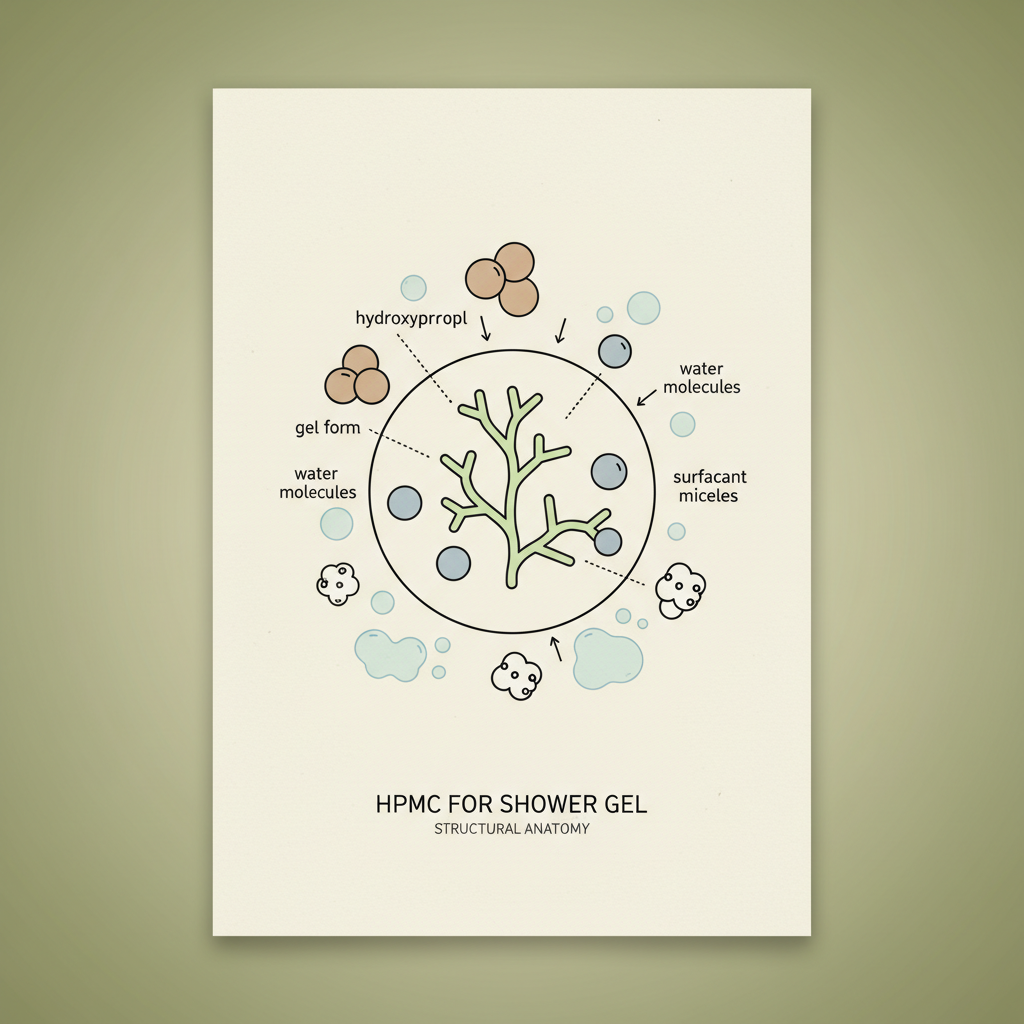
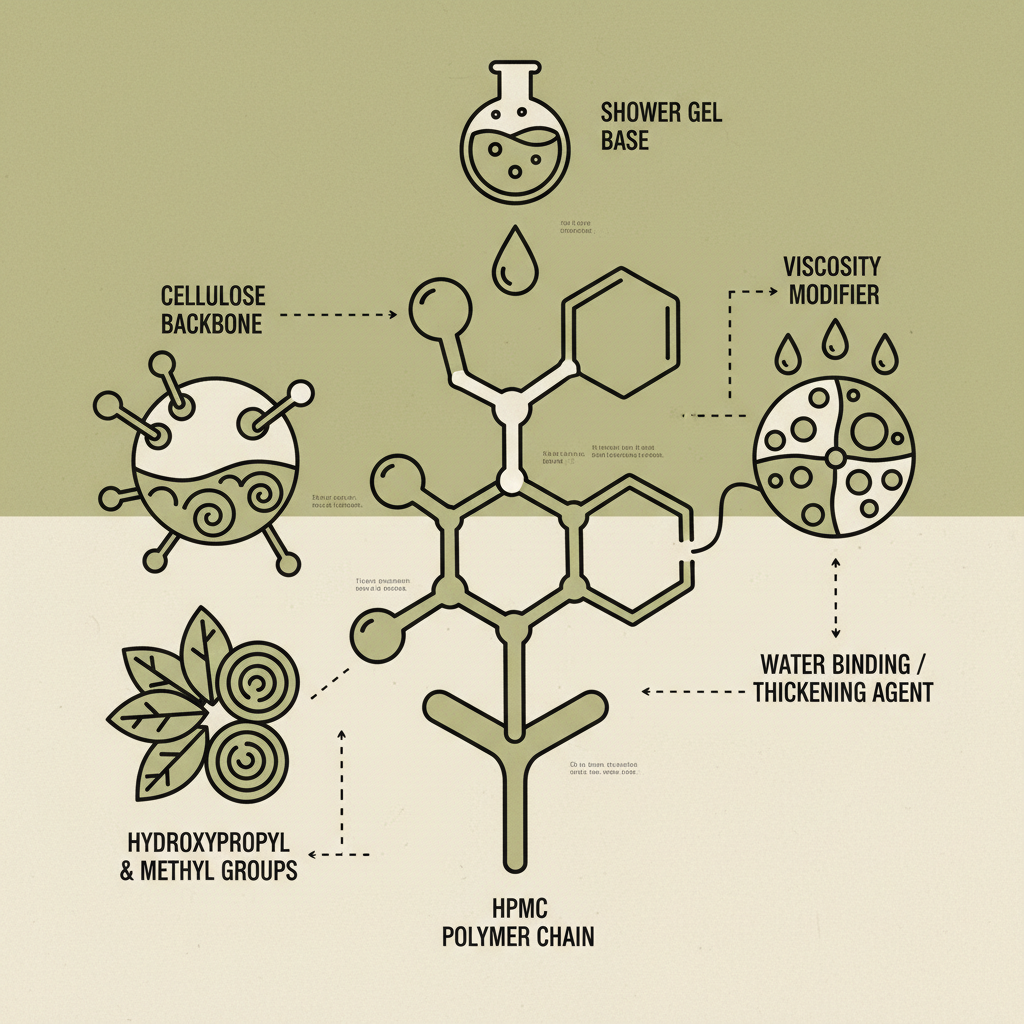
Honestly, it's all about replacing those harsh chemicals. Consumers are reading labels, you know? They want products that feel better on their skin, and frankly, HPMC is a good step in that direction. It's a cellulose derivative, so it's plant-based, biodegradable... all the buzzwords. But it's not a magic bullet. It needs to be paired with the right surfactants, emollients, and preservatives.
And that’s where things get complicated. You’ve got different molecular weights, different degrees of substitution, different particle sizes… each one affecting the final product’s texture and stability. It’s a balancing act.
Decoding HPMC Grades and Viscosity
Have you noticed how everyone talks about viscosity? It’s not just about making a thick gel. It’s about shear thinning. You want a gel that’s thick in the bottle, but flows easily when you squeeze it out. That’s where understanding the different HPMC grades comes in. Lower viscosity grades are generally shear thinning, higher viscosity grades are… well, thick. Period. Finding the sweet spot depends on the other ingredients in your formula.
And it’s not just the HPMC itself. Particle size matters, too. Finer particles dissolve faster and create a more homogenous gel. Coarser particles can leave a slightly gritty feel. We’ve seen it happen.
Then there's the blooming factor. HPMC absorbs water, which can affect the overall volume of your formulation. It's not a huge issue, but something to keep in mind, especially if you're filling bottles automatically.
Material Characteristics: Beyond the Datasheet
You can look at a datasheet all day, but it won't tell you what the HPMC feels like. Some suppliers send samples that are almost like flour – super fine and easy to disperse. Others are clumpy and require a lot of agitation to dissolve properly. It affects your processing time, your energy consumption… it all adds up.
The smell is important, too. Like I said, some of the cheaper stuff has a musty odor. It’s a sign of improper storage or poor quality raw materials. You don't want that transferring to your shower gel. I always recommend checking the odor before you buy in bulk. And don’t be afraid to ask your supplier about their quality control procedures.
Then there’s handling. Some HPMCs are really dusty, create a mess everywhere. Others are less prone to dusting. It seems like a small thing, but it impacts worker safety and cleanup costs. Anyway, I think a lot of people overlook these practical considerations.
Real-World Testing & Performance
Lab tests are important, sure. Viscosity measurements, pH testing, stability studies… but they don’t tell the whole story. I prefer to see how the HPMC performs in a real shower gel formulation, under real-world conditions. We do a simple pump test: how many times can you pump the gel out of the bottle before it starts to clog? We check for separation over time – does the gel stay homogenous, or does it split into layers?
Then there's the "feel" test. I get a bunch of people to try the gel and give me their honest feedback. Is it smooth? Is it creamy? Is it too thick? Too thin? It’s subjective, I know, but it’s valuable data. Later… forget it, I won't mention the sensory panel that complained about the slight floral scent.
HPMC for Shower Gel Performance Metrics
User Experience: How Shower Gel is Actually Used
People don't use shower gel the way we think they do. They squeeze it onto a loofah, rub it around, rinse it off. Sometimes they leave it on for a few seconds, sometimes they rinse immediately. They drop it on the floor, they get it in their eyes… you gotta account for all that. That’s why a self-preserving system, even with HPMC, is so important.
And let’s be real, most people don’t care about the chemical composition of their shower gel. They care about whether it makes them feel clean and smell good. That’s the bottom line.
Advantages, Disadvantages, and Customization
The advantages are pretty clear: it’s plant-based, biodegradable, gives a good texture, and is relatively inexpensive. The disadvantages? It can be tricky to work with, requires careful formulation, and can be susceptible to microbial contamination if not properly preserved.
But here’s where it gets interesting: customization. We worked with a client last year who wanted a shower gel specifically for athletes. They needed something that would lather really well, even with hard water. So we tweaked the HPMC grade, added a bit of betaine, and created a formula that performed beautifully. It’s all about understanding the ingredients and how they interact.
A Customer Case Study: The Debacle
Last month, that small boss in Shenzhen who makes smart home devices insisted on changing the interface to on everything, even the packaging for his new organic shower gel. He said it was “future-proof.” Turns out, the dispensers he sourced were unreliable, leaked all over the place, and the HPMC gel couldn't handle the increased shear stress. Cost him a fortune in recalls. The whole thing was a mess.
He learned a valuable lesson that day: sometimes, sticking with what works is the best option. And in this case, a standard pump dispenser with a properly formulated HPMC gel would have saved him a lot of headaches.
It just goes to show you, even with all the fancy technology, sometimes the simplest solutions are the best.
Summary of Key HPMC Considerations for Shower Gel Formulation
| Grade Selection |
Particle Size |
Compatibility |
Preservation Needs |
| Viscosity control, shear thinning properties. |
Impacts dispersion, texture, and clarity. |
Surfactants, emollients, preservatives. |
Essential due to HPMC’s water absorption. |
| Low viscosity for easy pumping; high for thick gels. |
Finer particles offer quicker dissolution. |
Avoid harsh chemicals that degrade HPMC. |
Broad-spectrum preservatives are highly recommended. |
| Optimize based on desired product feel. |
Consider filtration for optimal clarity. |
Test compatibility with all ingredients. |
Regular microbial testing is crucial. |
| Impacts pump performance and user experience. |
Affects gel stability and shelf life. |
Consider ingredient interactions. |
Monitor pH levels for optimal preservation. |
| Tailor to specific skin types and needs. |
Affects transparency and aesthetic appeal. |
Essential oil interactions should be evaluated. |
Challenge testing is a best practice. |
| Adjust for regional water hardness variations. |
Contributes to overall product stability. |
Prioritize ingredient synergy. |
Maintain a robust quality control system. |
FAQS
Honestly, it's not understanding the grade. They just grab the cheapest HPMC they can find, without considering the viscosity, particle size, or degree of substitution. It's like trying to build a house with the wrong kind of wood. You might get something that looks like a house, but it won't stand up to much. The result is often a gel that’s either too thin, too thick, or separates over time. Careful selection is crucial.
Massively important! HPMC is sensitive to water hardness and impurities. Hard water can affect its solubility and viscosity. Impurities can lead to instability and even microbial growth. Always use deionized or distilled water for best results. Believe me, I’ve seen formulations completely ruined by tap water. It's a hassle, but it’s worth it.
Absolutely. In fact, it’s almost essential for sulfate-free formulations. Sulfates contribute a lot to viscosity and foam. Without them, you need something else to provide those properties, and HPMC is a great option. You might need to adjust the concentration to get the desired texture and foam level, but it's definitely achievable. Just remember to balance it with other thickening agents and foam boosters.
That depends on a lot of factors – the preservative system, the pH, the packaging, and storage conditions. But generally, a well-formulated and properly preserved HPMC-based shower gel should have a shelf life of at least 18-24 months. Regular microbial testing is key to ensure it stays stable throughout its shelf life. And don’t forget to check for separation or changes in viscosity.
It can be, but it requires careful selection of the HPMC grade and processing conditions. Some grades can cause haziness, while others are more transparent. Using a finer particle size and proper filtration can help improve clarity. It’s not always easy to achieve a perfectly clear gel with HPMC, but it’s possible with the right approach.
Temperature can definitely affect viscosity and stability. High temperatures can cause HPMC to degrade, leading to a loss of viscosity and potential microbial growth. Low temperatures can cause it to gel too much, making it difficult to pump. It's important to store your shower gel at a consistent temperature, and to avoid exposing it to extreme heat or cold.
Conclusion
So, there you have it. HPMC for shower gel isn’t just about slapping a polymer into a formula. It's about understanding its nuances, considering the whole system, and accounting for real-world use. It’s about feel, stability, compatibility, and a whole lot of trial and error. You can get lost in the specs and charts, but ultimately...
Ultimately, whether this thing works or not, the worker will know the moment he tightens the screw. If the gel pumps smoothly, feels good on the skin, and stays stable over time, you've done your job right. And if it doesn't? Well, back to the drawing board. Check out our range of HPMC grades and formulations at Youngcel – we’re here to help you get it right.