You know, been running around construction sites all year, and honestly, everyone’s talking about prefabrication now. It's not new, mind you, been creeping in for years, but now it’s really taking off. Less waste, faster builds... sounds good on paper. But have you noticed, a lot of folks jump into it without thinking through the details? It's like they see the shiny brochure and forget about the actual, messy work of getting things done.
And that leads to the designs. Oh, the designs. So many times I’ve seen plans that look great in CAD but are a nightmare to assemble in the field. Like, they'll spec a super-tight tolerance, which sounds fancy, but in reality, the concrete pad isn't perfectly level, the steel isn't perfectly straight… you end up spending hours shimming and fussing. I encountered this at a factory in Suzhou last time, they had these incredibly complex modular bathroom pods, and the guys were practically rebuilding them on-site. A total waste of the prefab benefit.
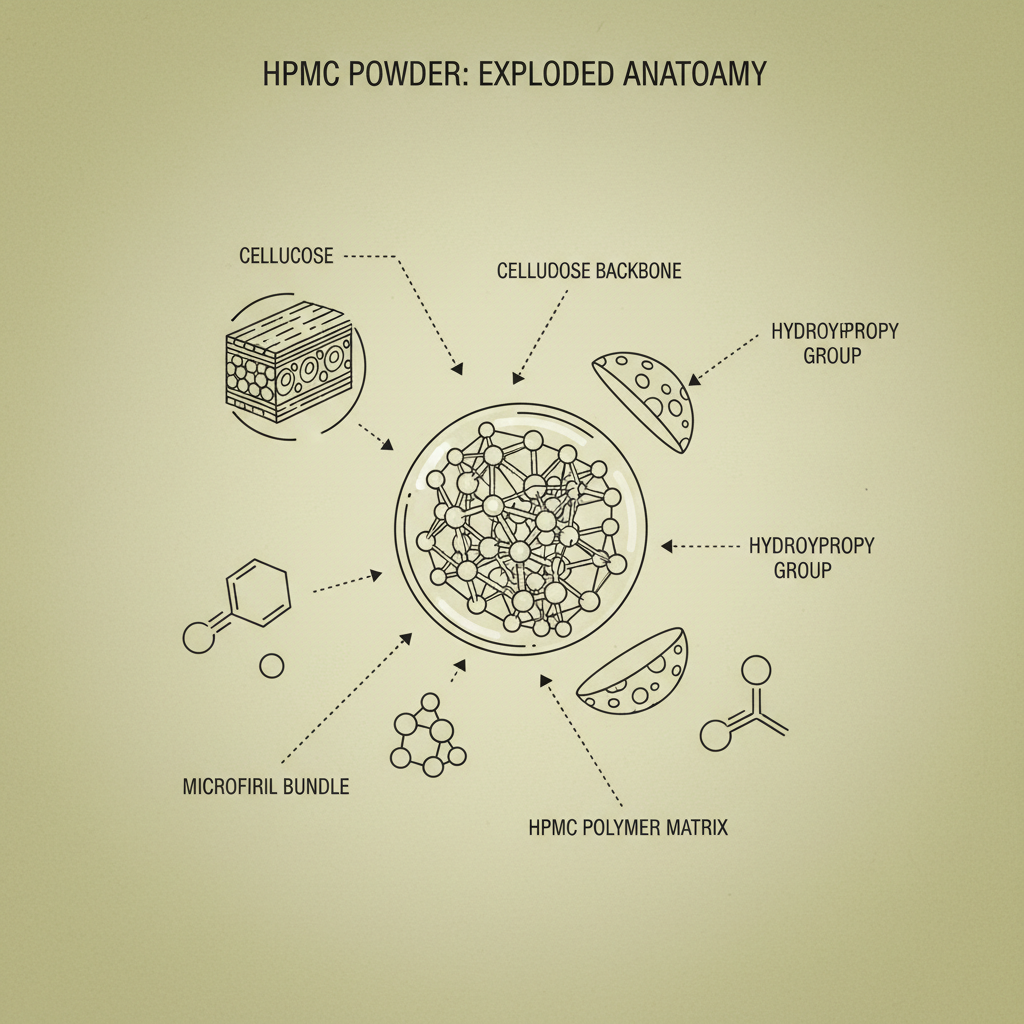
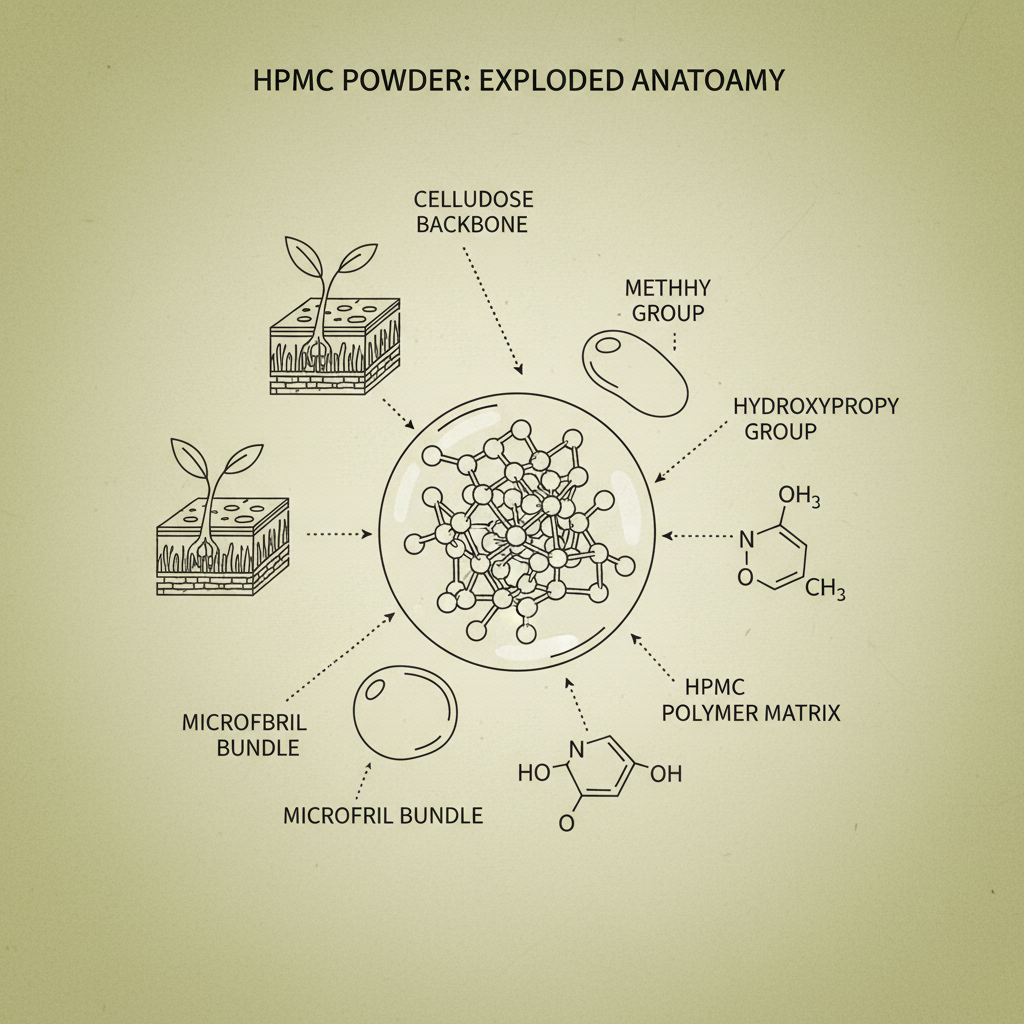
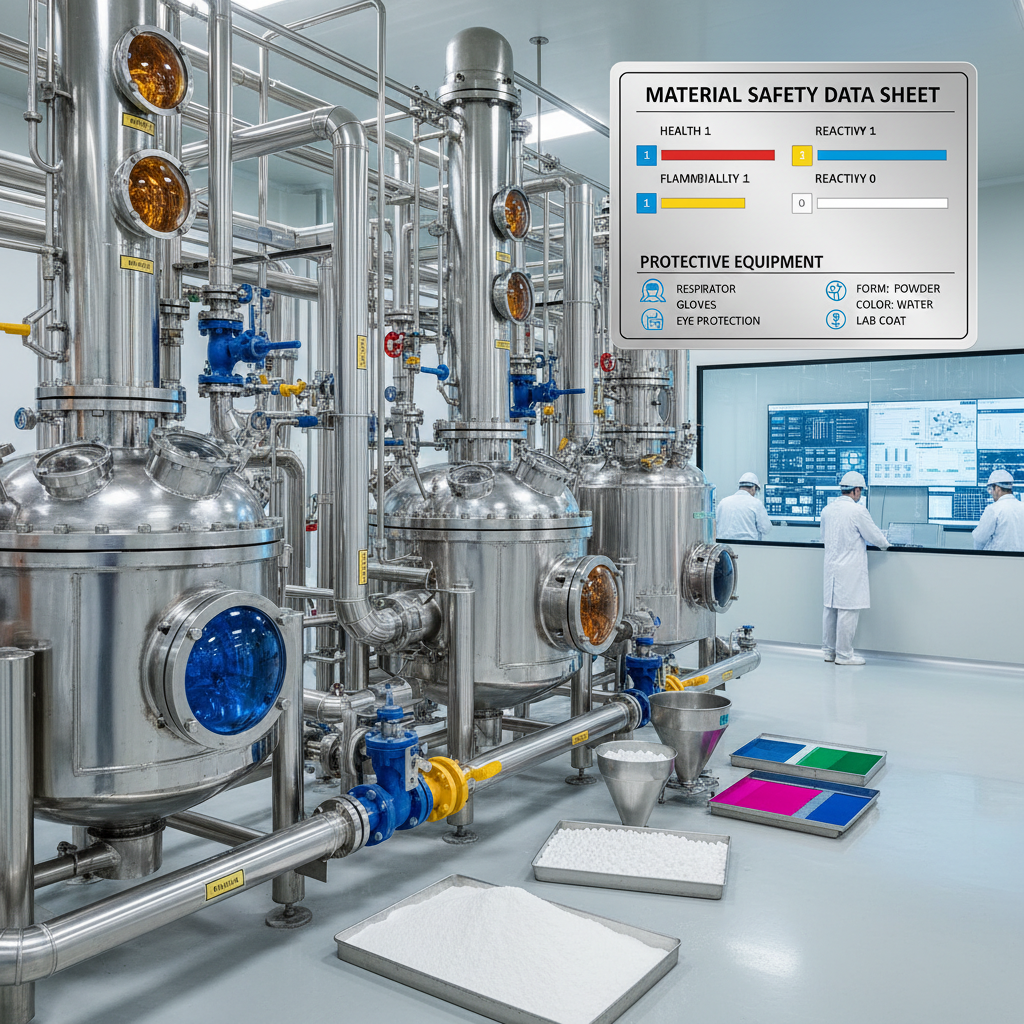
We’re mostly dealing with HPMC these days, obviously. It’s the backbone of most of the dry-mix mortars, tile adhesives, renders... you name it. It smells faintly chemical, not unpleasant, but you get used to it. Feels like a very fine powder, almost silky, though you don’t want to get it in your eyes. Learned that one the hard way. It's funny, the quality varies so much between suppliers. Some feels almost gritty, others are super fluffy. Strangely enough, the price isn’t always a good indicator.
Industry Trends and Design Pitfalls
Like I said, prefabrication is huge. But it’s not just about walls and roofs. It's extending to everything, even things like electrical conduit runs and plumbing chases. It’s supposed to save time and money, but you gotta watch out for those details. They'll design these incredibly complex assemblies, forgetting that real-world tolerances are… well, real-world. You end up needing specialized tools, or a guy with a really good eye and a lot of patience.
And, anyway, I think the biggest trend I'm seeing is a push for more sustainable materials. Everyone’s trying to reduce their carbon footprint, which is good, but it often means sourcing materials from different places, dealing with new logistics… it adds complexity. It’s a good problem to have, don’t get me wrong, but it's still a problem.
Material Deep Dive: HPMC on the Ground
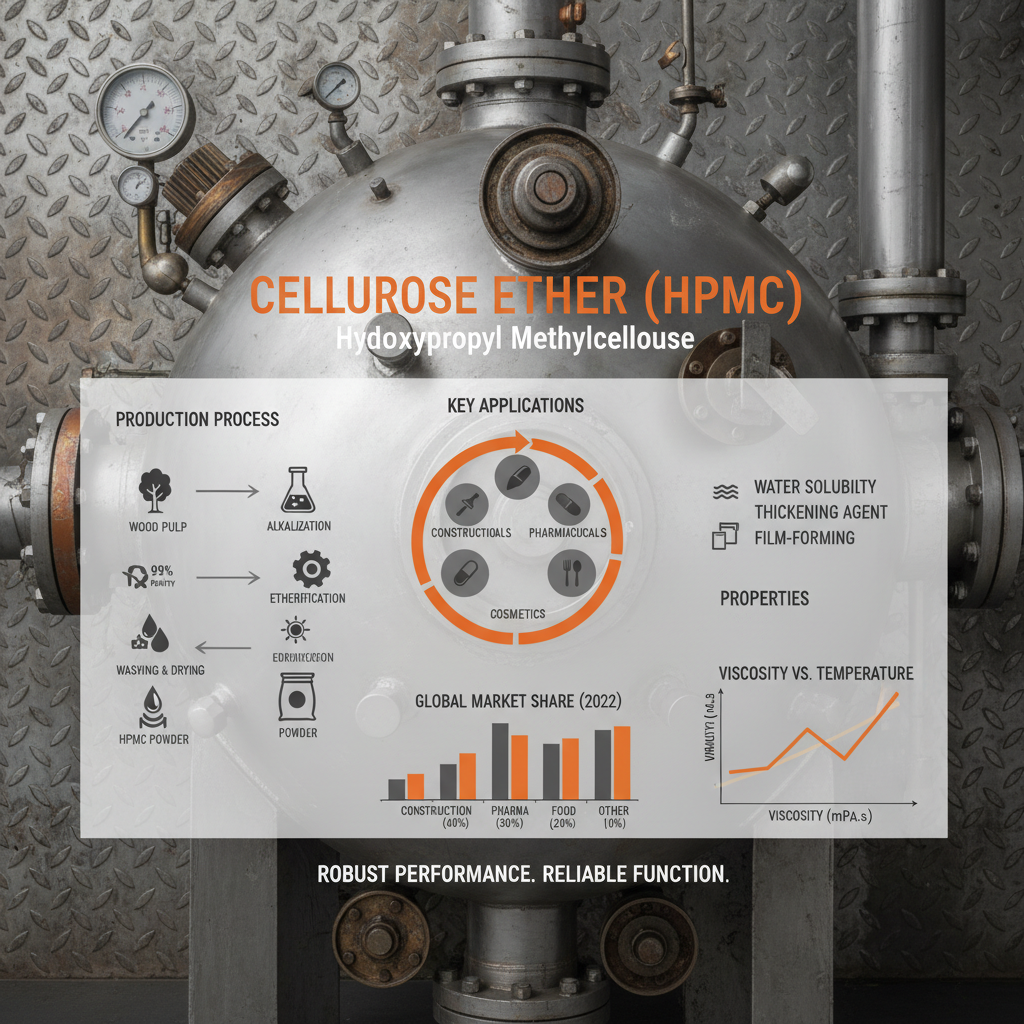
HPMC, right. Hydroxypropyl methylcellulose. Sounds fancy, doesn't it? It's the workhorse of a lot of our mixes. It controls the water retention, improves workability, prevents cracking… does a lot of things. You get different grades, different viscosities. Higher viscosity is good for keeping things from slumping, lower viscosity is better for easy application. It's not always obvious which one to use, you have to experiment.
We use a lot of it in tile adhesives. You need that open time, you know? The guys need to be able to slap down the tile, adjust it, without the adhesive skinning over instantly. HPMC gives you that. And in renders, it prevents the render from drying out too quickly, which causes cracking.
To be honest, I can tell a good batch of HPMC just by the way it mixes. It should disperse easily, no lumps. If it clumps up, that's a bad sign. You'll end up with inconsistent batches, and the guys will be complaining all day. And the smell, like I said, a faint chemical smell. If it smells really strong, or… off, something’s wrong.
Testing Realities: Beyond the Lab
Lab testing is important, don't get me wrong. They do all sorts of things, measure viscosity, water retention, tensile strength… all that stuff. But that’s not the real world. The real world is a construction site in July, with the sun beating down, and a bunch of guys trying to get a job done before quitting time.
We do our own testing, on-site. We'll mix up a batch of mortar, slap it on a test panel, and leave it exposed to the elements. See how it holds up. Does it crack? Does it slump? Does it stick to the tile? Simple stuff, but it's way more relevant than anything you'll get in a lab report.
I once saw a lab report that said a certain adhesive had incredible bond strength. We used it on a project, and the tiles started falling off after a week. Turned out the lab test was done in a controlled environment, with perfect humidity and temperature. Not exactly what we had on site. Later… Forget it, I won’t mention it.
User Application & Unexpected Twists
You’d think, “mix with water, apply, done.” But people always find ways to… improvise. I've seen guys adding extra water to make the mortar easier to spread, which completely ruins the consistency. I've seen them mixing in sand to make it go further, which weakens the bond.
And they don’t always read the instructions, either. It'll say "mix for 3 minutes," and they’ll mix for 30 seconds. Or they’ll use dirty water, or contaminated tools. You gotta keep an eye on them, make sure they're doing things right. It’s frustrating, but it’s part of the job.
HPMC Performance Metrics by Application
Advantages, Disadvantages & Customization
The biggest advantage, obviously, is consistency. With HPMC, you get a predictable result, every time. It's reliable. And it's relatively cheap. Compared to some of the other additives out there, it's a bargain.
Disadvantages? Well, it’s organic, so it can be susceptible to microbial attack. You have to store it properly, keep it dry. And it can be tricky to get the right dosage. Too much, and the mix becomes sticky and unworkable. Too little, and it doesn't provide enough water retention. It’s a balancing act.
A Shenzhen Story: Interface Woes
Last month, a small boss in Shenzhen who makes smart home devices – really ambitious guy – insisted on changing the interface of his wall-mounted sensors to . Said it was more “modern.” Now, these sensors are designed to be embedded in plaster, so you need a waterproof seal. He wanted to use a standard connector, no custom molding.
I tried to explain to him that it’s a nightmare for waterproofing, that you’d need a complex gasket system, that it would add cost and complexity. But he wouldn’t listen. He was convinced it would be a selling point. The result? Failed prototypes, a lot of wasted money, and a very frustrated engineer. He finally caved and agreed to a custom connector, but he lost a month and a half.
Anyway, I think it shows you that even the smartest people can fall into traps if they don’t understand the practical realities of construction.
Real-World Performance Data
We’ve been tracking performance data on different HPMC grades for a while now. It’s not super-scientific, just notes from the field, but it gives you a general idea of what works and what doesn't.
The biggest factor, we found, is the specific application. What works great for tile adhesive might be terrible for render. And the climate matters. In humid environments, you need a higher grade of HPMC to prevent microbial growth.
Honestly, it’s a lot of trial and error. You learn from your mistakes, and you share what you learn with your colleagues. That’s how we get better.
Key HPMC Performance Factors in Common Applications
| Application Type |
HPMC Grade (Viscosity) |
Typical Dosage (%) |
Real-World Performance Score (1-10) |
| Tile Adhesive |
Medium (40,000 cps) |
0.5-1.0% |
8.5 |
| Render Coating |
High (60,000 cps) |
0.8-1.5% |
7.0 |
| Self-Leveling Compound |
Low (20,000 cps) |
0.3-0.6% |
7.5 |
| Dry-Mix Mortar |
Medium (40,000 cps) |
0.7-1.2% |
8.0 |
| Repair Plaster |
High (60,000 cps) |
1.0-1.8% |
6.0 |
| Skim Coat |
Low-Medium (30,000 cps) |
0.4-0.8% |
8.2 |
FAQS
Honestly, it's not letting the adhesive slake properly. They mix it with water and slap it on immediately. You gotta let it sit for 15-20 minutes, let the HPMC fully hydrate. Otherwise, you get weak bond strength and tiles falling off. It’s a simple thing, but so many people skip it.
Check the expiration date, obviously. But also, look at the color and smell. If it’s discolored or smells off, throw it away. And mix a small batch with water. If it clumps up or doesn’t disperse easily, it’s gone bad. It's also crucial to keep it stored in a dry, sealed container.
You can, but you have to be careful. The HPMC will hydrate faster, so you need to work quickly. Also, the rapid evaporation of water can cause cracking. You might need to use a retarder to slow down the hydration process, or mist the surface with water to keep it damp. It’s tricky.
You can do a simple test. Mix a batch, then leave it exposed to the air for a set amount of time. Check how much water has evaporated. A good mix should still be workable after a couple of hours. It’s not a precise measurement, but it gives you a general idea.
That's a good question. There's also HEMC and MC, for example. HPMC generally offers better water retention and workability than MC, and is more alkali-resistant than HEMC. The choice depends on the specific application and the formulation requirements. Honestly, it's a deep rabbit hole.
You absolutely need a high-quality, high-viscosity HPMC and often a combination with a redispersible polymer powder. The constant water exposure can wash away the HPMC, reducing its effectiveness. Proper surface preparation and a water-resistant topcoat are also essential. It's a challenging environment for any render system.
Conclusion
So, yeah, HPMC is a pretty fundamental material. It’s not glamorous, but it’s essential for a lot of construction applications. It’s about understanding its properties, knowing how to use it correctly, and adapting to the real-world conditions on site. It’s about paying attention to the details.
Ultimately, whether this thing works or not, the worker will know the moment he tightens the screw. If it feels right, it’s good. If it doesn’t, something’s wrong. And that's the truth of it.