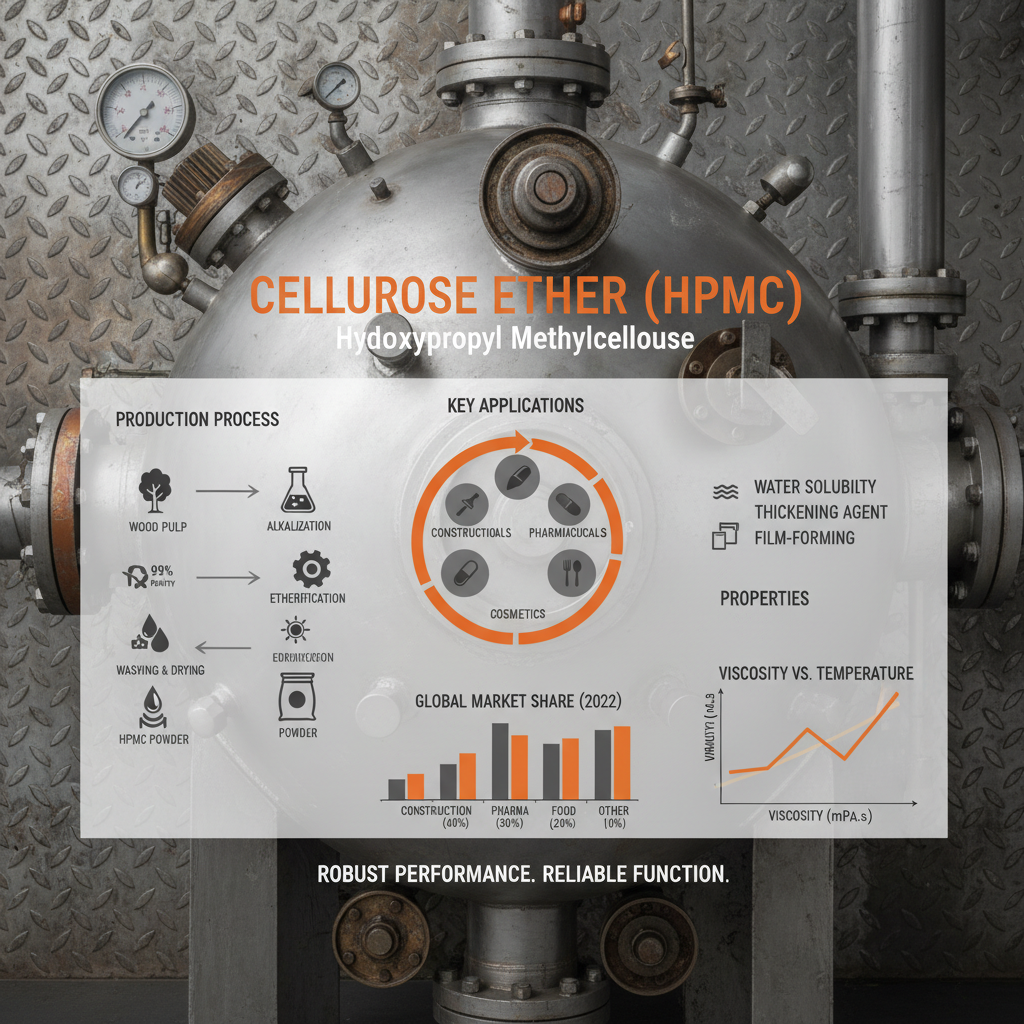
Cellulosa esther (HPMC) is a versatile polymer widely utilized across diverse industries, from pharmaceuticals and food to construction and personal care. Its unique properties—including water solubility, thickening, film-forming capabilities, and thermal gelation—make it an indispensable ingredient in numerous applications. Understanding cellulosa esther (hpmc) is crucial for innovation and efficiency gains in these sectors, driving advancements in product quality and sustainability.
The global demand for cellulosa esther (hpmc) is steadily increasing, fuelled by factors such as a growing population, rising health awareness, and the expansion of processed food and pharmaceutical industries. According to market research reports, the global HPMC market is projected to reach substantial figures in the coming years. This growth presents both opportunities and challenges for manufacturers and consumers alike, necessitating a comprehensive understanding of its properties, applications, and sustainability aspects.
Cellulosa esther (hpmc) plays a vital role in addressing challenges related to product stability, controlled release, and enhanced performance. From improving the texture of food products to enabling the precise delivery of medications, its functionalities contribute significantly to enhancing the quality of life and driving industrial progress.
The Core Principles of cellulosa esther (hpmc)
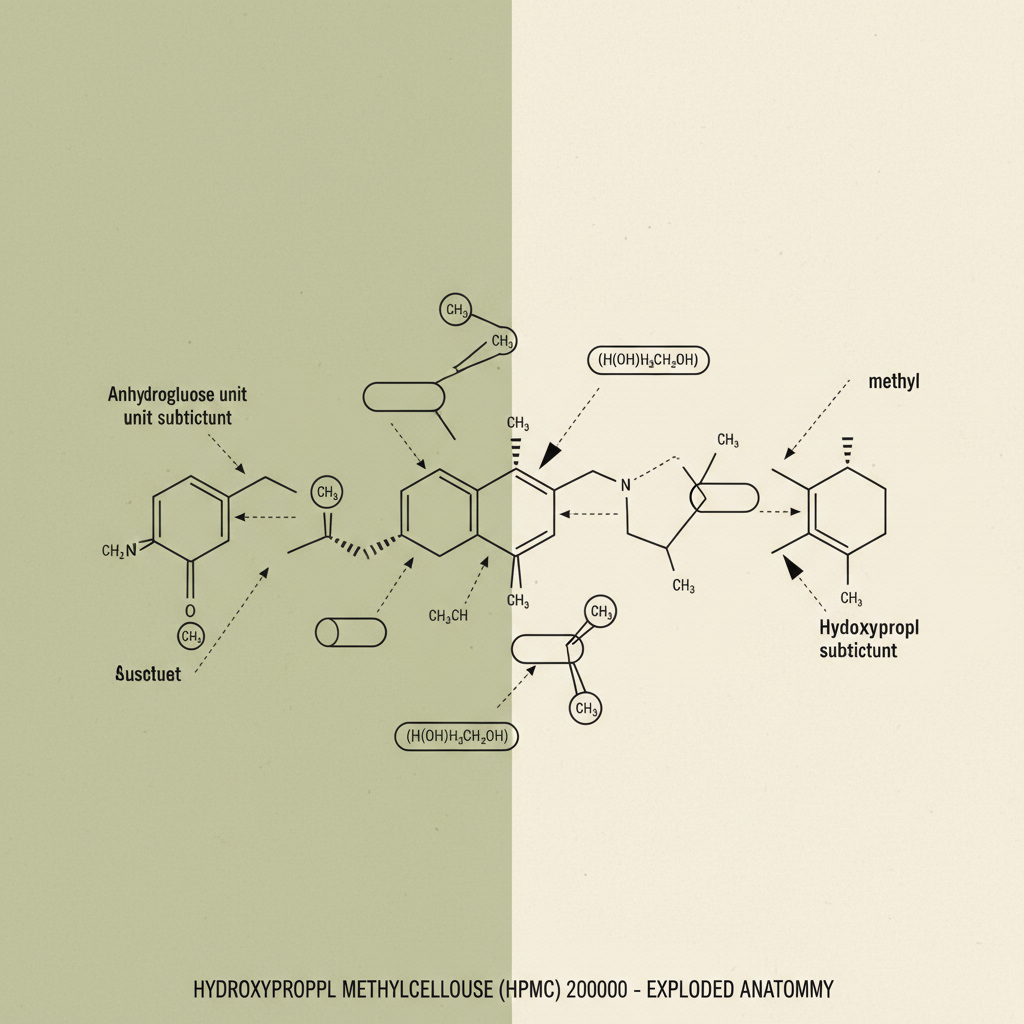
Cellulosa esther (hpmc) is a cellulose derivative created through chemical modification of natural cellulose. This process introduces methoxy and hydroxypropyl groups onto the cellulose backbone, altering its physical and chemical properties. The degree of substitution—the number of these groups added—determines the specific characteristics of the resulting HPMC grade, influencing its viscosity, gelation temperature, and solubility.
The fundamental principles behind cellulosa esther (hpmc)’s functionality lie in its ability to interact with water, forming solutions with varying degrees of viscosity depending on concentration and grade. This interaction also leads to thermal gelation, where the solution transitions from a liquid to a gel upon heating, a property exploited in many applications.
The Global Landscape of cellulosa esther (hpmc) Production
The production of cellulosa esther (hpmc) is currently dominated by a handful of key players, primarily located in China, India, and Japan. China holds the largest market share, driven by its substantial cellulose resources and competitive manufacturing costs. However, increasing environmental regulations and a focus on sustainable production practices are prompting manufacturers worldwide to adopt greener technologies.
Global trade in cellulosa esther (hpmc) is significant, with major importing regions including North America, Europe, and Southeast Asia. The demand is driven by the diverse applications of the polymer across various industries. Supply chain disruptions and fluctuations in raw material prices can impact the market, emphasizing the importance of strategic sourcing and inventory management.
Recent reports from organizations like the ISO and industry analysts indicate a steady growth in HPMC production capacity, anticipating continued demand in the coming years. Factors influencing this growth include the expansion of the pharmaceutical industry in emerging markets and the increasing adoption of HPMC in building materials for energy efficiency.
Defining Cellulosa Esther (HPMC): A Technical Overview
Cellulosa esther (hpmc) is chemically defined as a non-ionic water-soluble polymer derived from cellulose. It is typically produced by reacting cellulose with methyl chloride and propylene oxide in the presence of a catalyst. The resulting product is a white to off-white powder with a characteristic odor.
The key parameters defining cellulosa esther (hpmc) grades include viscosity, degree of substitution (DS), and molecular weight. Viscosity determines the thickening power of the polymer, while the DS affects its solubility and gelation characteristics. Different grades are tailored to specific applications, requiring careful selection based on desired performance attributes.
From a technical standpoint, cellulosa esther (hpmc) exhibits several unique properties, including excellent film-forming ability, thermal stability, and compatibility with a wide range of other ingredients. These properties make it an ideal choice for formulating complex products with specific performance requirements.
Key Performance Attributes of Cellulosa Esther (HPMC)
Cellulosa esther (hpmc) boasts a remarkable range of performance attributes. Its thickening capabilities are highly valued in industries like food and cosmetics, allowing for the creation of desirable textures and consistencies. The polymer’s film-forming properties are crucial in pharmaceutical coatings, enabling controlled drug release.
Furthermore, cellulosa esther (hpmc)’s thermal gelation behavior is essential in applications like construction, where it is used to improve the workability and water retention of cement-based materials. Its ability to stabilize emulsions and suspensions makes it a vital ingredient in paints, coatings, and personal care products.
Comparison of Cellulosa Esther (HPMC) Grades
Real-World Applications of Cellulosa Esther (HPMC)
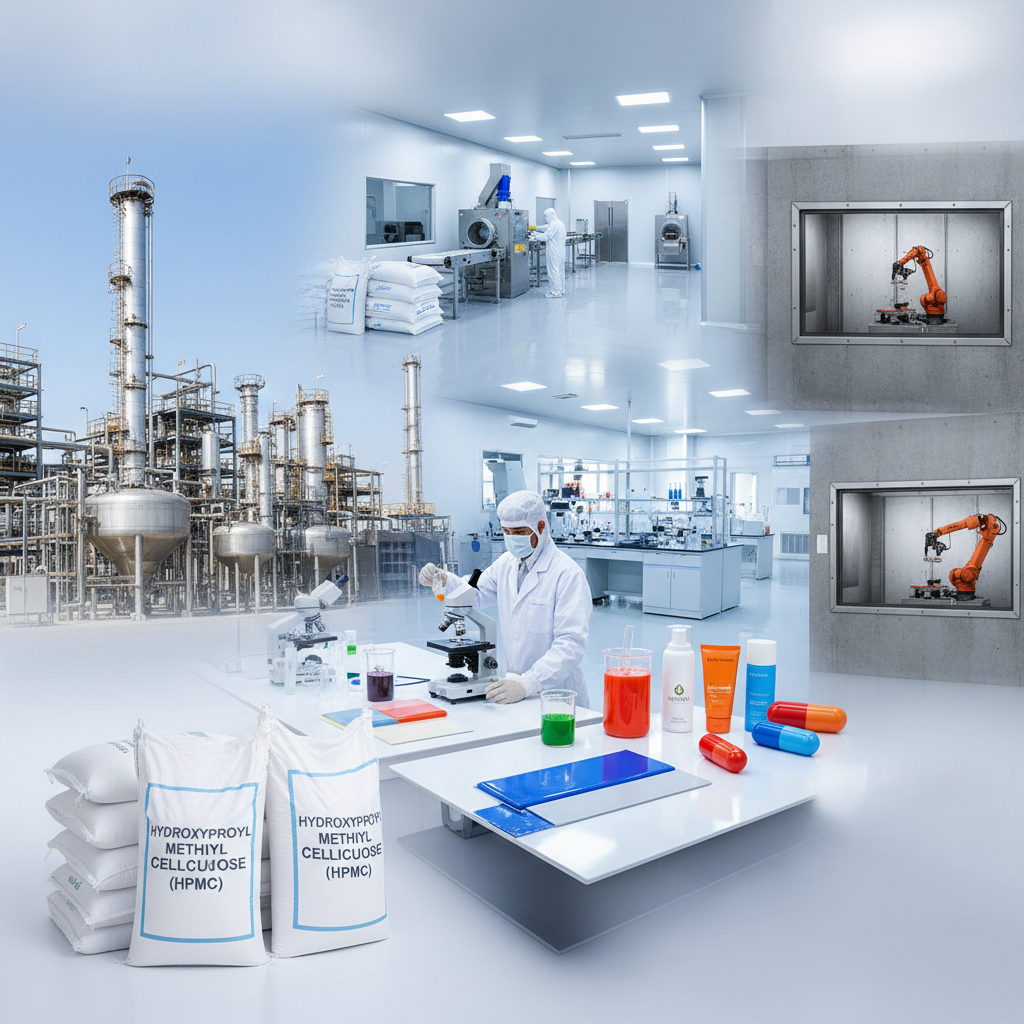
Cellulosa esther (hpmc) finds extensive use in the pharmaceutical industry as a binder, disintegrant, and controlled-release agent in tablets and capsules. It ensures consistent drug delivery and enhances bioavailability. In the food industry, it acts as a thickener, stabilizer, and emulsifier in products like sauces, dressings, and baked goods.
The construction sector leverages cellulosa esther (hpmc) to improve the workability, water retention, and adhesion of cement-based mortars and tile adhesives. This leads to stronger, more durable structures. Personal care products utilize its film-forming and thickening properties to create creams, lotions, and shampoos with desirable textures and performance.
The Long-Term Value Proposition of Cellulosa Esther (HPMC)
The long-term value of cellulosa esther (hpmc) stems from its versatility, cost-effectiveness, and sustainability. Compared to synthetic polymers, HPMC is derived from a renewable resource—cellulose—making it a more environmentally friendly option. Its broad range of applications translates to significant cost savings across various industries.
Furthermore, the polymer's ability to enhance product quality and performance contributes to increased customer satisfaction and brand loyalty. The relatively low toxicity of cellulosa esther (hpmc) ensures safety for both consumers and workers, bolstering its appeal.
Investing in cellulosa esther (hpmc) technologies and applications represents a commitment to innovation, sustainability, and long-term economic growth.
Future Innovations and Trends in Cellulosa Esther (HPMC) Technology
Ongoing research focuses on developing novel cellulosa esther (hpmc) grades with tailored properties for specific applications. This includes exploring new modification techniques to enhance its performance, such as improving its solubility in organic solvents or increasing its thermal stability.
The growing emphasis on sustainability is driving innovation in cellulose sourcing and HPMC production processes. Researchers are investigating alternative cellulose sources and developing more energy-efficient manufacturing methods. Integration with digital technologies, like AI-powered formulation optimization, is also gaining traction.
The convergence of cellulosa esther (hpmc) technology with emerging fields like 3D printing and bio-based materials holds tremendous promise for creating innovative products with enhanced functionality and reduced environmental impact.
A summary table showcasing research trends in Cellulosa Esther (HPMC)
| Research Area |
Focus |
Potential Impact |
Current Stage |
| Modified HPMC Structures |
Exploring novel substitution patterns |
Enhanced solubility, improved thermal stability |
Laboratory Research |
| Sustainable Cellulose Sources |
Utilizing agricultural waste as feedstock |
Reduced environmental footprint, lower production costs |
Pilot Scale |
| AI-Driven Formulation Optimization |
Predictive modeling of HPMC behavior |
Accelerated product development, improved performance |
Early Stage Development |
| HPMC in 3D Printing |
Developing HPMC-based filaments for additive manufacturing |
Customized drug delivery systems, biocompatible scaffolds |
Proof of Concept |
| Bio-Composite Materials with HPMC |
Combining HPMC with natural fibers and biopolymers |
Lightweight, biodegradable packaging and construction materials |
Material Testing |
| Advanced Drug Delivery Systems |
Utilizing HPMC for targeted and sustained release |
Improved therapeutic efficacy, reduced side effects |
Clinical Trials |
FAQS
Cellulosa esther (hpmc) offers a unique combination of properties including excellent water solubility, film-forming capabilities, thermal gelation, and biocompatibility. Unlike some synthetic polymers, it’s derived from a renewable resource – cellulose – making it a more sustainable option. It also exhibits exceptional stability and compatibility with a wide range of ingredients, making it versatile for various applications.
Viscosity is a critical parameter for cellulosa esther (hpmc) as it directly influences the thickening and flow characteristics of a formulation. Higher viscosity grades provide greater thickening power and are suitable for applications requiring a gel-like consistency, like creams and lotions. Lower viscosity grades are used where a thinner, more fluid texture is desired, such as in coatings or liquid detergents.
Yes, cellulosa esther (hpmc) is generally recognized as safe (GRAS) by regulatory bodies like the FDA for use in food and pharmaceutical applications when used within specified limits. It is non-toxic, non-allergenic, and does not readily absorb in the body, making it a safe excipient and ingredient for a wide range of products. However, always refer to the relevant regulations in your specific region.
Several factors can affect the stability of an HPMC solution. These include pH, temperature, ionic strength, and the presence of incompatible materials. Extreme pH levels can cause degradation, while high temperatures can accelerate hydrolysis. The addition of certain salts or polymers can also compromise stability. Proper formulation design and storage conditions are essential to maintain solution integrity.
Selecting the right HPMC grade involves considering factors like desired viscosity, solubility requirements, gelation temperature, and compatibility with other ingredients. Consulting the technical data sheets provided by the manufacturer is crucial. You may also need to conduct small-scale trials to evaluate the performance of different grades in your specific formulation.
While cellulosa esther (hpmc) is derived from a renewable resource (cellulose), its biodegradability is dependent on the degree of substitution and specific environmental conditions. It is generally considered more environmentally friendly than many synthetic polymers, but complete biodegradation can be slow. Ongoing research aims to improve its biodegradability further through innovative modification techniques.
Conclusion
In summary, cellulosa esther (hpmc) stands as a remarkably versatile polymer with a wide range of applications across diverse industries. Its unique properties, coupled with its sustainability and cost-effectiveness, make it an indispensable ingredient for countless products. From pharmaceuticals and food to construction and personal care, HPMC plays a critical role in enhancing performance, improving quality, and addressing key challenges.
Looking ahead, continued innovation in cellulosa esther (hpmc) technology—focusing on sustainability, tailored performance, and integration with emerging technologies—will unlock even greater potential. Exploring new cellulose sources, optimizing production processes, and expanding applications in areas like 3D printing and bio-based materials will drive long-term growth and contribute to a more sustainable future.