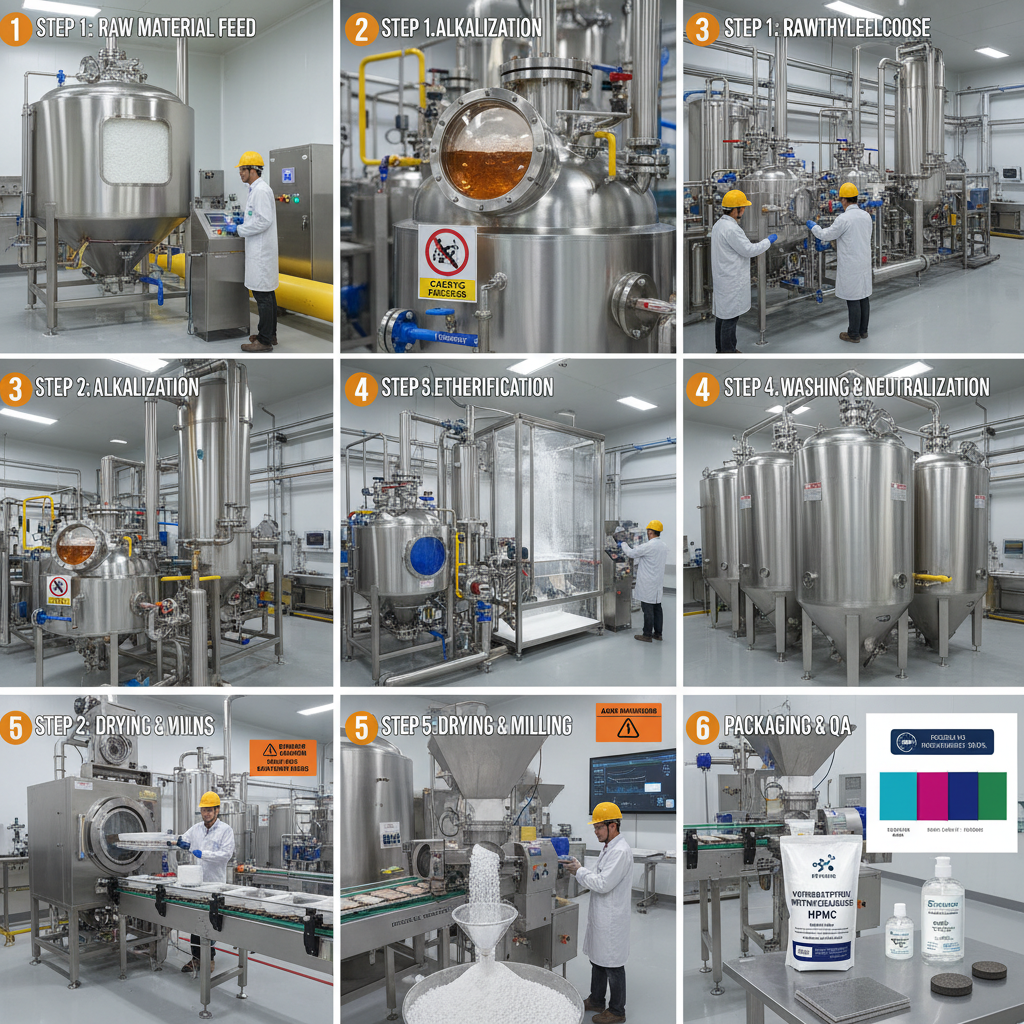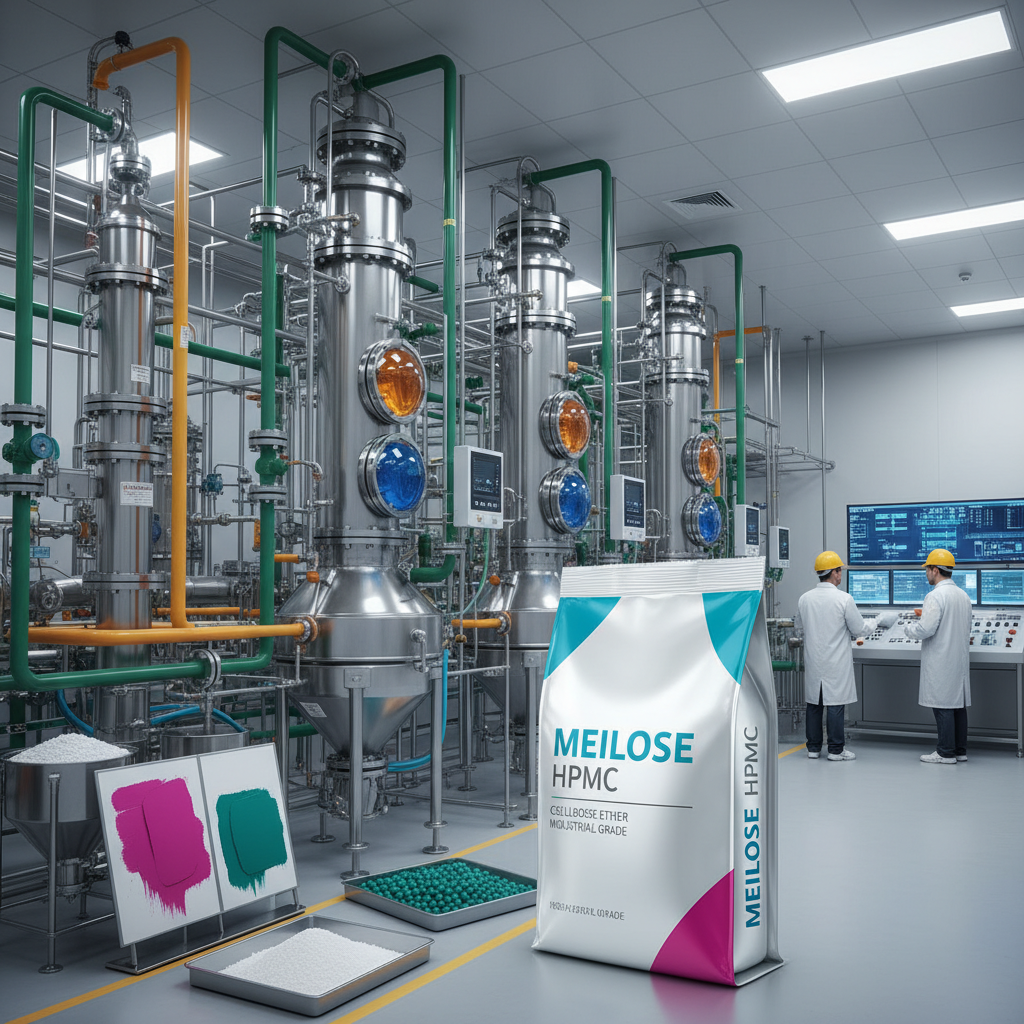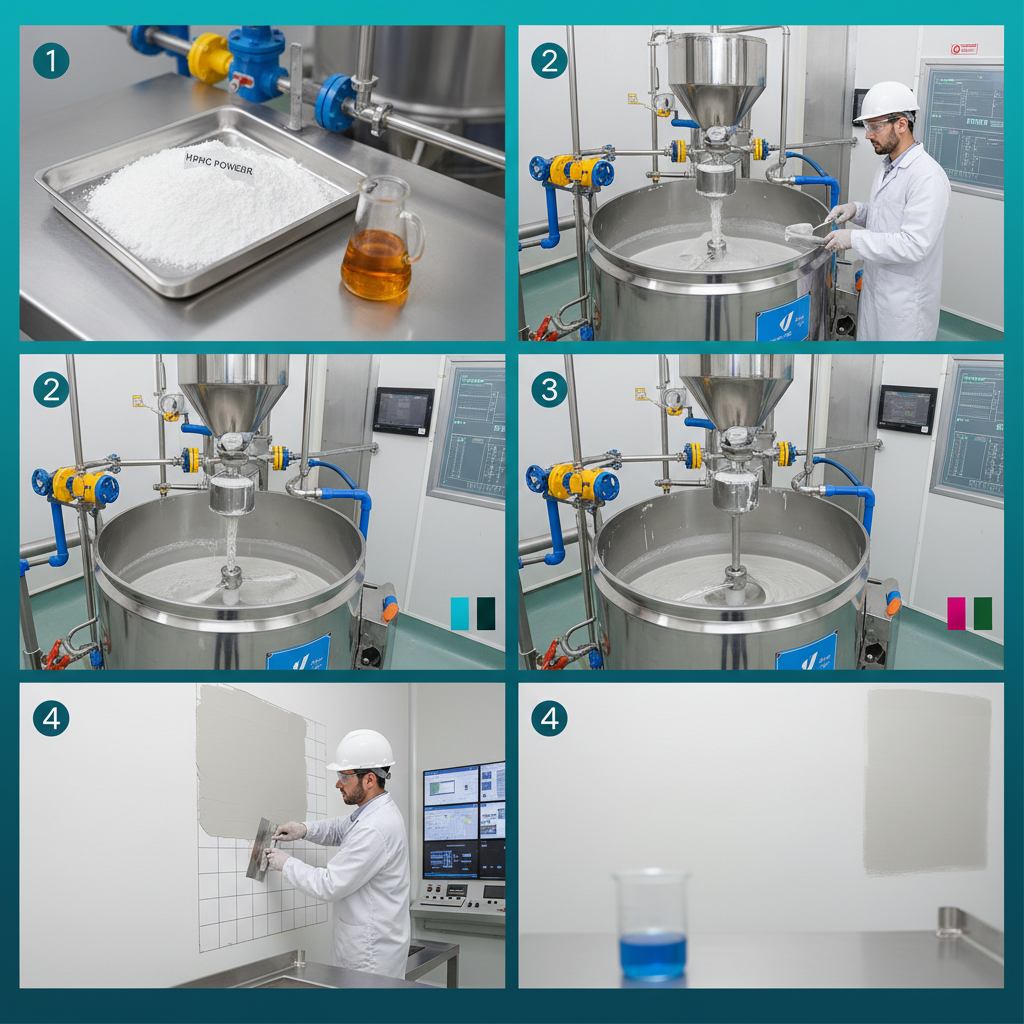
Industrial grade HPMC (Hydroxypropyl Methylcellulose) is a versatile polymer gaining prominence across numerous industries globally. Its unique properties—including water solubility, thickening, binding, film-forming, and protective colloid capabilities—make it an essential component in construction, pharmaceuticals, food, cosmetics, and more. Understanding its application and benefits is crucial for innovation and efficiency in these sectors. The demand for high-quality, consistent industrial grade hpmc is steadily increasing, driven by evolving industry standards and a greater focus on sustainable materials.
The global market for cellulose ethers, including industrial grade HPMC, is substantial and projected for continued growth. Estimates suggest a multi-billion dollar market, with Asia-Pacific currently dominating production and consumption. Factors such as rapid urbanization, infrastructural development, and the growing pharmaceutical industry contribute to this demand. However, challenges remain, including ensuring consistent product quality and addressing environmental concerns related to sourcing and manufacturing processes.
This increasing reliance on industrial grade HPMC underscores the need for comprehensive knowledge of its properties, applications, and the latest advancements in its production and utilization. It addresses critical needs in various industries, ranging from enhancing construction material performance to improving drug delivery systems and ensuring food stability.
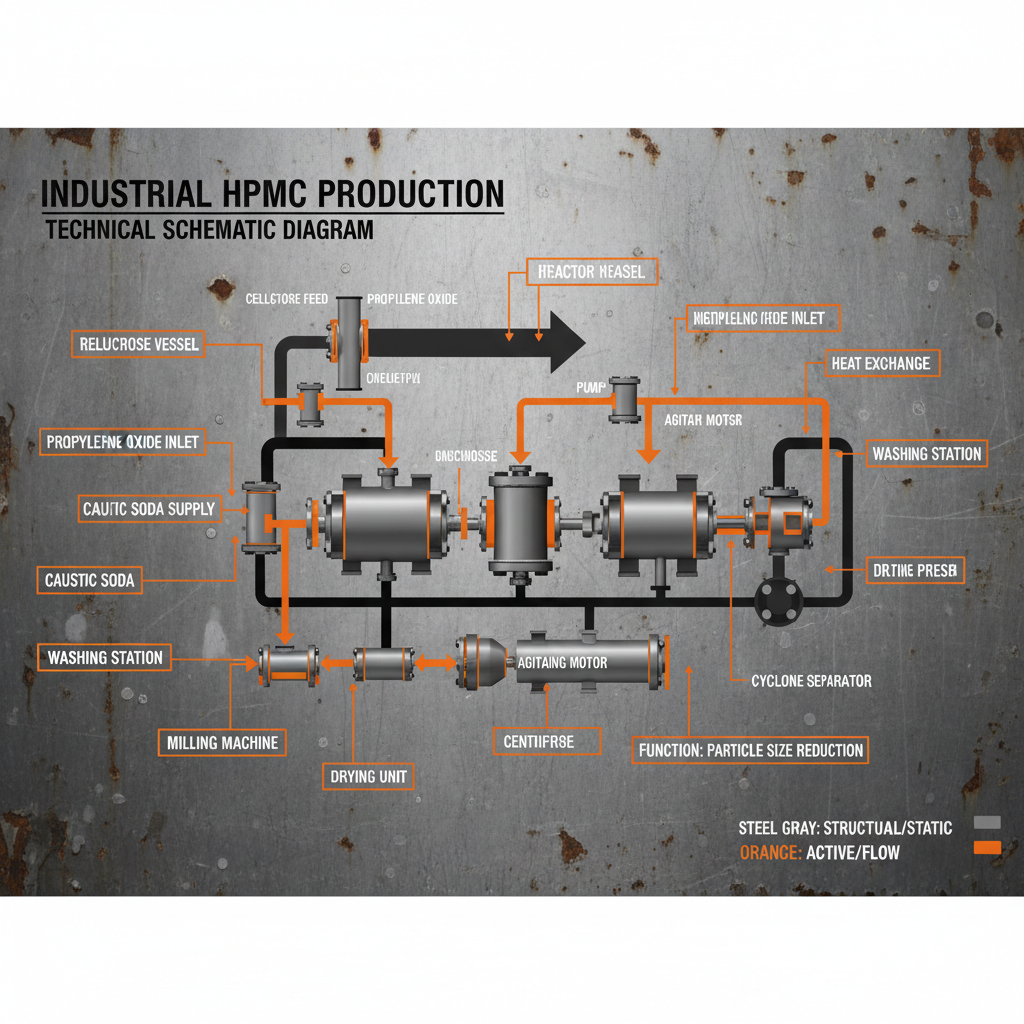
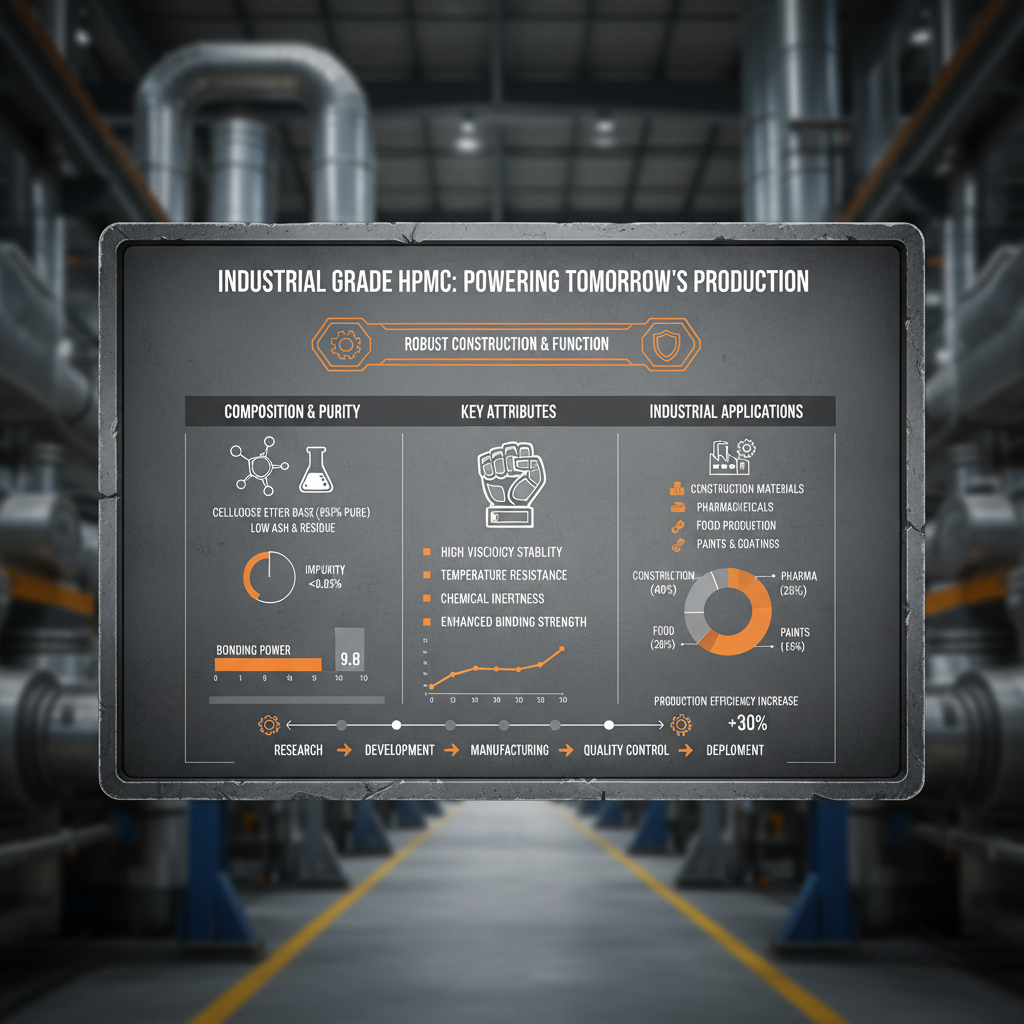
Industrial grade HPMC is a non-ionic cellulose ether derived from cellulose, a natural polymer found in plants. It’s created through a chemical modification process involving methyl and hydroxypropyl groups. This modification gives HPMC its unique water solubility and a wide range of valuable properties. It's often presented as a white to off-white powder, easily dispersible in water to create solutions with varying viscosities.
Its relevance extends far beyond a simple thickening agent. In modern industry, industrial grade hpmc serves as a crucial ingredient in applications demanding precise control over rheology, film formation, and stability. From stabilizing emulsions in pharmaceuticals to improving workability in construction materials, its versatility is continually being explored and exploited to address evolving industrial needs.
Different grades of industrial grade HPMC vary primarily in their viscosity, molecular weight, and degree of substitution. Viscosity affects the thickening power, molecular weight influences solution stability, and the degree of substitution impacts solubility and gelation properties. Selecting the appropriate grade depends on the specific application requirements, such as desired texture, film formation, or drug release characteristics. A deeper understanding of these parameters ensures optimal performance in your formulation.
Industrial grade HPMC should be stored in a cool, dry place, protected from direct sunlight and moisture. Exposure to humidity can cause clumping and reduce its effectiveness. It's recommended to keep it in its original, sealed packaging. Proper storage ensures a longer shelf life and maintains its desired properties for consistent performance in your applications. Best practice involves storing in a temperature-controlled warehouse.
Industrial grade HPMC is generally considered more environmentally friendly than many synthetic polymers because it’s derived from cellulose, a renewable resource. However, the manufacturing process does require chemical modifications, so responsible sourcing and production practices are crucial. Look for suppliers committed to sustainable forestry and environmentally responsible manufacturing processes. Biodegradability is also being actively researched to further enhance its green credentials.
While generally considered safe, industrial grade HPMC is a fine powder, and inhalation should be avoided. It’s recommended to wear a dust mask during handling and ensure adequate ventilation. Contact with eyes can cause irritation, so safety goggles are advisable. Refer to the Safety Data Sheet (SDS) provided by your supplier for detailed safety information and handling guidelines. Proper personal protective equipment (PPE) is key.
Viscosity is a critical property influencing HPMC’s application. Higher viscosity grades provide greater thickening power and improve suspension stability, ideal for paints, coatings, and adhesives. Lower viscosity grades are preferred for applications requiring easier flow and reduced resistance, such as pharmaceutical coatings and certain food products. Precise control of viscosity is vital for achieving the desired product characteristics and optimal performance.
Yes, industrial grade HPMC is frequently used in combination with other polymers to achieve synergistic effects. Blending HPMC with other cellulose ethers, acrylic polymers, or starches can tailor properties such as film formation, water retention, and adhesion. Compatibility testing is essential to ensure the mixture remains stable and provides the desired performance characteristics for the target application. This allows formulators to optimize the final product based on specific requirements.
In conclusion, industrial grade HPMC stands as a remarkably versatile polymer with a significant and growing global impact. Its unique combination of properties—water solubility, thickening, film formation, and protective colloid action—makes it indispensable across diverse industries, from construction and pharmaceuticals to food and cosmetics. Understanding its characteristics and applications is critical for driving innovation and enhancing product performance.
Looking forward, advancements in sustainable sourcing, manufacturing techniques, and tailored functionalities will solidify the position of industrial grade HPMC as a key material for addressing future challenges and meeting evolving industrial needs. We encourage further exploration of its potential and invite you to visit our website, www.youngcel.com, to learn more about our high-quality HPMC products and how we can support your specific application requirements.