0%

Table of Contents

The innovative design of yfc-200 represents a significant leap forward in rapid deployment housing solutions. Globally, the need for swift and effective shelter in disaster relief, refugee crises, and remote industrial projects is ever-increasing. yfc-200 offers a compelling answer, addressing critical challenges in infrastructure availability and speed of deployment. This isn’t merely about providing shelter; it's about restoring dignity and enabling rapid recovery for communities in need.

The relevance of yfc-200 extends beyond immediate crisis response. According to the UNHCR, over 82.4 million people are forcibly displaced worldwide, requiring sustainable housing options. Simultaneously, the World Bank estimates a significant infrastructure deficit in developing nations, hindering economic growth. yfc-200 directly tackles these issues by providing scalable, cost-effective, and rapidly deployable housing solutions, contributing to both humanitarian aid and sustainable development.

Addressing the gap between demand and readily available housing, yfc-200 distinguishes itself through its modular design, ease of transport, and minimal site preparation requirements. It’s a pivotal innovation in a world grappling with increasing displacement, urbanization, and the urgent need for resilient infrastructure. Understanding yfc-200 is crucial for disaster relief organizations, governments, and anyone involved in sustainable development initiatives.
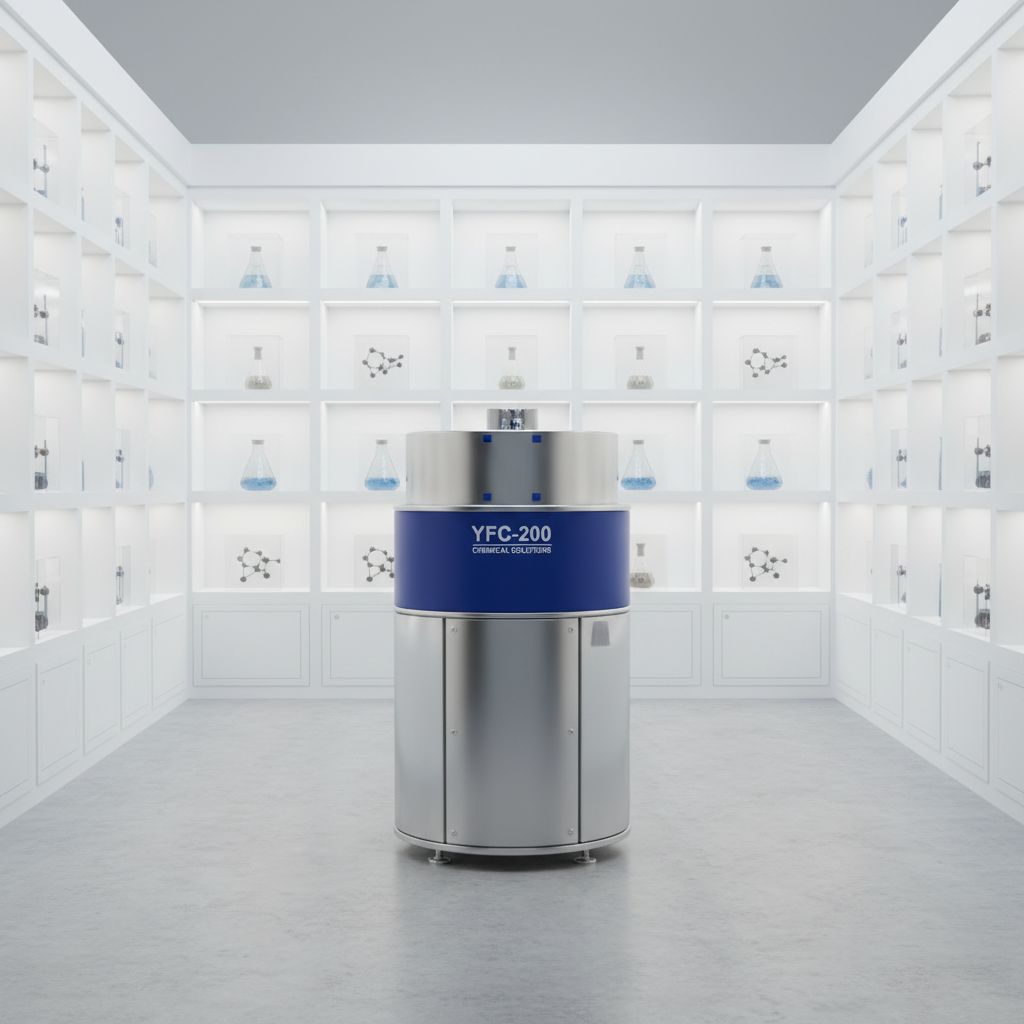
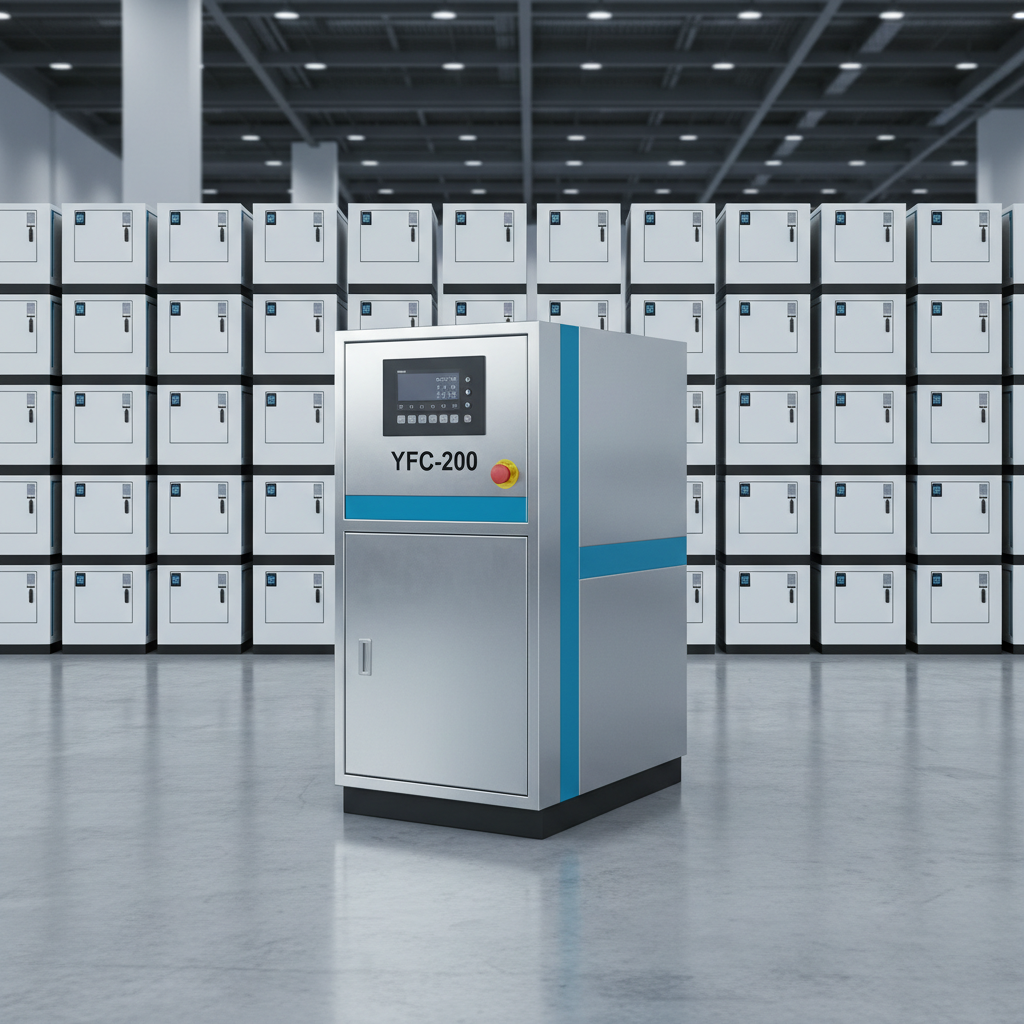
yfc200 Innovative Rapid Deployment Housing Solutions for Global Needs

Introduction to yfc-200

yfc200 Innovative Rapid Deployment Housing Solutions for Global Needs

yfc-200 is a modular, rapidly deployable housing system designed to address urgent shelter needs in diverse settings. Its core strength lies in its pre-fabricated components, enabling quick assembly with minimal specialized tools or skilled labor. This translates into faster response times during crises and reduced construction costs in long-term housing projects.

This system's versatility extends from providing immediate emergency shelter after natural disasters to constructing sustainable housing in remote communities. The use of durable, weather-resistant materials ensures longevity and reduces the need for frequent repairs or replacements, contributing to cost-effectiveness and environmental sustainability.

Defining yfc-200

At its simplest, yfc-200 is a pre-engineered, modular building system constructed from robust, lightweight materials. The ‘200’ in the name signifies a standard module size, allowing for flexible configurations and expansion. These modules interlock easily, creating stable and secure structures suitable for a range of applications.

The connection to modern industry lies in its application of lean manufacturing principles and logistical optimization. Like container shipping, yfc-200 leverages standardized components for efficient transportation and assembly. For humanitarian needs, it provides a vital alternative to traditional tent-based solutions, offering improved living conditions and enhanced security.

Fundamentally, yfc-200 is a response to the global need for dignified, resilient, and accessible housing. It’s a tangible solution that bridges the gap between emergency response and long-term sustainable development.

Core Components of yfc-200

yfc-200’s effectiveness stems from a carefully considered combination of materials and design. The foundational element is a high-strength steel frame, providing structural integrity and resistance to extreme weather conditions. This frame is then clad with insulated panels constructed from composite materials, offering thermal regulation and soundproofing.

Interlocking connectors are crucial to the system’s rapid assembly. These connectors are designed for easy use, requiring minimal tools and training. They ensure a secure and watertight connection between modules, creating a robust and stable structure. The modularity also extends to internal finishing options, allowing customization based on specific needs and preferences.

Finally, integrated utility systems, including electrical wiring and plumbing conduits, are pre-installed within the modules, further accelerating the construction process. These systems adhere to international safety standards and are designed for easy connection to local infrastructure.

Key Features of yfc-200

Durability is a cornerstone of yfc-200’s design. Constructed with robust materials and engineered to withstand harsh climates, these structures offer long-term resilience. Scalability allows for flexible expansion, starting with a single module and adding more as needs evolve.

Cost efficiency is achieved through streamlined manufacturing, reduced transportation costs, and minimized on-site labor. Furthermore, the speed of deployment significantly reduces downtime and associated expenses.

yfc-200 Performance Metrics


Global Applications of yfc-200

In post-disaster relief operations, yfc-200 provides immediate, dignified shelter for displaced populations. Its rapid deployment capability is critical in the chaotic aftermath of earthquakes, floods, or hurricanes. In remote industrial zones, such as mining camps or construction sites, yfc-200 offers comfortable and secure accommodation for workers.

Organizations like the Red Cross and Doctors Without Borders are increasingly exploring modular housing solutions like yfc-200 to improve the quality of life in refugee camps. Governments in developing nations are utilizing yfc-200 to address housing shortages and create affordable housing options for low-income communities.

Furthermore, yfc-200 is being adapted for use in emergency healthcare facilities and mobile schools, demonstrating its versatility and impact beyond basic shelter. It can be deployed in challenging environments, offering a viable solution where traditional construction is impractical or too slow.

Advantages of yfc-200

The tangible benefits of yfc-200 are multifaceted. Cost savings are realized through reduced construction time, lower labor costs, and minimized material waste. Sustainability is enhanced through the use of durable, recyclable materials and reduced carbon footprint compared to conventional construction.

The social impact is significant, providing safe, dignified, and resilient housing to those in need. This fosters a sense of stability and security, crucial for recovery and rebuilding. Reliability is guaranteed by the system’s robust design and adherence to international safety standards.

Future Trends in yfc-200 Technology

The future of yfc-200 lies in integrating smart technologies and sustainable materials. Research is underway to incorporate renewable energy systems, such as solar panels, directly into the modules, creating self-sufficient living spaces. Advanced insulation materials and energy-efficient designs will further reduce environmental impact.

Digital transformation plays a key role, with the development of Building Information Modeling (BIM) software to optimize module design and streamline the construction process. Automation and robotics are being explored to further accelerate assembly and reduce labor requirements. The integration of IoT sensors will enable real-time monitoring of environmental conditions and structural integrity.

The adoption of bio-based and recycled materials is also gaining momentum, aligning yfc-200 with the principles of a circular economy. These innovations will solidify yfc-200's position as a leading solution for sustainable and resilient housing.

FAQS

What are the key advantages of yfc-200 over traditional shelter options?

yfc-200 offers significant advantages over traditional shelters, including faster deployment speed, improved durability, enhanced security, and better living conditions. Traditional tents and temporary structures often lack adequate insulation, weather resistance, and structural integrity. yfc-200 provides a more robust and sustainable solution, offering a dignified and safe living space for those in need. The modular design also allows for scalability and customization, adapting to diverse needs.

How long can a yfc-200 structure realistically last in disaster-prone areas?

A properly maintained yfc-200 structure can realistically last for 10-20 years or even longer in disaster-prone areas. The high-strength steel frame and durable composite panels are designed to withstand extreme weather conditions. Regular inspections and preventative maintenance are recommended to ensure longevity. The modular design also allows for easy repair or replacement of individual components, extending the overall lifespan of the structure.

Is yfc-200 an environmentally friendly and cost-effective housing solution?

Yes, yfc-200 is both environmentally friendly and cost-effective. The use of durable, recyclable materials reduces waste and minimizes the environmental impact. The rapid deployment speed and reduced labor costs contribute to significant cost savings. Furthermore, the energy-efficient design and potential for integration with renewable energy systems lower long-term operating costs. Compared to traditional construction methods, yfc-200 offers a more sustainable and affordable alternative.

What are the logistical challenges of importing yfc-200 internationally for humanitarian aid?

Importing yfc-200 internationally can present logistical challenges related to shipping, customs clearance, and local regulations. The modular design simplifies transportation, as the units can be flat-packed and shipped efficiently. However, it's crucial to navigate import duties, permits, and building codes in the destination country. Collaboration with experienced logistics providers and local authorities is essential to ensure a smooth and timely delivery. Proper documentation and adherence to international trade standards are also critical.

How does yfc-200 address the need for culturally sensitive housing solutions?

yfc-200’s modular design allows for customization to accommodate diverse cultural needs and preferences. The internal layout can be adapted to provide separate living spaces for families, incorporating cultural norms regarding privacy and social interaction. Exterior finishes and materials can also be selected to blend with the local architectural style. The system's flexibility ensures that the housing solutions are respectful of cultural sensitivities and promote a sense of belonging.

What training is required to assemble and maintain a yfc-200 structure?

The yfc-200 system is designed for easy assembly, requiring minimal specialized training. A basic training program, typically lasting 2-3 days, is sufficient to equip a team with the skills needed to assemble and maintain the structures. The training covers module connection techniques, utility system installation, and basic maintenance procedures. Comprehensive manuals and online resources are also available for ongoing support. The ease of assembly reduces reliance on skilled labor, making it ideal for remote or challenging environments.

Conclusion

yfc-200 represents a transformative approach to housing, offering a compelling solution to the global challenges of disaster relief, housing shortages, and sustainable development. Its key strengths – rapid deployment, durability, scalability, and cost-effectiveness – position it as a vital asset for humanitarian organizations, governments, and communities worldwide. By embracing innovative materials, streamlined manufacturing processes, and a commitment to sustainability, yfc-200 is redefining the standards for emergency and long-term housing.

Looking ahead, continued innovation in smart technologies and bio-based materials will further enhance yfc-200’s performance and environmental footprint. We encourage stakeholders to explore the potential of this technology to address pressing housing needs and create a more resilient and equitable future. For more information and to discover how yfc-200 can benefit your organization, visit our website: www.youngcel.com.

Marcus Chen

Marcus Chen

Marcus Chen is our Lead Project Manager, responsible for overseeing the successful delivery of complex translation projects. He boasts a strong technical background and a proven track record of on-time and within-budget project completion. Marcus has a Bachelor’s degree in Computer Science and over 5 years of experience in localization
Previous Innovative yfd200s Solutions for Rapid and Sustainable Housing
Next Navigating the Landscape of china hpmc manufacturer and Construction Materials