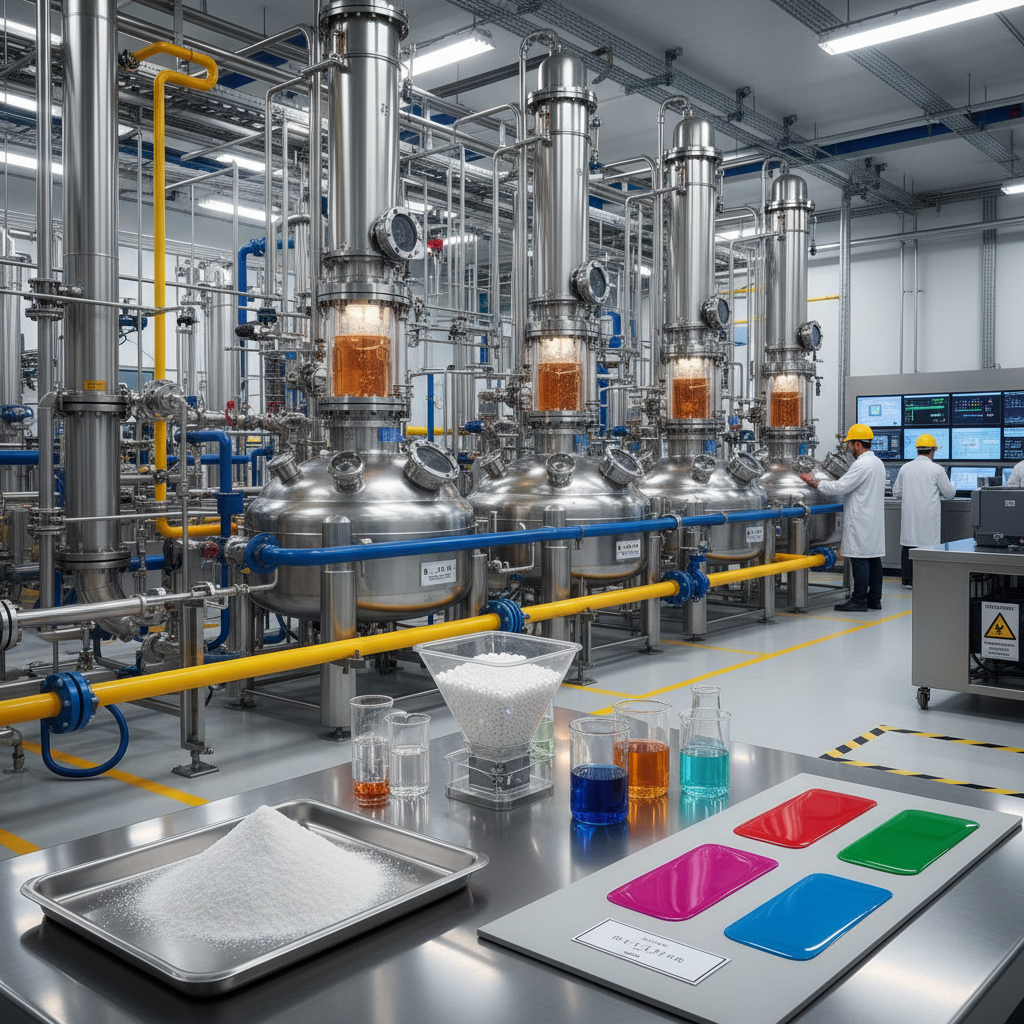
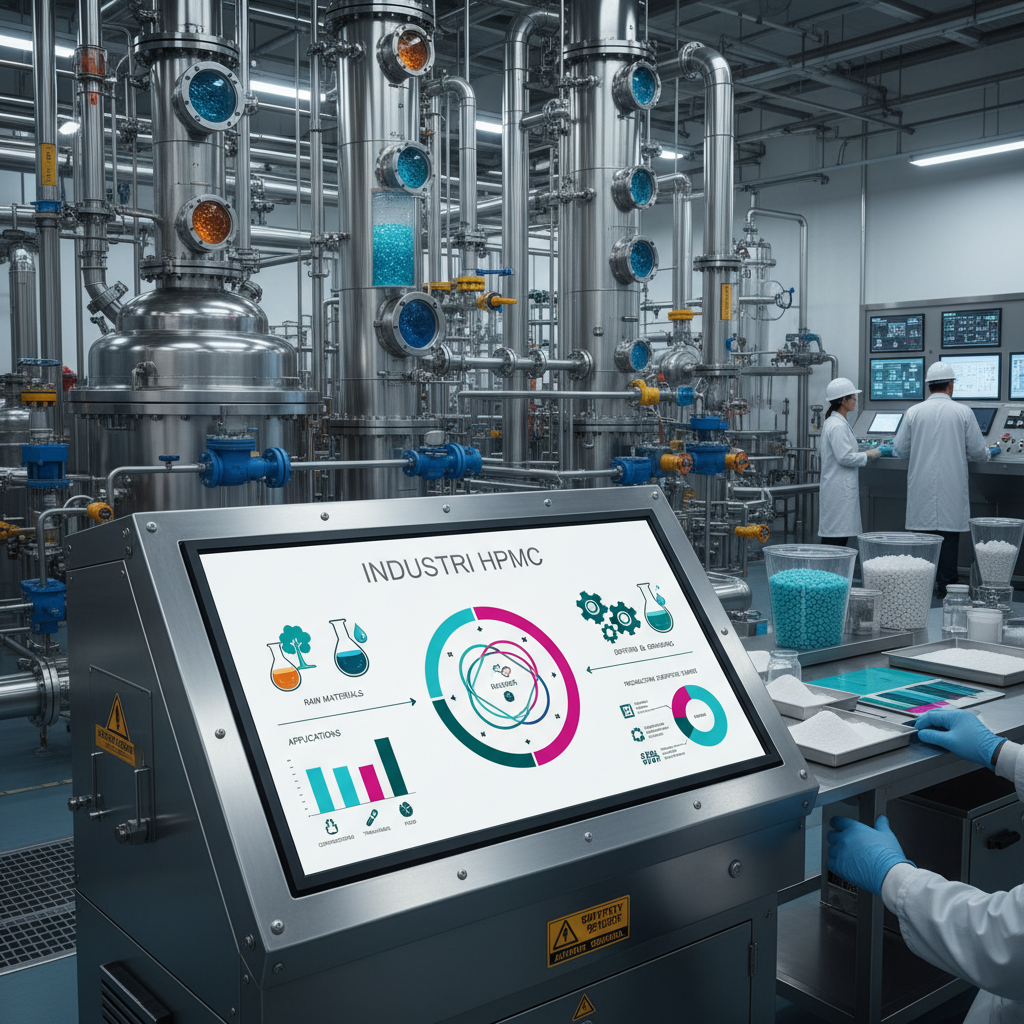
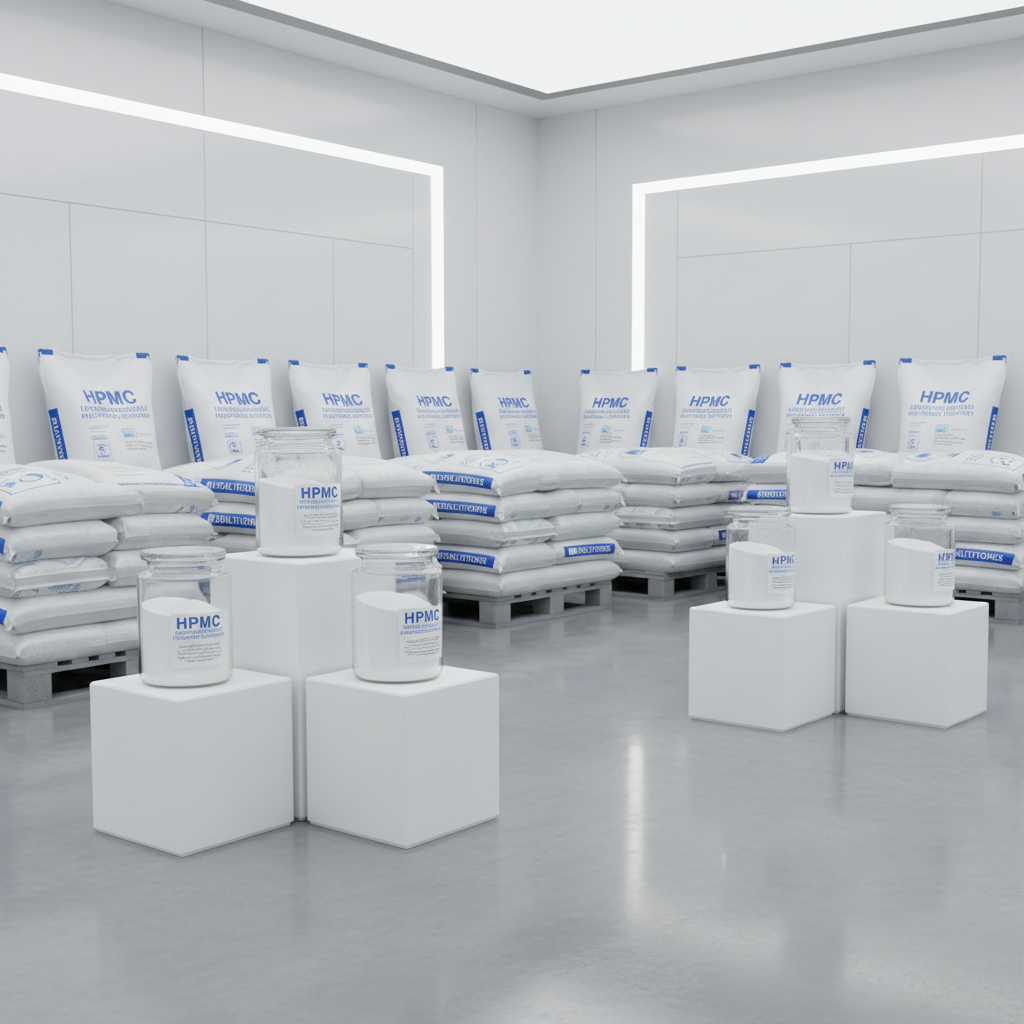
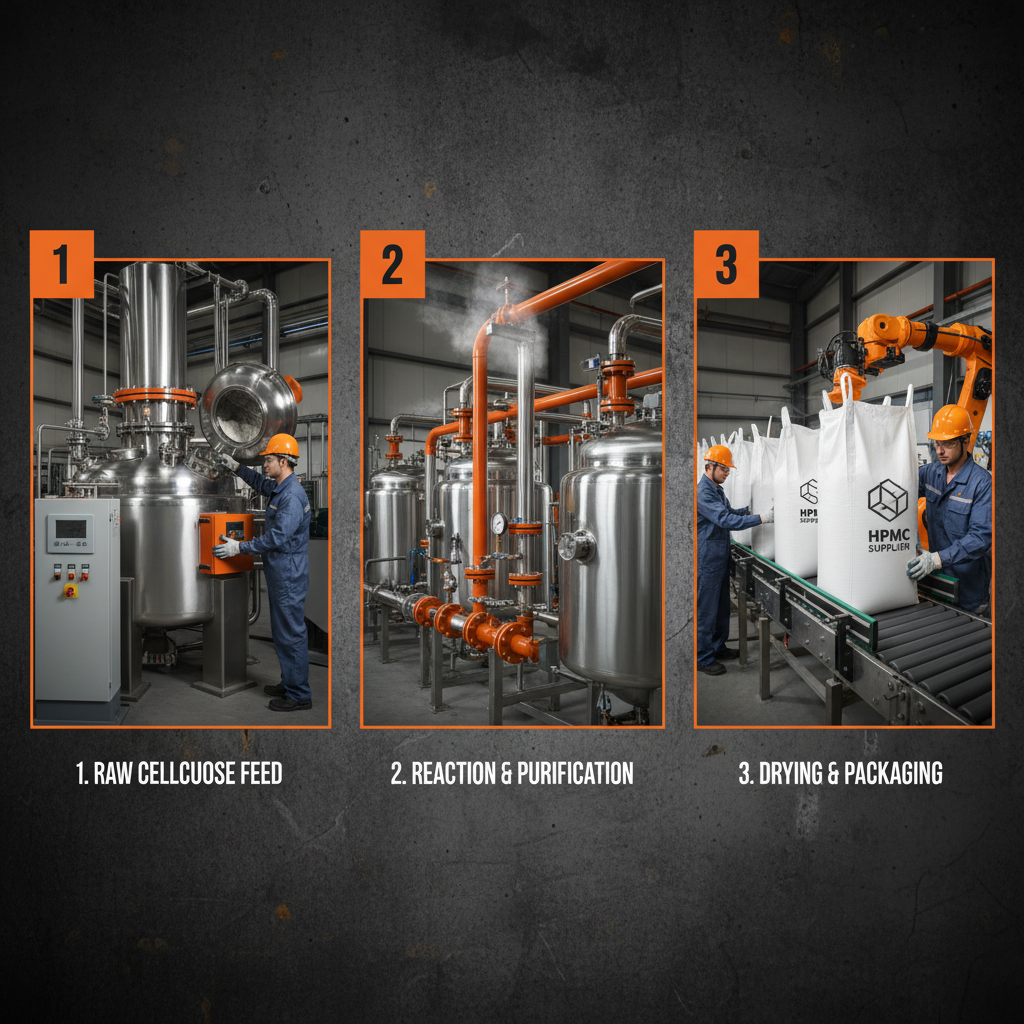
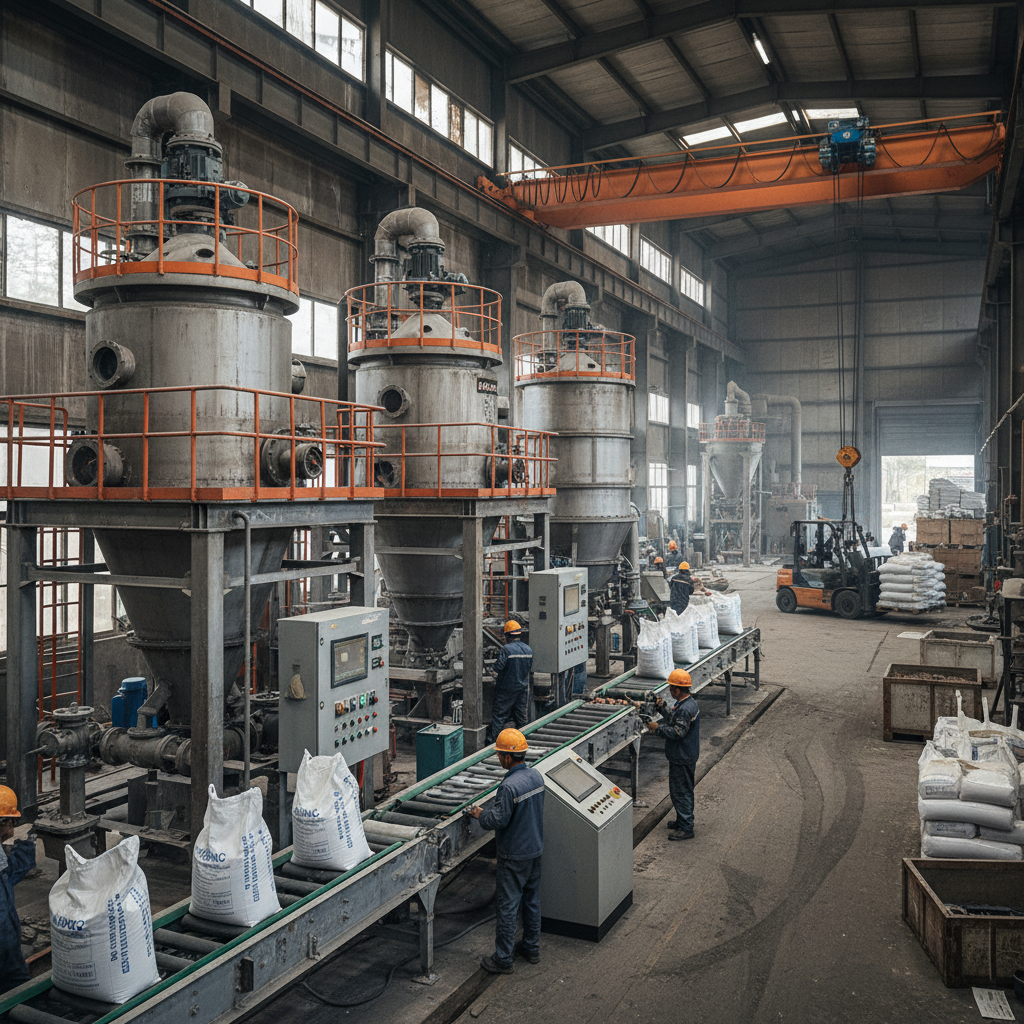
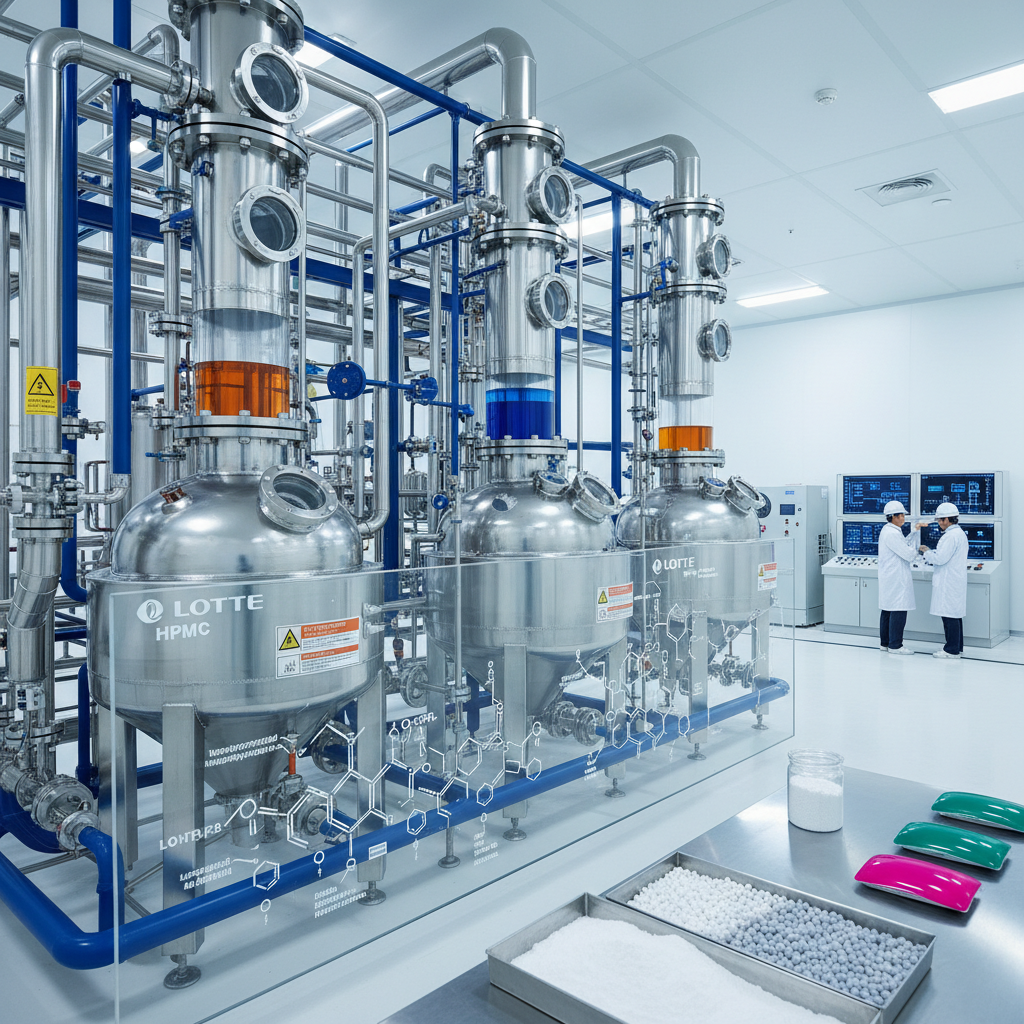
The global chemical landscape has seen a significant shift toward high-performance additives, where industri hpmc (Hydroxypropyl Methylcellulose) has emerged as a cornerstone for modern construction and personal care formulations. As a versatile cellulose ether, it provides critical rheological control and water retention, ensuring that materials maintain their structural integrity under diverse environmental conditions. Understanding the nuances of this additive is essential for manufacturers aiming to balance cost-efficiency with superior product performance.
From an industrial perspective, the integration of industri hpmc addresses the critical challenge of material shrinkage and cracking in cementitious products. By optimizing the hydration process, it allows for longer open times and improved workability, which are indispensable in large-scale infrastructure projects. This capability not only enhances the lifespan of the build but also reduces the labor costs associated with rework and material waste.
Beyond the construction site, the reach of industri hpmc extends into the detergent and pharmaceutical sectors, where its thickening and stabilizing properties are highly valued. Whether it is creating a smooth texture for hand sanitizers or ensuring the stability of a liquid soap, the chemical precision of HPMC allows brands to achieve a premium feel and consistent quality. This versatility makes it a vital component in the pursuit of sustainable and efficient chemical manufacturing globally.
Global Relevance of Industri HPMC
In the current global economy, the demand for sustainable building materials has surged, placing industri hpmc at the center of the architectural revolution. According to industry standards aligned with ISO guidelines, the use of high-grade cellulose ethers reduces the carbon footprint of construction by minimizing material waste through better adhesion and stability. As urban centers in Asia and Africa expand, the reliance on these additives to ensure the durability of affordable housing is more critical than ever.
The strategic importance of industri hpmc is further emphasized by its role in the "Green Building" movement. By improving the efficiency of thermal insulation mortars and self-leveling compounds, it helps in creating energy-efficient structures that lower long-term operational costs. This alignment with global sustainability goals makes the optimization of HPMC production a priority for chemical manufacturers worldwide.
Defining Industri HPMC and Its Functions
At its core, industri hpmc is a non-ionic cellulose ether derived from natural polymer cellulose. Through a process of etherification, it gains unique properties such as water retention, thickening, and film-forming abilities. In simple terms, it acts as a "molecular sponge" and a "stabilizer," preventing water from evaporating too quickly in cement mixtures or keeping active ingredients suspended in liquid detergents.
This chemical versatility allows it to bridge the gap between raw industrial materials and high-end finished products. For instance, in the construction grade HPMC category, it transforms a dry powder into a workable paste that clings to vertical surfaces without sagging. This prevents the "slump" effect, ensuring that the structural integrity of walls and floors is maintained during the curing process.
Beyond technical specifications, the function of industri hpmc relates directly to humanitarian needs. In regions prone to natural disasters, the use of HPMC in rapid-deployment mortars allows for the fast construction of shelters that are durable and weather-resistant. This demonstrates how a specialized chemical additive can have a profound impact on human safety and dignity.
Core Components of High-Quality HPMC
The performance of industri hpmc is primarily determined by its viscosity and substitution degree. Viscosity controls the flow and thickness of the final product, while the substitution degree affects the solubility and stability of the ether. Together, these factors determine whether a product is suitable for a heavy-duty tile adhesive or a delicate hand sanitizer.
Another critical aspect of industri hpmc is its purity and particle size distribution. Low-impurity grades ensure that there are no adverse reactions with other additives like RDP-VAE (Redispersible Polymer Powder). A consistent particle size allows for rapid dissolution in water, preventing the formation of clumps or "fish-eyes" in industrial mixing tanks.
Finally, the thermal gelation temperature is a key performance indicator for industri hpmc. This property ensures that the material remains stable under different temperature ranges, which is vital for products exported to extreme climates. By fine-tuning the chemical structure, manufacturers can provide customized solutions for either arctic or tropical industrial zones.
Practical Applications Across Sectors
The versatility of industri hpmc is best seen in its diverse application spectrum. In the construction sector, "Putty Powder HPMC" and "Tile Adhesive HPMC" are industry standards, providing the necessary slip resistance and water retention for professional finishes. In these contexts, HPMC ensures that the adhesive bonds strongly to the substrate, preventing tiles from sliding during installation.
In the personal care industry, "Detergent Grade HPMC" and "Shampoo HPMC" are used to achieve a luxurious, viscous consistency that consumers associate with quality. The ability of HPMC to maintain stability across various pH levels makes it an ideal choice for soap liquids and hand sanitizers, ensuring that the product does not separate over time during storage or transport.
Performance Metrics of Industri HPMC Variants
Long-Term Value and Sustainability
Investing in high-quality industri hpmc provides tangible long-term value by enhancing the lifecycle of industrial products. For contractors, this means a reduction in cracking and peeling of exterior coatings, which translates to fewer maintenance calls and higher client trust. The logical angle is clear: higher initial quality in additives leads to lower overall project costs.
From an emotional and social perspective, the use of sustainable cellulose ethers reflects a commitment to environmental stewardship. Since HPMC is biodegradable and derived from plant sources, it reduces the reliance on synthetic, petroleum-based polymers. This shift not only supports the planet but also ensures that the end-users—residents and workers—are exposed to safer, non-toxic materials in their living environments.
Future Trends in Cellulose Chemistry
The future of industri hpmc is leaning heavily toward "Smart Additives." We are seeing a trend toward the development of modified cellulose ethers that can react to environmental stimuli, such as changes in humidity or temperature. This would allow construction materials to "self-heal" or adjust their porosity in real-time to prevent water ingress.
Digital transformation is also playing a role in the production of industri hpmc. AI-driven molecular modeling is now being used to predict the exact viscosity and solubility needed for specific client requirements, reducing the trial-and-error phase of product development. This precision allows for a "just-in-time" chemical formulation approach, minimizing waste and maximizing efficiency.
Furthermore, the move toward automation in the mixing process is increasing the demand for HPMC with instant-dispersibility. New "easy-mix" grades are being engineered to dissolve without the need for high-shear mixers, reducing energy consumption in factories and making the application process more accessible for small-scale operators in remote industrial zones.
Overcoming Implementation Challenges
One of the primary challenges in the application of industri hpmc is the issue of compatibility. When mixed with certain electrolytes or highly alkaline materials, HPMC can lose its thickening power. To solve this, experts recommend the use of synergistic blends or the adjustment of the order of addition during the mixing process to ensure a stable emulsion.
Another common limitation is the sensitivity of cellulose ethers to microbial degradation. In liquid formulations, such as soap or shampoo, this can lead to product spoilage. The innovative solution involves the integration of high-performance preservatives and the use of purified water systems, ensuring that the industri hpmc remains effective throughout the product's shelf life.
Finally, cost fluctuations in raw cellulose can impact the pricing of HPMC. To mitigate this, forward-thinking companies are diversifying their raw material sources and investing in recycling technologies. By optimizing the etherification yield, manufacturers can maintain price stability while continuing to provide the high-performance attributes that the industry demands.
Analysis of Industri HPMC Performance and Compatibility Factors
| Application Type |
Key Requirement |
HPMC Grade Recommended |
Performance Score (1-10) |
| Tile Adhesive |
High Water Retention |
Construction Grade |
9.5 |
| Wall Putty |
Smooth Workability |
Putty Grade |
8.8 |
| Liquid Soap |
Clear Viscosity |
Detergent Grade |
9.2 |
| Hand Sanitizer |
Alcohol Stability |
Pharm/Cosmetic Grade |
8.5 |
| Exterior Coating |
Sag Resistance |
Coating Grade |
8.0 |
| Gypsum Plaster |
Open Time Extension |
Plaster Grade |
8.7 |
FAQS
Industri HPMC acts as a water-retention agent, preventing the adhesive from drying out too quickly. This ensures that the cement hydrates fully, providing a stronger bond between the tile and the substrate. Additionally, it improves "slip resistance," allowing tiles to stay in place on walls without sliding down during the installation process.
Yes, but different grades are required. Construction-grade HPMC is optimized for high viscosity and water retention in cement, while detergent or pharmaceutical grades are refined for purity, transparency, and stability in alcohol-based or surfactant-rich environments. The core chemical structure remains similar, but the substitution degree and purity levels are tailored to the specific application.
While both are cellulose ethers, MHEC (Methyl Hydroxyethyl Cellulose) typically offers better stability in higher temperatures and different solubility profiles. Industri HPMC is often preferred for its superior thickening efficiency and cost-performance ratio in standard building mortars and personal care products, though MHEC is a strong alternative for specific high-heat environments.
Yes, HPMC is derived from natural cellulose, which is the most abundant organic polymer on Earth. It is biodegradable and non-toxic, making it a sustainable choice compared to synthetic polymers. Using HPMC in construction also helps reduce waste and energy consumption by improving the efficiency of the materials it is added to.
Clumping, or "fish-eyes," occurs when the outer layer of HPMC hydrates and forms a barrier. To prevent this, it is recommended to disperse the powder in a small amount of non-solvent or to use high-shear mixing equipment. Gradually adding the powder to the water while stirring rapidly ensures a smooth, homogeneous solution.
Yes, HPMC can slightly extend the open time and setting time of cementitious materials. This is generally viewed as an advantage, as it gives workers more time to adjust tiles or smooth out plaster. However, the dosage must be carefully controlled to ensure that the final setting time remains within the project's required specifications.
Conclusion
In summary, industri hpmc serves as an indispensable tool in the modern chemical arsenal, bridging the gap between raw industrial performance and high-quality end-user experiences. By mastering the balance of viscosity, purity, and water retention, manufacturers can significantly enhance the durability of infrastructure and the appeal of personal care products. Its role in promoting sustainability through biodegradable chemistry further cements its value in a world moving toward greener industrial practices.
Looking forward, the evolution of cellulose ethers will likely focus on intelligent, responsive materials and AI-driven formulation. For companies looking to stay competitive, the key lies in selecting a partner who understands the technical precision required for different HPMC grades. We encourage you to explore the possibilities of high-performance additives to future-proof your production lines. Visit our website: www.youngcel.com