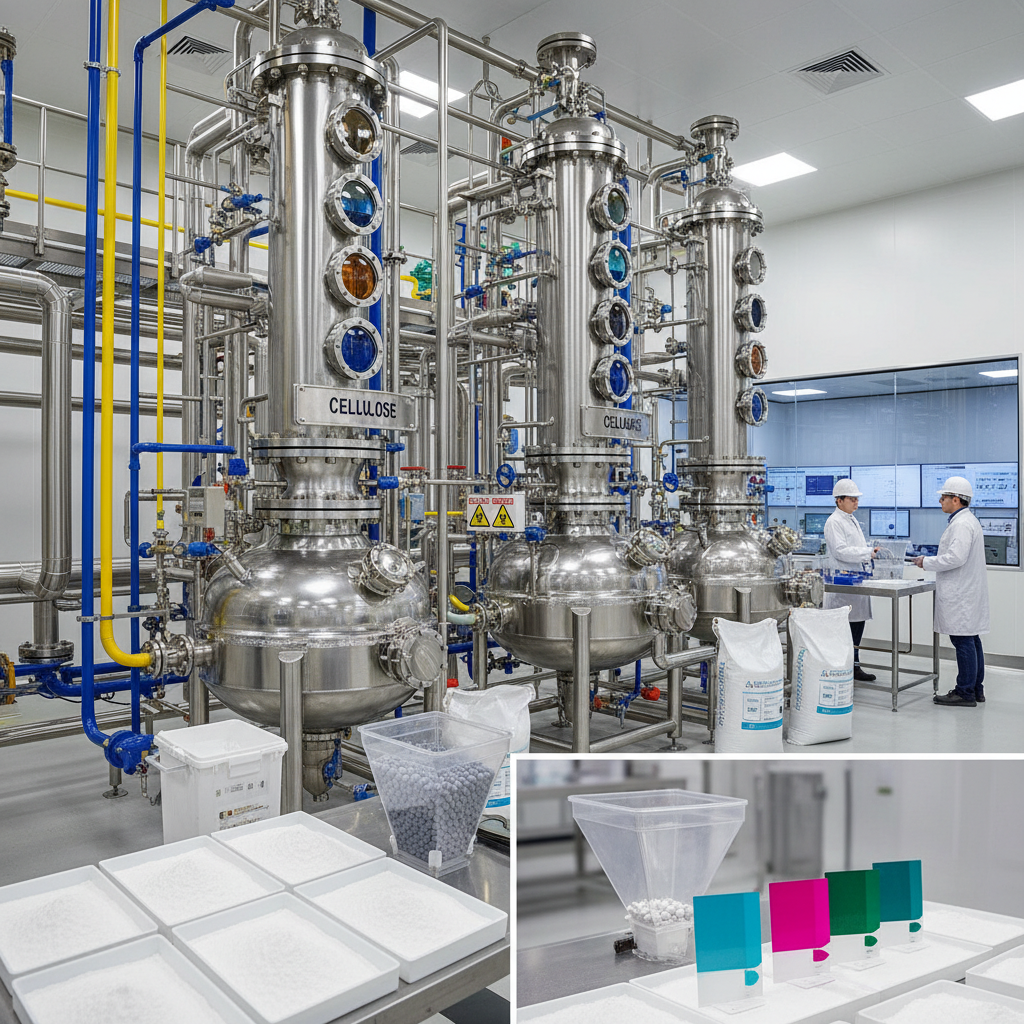
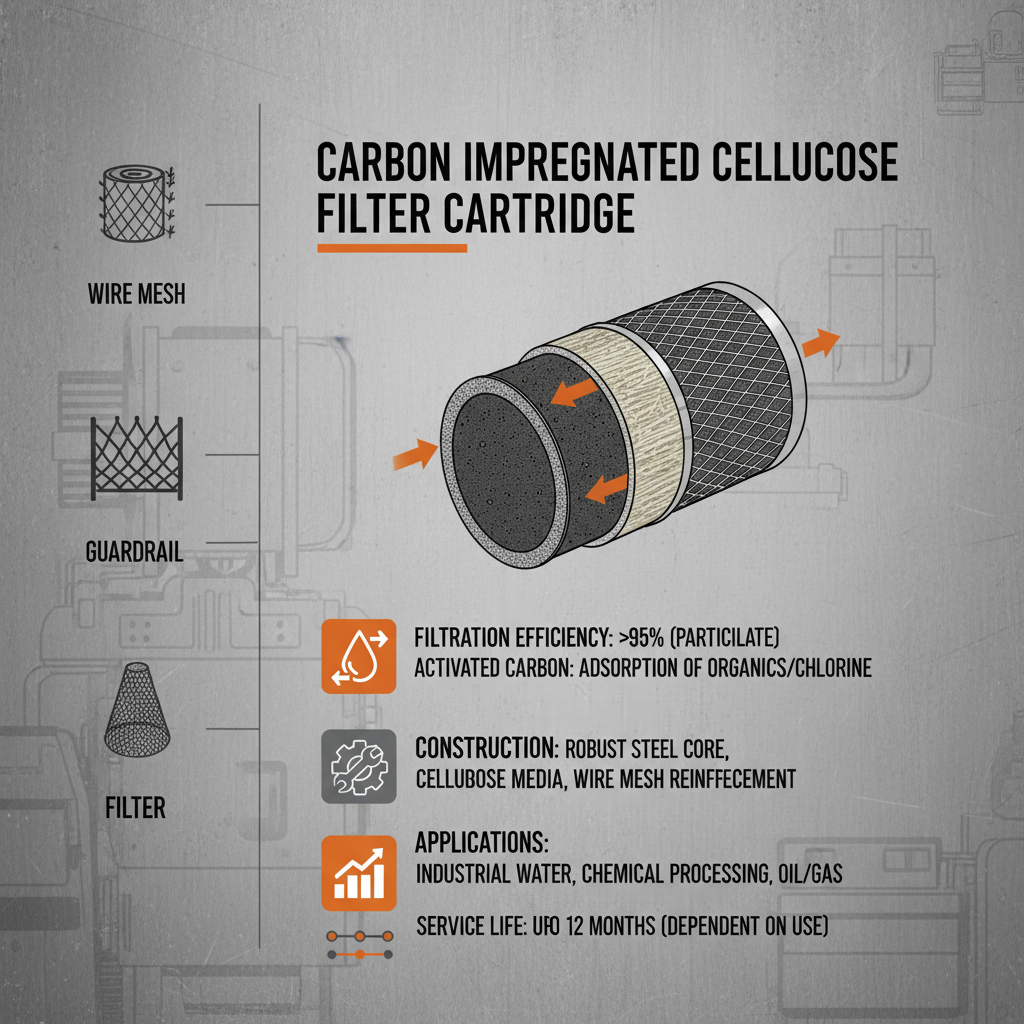
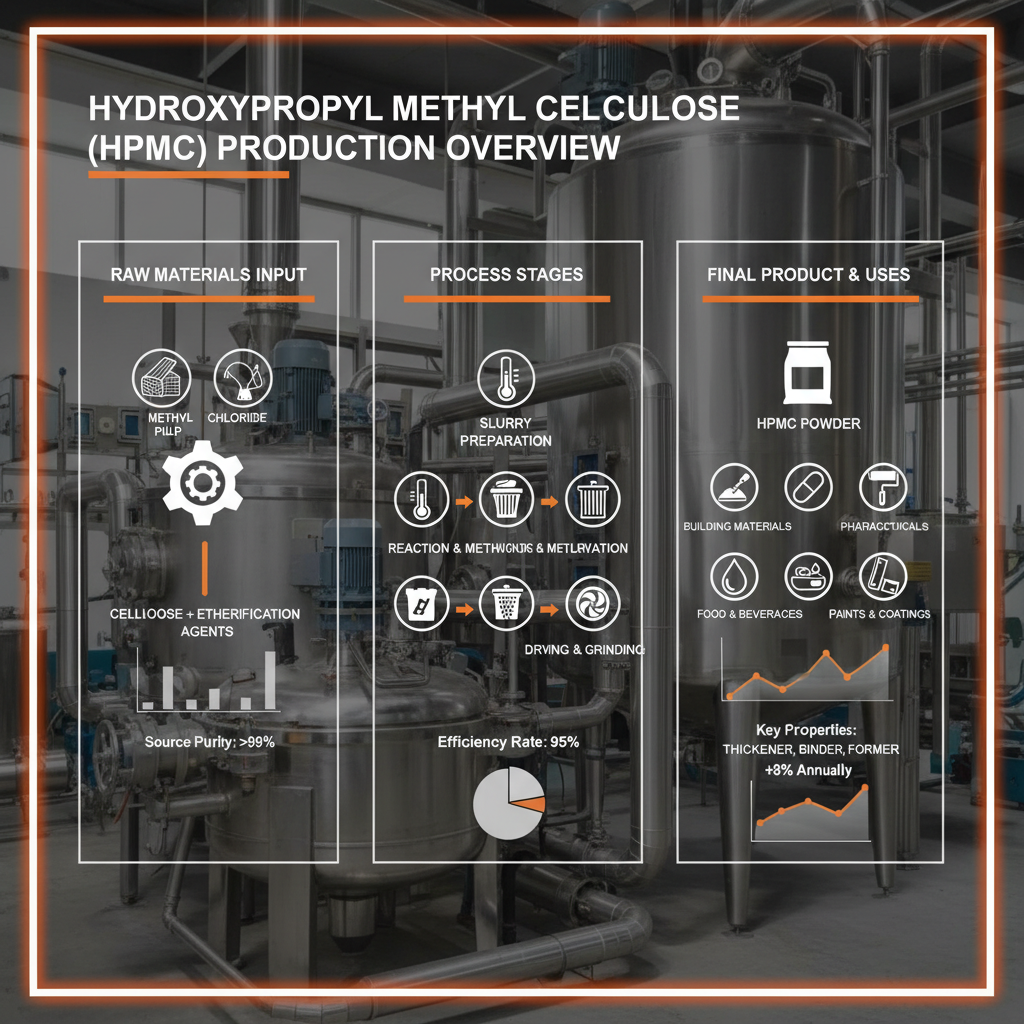
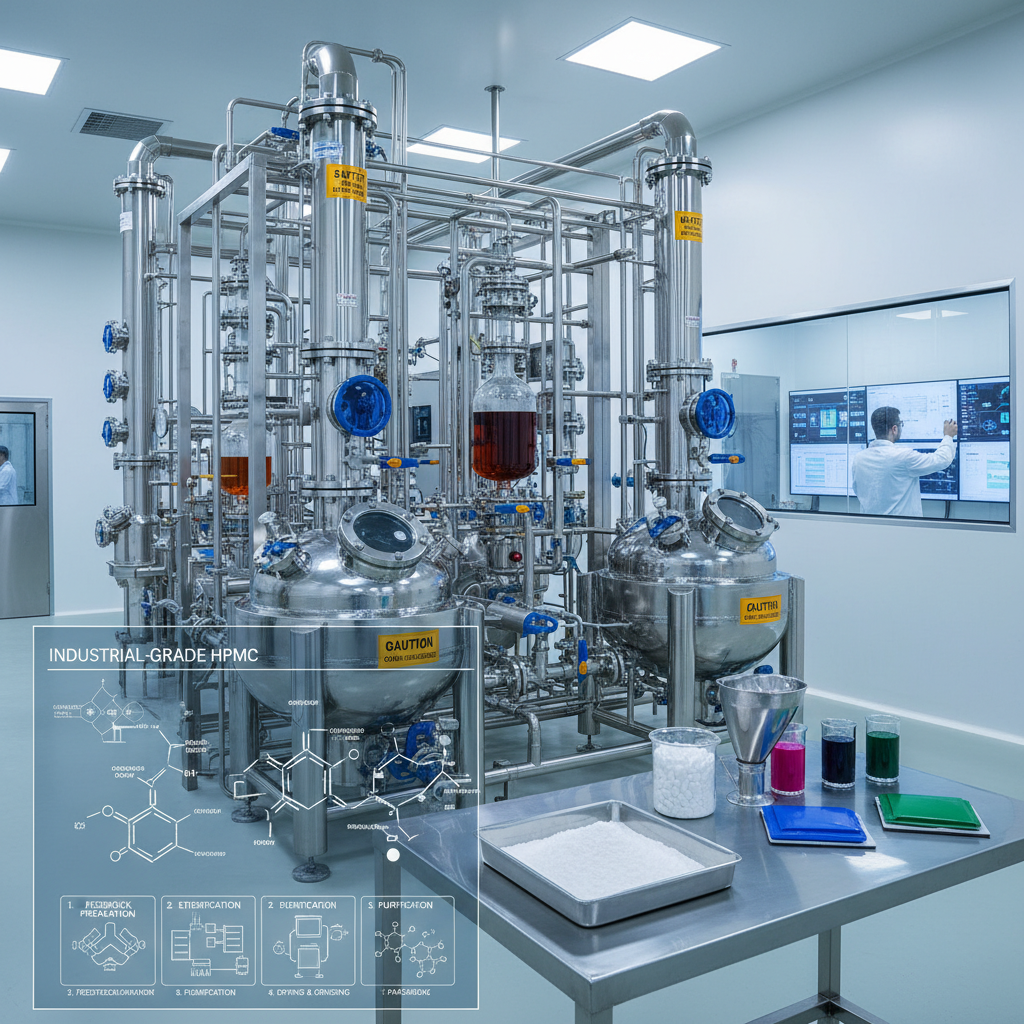
In the modern landscape of specialty chemicals, the role of cellulos derivatives has become indispensable, acting as the invisible backbone for countless industrial formulations. From the structural integrity of skyscraper mortars to the smooth texture of personal care products, these cellulose-based polymers provide the essential rheological control and water retention that modern engineering demands. Understanding the versatility of these compounds is not merely a technical necessity but a strategic advantage for manufacturers seeking to optimize product performance and sustainability.
Across the global supply chain, the shift toward bio-based additives has pushed cellulos to the forefront of material science. As industries face stricter environmental regulations and a growing demand for "green" building materials, the ability of these polymers to replace synthetic alternatives while enhancing durability is critical. This global transition is driven by the need for materials that can withstand extreme climatic conditions while reducing the carbon footprint of construction and chemical processing.
By mastering the application of various grades—whether it be HPMC for tile adhesives or MHEC for plaster—companies can significantly reduce waste and improve the longevity of their end-products. The synergy between high-purity cellulose ethers and modern additive technology ensures that industrial applications are not only more efficient but also more reliable. This comprehensive guide explores the multifaceted world of cellulos and how it continues to redefine the standards of the fine chemical industry.
Global Industrial Relevance of Cellulos
The global demand for cellulos derivatives has seen a steady incline, mirrored by the rapid urbanization in emerging economies. According to industrial benchmarks, the integration of high-quality cellulose ethers in construction materials has reduced material cracking by up to 30% in high-humidity regions. This makes them essential for the development of sustainable cities where infrastructure must endure decades of environmental stress.
Beyond construction, these polymers are critical in the pharmaceutical and cosmetic sectors, where they act as stabilizers and thickeners. The ability to precisely control the viscosity of a solution allows for the creation of everything from high-end hand sanitizers to stable medicinal syrups. Consequently, the cellulos market is no longer just a niche chemical sector but a pillar of the global specialty additives industry.
Technical Definition and Chemical Meaning
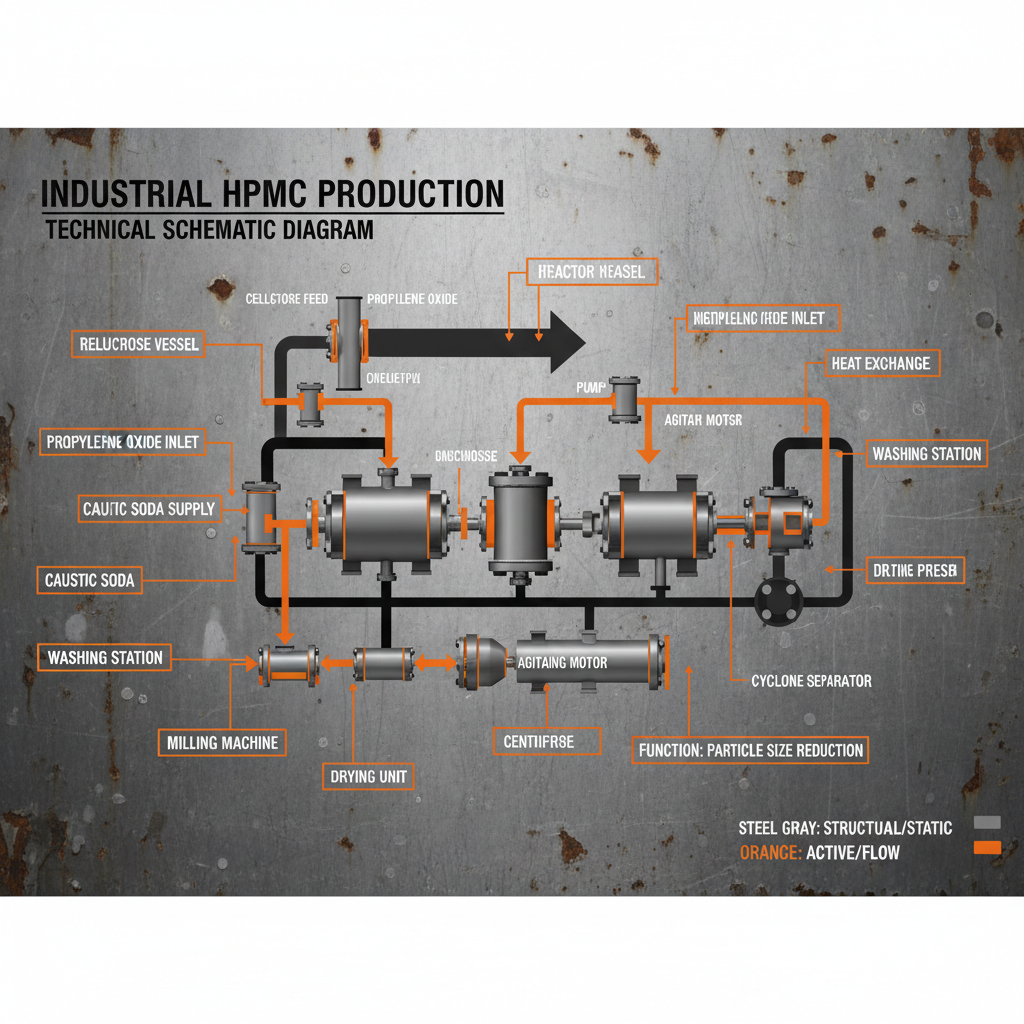
In simple terms, cellulos refers to the family of polymers derived from cellulose, the most abundant organic polymer on Earth. Through chemical modification—such as etherification—natural cellulose is transformed into water-soluble derivatives like Hydroxypropyl Methylcellulose (HPMC) or Methyl Hydroxyethyl Cellulose (MHEC). This process grants the material unique properties: the ability to hold water, thicken liquids, and form stable gels.
From an industrial perspective, these chemicals serve as "functional additives." They do not typically change the primary chemical nature of the base material (like cement or soap) but instead optimize how that material behaves during application. For instance, in a cement mortar, the cellulose ether prevents the water from being absorbed too quickly by the substrate, ensuring the cement has enough time to hydrate and bond properly.
This connection to humanitarian needs is evident in the production of affordable, high-strength housing materials. By using cellulos, manufacturers can create mortars that are easier to apply in remote areas with limited water resources, directly impacting the quality of life and safety for populations in developing regions.
Core Components and Performance Factors
The efficiency of cellulos is primarily determined by its degree of substitution and molar mass. These technical parameters dictate how the polymer interacts with water and other solutes. For example, a higher degree of substitution often leads to better solubility in cold water, which is a critical requirement for detergent-grade applications where heat is not available.
Water retention is perhaps the most vital factor for construction-grade cellulos. By trapping water molecules within its polymer network, it prevents "shrinkage cracks" in plaster and putty powders. This ensures that the coating remains smooth and durable, reducing the need for costly repairs and increasing the overall lifecycle of the building.
Scalability and cost-efficiency are also core considerations. Industrial-grade cellulos must be produced in massive quantities without losing batch-to-batch consistency. This reliability allows large-scale construction projects to maintain uniform quality across thousands of square meters of tiled surfaces or painted walls.
Global Applications and Use Cases
The real-world application of cellulos spans across diverse industries. In the construction sector, Tile Adhesive HPMC and Putty Powder HPMC are used extensively in Europe and North America to meet strict ISO standards for adhesion and slip resistance. These additives allow workers to apply heavy tiles to vertical walls without the tiles sliding down, significantly increasing labor productivity.
In the personal care industry, particularly in Asia and South America, Detergent Grade and Shampoo HPMC are utilized to create the luxurious, thick consistency consumers expect from premium soaps. In post-disaster relief operations, rapid-set mortars enhanced with cellulose ethers are used to build emergency shelters quickly, as the improved workability allows for faster construction even in challenging weather conditions.
Comparative Efficiency of Cellulos Variants
Long-Term Value and Strategic Advantages
The long-term value of integrating high-quality cellulos lies in its ability to combine economic savings with environmental responsibility. By improving the open time of mortars and the stability of emulsions, it reduces material waste on job sites. This logical approach to cost reduction—minimizing scrap and rework—provides a tangible financial return for contractors and developers.
Beyond the balance sheet, there is an emotional value rooted in trust and safety. When a building's exterior coating doesn't peel or a tile doesn't loosen over time, it reflects the reliability of the materials used. Using certified cellulose ethers ensures a level of dignity and security for the end-user, knowing that their environment is built on a foundation of innovation and rigorous quality control.
Future Trends and Green Innovations
The future of cellulos is inextricably linked to the "Green Chemistry" movement. Researchers are currently developing next-generation cellulose ethers that are not only biodegradable but are sourced from agricultural waste rather than virgin wood pulp. This circular economy approach transforms waste into high-value functional polymers, further reducing the ecological footprint of the chemical industry.
Digital transformation is also playing a role through "smart formulation." Using AI-driven modeling, manufacturers can now predict the exact grade of cellulos needed for a specific climate or substrate without exhaustive trial-and-error. This precision reduces the over-use of chemicals and optimizes the performance of the final product.
Furthermore, the integration of cellulose polymers with nano-materials is opening new doors in the aerospace and automotive industries. These hybrid materials offer unprecedented strength-to-weight ratios, suggesting that the reach of cellulos will soon extend far beyond the construction site and into the realm of high-tech engineering.
Challenges and Expert Solutions
One of the most common challenges with cellulos is the issue of "lumping" during the mixing process. If the powder is added too quickly to a liquid, it can form fish-eyes—clumps of undissolved polymer that ruin the consistency of the batch. To overcome this, experts recommend the use of high-shear mixers or pre-dispersing the cellulose in a small amount of non-solvent before full hydration.
Another limitation is the sensitivity of certain grades to temperature fluctuations. In extremely hot climates, the viscosity of the solution can drop, leading to premature drying of mortars. The solution lies in the strategic blending of HPMC with MHEC, as MHEC generally exhibits higher thermal stability, ensuring that the product remains workable even under the midday sun.
Finally, the volatility of raw material costs can impact the price of refined cellulos. To mitigate this, leading companies are diversifying their sourcing and investing in more efficient etherification technologies. By optimizing the reaction time and catalyst usage, manufacturers can maintain stable pricing while continuing to deliver high-purity products to the global market.
Analysis of Cellulos Grade Performance Across Industrial Dimensions
| Product Grade |
Water Retention |
Thermal Stability |
Application Ease |
| Construction Grade HPMC |
Excellent (9/10) |
Moderate (6/10) |
High (8/10) |
| MHEC (Specialty) |
Good (8/10) |
Excellent (9/10) |
Moderate (7/10) |
| Detergent Grade HPMC |
Moderate (6/10) |
High (8/10) |
Excellent (10/10) |
| Coating Grade HPMC |
High (8/10) |
Moderate (7/10) |
High (9/10) |
| Pharma/Sanitizer Grade |
Excellent (10/10) |
High (8/10) |
Moderate (6/10) |
| Plaster/Putty HPMC |
Excellent (9/10) |
Moderate (6/10) |
High (8/10) |
FAQS
While both are cellulose ethers, HPMC (Hydroxypropyl Methylcellulose) is widely used for general thickening and water retention in construction. MHEC (Methyl Hydroxyethyl Cellulose), however, offers superior thermal stability, making it the preferred choice for projects in hotter climates where preventing premature evaporation is critical for structural integrity.
To avoid "fish-eyes" or lumping, it is recommended to use a high-shear mixer or slowly sift the powder into the water while stirring constantly. Alternatively, pre-dispersing the powder in a small amount of water-miscible solvent (like glycol) before adding it to the main water phase can ensure a perfectly smooth solution.
Yes, cellulose ethers are derived from natural cellulose, usually sourced from wood pulp or cotton. They are biodegradable and often serve as a greener alternative to synthetic polymers. Modern production methods are increasingly focusing on using agricultural waste, further enhancing their sustainability profile.
Absolutely. The versatility of the cellulose backbone allows for different chemical modifications. Construction grades focus on water retention and adhesion, while detergent and shampoo grades are optimized for viscosity, clarity, and skin-feel. The core polymer is similar, but the substitution levels differ to suit the application.
Cellulose ethers act as water-binding agents. By holding onto the moisture within the adhesive layer, they prevent the substrate (like a concrete wall) from sucking the water out too quickly. This keeps the adhesive "wet" and workable for longer, allowing the installer more time to adjust the tiles perfectly.
For high-purity, industry-standard cellulose ethers, it is essential to partner with a manufacturer that adheres to ISO quality management systems. You can find a comprehensive range of building, detergent, and specialty grades by visiting www.youngcel.com, where technical specifications are provided for various industrial needs.
Conclusion
In summary, the strategic implementation of cellulos derivatives represents a critical intersection of chemistry and practical engineering. From enhancing the workability of construction mortars to stabilizing complex cosmetic formulations, these polymers provide the essential functional properties that ensure product durability and efficiency. By focusing on key metrics like water retention and thermal stability, industries can achieve a superior balance between cost-effectiveness and high-performance quality.
Looking ahead, the evolution of cellulose technology toward bio-based sourcing and AI-optimized formulations promises a new era of sustainable industrialization. For manufacturers and engineers, the key to staying competitive lies in adopting these high-purity additives to meet the increasingly stringent global standards for green building and clean chemistry. We invite you to explore the future of specialty polymers and optimize your formulations by visiting our website: www.youngcel.com.